Thirteen ambitious, resonant voices exploring identity, belonging, trauma and invention
The Booker Prize 2024 longlist, unveiled on July 30, 2024, brings together a ‘cohort of global voices’—from debut authors to acclaimed literary icons—spanning six continents and a striking range of narrative forms. The judges, led by Edmund de Waal, praised the list for works that "inhabit ideas by making us care deeply about people and their predicaments". This selection includes firsts—a Native American and Dutch author—and balances multigenerational sagas, dark comedy, spy thrillers, meditations on exile, and more.
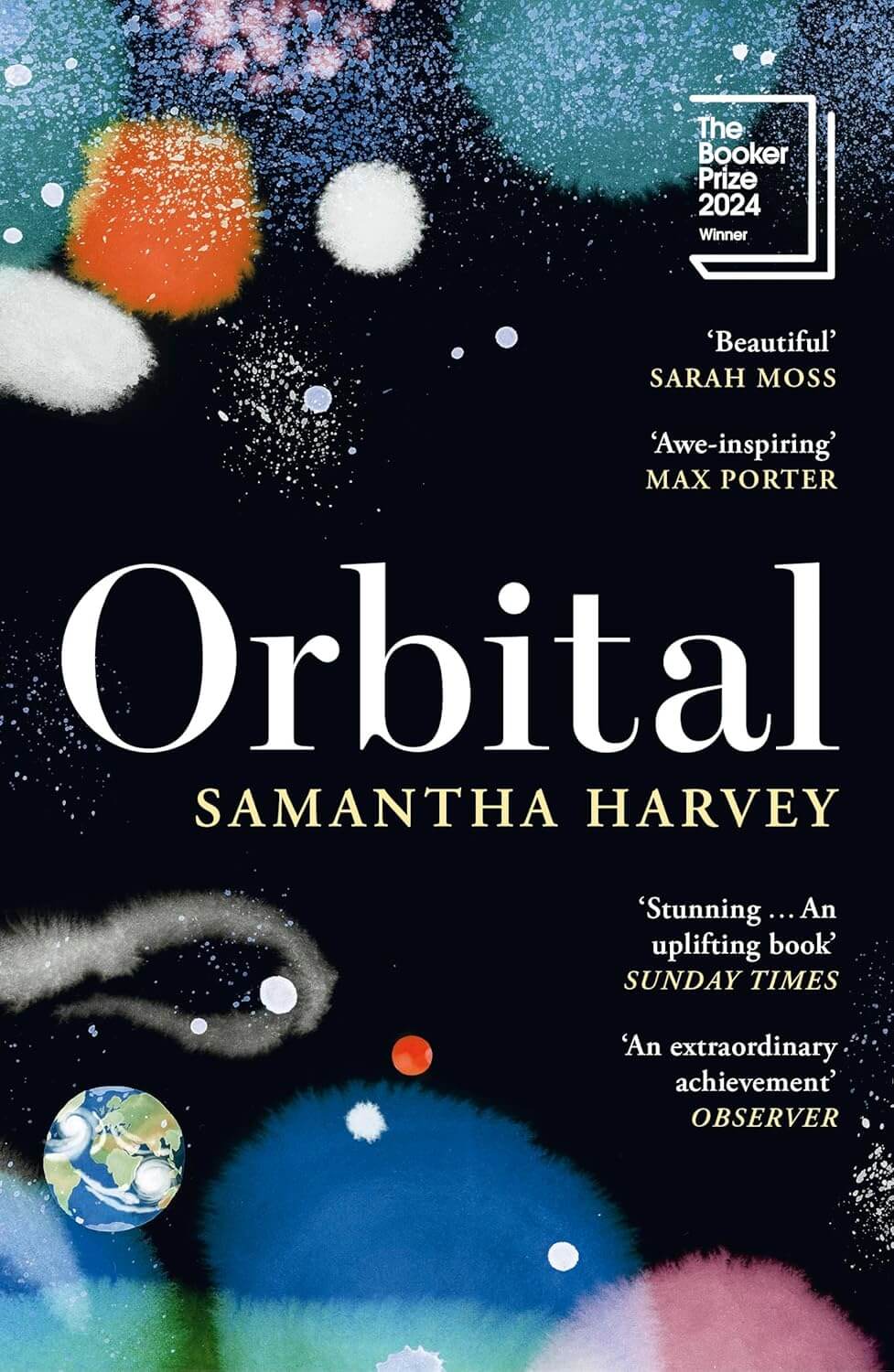
Samantha Harvey’s Orbital unfolds aboard the International Space Station, where six astronauts orbit Earth while grappling with the fragile politics of the world below. The novel is meditative and atmospheric, using the vantage point of space to reflect on borders, conflict, and the illusion of separation. Harvey’s prose is exquisite, weaving scientific detail with philosophical reflection. Though set far above Earth, the book is deeply grounded in human experience — longing, memory, responsibility, and the tension between personal and collective identity. The quiet, floating environment heightens every small emotional shift. It’s a contemplative and beautifully crafted piece of political fiction.
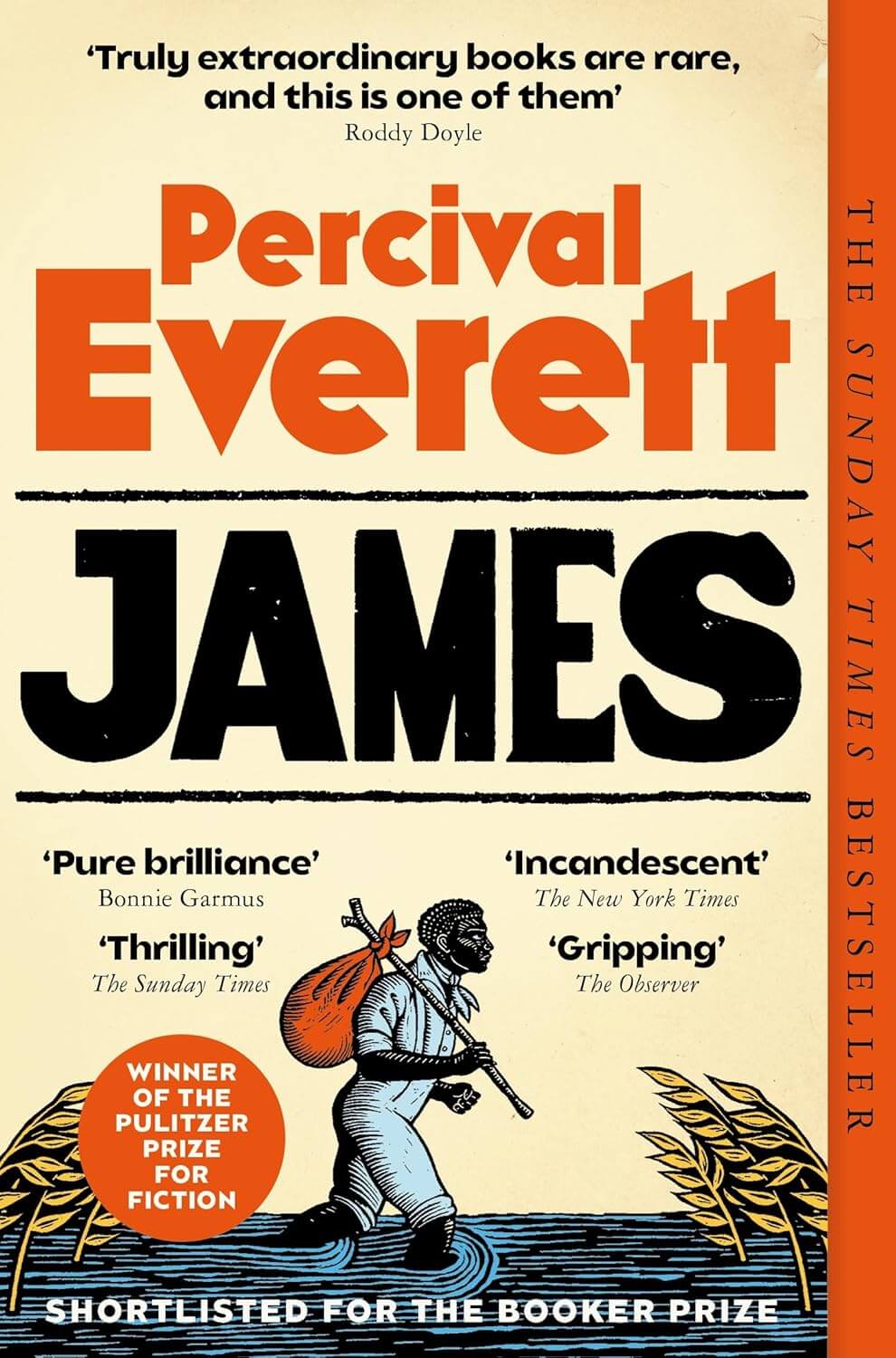
Everett's novel is a sly, forceful act of literary re-visioning that pulls a familiar American story into a new moral light. It centres voice—who gets to narrate, who gets believed, and what language can hide or reveal. The book moves with propulsive clarity while keeping its mind on larger questions of power and personhood. Its humour is sharp, but it never lets comedy soften what's at stake. Characters are allowed complexity, contradiction, and agency rather than serving as symbols. The narrative continually tests the reader's assumptions about history and "classic" storytelling. It's both a page-turner and an argument—delivered with precision. You finish feeling entertained, unsettled, and newly alert.
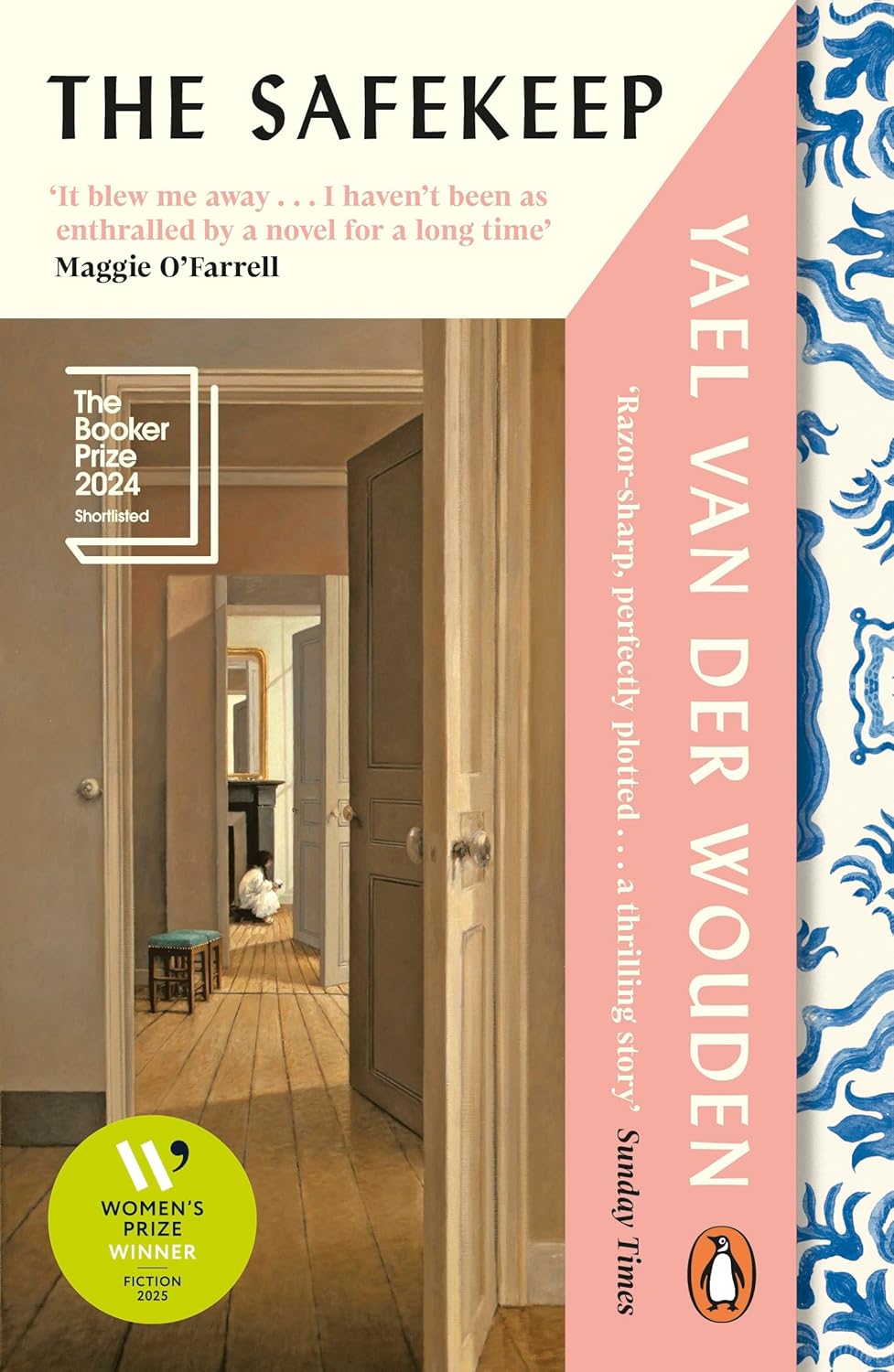
This bold debut centers on Isabel, a reclusive woman in 1961 Netherlands, and Eva, her sister’s girlfriend, who moves into her home for the summer. As intimacy develops against a backdrop of war’s lingering trauma, the novel becomes an erotic, psychological, and historical reckoning. Yael van der Wouden masterfully interweaves queerness, intergenerational memory, and small‑town detail. Critics praised its emotional heft, tightly‑plotted tension, and literary audacity. Winner of the 2025 Women’s Prize for Fiction, it stands as both unsettling and deeply resonant.
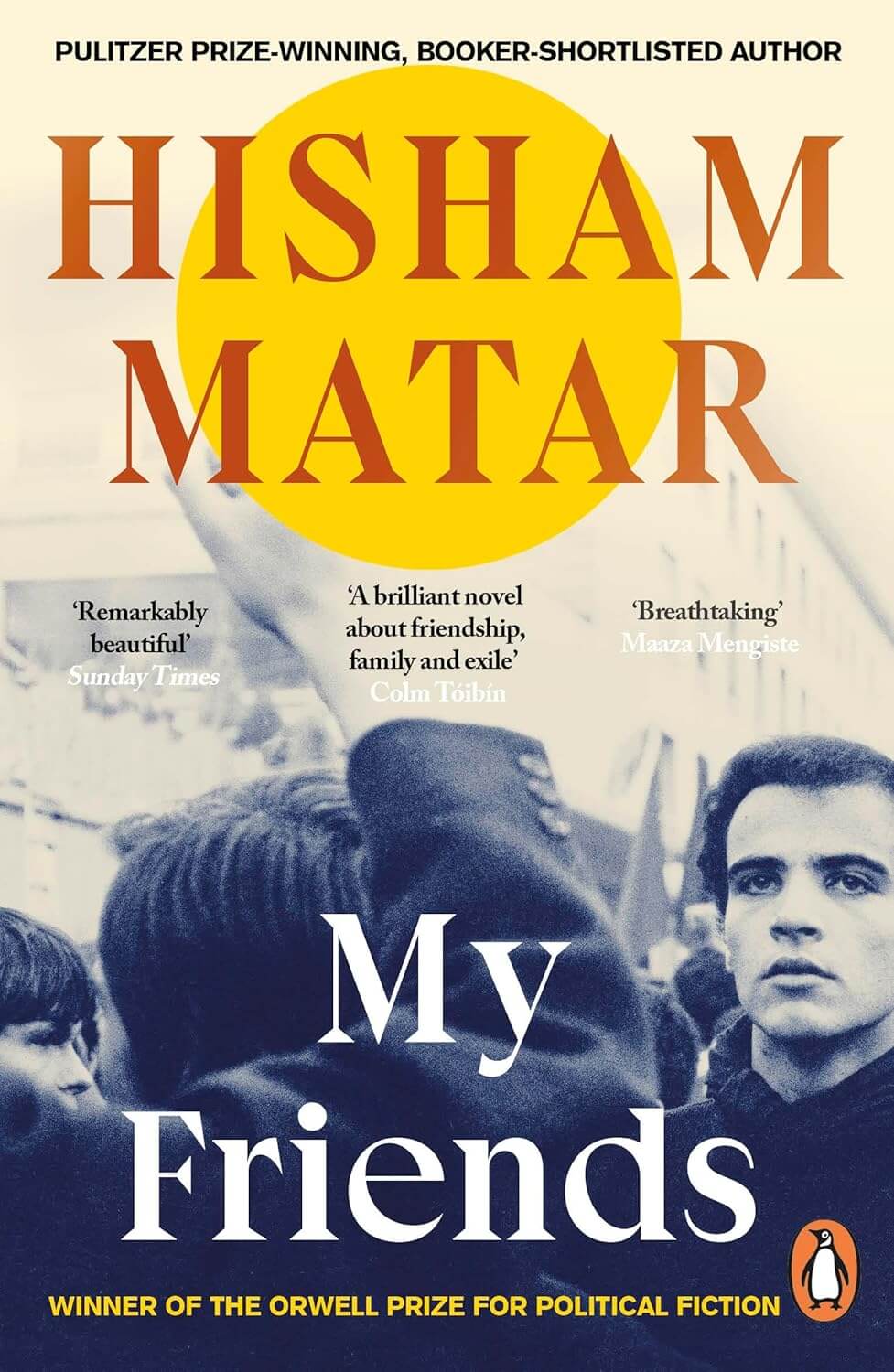
Hisham Matar’s novel is an intimate meditation on friendship, exile, and political loss. Set between London and Libya, it follows a man navigating life in the diaspora while carrying the weight of a revolution that reshaped his identity. Matar’s writing is elegant and melancholy, capturing the subtle complexities of relationships strained by distance and history. The narrative unfolds slowly, with emotional precision, revealing how political upheaval infiltrates even the quietest corners of life. It is both deeply personal and quietly political, a novel about belonging and the invisible ties that bind us. Matar’s ability to evoke longing is unmatched.
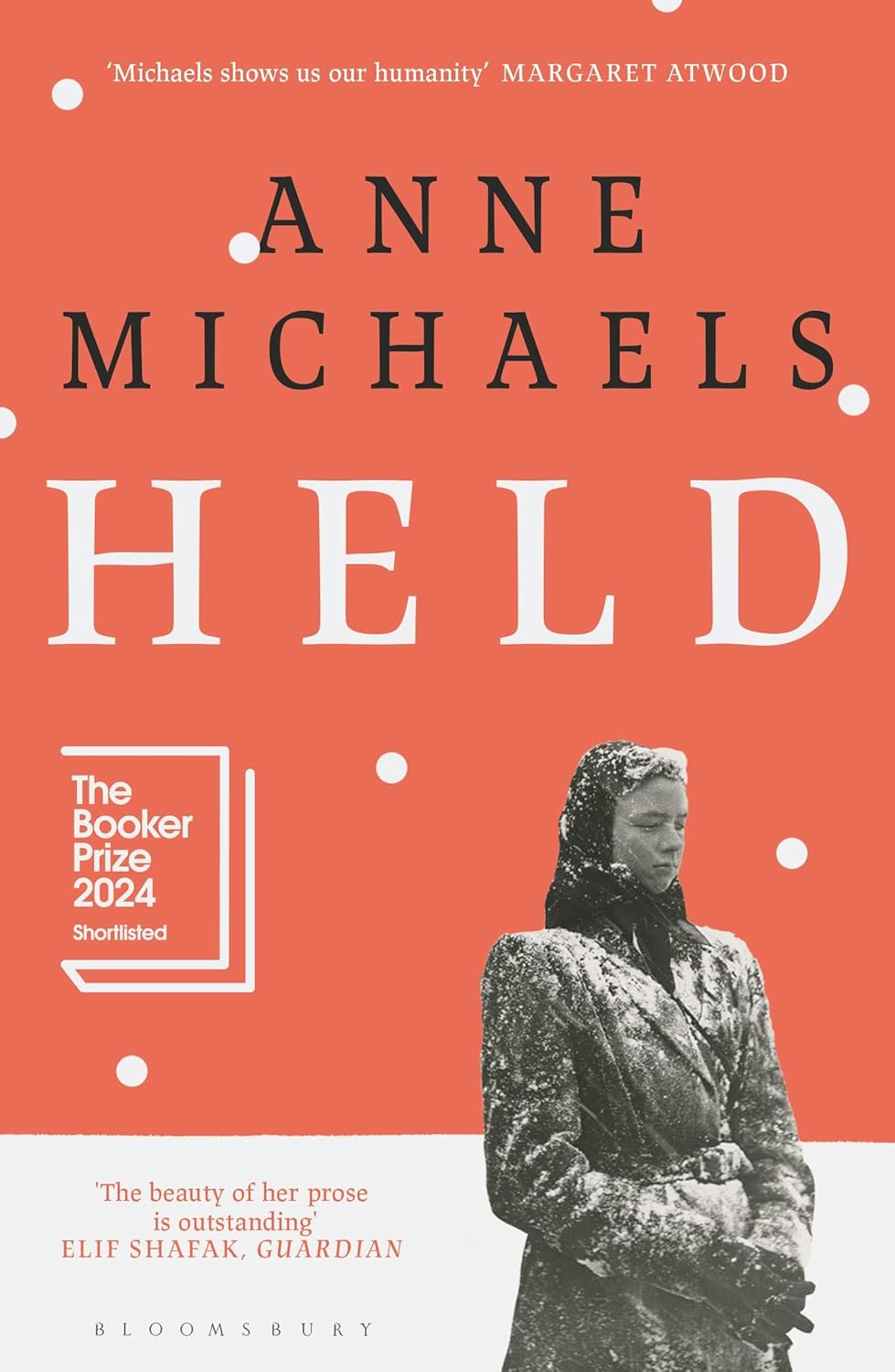
Spanning a century, Held weaves moments of war, science and love into fragments of human connection. Michaels employs evocative imagery over strict chronology, allowing emotional truths to surface in flashes and silences. The novel moves between characters and eras, binding them through shared experiences of trauma and transcendence. Judges felt transported by its lyrical craft and thematic depth. It’s a meditation on what—and whom—we hold onto across time. An elegiac, atmospheric work that lingers in the mind long after reading.
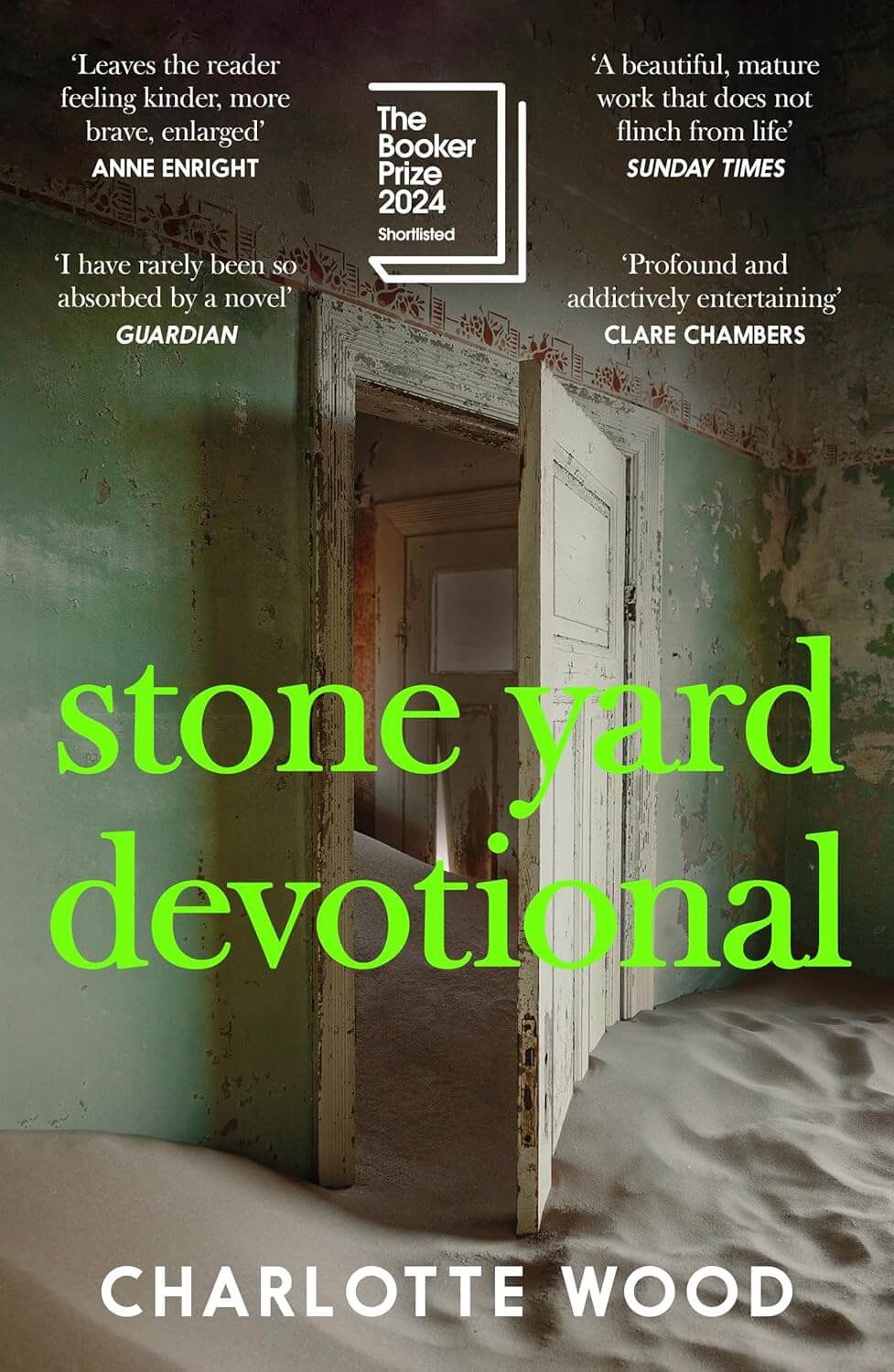
Set in rural Australia, Stone Yard Devotional examines grief, forgiveness and female friendship with unflinching clarity. Wood portrays two women confronting a shared past, their silences loaded with unspoken regrets. The prose is muscular yet tender, rooted in place and memory. Judges spotlighted its fearless emotional honesty, and it was shortlisted for several Australian awards. Wood explores how bonds can both heal and wound, urging readers to reckon with the past. The result is a raw, resonant tale of reconciliation.
This novel takes the structure of a competition and uses it to examine how identity is built under pressure. Bullwinkel is fascinated by bodies—what they can do, what they endure, and how they’re watched and judged. The setting gives the story a tight, kinetic energy, but the book’s real ambition is psychological. It lingers on the granular details that separate confidence from performance and fear from focus. The writing is alert to the ways girls and young women are narrated by others—and how they push back. The result feels both intimate and analytical, like a close-up that keeps widening. It’s a book about ambition, vulnerability, and what we call strength. You’ll leave with the sense that every “match” was also a portrait.
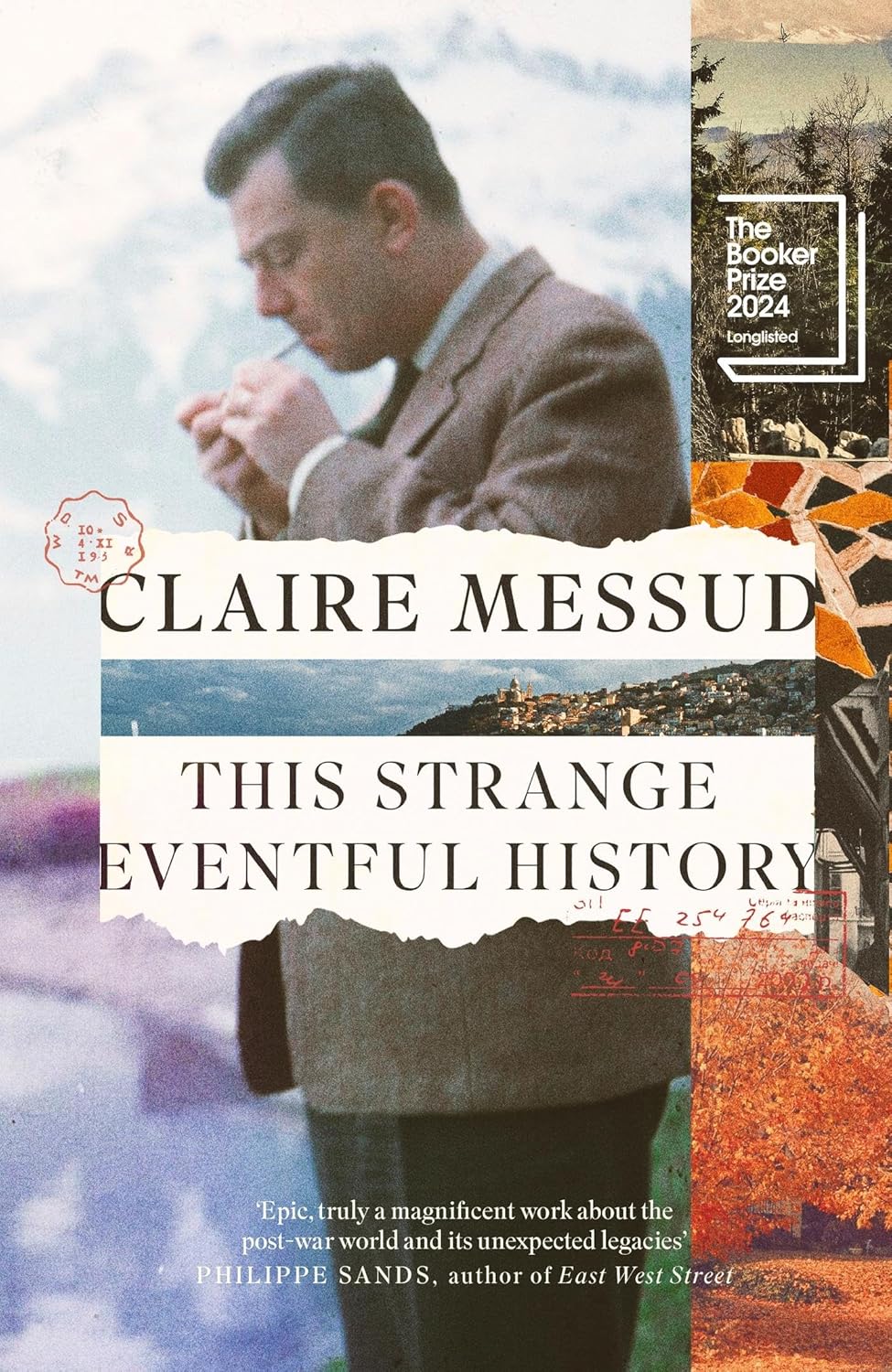
Messud’s novel unfolds as a multi‑layered exploration of family legacies, power and intimacy across generations. Her prose, precise and observant, captures emotional complexity with analytic clarity. Themes of inheritance—be it wealth, trauma or desire—resonate throughout. The pacing is deliberate, allowing subtle shifts to reveal deep patterns. Readers experience characters’ inner worlds and the forces that shape them. This is a quietly ambitious work that quietly unfolds, rewarding attentive readers with its depth and resonance.
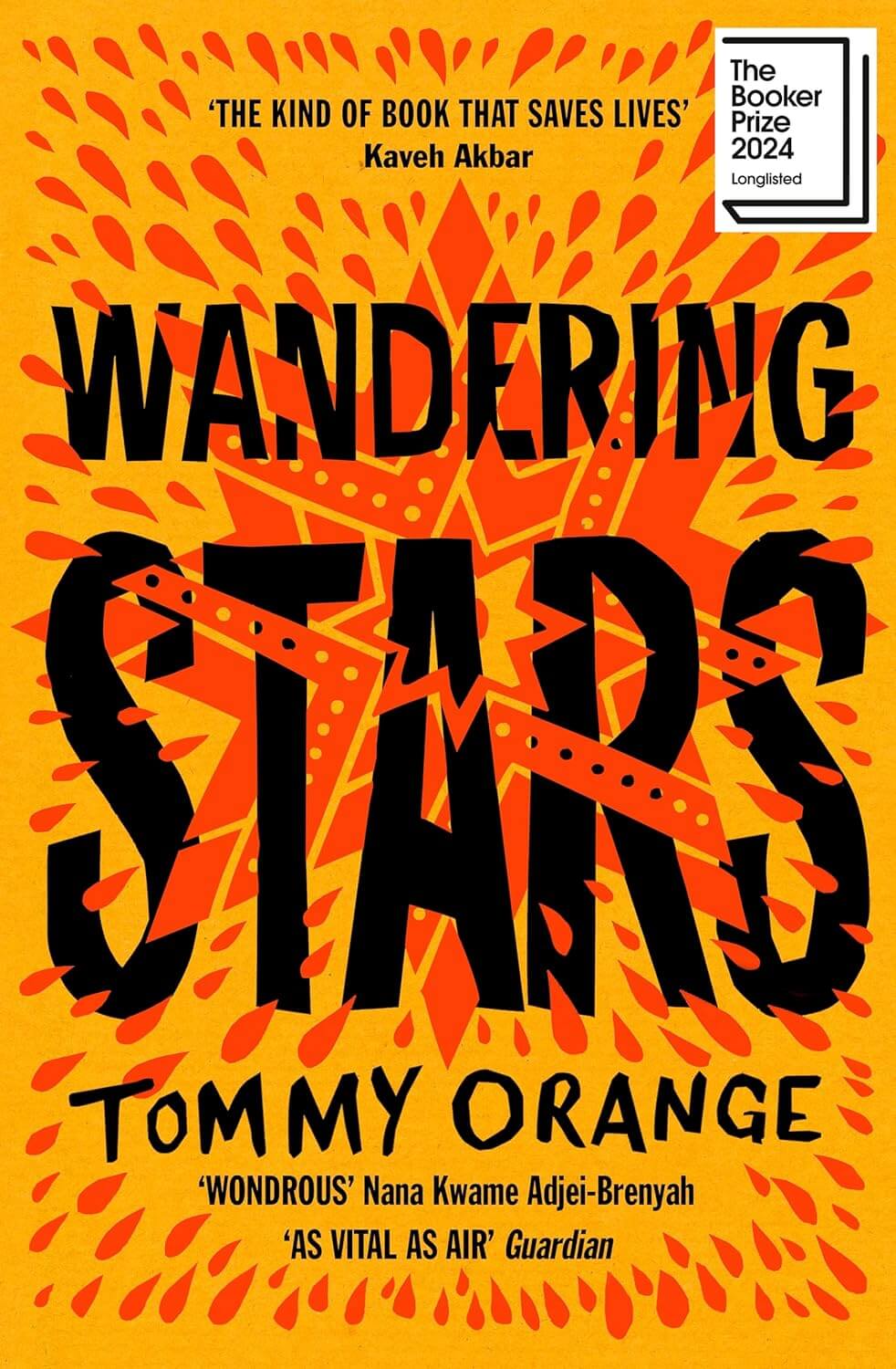
From the author of There There, Orange delivers a sweeping multigenerational saga of Native American life. Wandering Stars threads stories of addiction, displacement, resilience and cultural survival. His nonlinear structure and multiple perspectives create a mosaic of identity and memory. The prose is lyrical and grounded, moving between pain and joy with nuance. Orange explores what it means to belong, to lose, and to carry forward ancestral legacies. It's a powerful, expansive narrative that stakes claim to silenced histories.
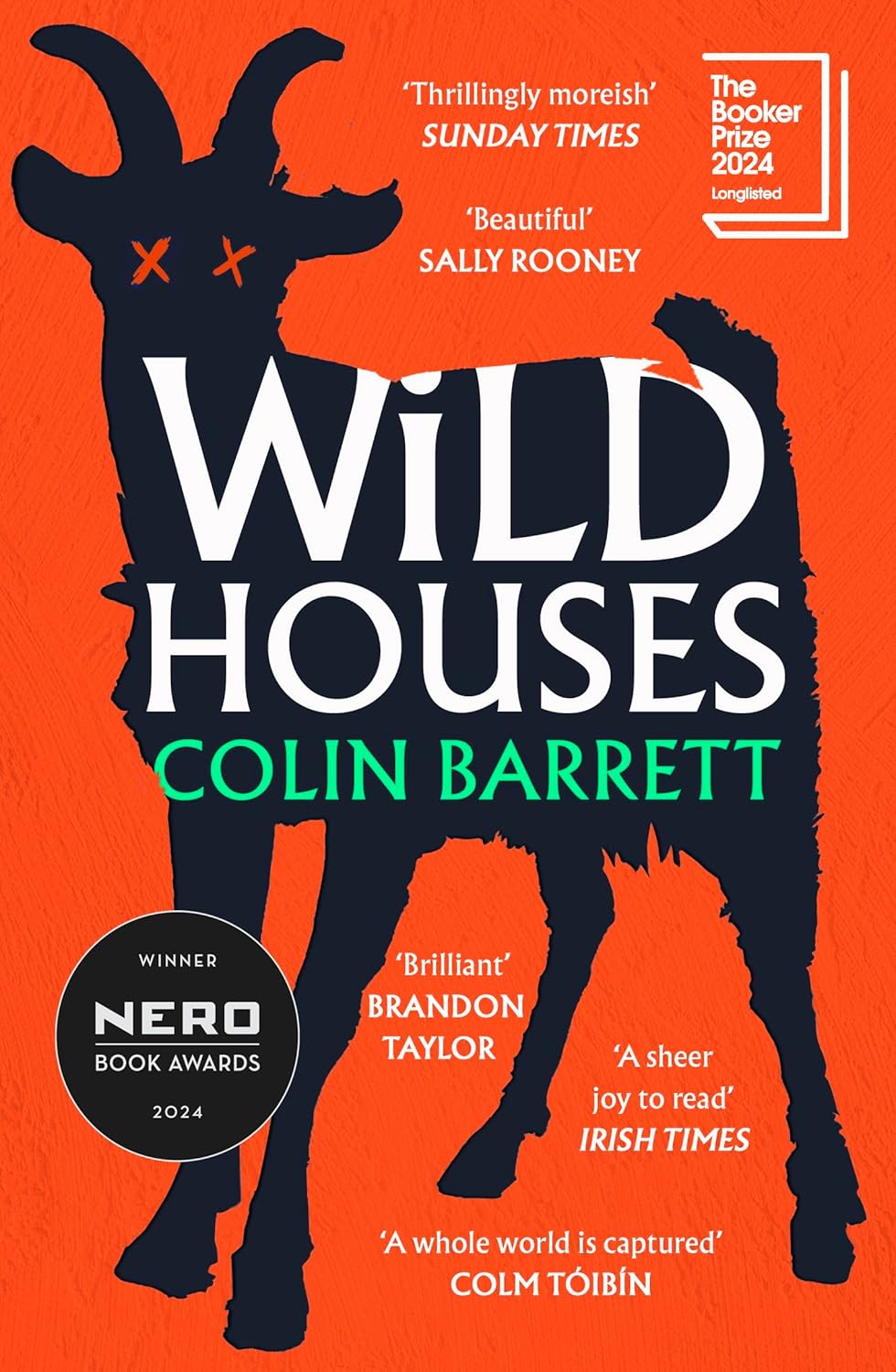
Colin Barrett’s debut novel is a propulsive, darkly comic tale of kidnapping, desperation, and dysfunctional loyalty in rural Ireland. Set over a tense weekend, the story centers on Dev, a reclusive loner reluctantly hosting Doll, a teenager abducted by the Ferdia brothers over a drug debt. Barrett weaves atmospheric small‑town life with sharp dialogue and vivid storytelling—his prose alternately hilarious, melancholic, and precise. He balances violence with absurdity—moments of menace interrupted by Zen gardens and quirky dogs. Through alternating perspectives, readers experience Nicky’s fierce loyalty and Dev’s quiet grief, both outsiders caught in familial and communal forces. Critics lauded the plotting, pacing, character dynamics and narrative control, noting the novel’s skillful blend of grit and grace.
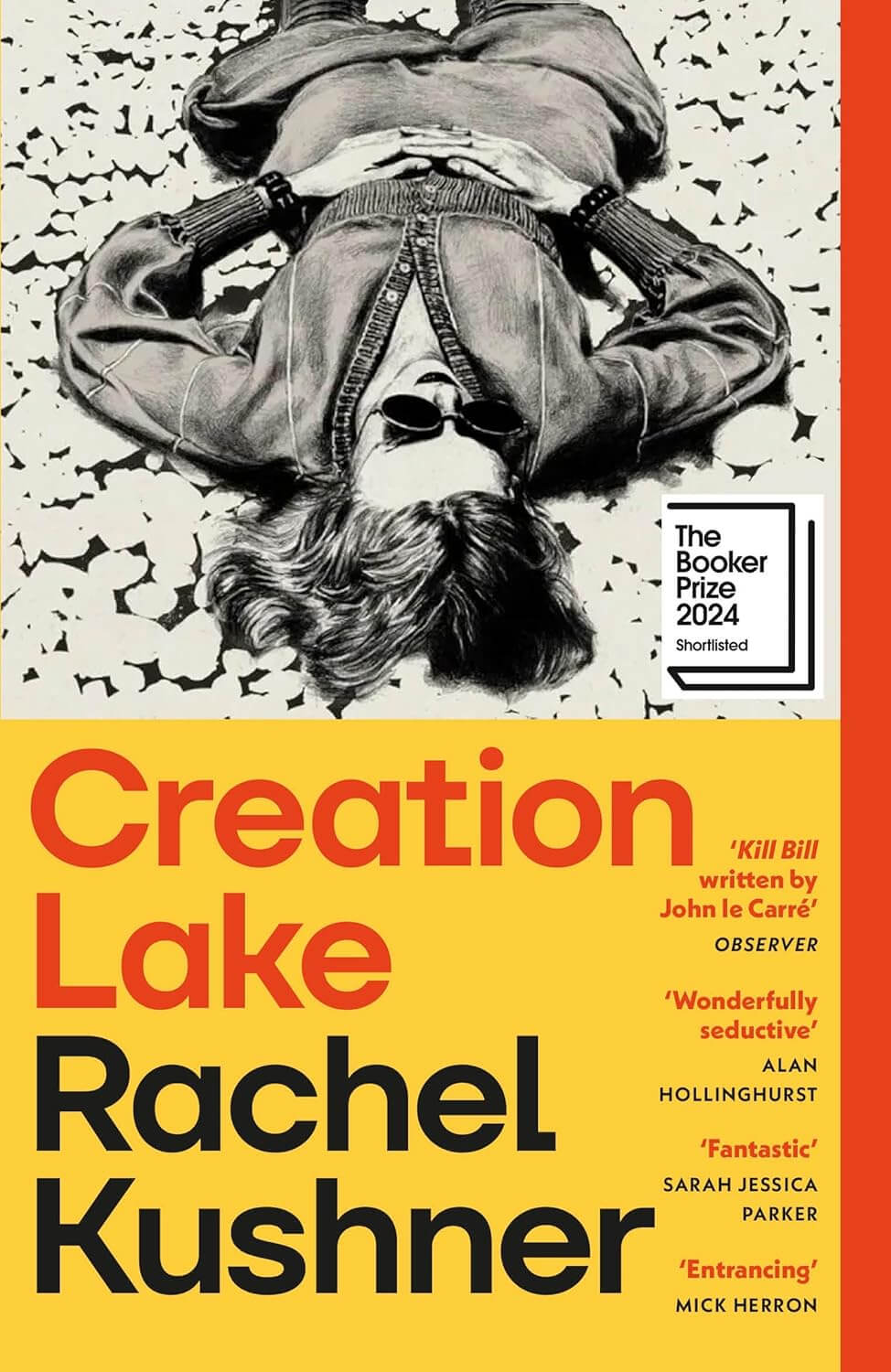
Part spy thriller, part meditation on history and ideology, Creation Lake follows an American woman infiltrating a radical commune in remote France. Kushner’s prose is sharp, atmospheric, and politically perceptive. She interrogates the legacy of activism, idealism, and disillusionment. The novel blurs the lines between memory, surveillance, and loyalty. It's a quietly powerful read that explores how our past shapes our present choices. Judges praised its ambition and emotional intelligence on the shortlist.
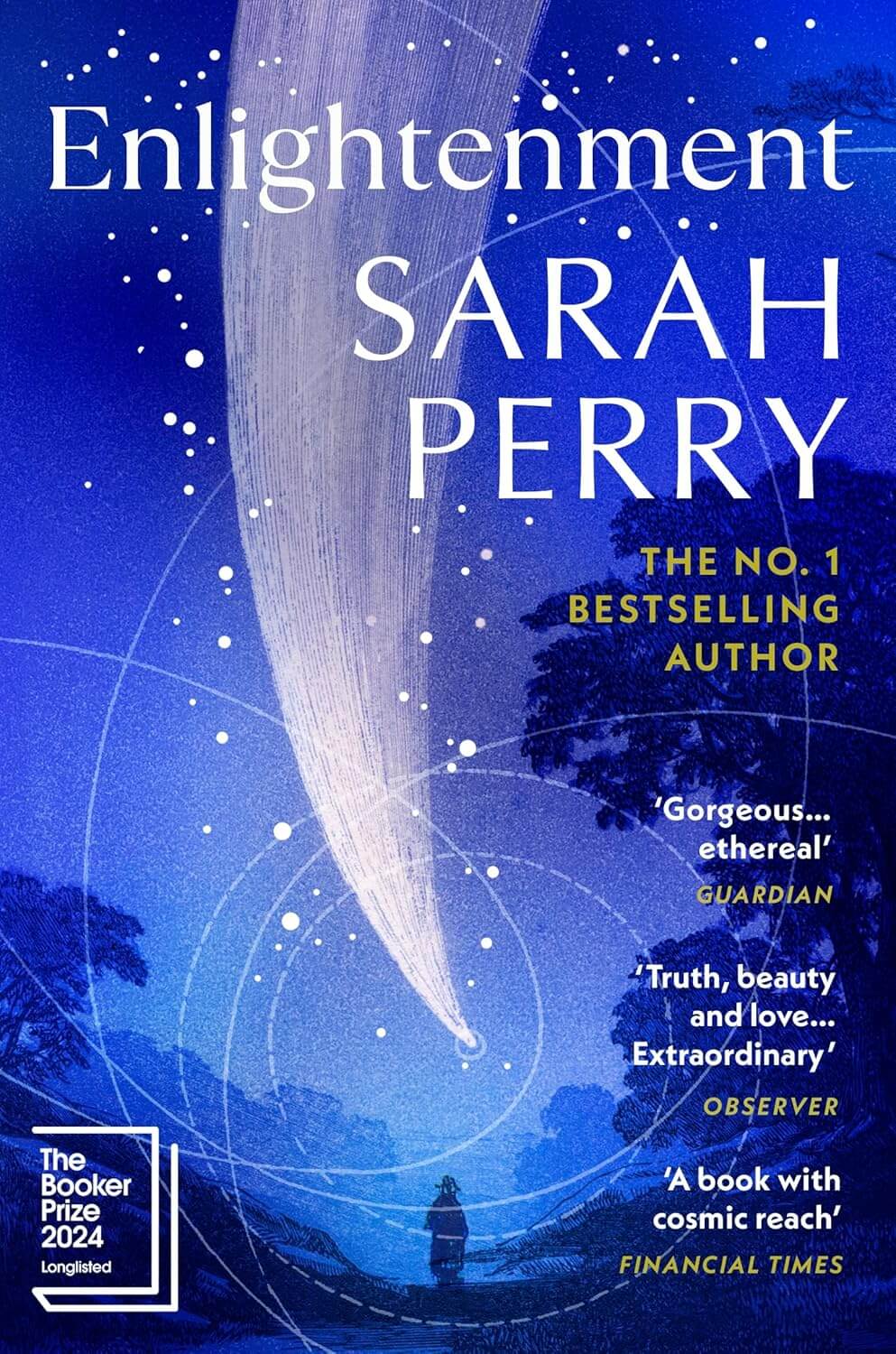
A contemplative tale set in 1990s Essex, Enlightenment follows two unlikely friends uncovering the legacy of a vanished 19th‑century explorer. Perry balances intimate friendship with philosophical musings on faith, comets and the supernatural. Her writing is quiet, reflective and suffused with a sense of wonder. The novel explores belonging—both terrestrial and cosmic—through subtle shifts in tone and perspective. Judges called it a long, quiet book that brings together heaven and earth in an exhilarating blend. It's a deeply thoughtful meditation on history, belief and connection.
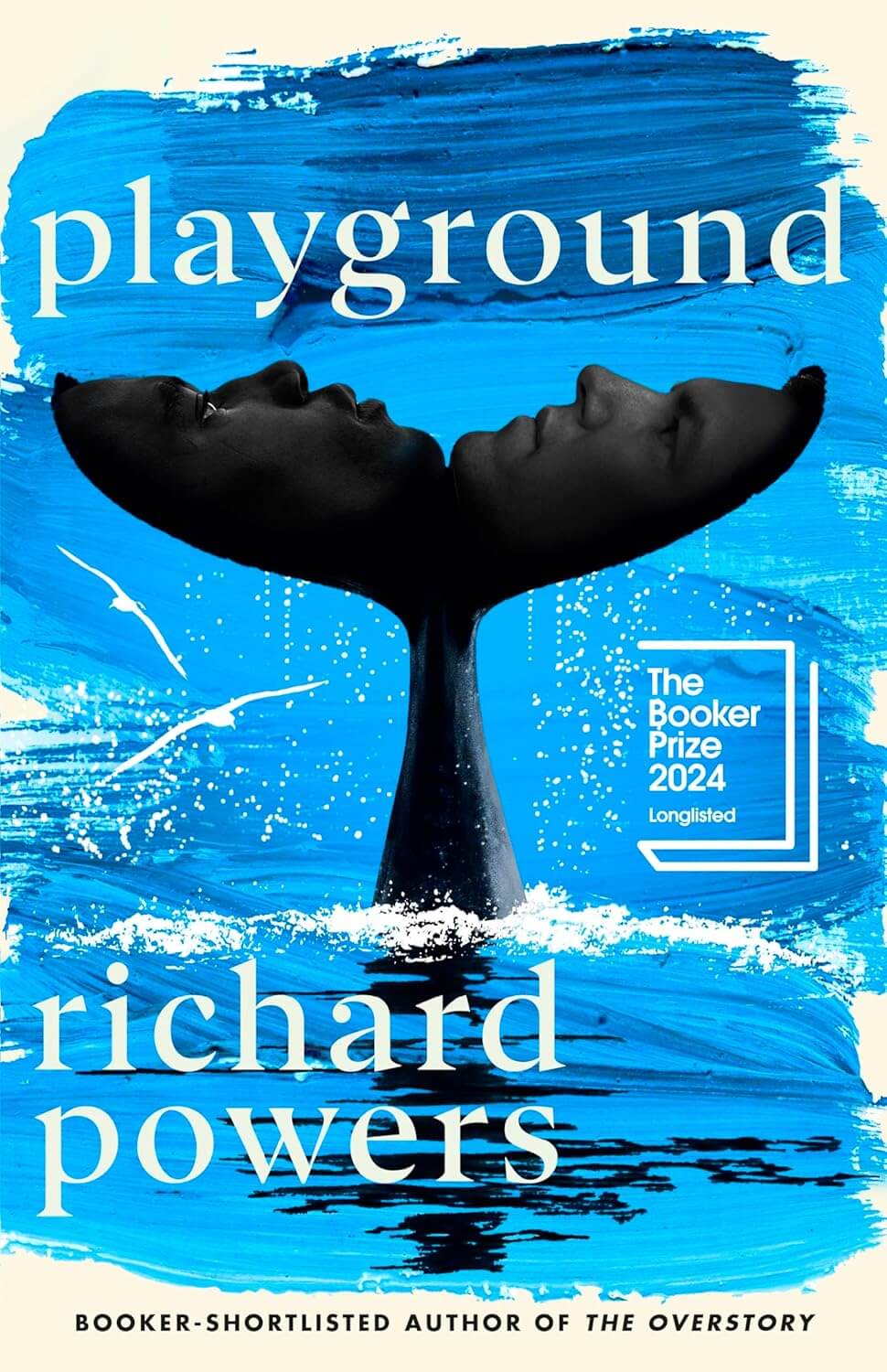
Set partly on the island of Makatea, Playground examines environmental crisis, floating cities and human ambition. Powers weaves technological speculation with richly drawn characters facing moral and ecological dilemmas. His prose is expansive, layered, and intellectually rigorous. The novel explores how we imagine solutions to planetary collapse—and what we lose in the process. It’s both panoramic and intimate, full of lyrical descriptions and ethical urgency. A powerful testament to Powers’s imagination and concern for the fate of the Earth.