Booker Prize 2022 Longlist

Thirteen bold novels exploring truth, power, belonging, and the strange beauty of being human

The Booker Prize 2022 longlist brings together a thrillingly diverse group of novels that push against the boundaries of storytelling. These books investigate the hidden structures shaping our lives — the myths we inherit, the histories we suppress, and the identities we construct. From sweeping historical reimaginings to sharp contemporary narratives and formally experimental fiction, the longlist reveals the breadth of literary ambition flourishing today.

Across continents and eras, these novels explore themes of justice, memory, corruption, grief, reinvention, and the fragile nature of truth. They illuminate the human cost of political upheaval, the struggle to reconcile past and present, and the quiet acts of courage that shape ordinary lives. Many of these books question how stories are made, who gets to tell them, and what happens when they are rewritten or reclaimed.

Together, the 2022 longlist forms a dazzling constellation of voices. Some novels pulse with dark humour, others with lyricism or philosophical depth, and still others with the energy of myth. All of them invite readers into intricately crafted worlds that challenge, unsettle, entertain, and inspire. They stand as a testament to what fiction can achieve when writers take risks, trust readers, and let narrative possibility lead the way.

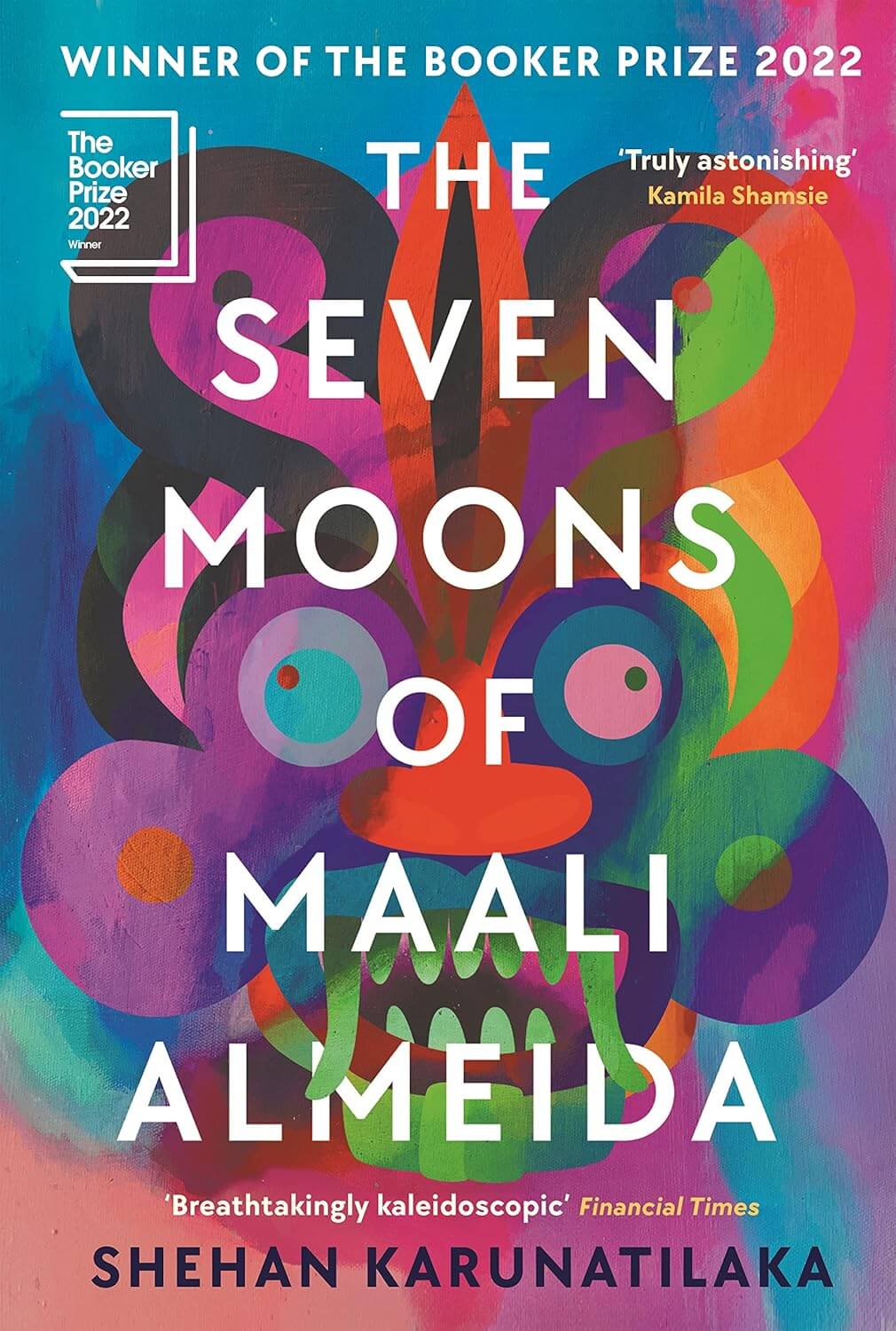
The Seven Moons of Maali Almeida
Winner

The Seven Moons of Maali Almeida

by Shehan Karunatilaka

Karunatilaka’s Booker-winning novel is a dazzling, chaotic, and wildly imaginative journey through Sri Lanka’s violent past. After war photographer Maali Almeida wakes up dead, he has seven moons to solve his own murder and expose the horrors he captured on film. The novel blends political satire, metaphysics, and noir with extraordinary inventiveness. Karunatilaka’s prose is energetic and darkly funny, even as it confronts brutal realities of war and corruption. The afterlife setting allows for sharp commentary on truth, memory, and complicity. It is a genre-bending, deeply human story that refuses to look away from violence while insisting on the possibility of transformation.

3.90
Political Fiction
Speculative Fiction
Energetic
Darkly Humorous
Inventive
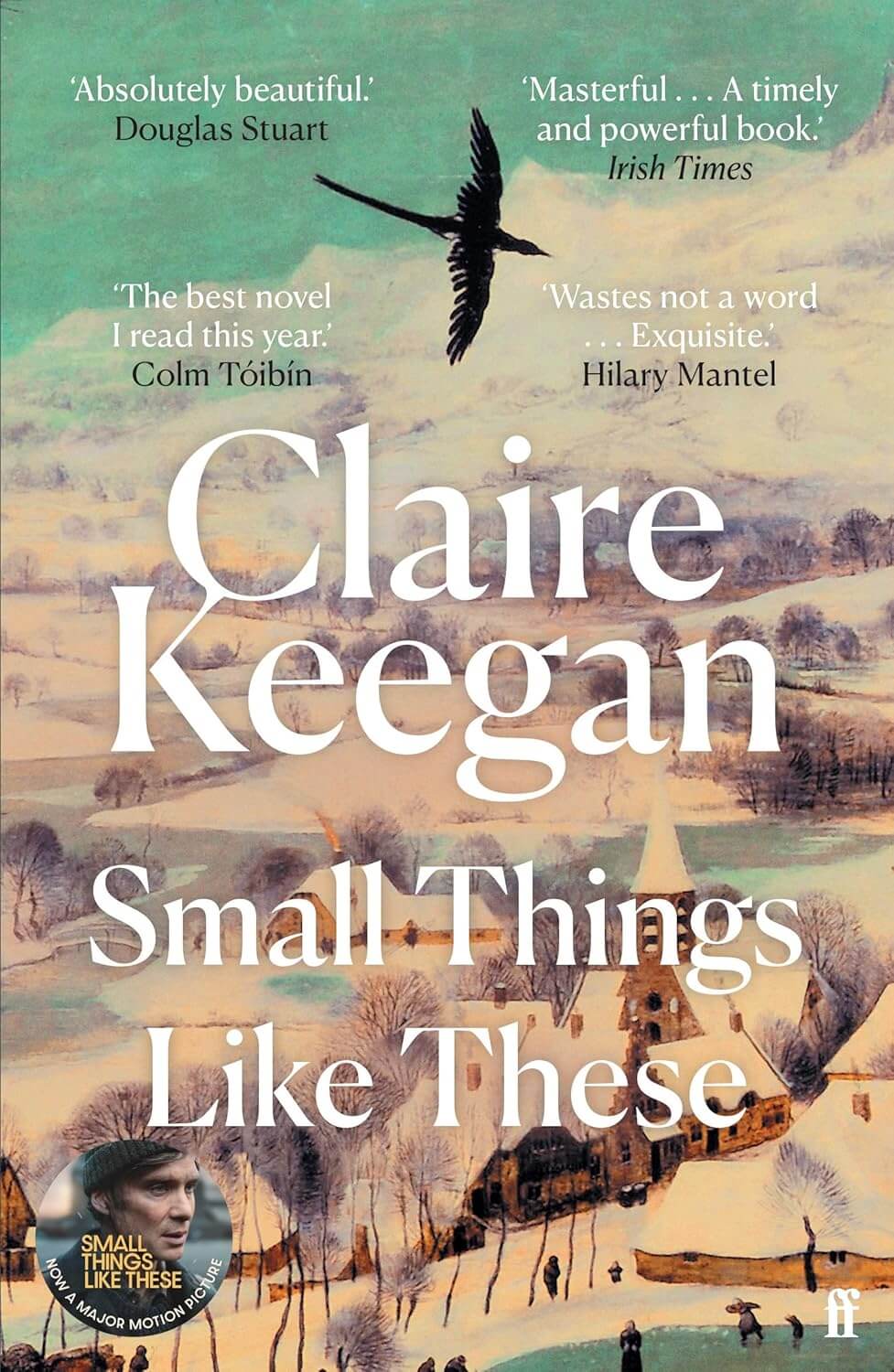
Small Things Like These
Shortlisted

Small Things Like These

by Claire Keegan

Claire Keegan’s novella is a quiet masterpiece set in 1980s Ireland, where coal merchant Bill Furlong uncovers the abuses of a Magdalene Laundry. Keegan writes with luminous restraint, letting small details carry enormous emotional weight. The story traces Bill’s moral awakening as he confronts the community’s complicity in cruelty. Her prose is spare but potent, capturing winter landscapes, working-class life, and the ache of conscience. Keegan shows how decency can be a radical act in a culture built on silence. The novel is brief, but its impact reverberates far beyond its pages.

4.10
Literary Fiction
Historical Fiction
Quiet
Reflective
Tender
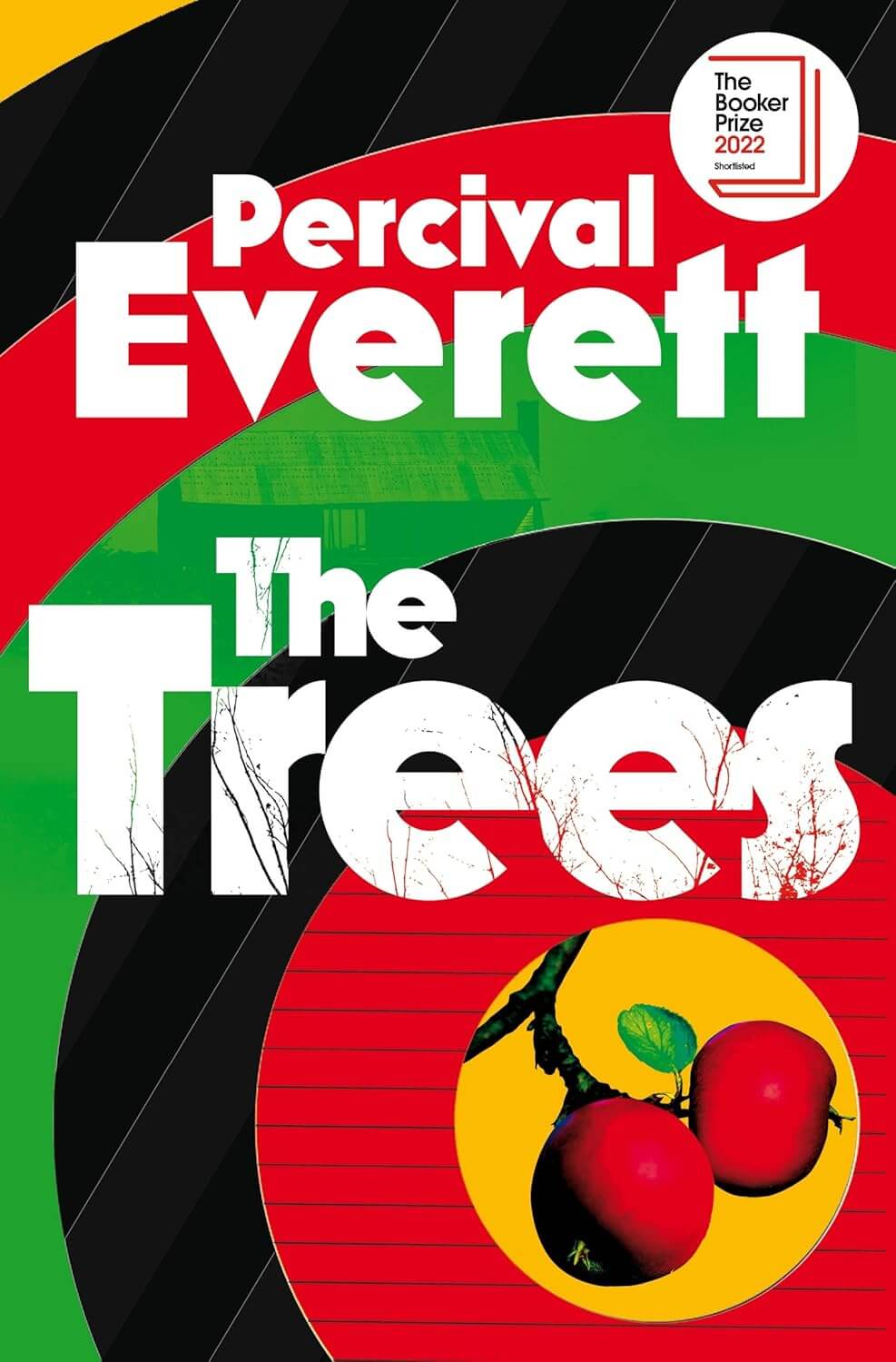
The Trees
Shortlisted

The Trees

by Percival Everett

Percival Everett’s The Trees is a blistering, sharply satirical novel that confronts America’s history of racial violence through a crime-thriller frame. As mysterious bodies begin appearing in Money, Mississippi — echoing the murder of Emmett Till — Everett blends humour, horror, and historical reckoning into an unforgettable narrative. His dialogue is razor-edged, simultaneously darkly comedic and devastatingly incisive. The novel critiques institutional failure, generational trauma, and collective denial with extraordinary skill. Everett’s pacing keeps tension high while his social commentary lands with precision. It is both wildly entertaining and deeply enraging — a powerful indictment wrapped in ferocious wit.

4.06
Satire
Political Fiction
Crime
Incisive
Darkly Humorous
Provocative
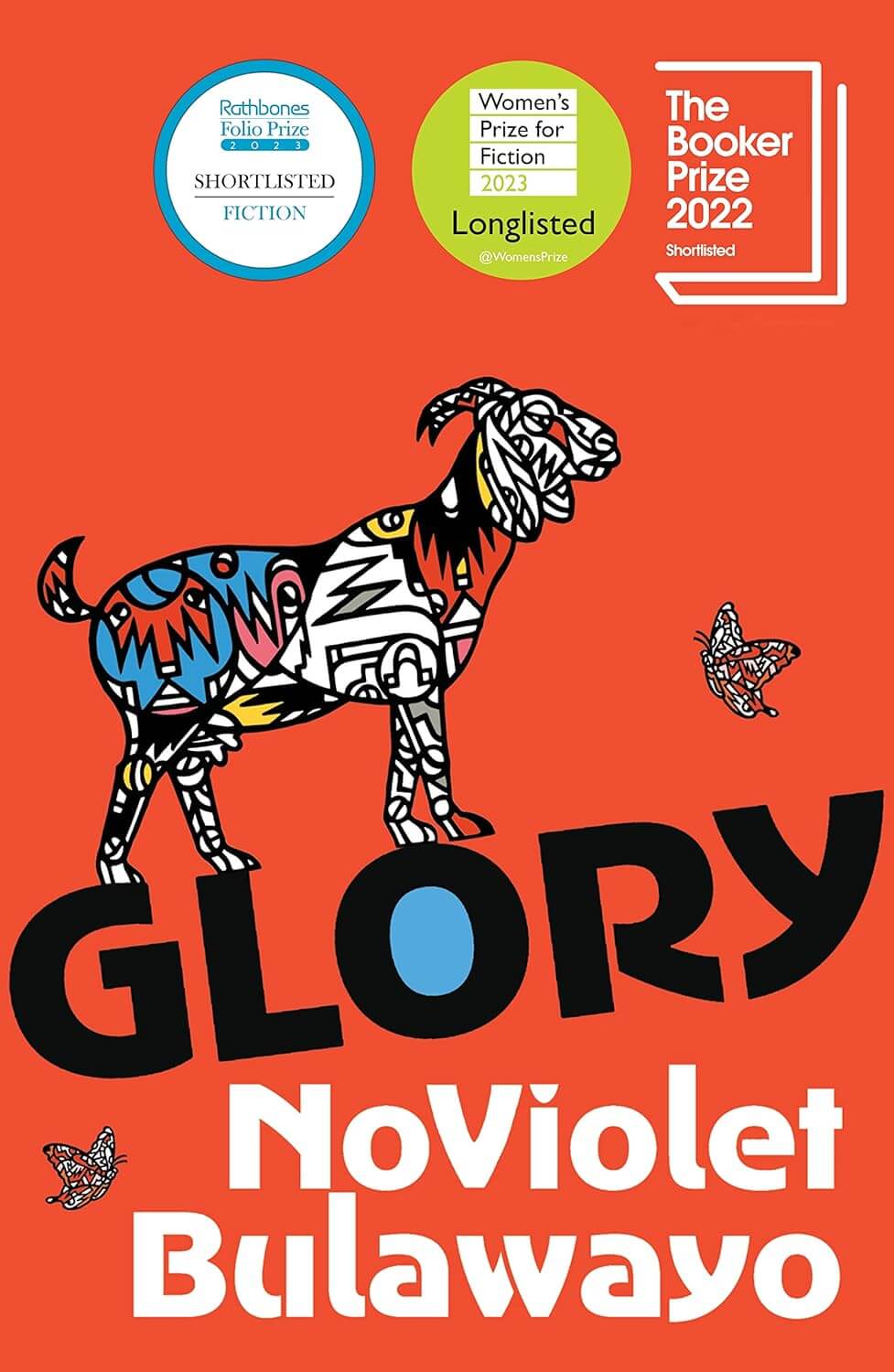
Glory
Shortlisted

Glory

by NoViolet Bulawayo

Inspired by the fall of Robert Mugabe, Glory is a satirical animal-allegory set in the fictional nation of Jidada. Bulawayo uses her inventive cast — horses, goats, dogs, and more — to explore revolution, authoritarianism, and collective awakening. Behind the humour lies a sharp critique of political corruption and the cyclical nature of power. Bulawayo’s language is vibrant, playful, and deeply engaged with Zimbabwean histories and global movements. The novel’s emotional core shines through in moments of grief, resilience, and hope. It is bold, imaginative, and fiercely political.

3.70
Political Satire
Allegorical Fiction
Playful
Bold
Powerful
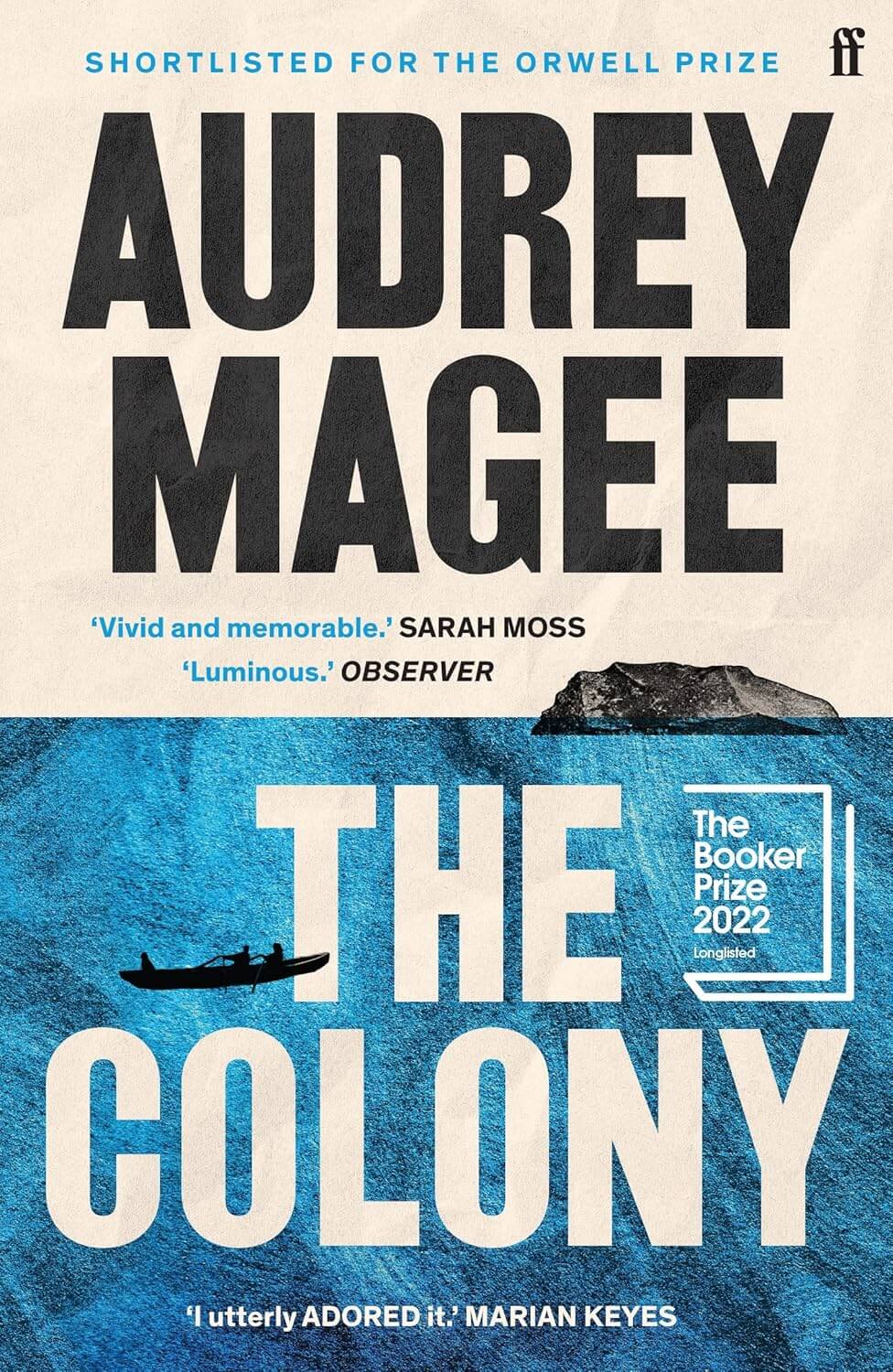
The Colony

The Colony

by Audrey Magee

Audrey Magee’s The Colony is a tense, layered novel examining colonialism, art, and identity on a remote Irish island. When an English painter and French linguist arrive seeking inspiration, their presence exposes conflicts old and new. Magee’s prose is crisp and controlled, creating a narrative where personal desires collide with political histories. The novel explores language, ownership, and cultural preservation with nuance and sharp insight. Violence — physical, symbolic, and historical — lurks beneath the surface of every interaction. It is a compelling, unsettling exploration of how power is enacted and resisted.

4.10
Literary Fiction
Political Fiction
Tense
Intellectual
Atmospheric
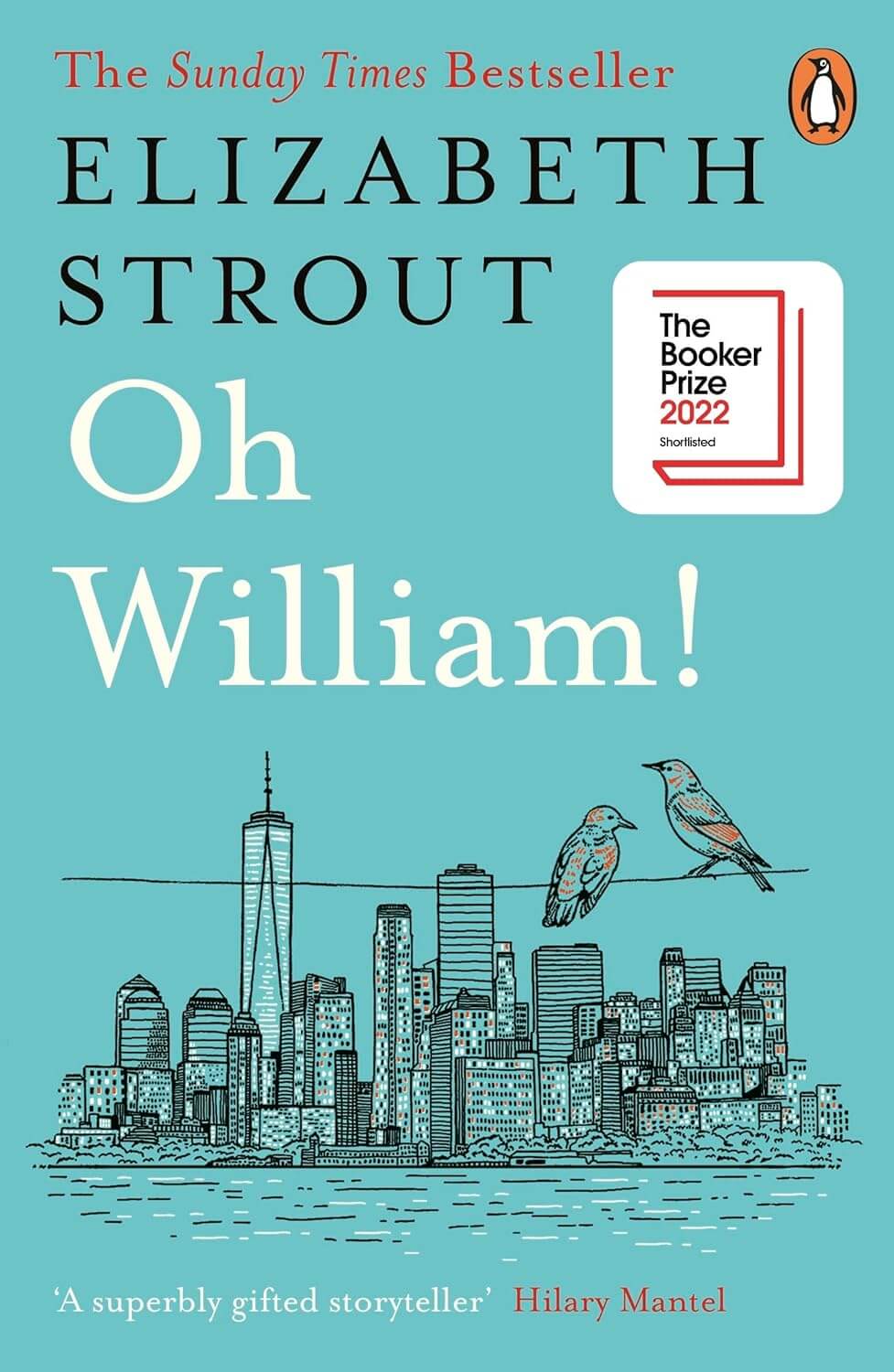
Oh William!
Shortlisted

Oh William!

by Elizabeth Strout

Strout returns to Lucy Barton with her trademark clarity and compassion. In Oh William! Lucy reflects on her complicated first husband as they embark on a journey that unearths unexpected family secrets. Strout’s prose is deceptively simple, capturing the complexity of love, friendship, and lingering attachment. Her voice is intimate and wise, inviting readers into Lucy’s reflections with warmth and vulnerability. The novel reveals how relationships evolve over a lifetime, often in ways we barely understand. It is gentle, insightful, and quietly profound.

3.86
Literary Fiction
Gentle
Reflective
Warm
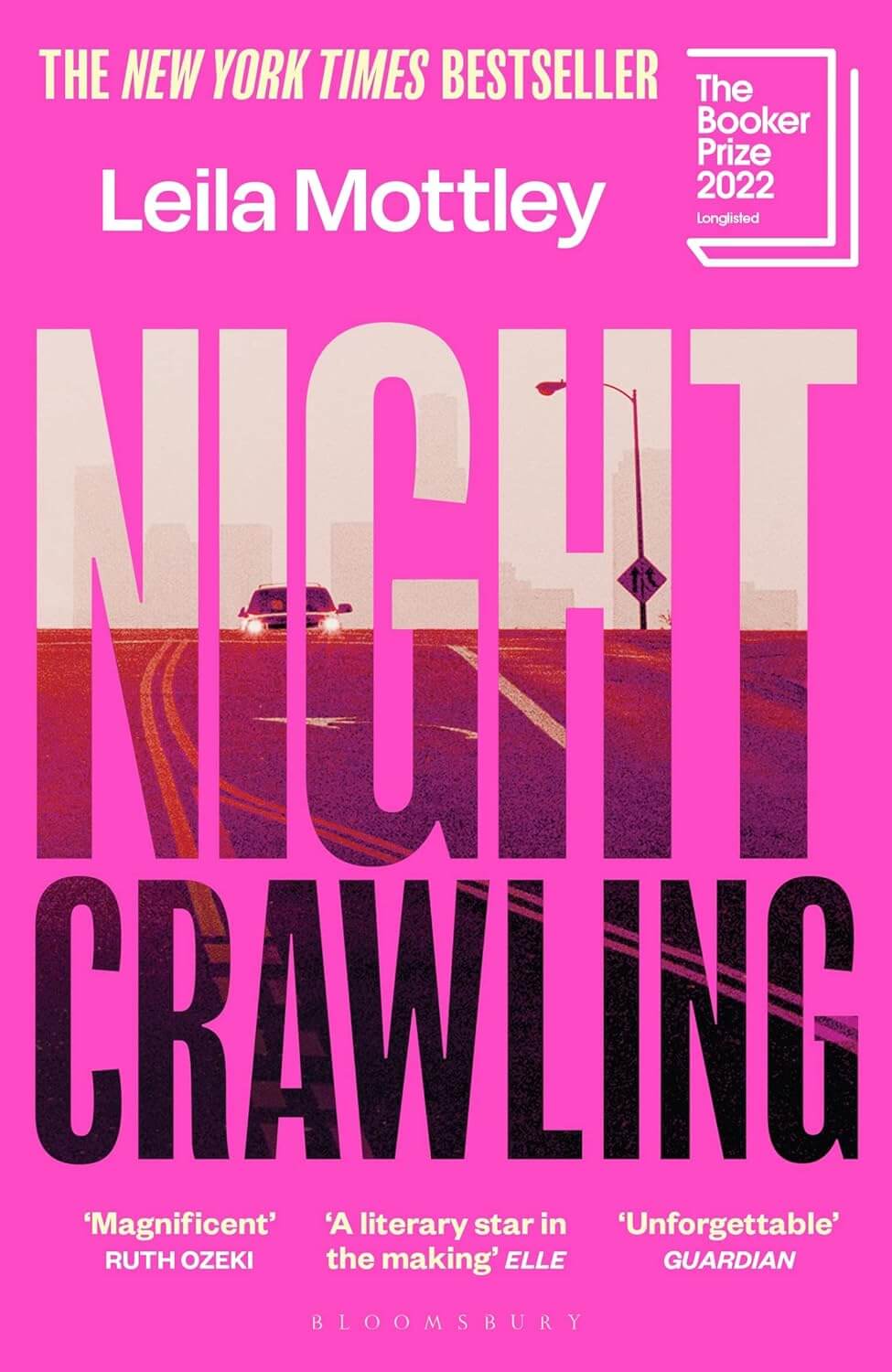
Nightcrawling

Nightcrawling

by Leila Mottley

Written by Leila Mottley at just seventeen, Nightcrawling is a raw and deeply empathetic portrait of survival in Oakland. Kiara, a young Black woman forced into sex work to keep her family afloat, becomes entangled in a police corruption scandal. Mottley’s prose is lyrical yet unflinching, capturing the vulnerability, resilience, and emotional complexity of her protagonist. The novel explores systemic poverty, exploitation, and the failures of social infrastructure with maturity far beyond the author’s years. Kiara’s voice is unforgettable — fierce, wounded, and full of longing. The book is heartbreaking, courageous, and vital.

3.95
Contemporary Fiction
Social Justice Fiction
Intense
Emotional
Gritty
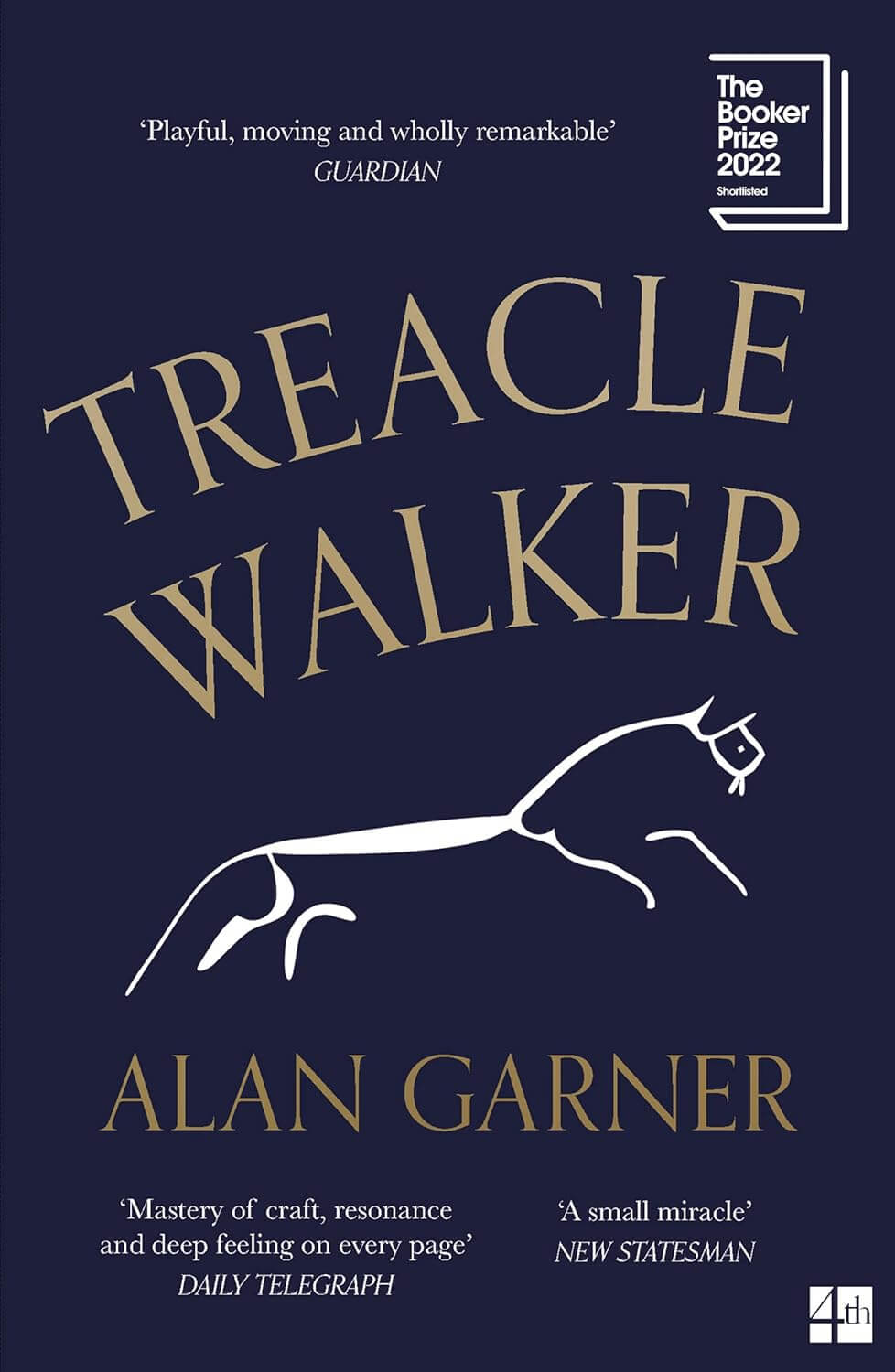
Treacle Walker
Shortlisted

Treacle Walker

by Alan Garner

Alan Garner’s Treacle Walker is a myth-infused, philosophical tale following a boy whose encounter with a mysterious wanderer opens gateways into folklore and metaphysics. Garner blends children’s-story simplicity with profound themes of time, vision, and transformation. His language is rhythmic, enigmatic, and steeped in traditional lore. The novella invites multiple interpretations, rewarding readers who enjoy symbolic and mystical storytelling. Strange, delicate, and hypnotic, it is a unique contribution to contemporary British fiction.

3.12
Mythic Fiction
Literary Fiction
Dreamlike
Enigmatic
Philosophical
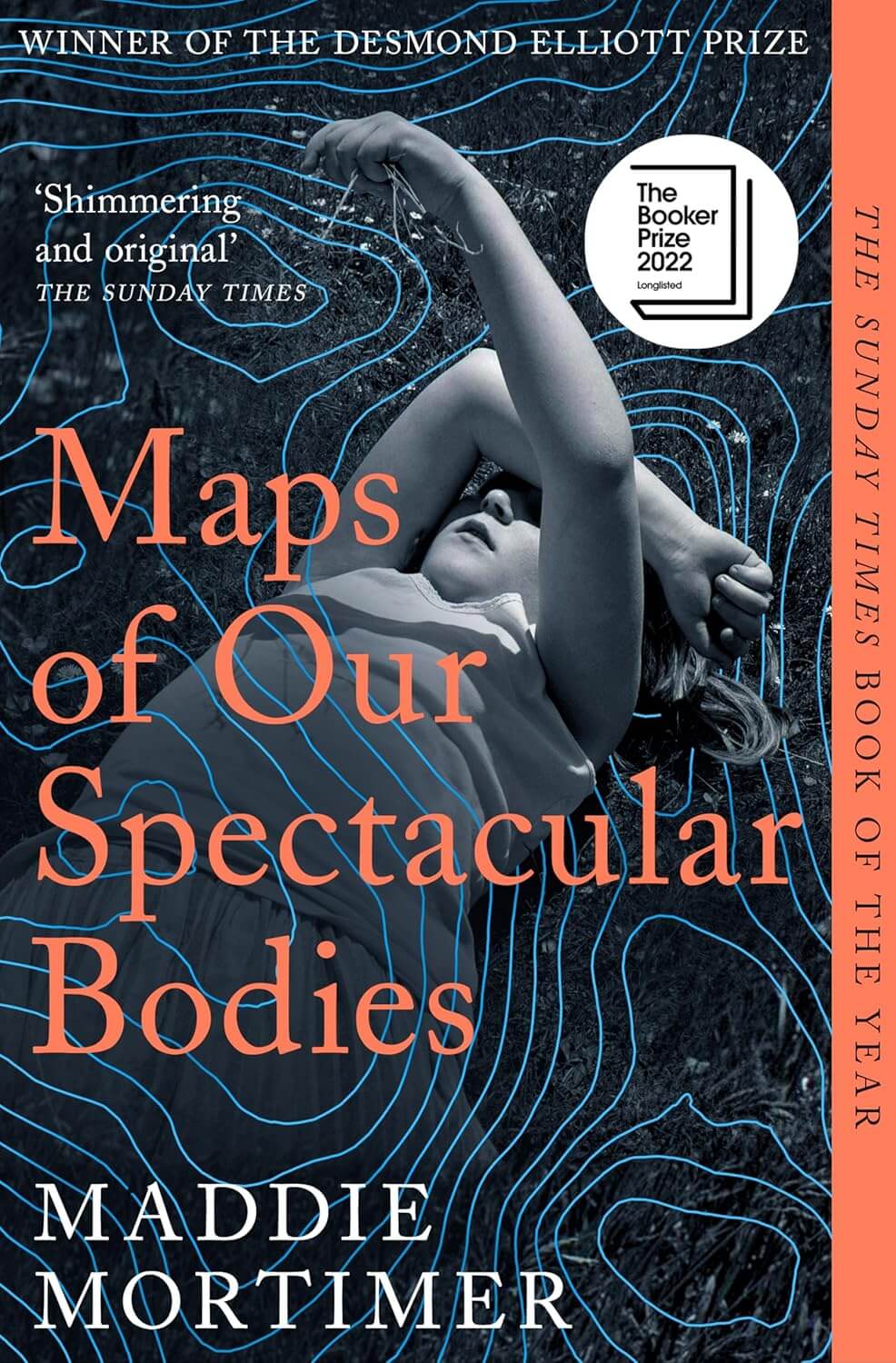
Maps of Our Spectacular Bodies

Maps of Our Spectacular Bodies

by Maddie Mortimer

Mortimer’s debut is a stylistically daring novel that follows a woman living with terminal illness while blending poetry, typography, and shifting perspectives. The narrative unfolds both in her external world and inside her body, where illness itself becomes a voice. Mortimer explores family, identity, and memory with tenderness and imaginative flair. Her experimental form enhances rather than distracts, creating a visceral reading experience. It is heartbreaking yet full of life, offering a meditation on mortality that feels intimate and expansive. A luminous, daring work.

3.96
Experimental Fiction
Literary Fiction
Lyrical
Emotional
Innovative
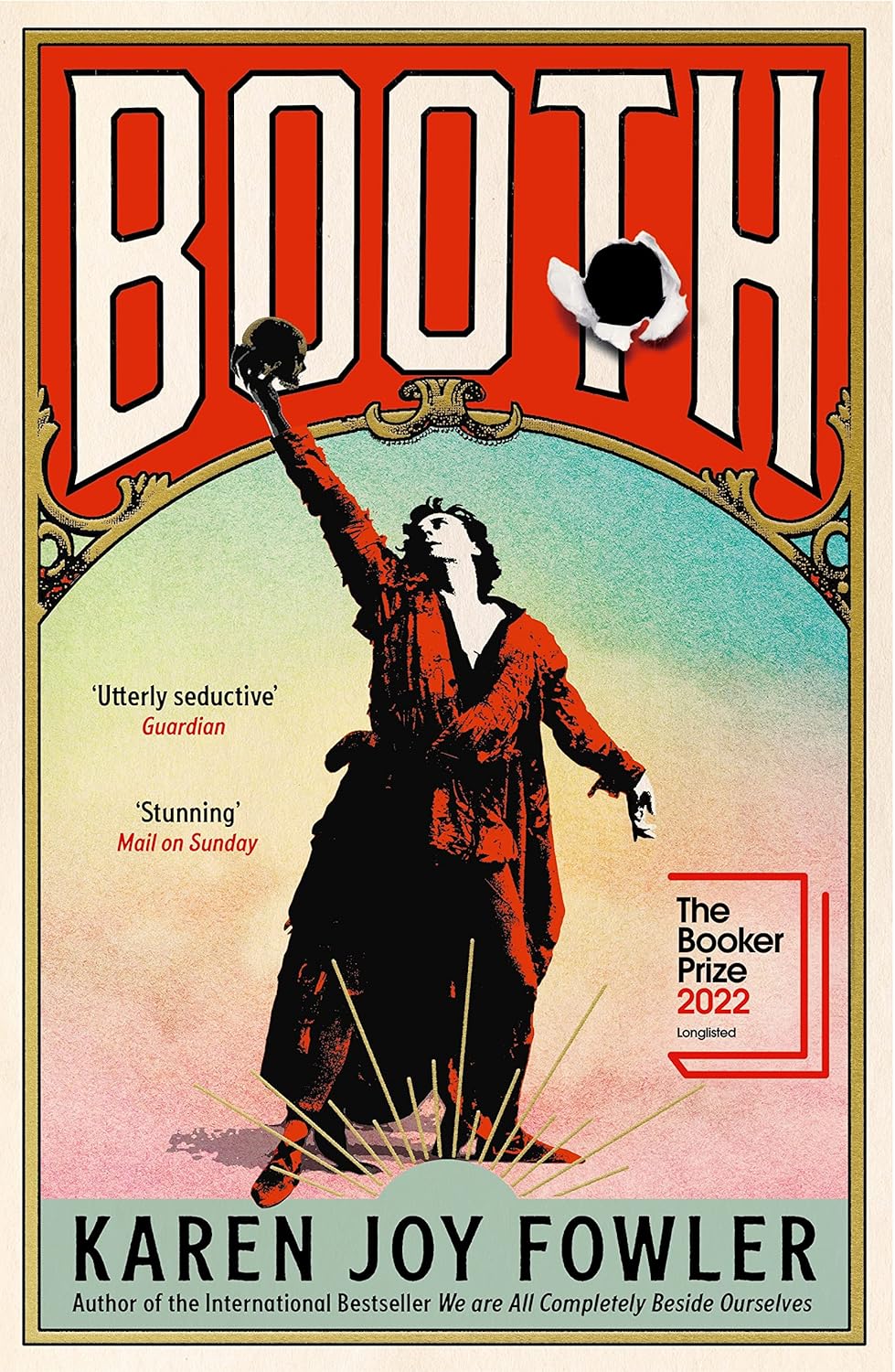
Booth

Booth

by Karen Joy Fowler

Fowler’s Booth is an expansive historical novel about the family of John Wilkes Booth, the assassin who killed Abraham Lincoln. Rather than focusing on the act itself, Fowler traces the hopes, fractures, and failures that shaped a family living through America’s turbulent 19th century. Her meticulous research brings depth to each sibling’s perspective, revealing how personal and national histories intertwine. The novel examines ambition, loyalty, and the making of an extremist. It is rich, tragic, and morally searching — a sweeping portrait of a family shadowed by infamy.

3.83
Historical Fiction
Epic
Thoughtful
Somber
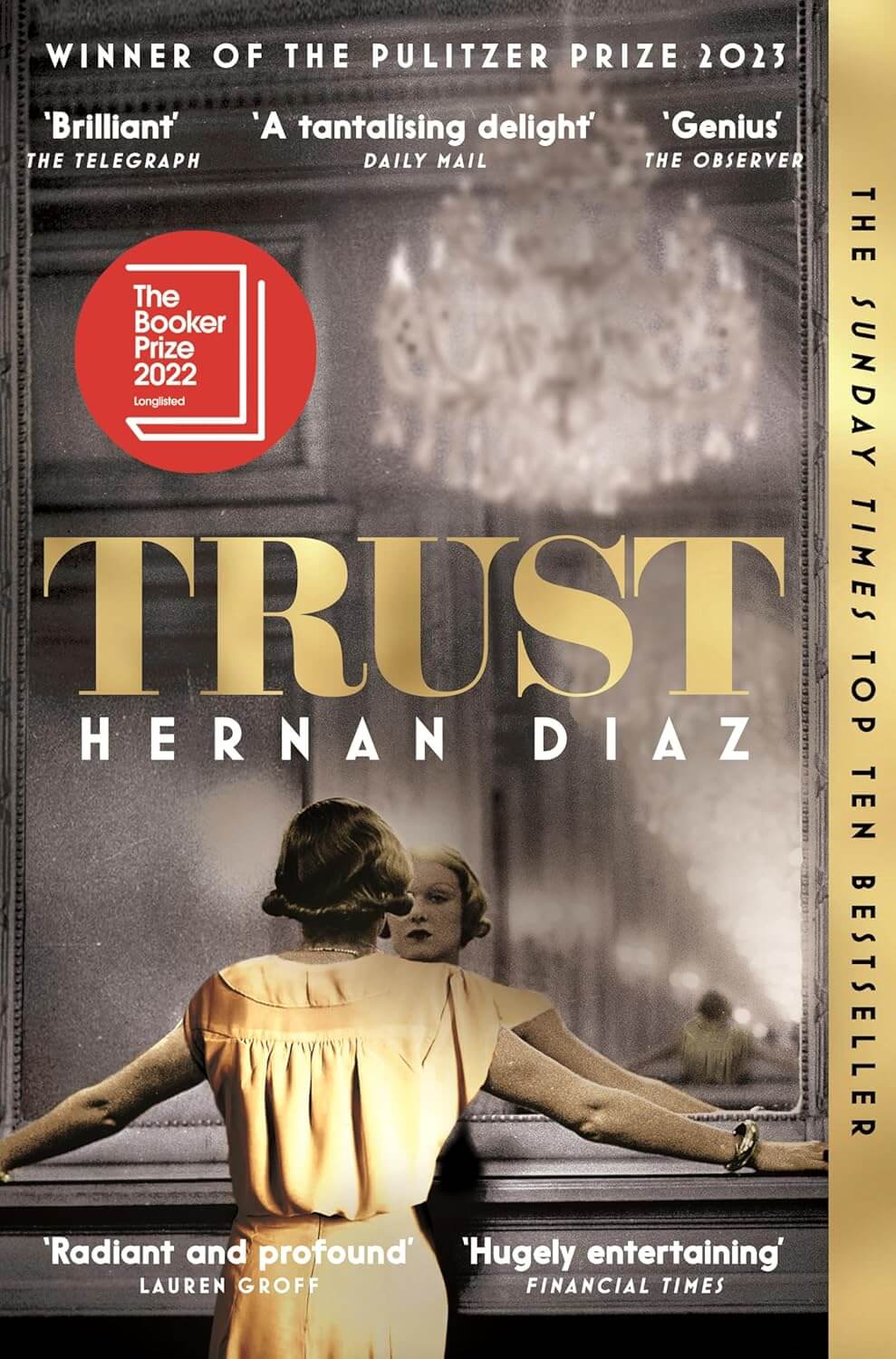
Trust

Trust

by Hernan Diaz

Hernan Diaz’s Trust is an intricate, multi-layered novel about wealth, mythmaking, and narrative control in early 20th-century America. Told through four conflicting texts — including a faux biography and a memoir — the book reveals how those with power manipulate stories to shape public perception. Diaz’s structure is brilliant, gradually exposing the gaps and lies that allow fortunes to flourish. The novel examines capitalism not only as an economic system but as a storytelling engine. Elegant, gripping, and intellectually invigorating, it is a masterclass in form and thematic ambition.

3.80
Historical Fiction
Metafiction
Intellectual
Elegant
Complex
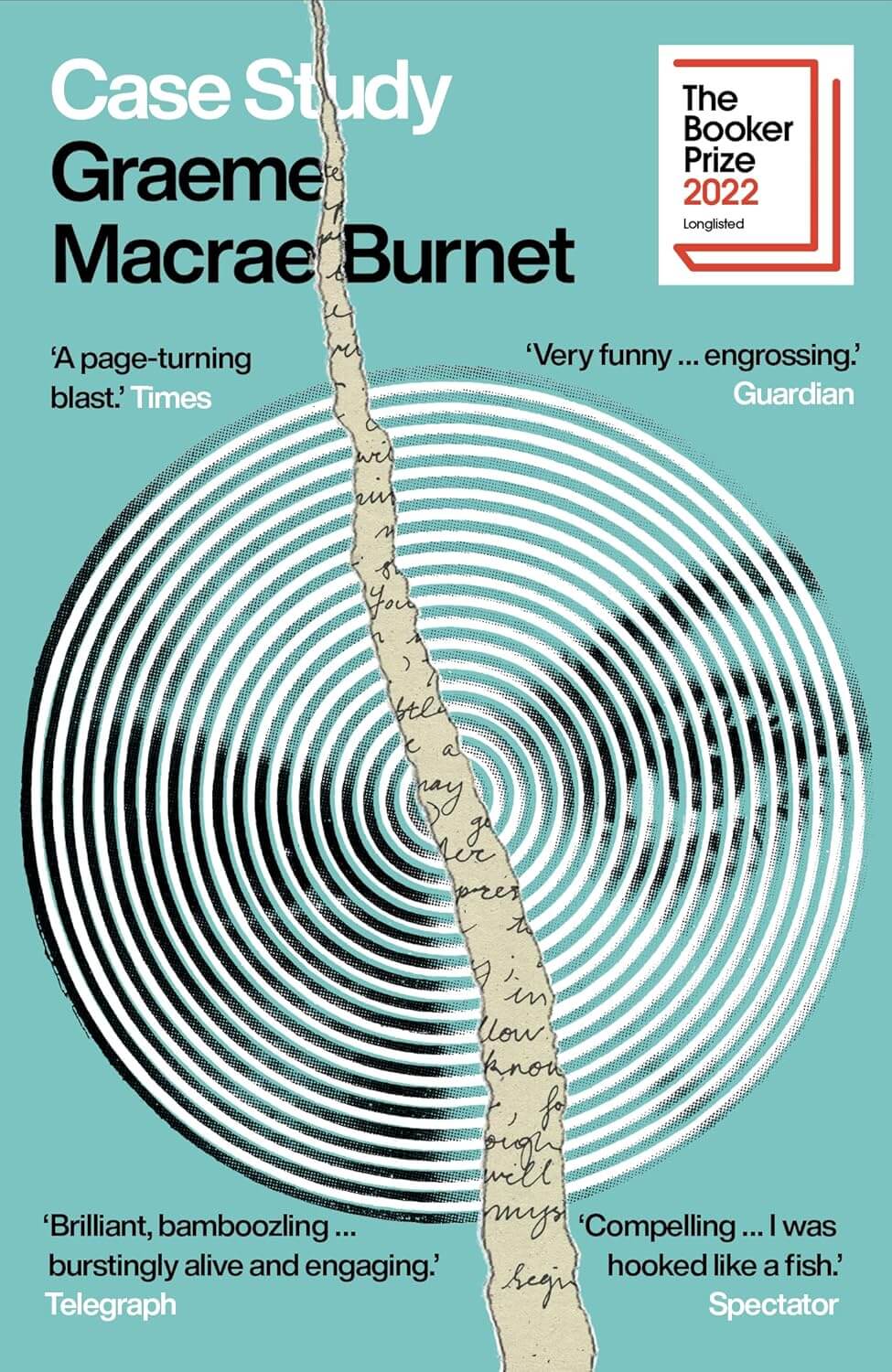
Case Study

Case Study

by Graeme Macrae Burnet

Burnet’s Case Study is a witty, psychologically rich novel presented as a series of notebooks written by a woman investigating a controversial 1960s psychotherapist. The book plays with authenticity, narrative reliability, and the performance of identity. Burnet’s meticulous construction allows readers to question the truth at every turn while enjoying his sly humour. The novel is both a parody of psychoanalytic culture and a sharp exploration of fractured selfhood. It is clever, entertaining, and layered with emotional subtlety.

3.57
Psychological Fiction
Metafiction
Clever
Intriguing
Wry
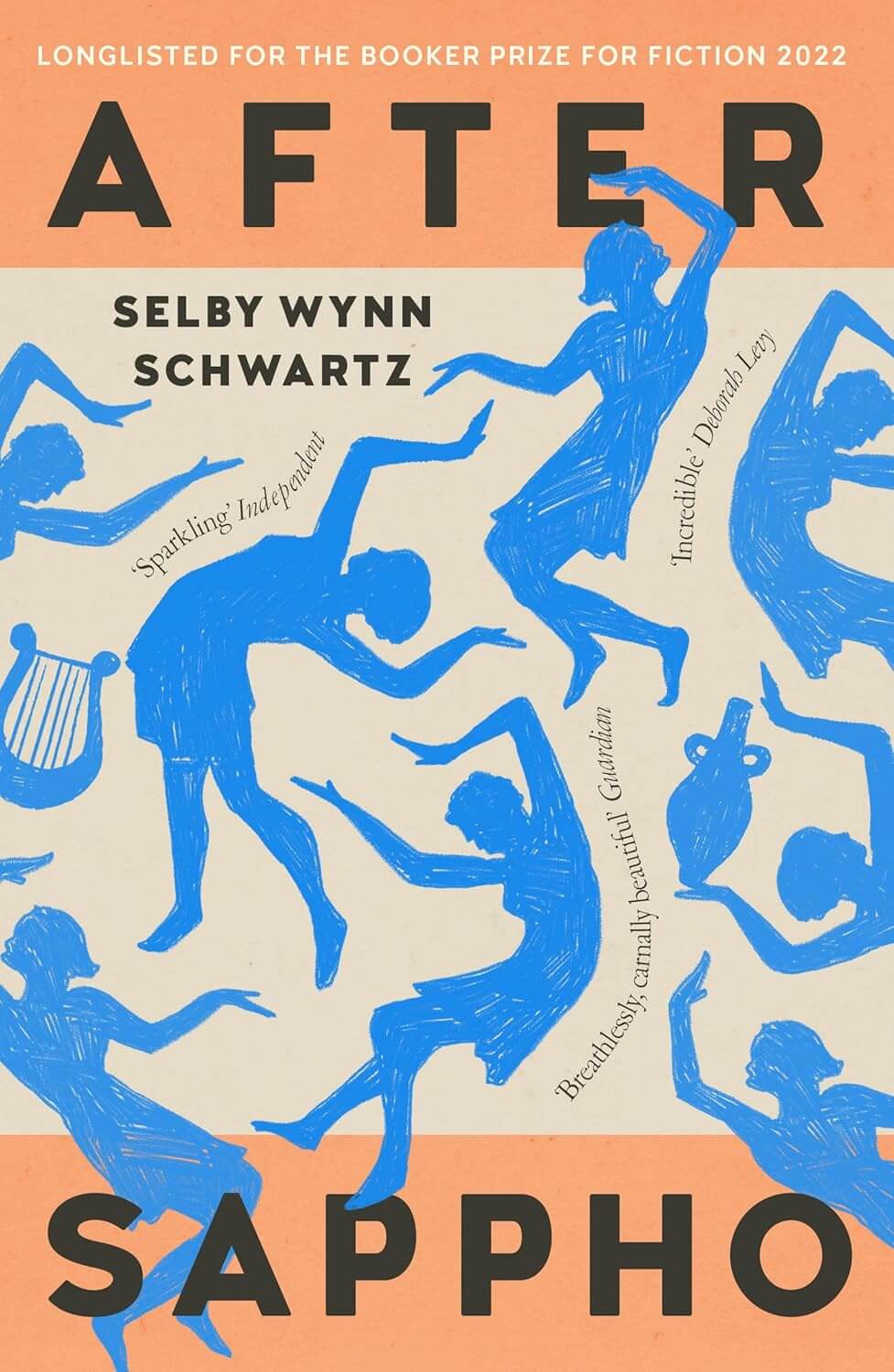
After Sappho

After Sappho

by Selby Wynn Schwartz

Schwartz’s After Sappho is a radiant, genre-defying novel-in-fragments celebrating the lives of women who sought creative, intellectual, and erotic freedom in the late 19th and early 20th centuries. Blending biography, myth, and speculative imagination, Schwartz creates a choral narrative that honours queer lineage. Her prose is poetic and luminous, filled with wit, longing, and fierce joy. The book challenges patriarchal narratives by centring women who refused constraint, forming constellations of solidarity across time. It is a triumphant, beautifully crafted work of art.

3.50
Literary Fiction
Historical Fiction
Experimental
Poetic
Liberatory
Joyful