Booker Prize 2021 Longlist

Thirteen remarkable novels exploring justice, memory, belonging, and the fragile seams of a changing world

The Booker Prize 2021 longlist showcases authors who interrogate the systems that govern our lives — political, emotional, ecological, and existential. These novels traverse continents and eras, illuminating the ways individuals endure upheaval and transformation. Whether through intimate family stories or sweeping historical panoramas, each book asks what it means to live meaningfully in a world shaped by shifting power structures and uncertain futures.

What unites the list is its willingness to take risks with voice, structure, and theme. Some novels probe grief and parental love through the lens of science and wonder; others revisit historical injustices with compassion and clarity; still others follow characters as they navigate digital fragmentation, identity formation, and the tension between inner and outer worlds. Across these works, storytelling becomes a means of survival — a way to uncover truth, confront trauma, and reimagine possibility.

Together, the 2021 longlist forms a rich constellation of human experience. These books challenge readers to look closer at the past, imagine alternate futures, and recognise the quiet but profound ways lives intersect. They are bold, tender, intellectually provocative, and alive with emotional resonance — a testament to fiction’s enduring power to illuminate and inspire.

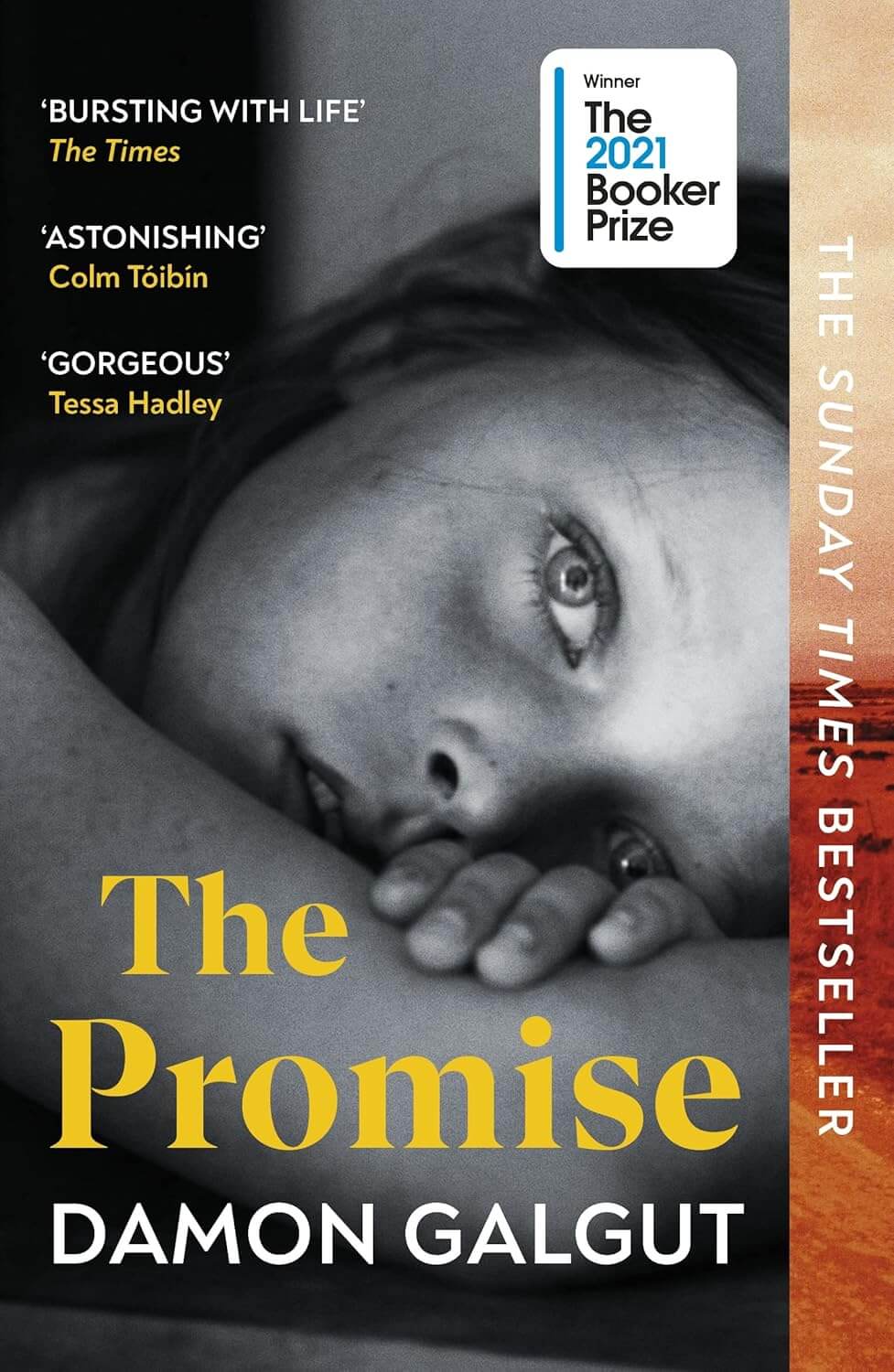
The Promise
Winner

The Promise

by Damon Galgut

Damon Galgut’s The Promise is a brilliantly structured family saga set in post-apartheid South Africa, built around four funerals spanning decades. With scalpel-sharp prose, Galgut exposes the moral decay and unfulfilled commitments haunting the Swart family, whose private failings reflect the nation’s broader, unhealed wounds. The novel blends humour, tragedy, and political insight with remarkable control, shifting viewpoints to create a chorus of perspectives. Galgut’s narrator moves fluidly between intimacy and distance, crafting a narrative that is both unsettling and darkly compelling. At once deeply personal and fiercely political, this Booker-winning novel is a masterwork of form and commentary.

3.85
Literary Fiction
Political Fiction
Somber
Incisive
Reflective
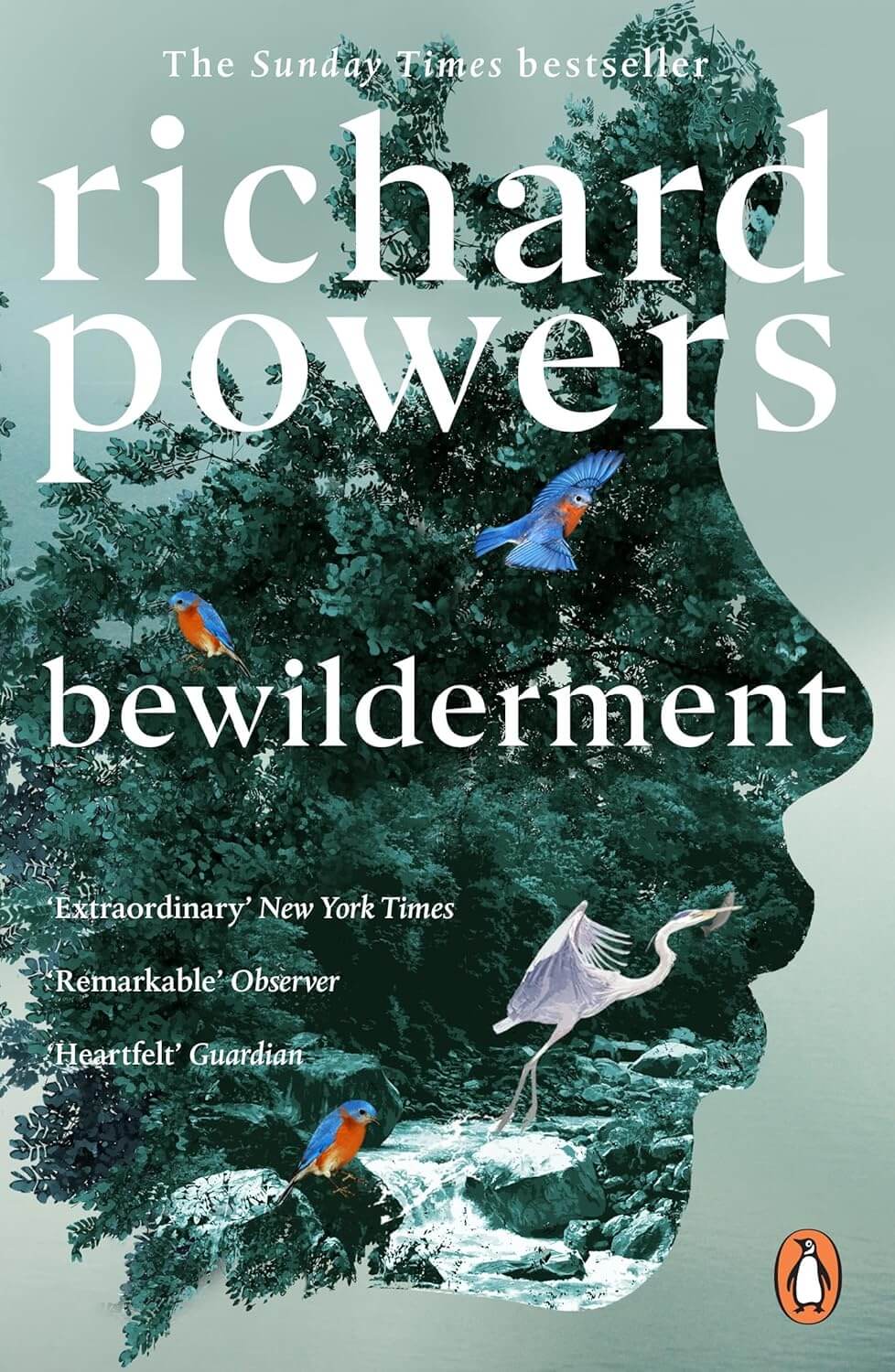
Bewilderment
Shortlisted

Bewilderment

by Richard Powers

Richard Powers’s Bewilderment is a profound story about a widowed astrophysicist and his neurodivergent son, whose emotional world becomes intertwined with experimental therapy and cosmic wonder. Powers juxtaposes planetary fragility with parental love, crafting a narrative that is equal parts scientific meditation and intimate portrait. The novel grapples with environmental collapse, political division, and the ethical boundaries of neuroscience. Yet at its core is a tender exploration of grief, imagination, and vulnerability. Powers writes with lyrical intensity, inviting readers to marvel at both the universe and the interior lives of its inhabitants.

3.91
Literary Fiction
Speculative Fiction
Lyrical
Emotional
Contemplative
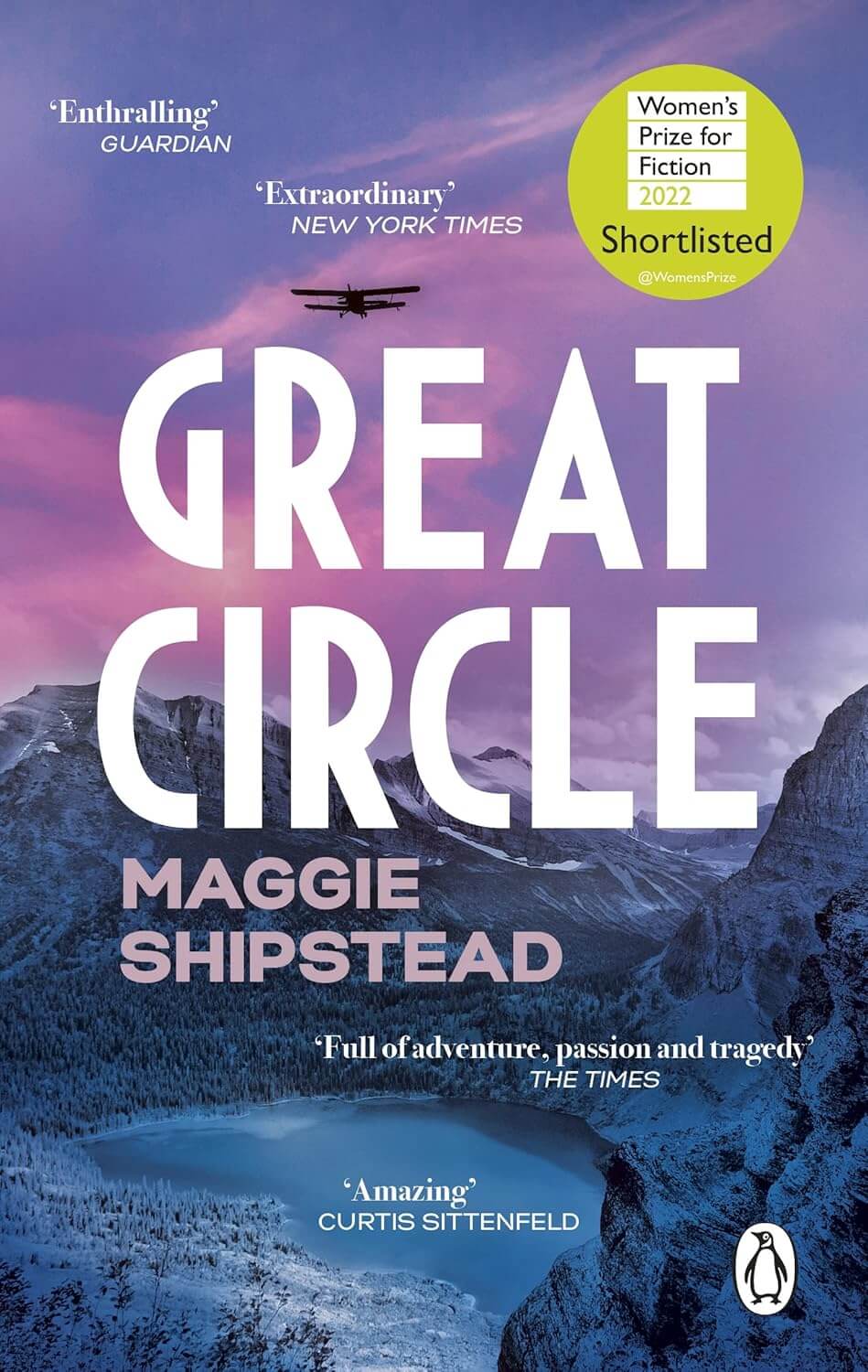
Great Circle
Shortlisted

Great Circle

by Maggie Shipstead

Shipstead’s sweeping epic follows Marian Graves, an aviator determined to circumnavigate the globe, alongside a modern actress resurrecting Marian’s story for a film. Shipstead moves effortlessly between decades and continents, rendering both narratives with vivid detail and emotional depth. The novel explores ambition, reinvention, and the quest for freedom with a sense of vastness worthy of its subject. Shipstead’s characters are complex and magnetic, and her prose is confident, textured, and expansive. Great Circle is both a grand adventure and a meditation on the stories we inherit and reshape.

4.09
Historical Fiction
Epic Fiction
Epic
Adventurous
Reflective
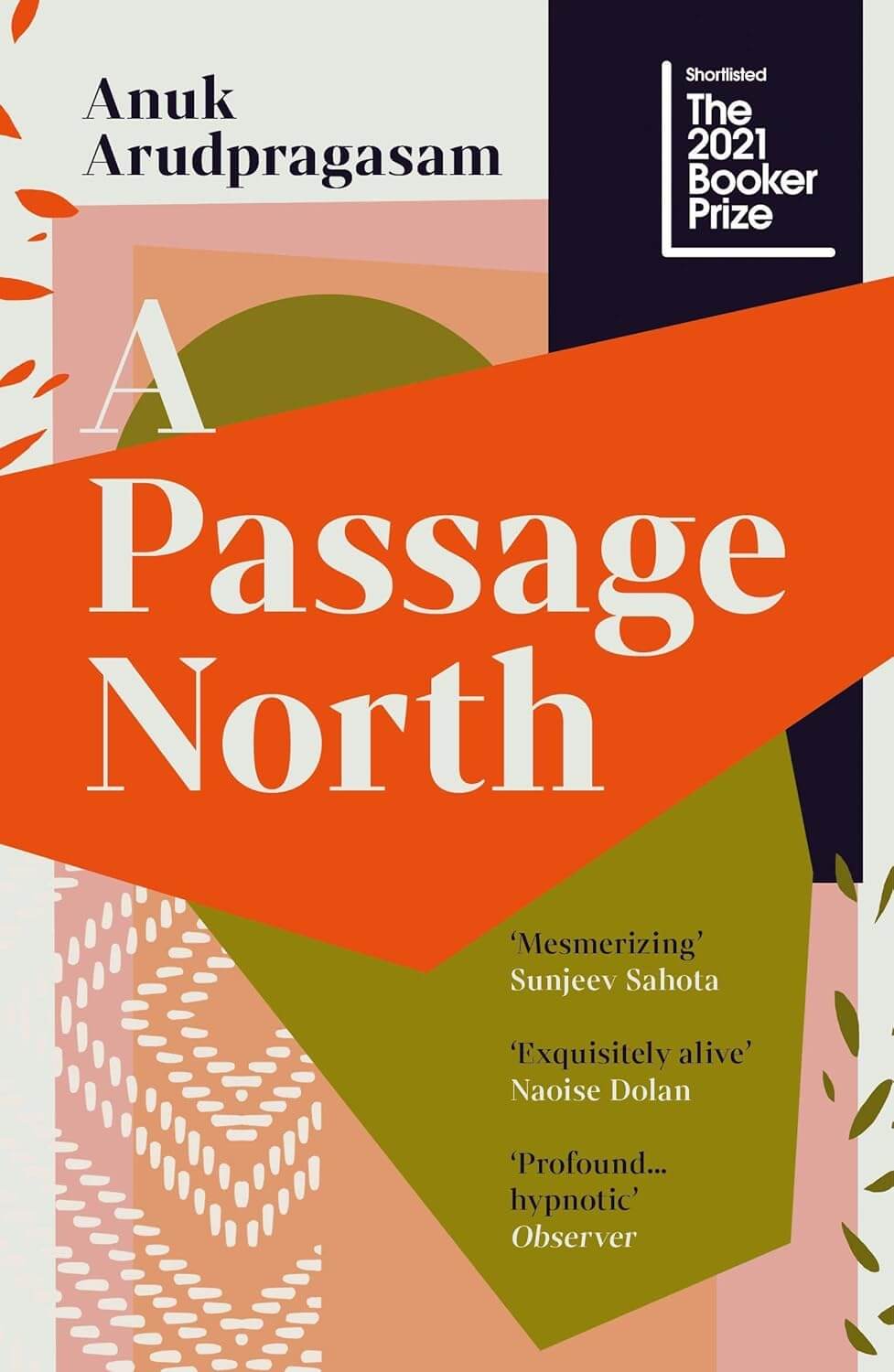
A Passage North
Shortlisted

A Passage North

by Anuk Arudpragasam

Arudpragasam’s contemplative novel follows Krishan as he travels across Sri Lanka for a funeral, prompting reflections on the country’s civil war and his own emotional life. The narrative unfolds with meditative precision, blending political history with philosophical rumination. Arudpragasam’s prose is elegant and slow-burning, attentive to memory, longing, and the lingering effects of conflict. The novel grapples with responsibility, love, and the limits of understanding in the wake of violence. It is both intimate and expansive, a profound work of inward looking fiction.

3.70
Literary Fiction
Political Fiction
Contemplative
Somber
Philosophical
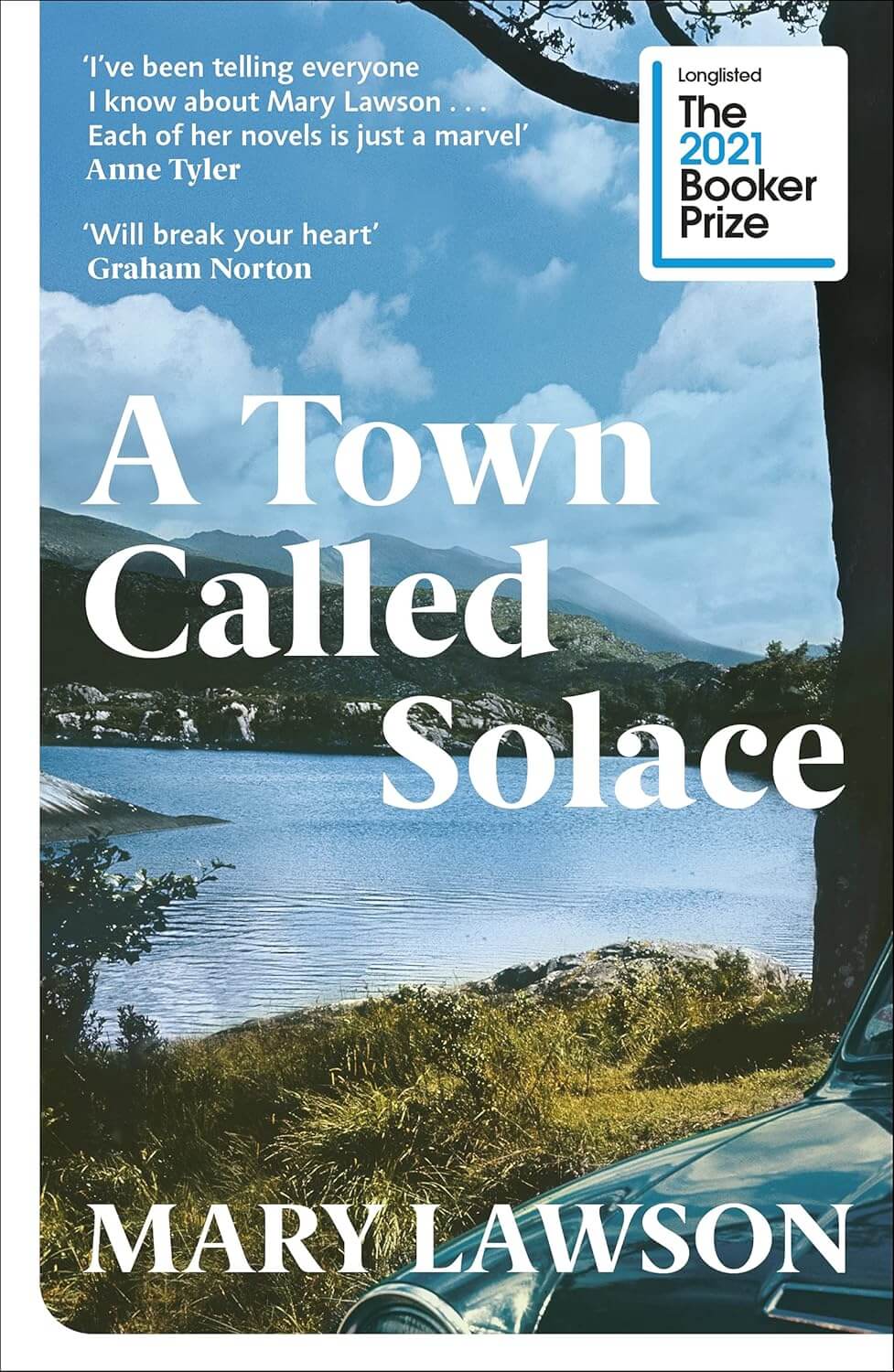
A Town Called Solace

A Town Called Solace

by Mary Lawson

Mary Lawson’s novel intertwines the lives of three characters in a small Canadian town: a missing girl, her grieving sister, and the man who has unexpectedly inherited a neighbour’s house. Lawson writes with clarity and compassion, crafting a narrative that explores guilt, forgiveness, and the quiet complexities of rural life. The story unfolds with gentle suspense, revealing how loneliness and connection shape ordinary lives. Lawson’s strength lies in creating characters who feel profoundly real, their emotional worlds rendered with subtlety and warmth.

4.01
Literary Fiction
Warm
Tender
Reflective
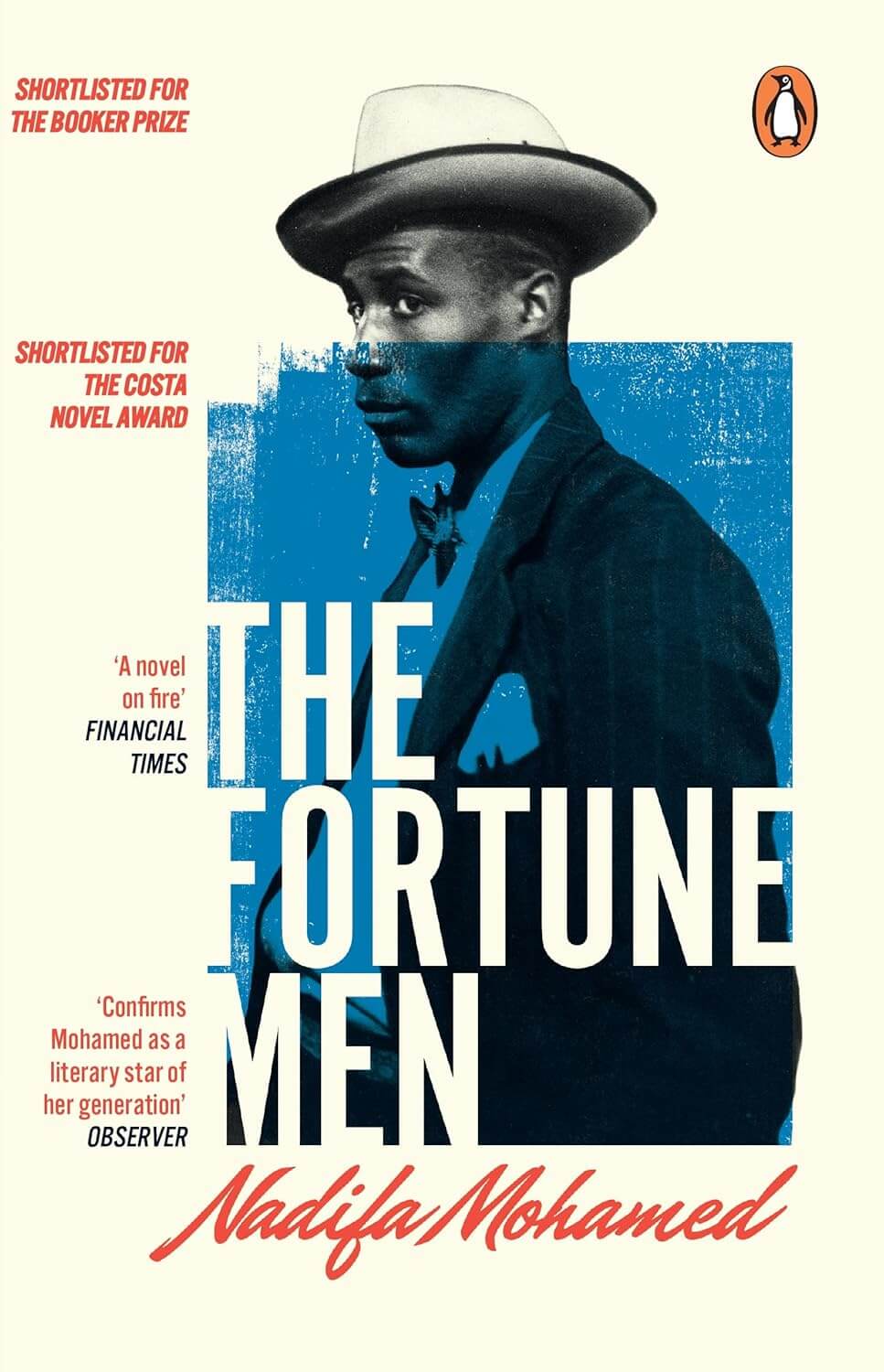
The Fortune Men
Shortlisted

The Fortune Men

by Nadifa Mohamed

Based on the true story of Mahmood Mattan, a Somali sailor wrongfully accused of murder in 1950s Cardiff, The Fortune Men is a vivid, compassionate reconstruction of a deeply unjust case. Mohamed brings both the vibrant Tiger Bay community and Mahmood’s inner life to the page with extraordinary empathy. The novel exposes the racism and institutional failures that led to his conviction while honouring his humanity, humour, and resilience. Mohamed’s prose is rich with detail and emotional nuance, making this both a gripping narrative and a vital act of remembrance.

3.79
Historical Fiction
Political Fiction
Somber
Empathetic
Intense
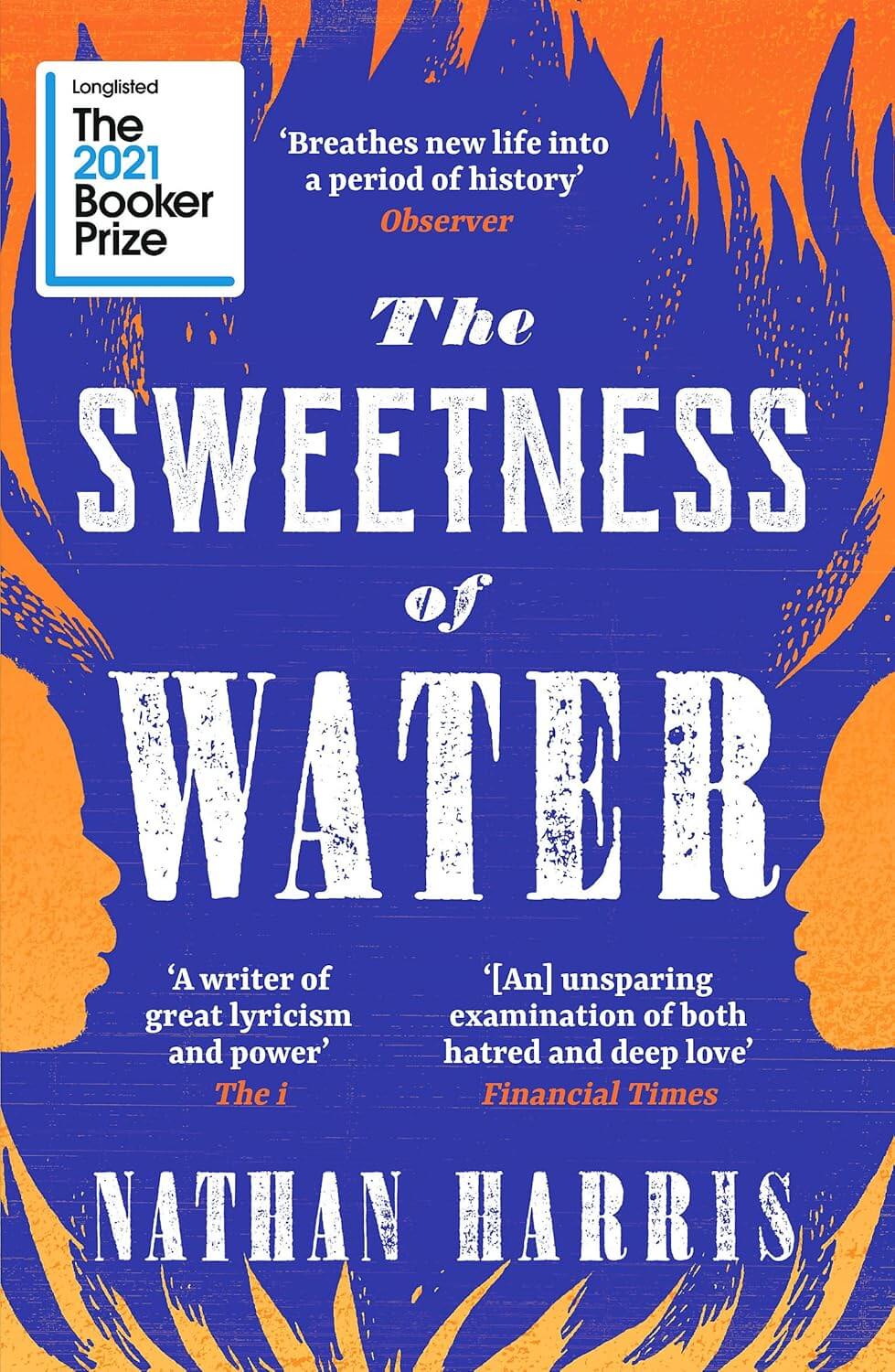
The Sweetness of Water

The Sweetness of Water

by Nathan Harris

Set in the chaotic aftermath of the American Civil War, Nathan Harris’s debut follows two newly freed brothers and a grieving couple who forge an unlikely alliance. Harris depicts the Reconstruction era with nuance, revealing both the promise of newfound freedom and the persistence of violence and suspicion. The narrative intertwines personal longing with collective upheaval, exploring forbidden love, racial tension, and moral courage. His writing is warm yet unflinching, balancing historical detail with emotional depth. The novel feels timeless in its themes of humanity, justice, and resilience.

4.14
Historical Fiction
Moving
Reflective
Atmospheric
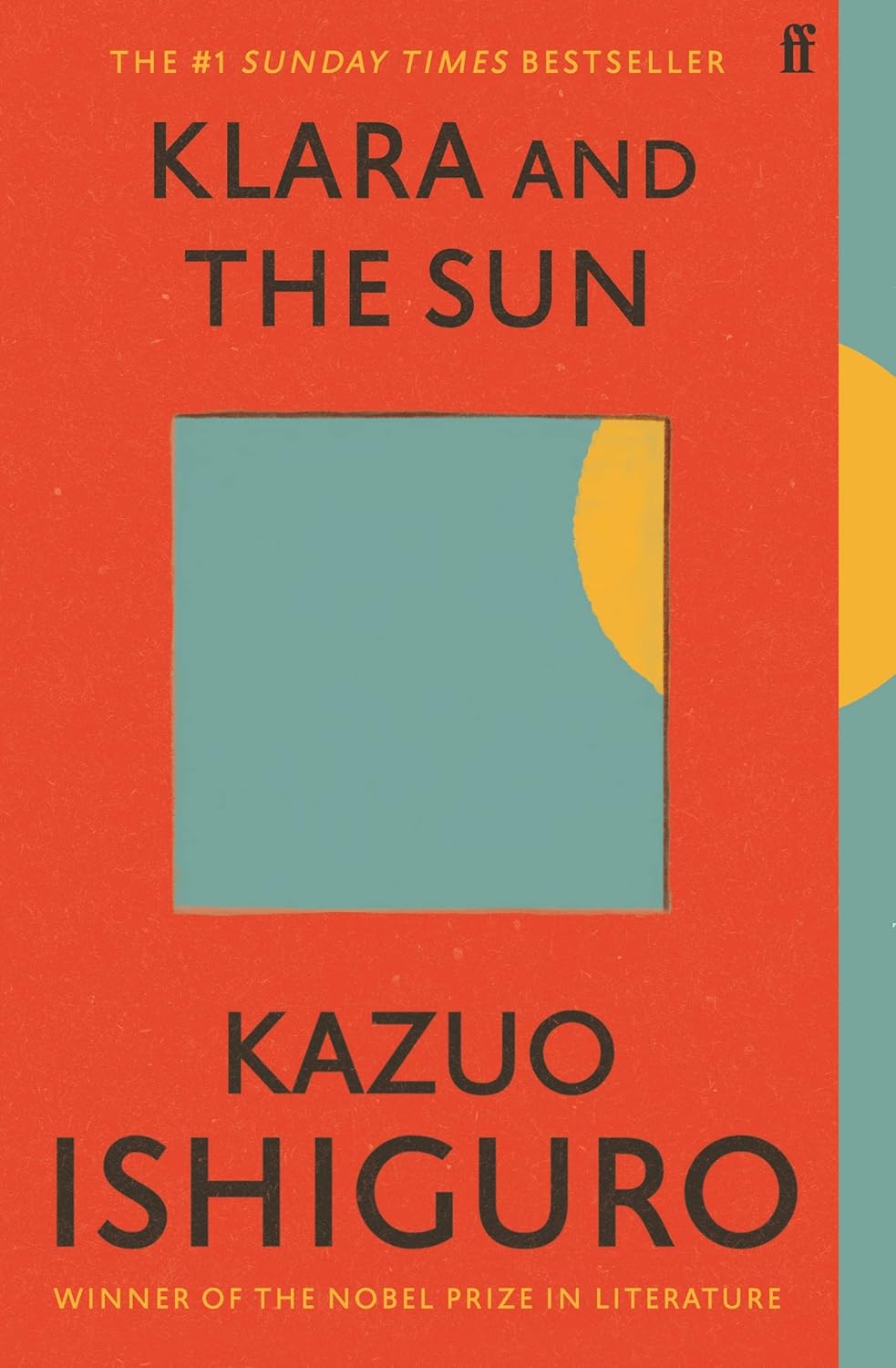
Klara and the Sun

Klara and the Sun

by Kazuo Ishiguro

Ishiguro’s Klara and the Sun is a quietly devastating novel narrated by Klara, an Artificial Friend whose deep capacity for observation challenges what we think we know about consciousness and love. Through Klara’s naive yet piercing viewpoint, Ishiguro examines a society defined by technological inequality and engineered success. The novel’s emotional resonance emerges from its restraint, offering a meditation on loyalty, sacrifice, and the limits of perception. Ishiguro blends speculative elements with timeless human questions, crafting a story that feels both tender and unsettling. It is an elegant reflection on the fragility of connection in an increasingly mechanised world.

3.74
Speculative Fiction
Literary Fiction
Tender
Thoughtful
Melancholic
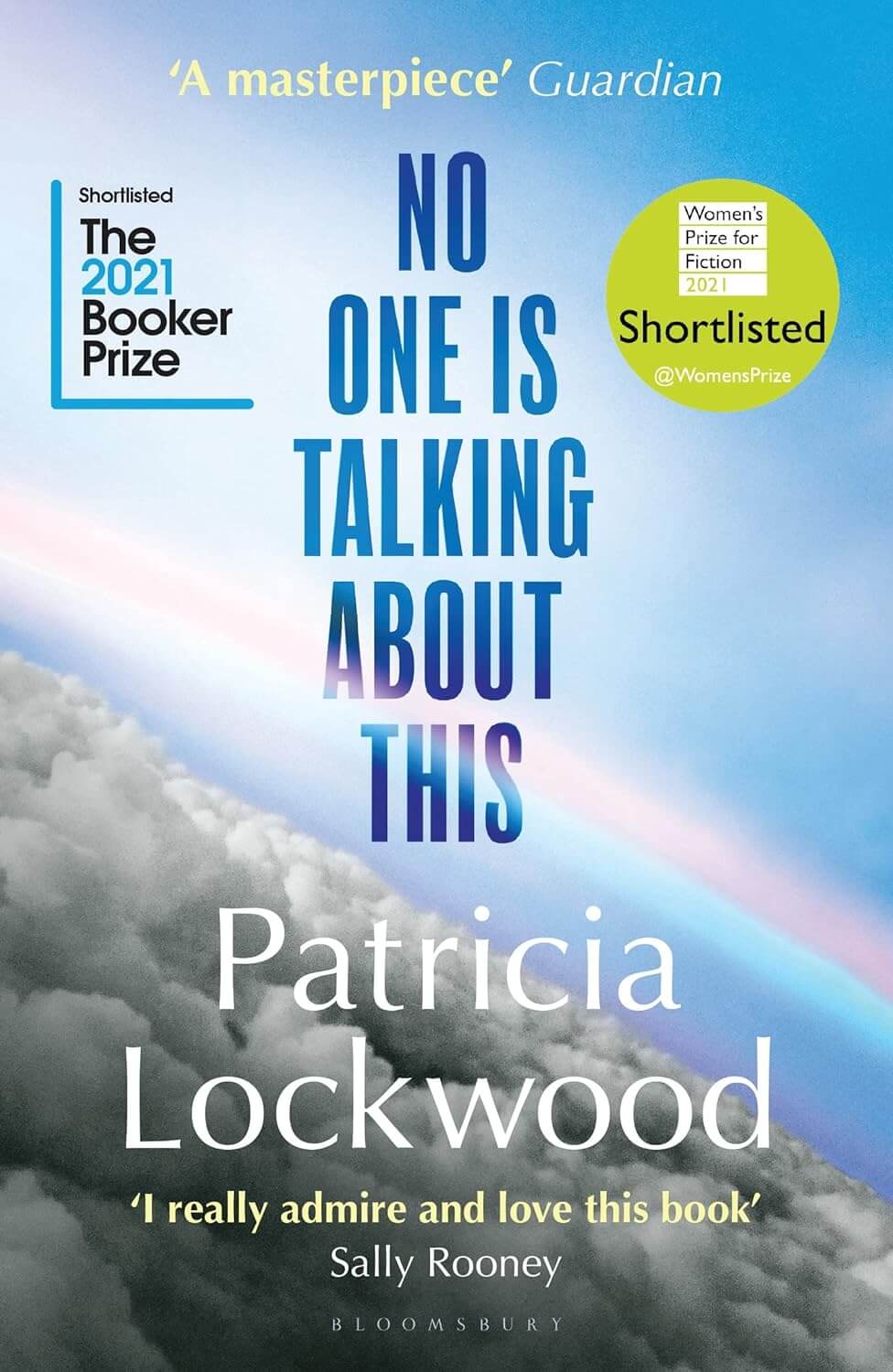
No One Is Talking About This
Shortlisted

No One Is Talking About This

by Patricia Lockwood

Patricia Lockwood’s novel is a startling fusion of internet-saturated humour and devastating emotional honesty. The first half captures the dizzying absurdity of online life through fragmented, meme-infused narration, while the second half shifts sharply into a story of familial crisis and profound tenderness. Lockwood’s ability to pivot from satire to grief is extraordinary, revealing how virtual noise can be pierced by real-world urgency. The result is a novel that interrogates digital culture while reaffirming the primacy of embodied experience. It is innovative, moving, and razor-sharp.

3.55
Experimental Fiction
Contemporary Fiction
Witty
Emotional
Inventive
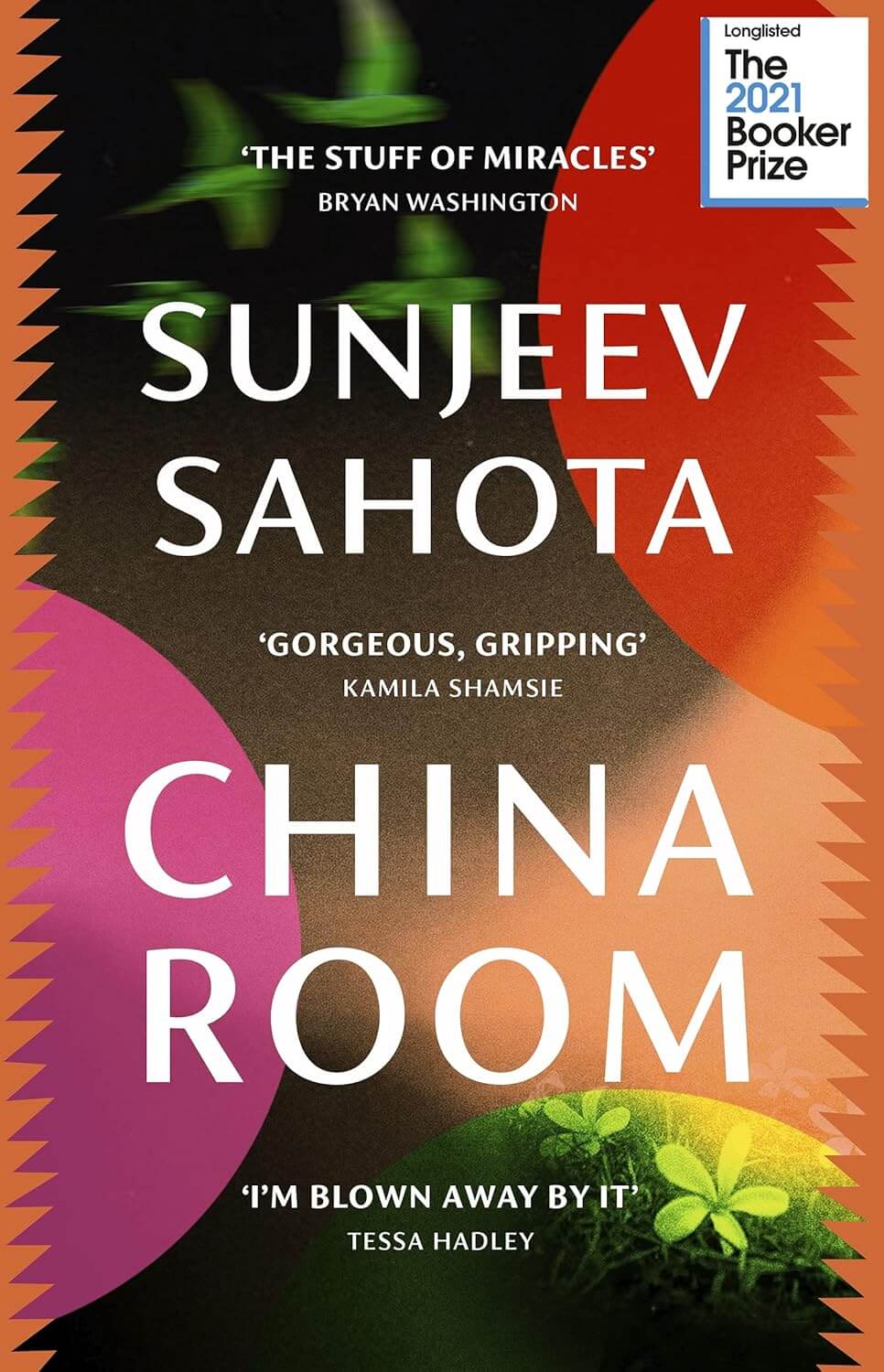
China Room

China Room

by Sunjeev Sahota

Sahota’s China Room weaves together two timelines: a 1929 Punjabi bride trapped in a rigid household and a 1990s British man struggling with addiction who seeks solace in the same rural landscape. The novel examines generational trauma, cultural inheritance, and the search for autonomy. Sahota’s writing is exquisitely controlled, rendering both eras with emotional precision and understated power. The dual narrative invites readers to consider how histories echo across time, shaping identity and longing. It is a beautifully wrought, deeply resonant work.

3.77
Historical Fiction
Literary Fiction
Somber
Intimate
Reflective
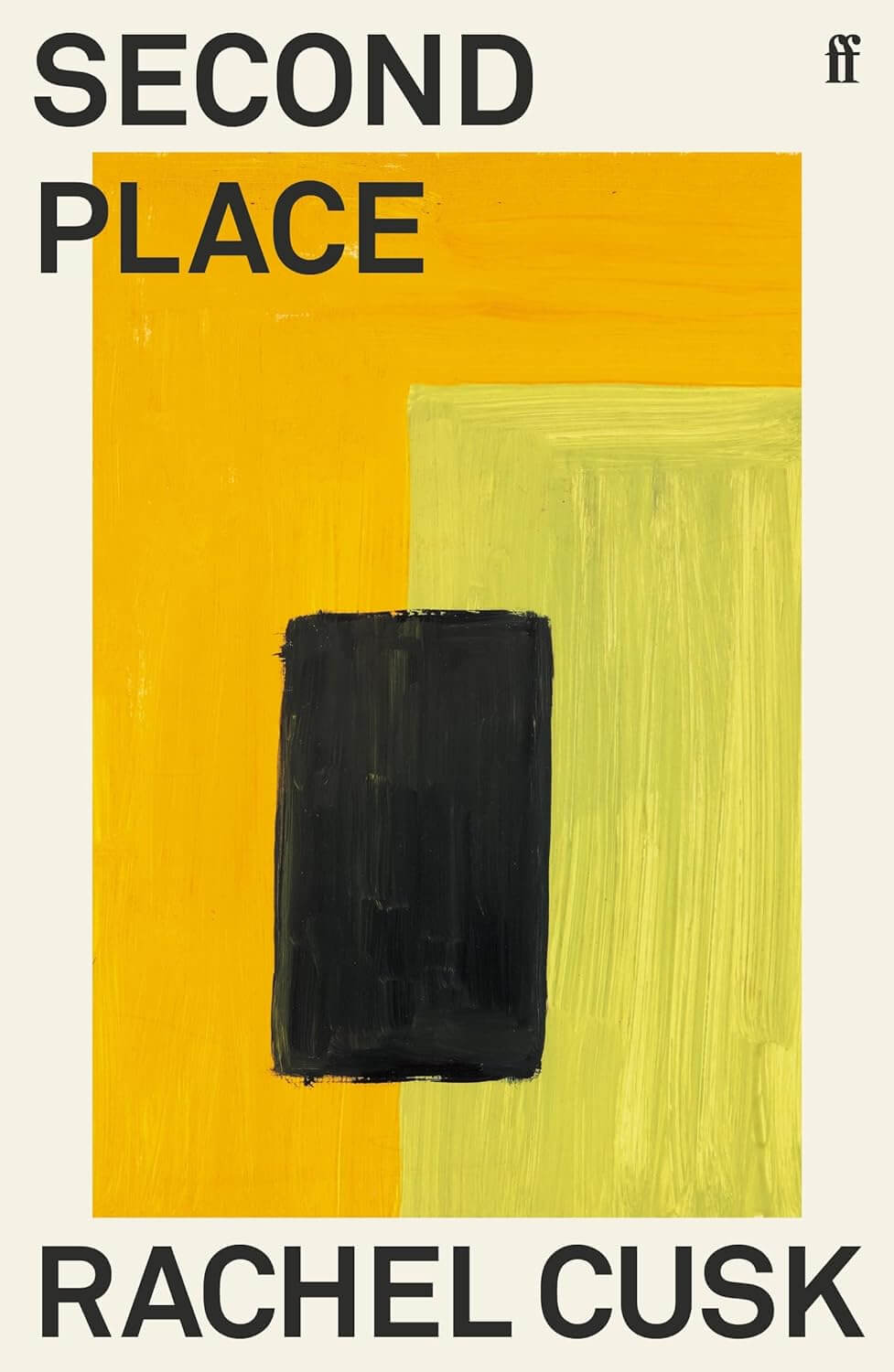
Second Place

Second Place

by Rachel Cusk

In Second Place, Rachel Cusk constructs a taut psychological drama about an artist who invites a celebrated painter to stay at her remote home — only to have the encounter unravel her sense of self. Inspired by Mabel Dodge Luhan’s memoir, the novel interrogates creativity, ego, desire, and the power dynamics embedded in relationships. Cusk’s prose is lucid and unsettling, stripping away illusion to reveal the raw psychology beneath. The book is spare but piercing, a meditation on what we seek from art and from those who make it.

3.67
Literary Fiction
Psychological Fiction
Intellectual
Tense
Reflective
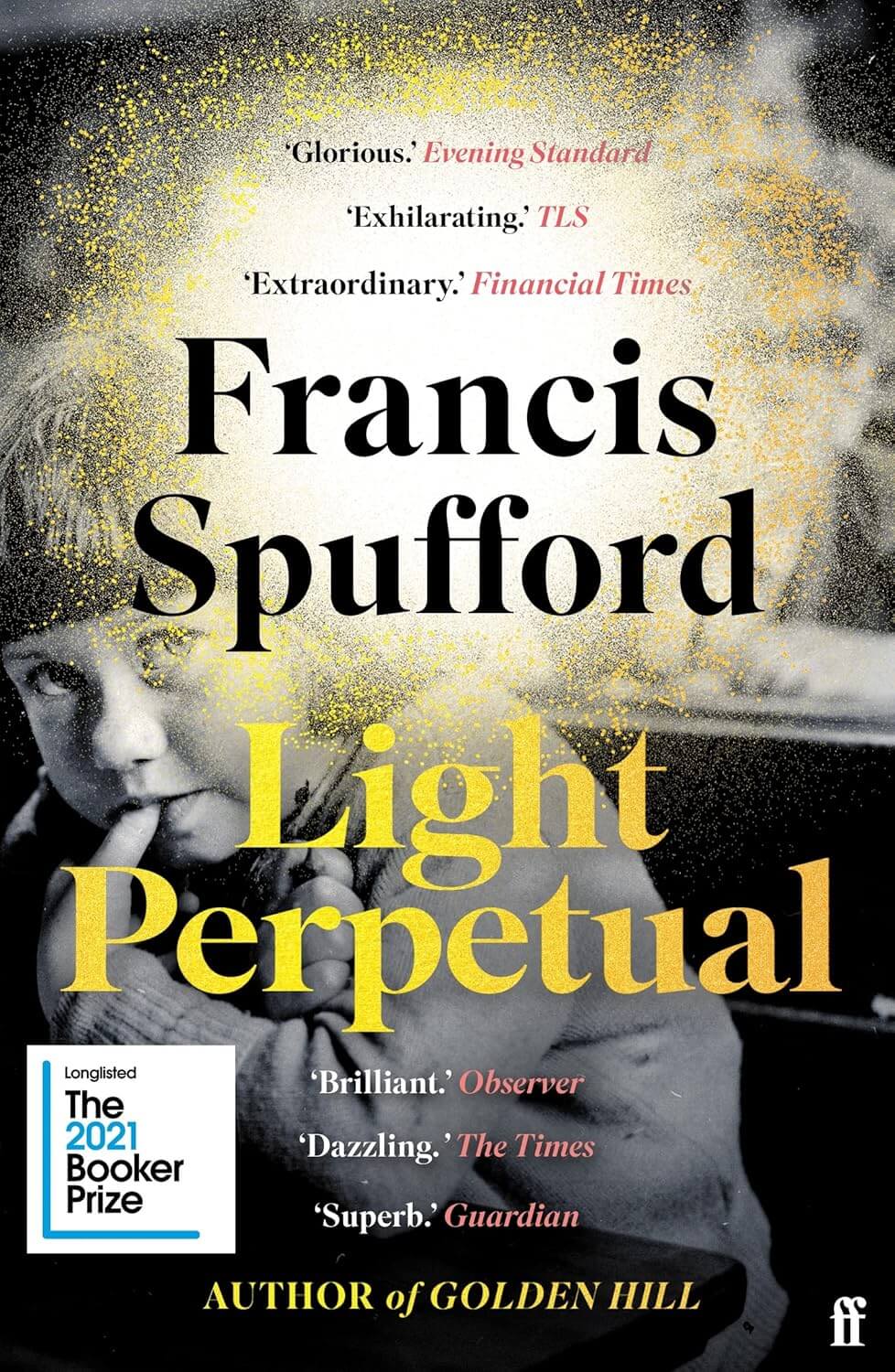
Light Perpetual

Light Perpetual

by Francis Spufford

Spufford’s Light Perpetual begins with the death of five children in a 1944 bombing — then imagines the lives they might have lived had they survived. The novel spans decades, following each imagined life with warmth, intelligence, and emotional depth. Spufford captures the texture of postwar Britain, tracing social change through the intimate experiences of ordinary people. His prose is luminous and compassionate, celebrating the beauty and fragility of existence. The book becomes a meditation on chance, survival, and the infinite branching paths of human life.

3.67
Historical Fiction
Literary Fiction
Warm
Poignant
Expansive
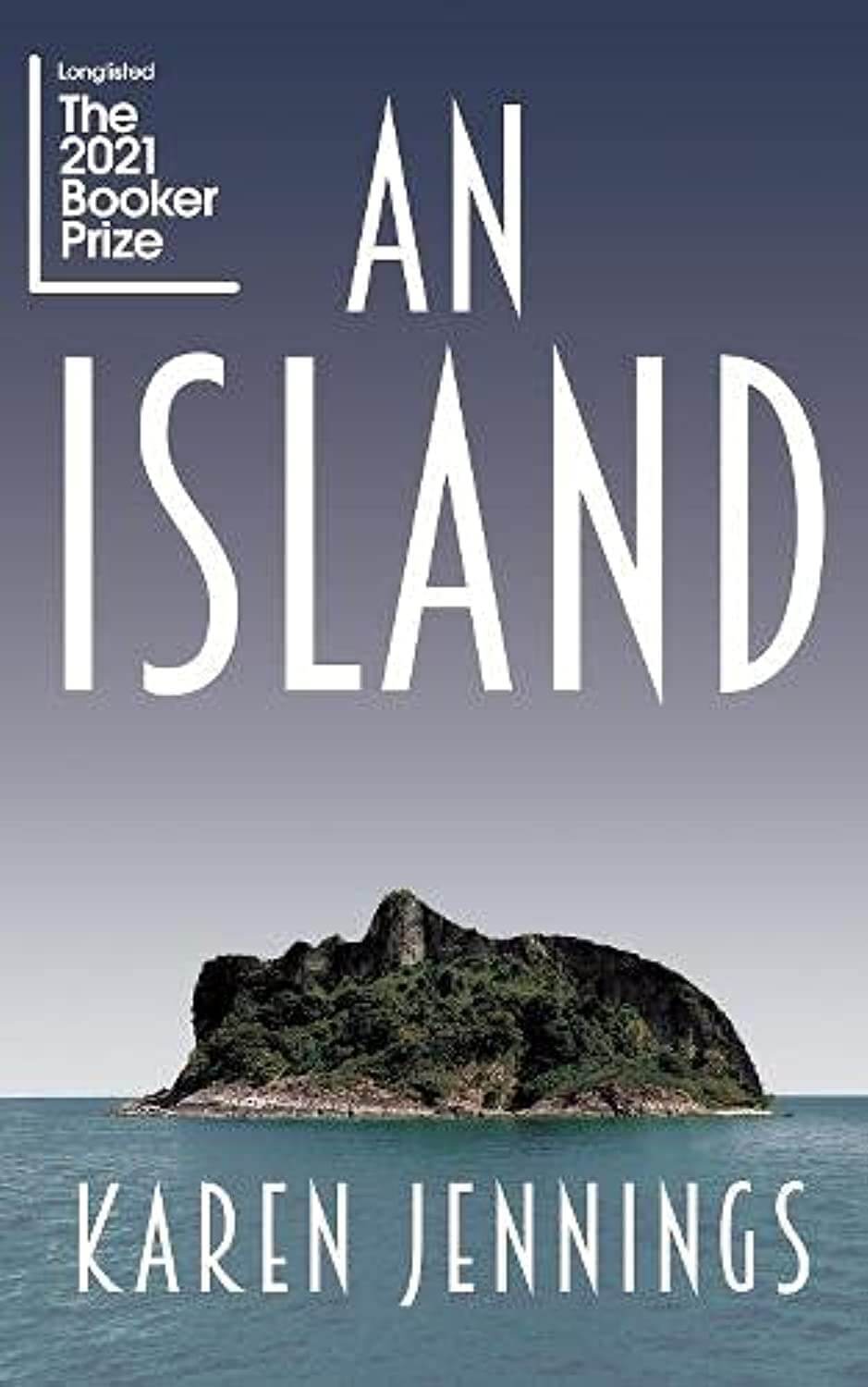
An Island

An Island

by Karen Jennings

Karen Jennings’s spare, haunting novel follows Samuel, a lighthouse keeper living in isolation, whose life is disrupted when a mysterious refugee washes ashore. Jennings uses this minimalist setting to explore themes of xenophobia, memory, and moral responsibility. The narrative alternates between Samuel’s past and present, revealing the traumas and failures that have shaped him. Jennings’s prose is stark yet lyrical, creating a tense, atmospheric portrait of solitude. The novel’s political undertones are woven subtly but powerfully throughout, offering a chilling reflection on borders and belonging.

3.54
Literary Fiction
Political Fiction
Bleak
Tense
Reflective