Booker Prize 2020

Thirteen novels capturing private lives under public pressure in a fractured world

The 2020 Booker Prize longlist reflects a moment of global unease, capturing societies shaped by inequality, history, conflict, and rapid cultural change. These novels explore how power, class, race, gender, and memory shape individual lives, often revealing political forces through deeply personal stories. Rather than grand statements, many of these books focus on intimacy — friendships, families, inner lives — where larger tensions quietly unfold.

Across continents and centuries, the longlisted novels experiment boldly with form and voice. Some revisit historical moments to interrogate empire, war, and legacy, while others confront contemporary anxieties around identity, labour, and belonging. There is a strong sense of moral urgency here, paired with literary ambition and emotional precision.

Together, these books show how fiction can illuminate political realities without didacticism. They invite readers to sit with discomfort, to empathise across difference, and to question inherited narratives. The 2020 list stands as a powerful testament to the Booker Prize’s commitment to novels that reflect — and challenge — the world we live in.

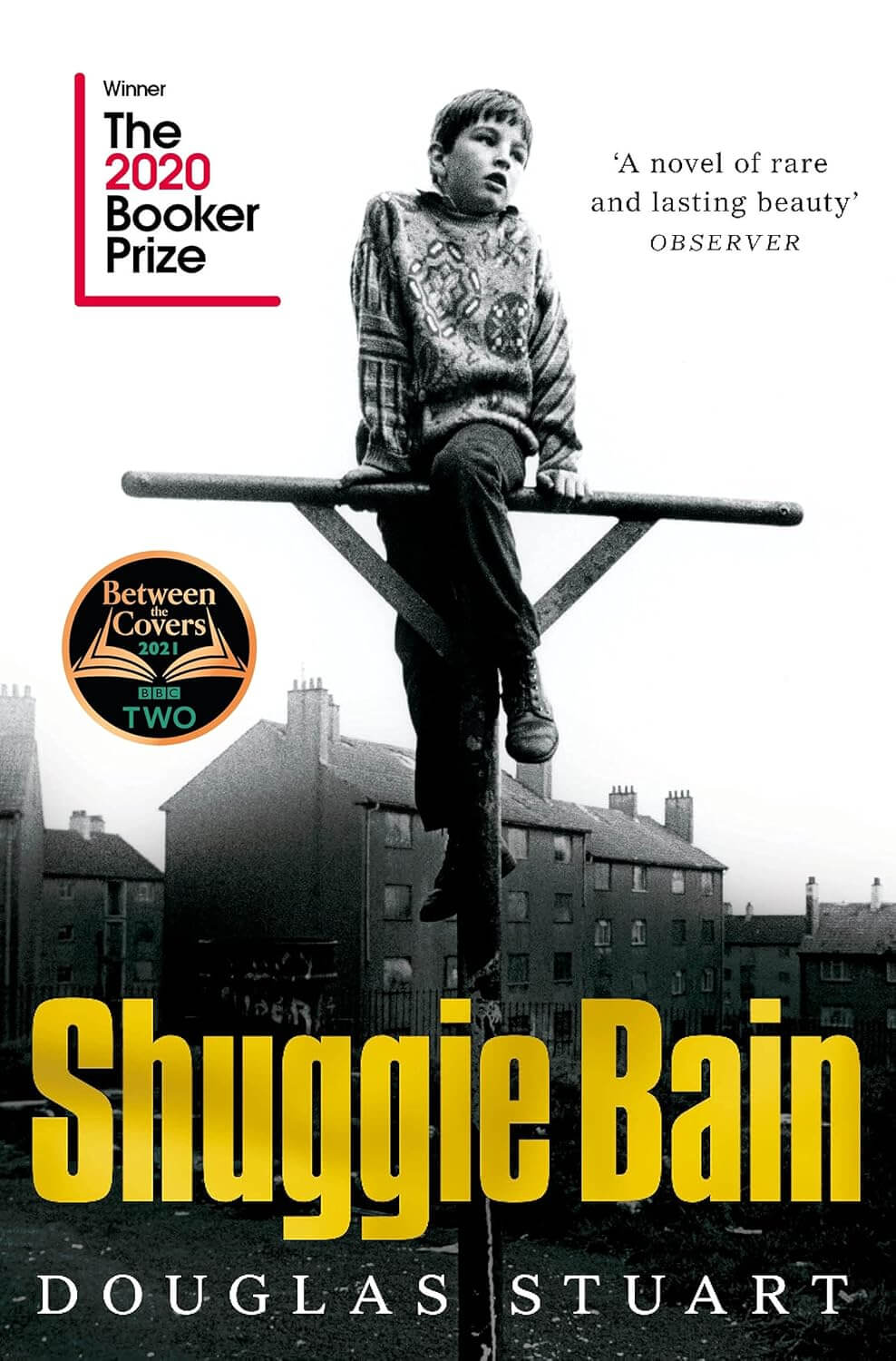
Shuggie Bain
Winner

Shuggie Bain

by Douglas Stuart

Douglas Stuart’s Booker Prize–winning debut is a raw, tender portrait of a young boy growing up in 1980s Glasgow with an alcoholic mother. While intimate and deeply emotional, the novel is also political in its depiction of poverty, deindustrialisation, and social abandonment. Stuart’s characters are rendered with heartbreaking clarity, revealing the inner strength required to endure hardship. The writing is vivid, compassionate, and unflinching, carrying the weight of both love and despair. Shuggie Bain is a story about resilience in the face of systemic failure — devastating, beautiful, and unforgettable.

4.30
Literary Fiction
Social Realism
Political Fiction
Raw
Emotional
Compassionate
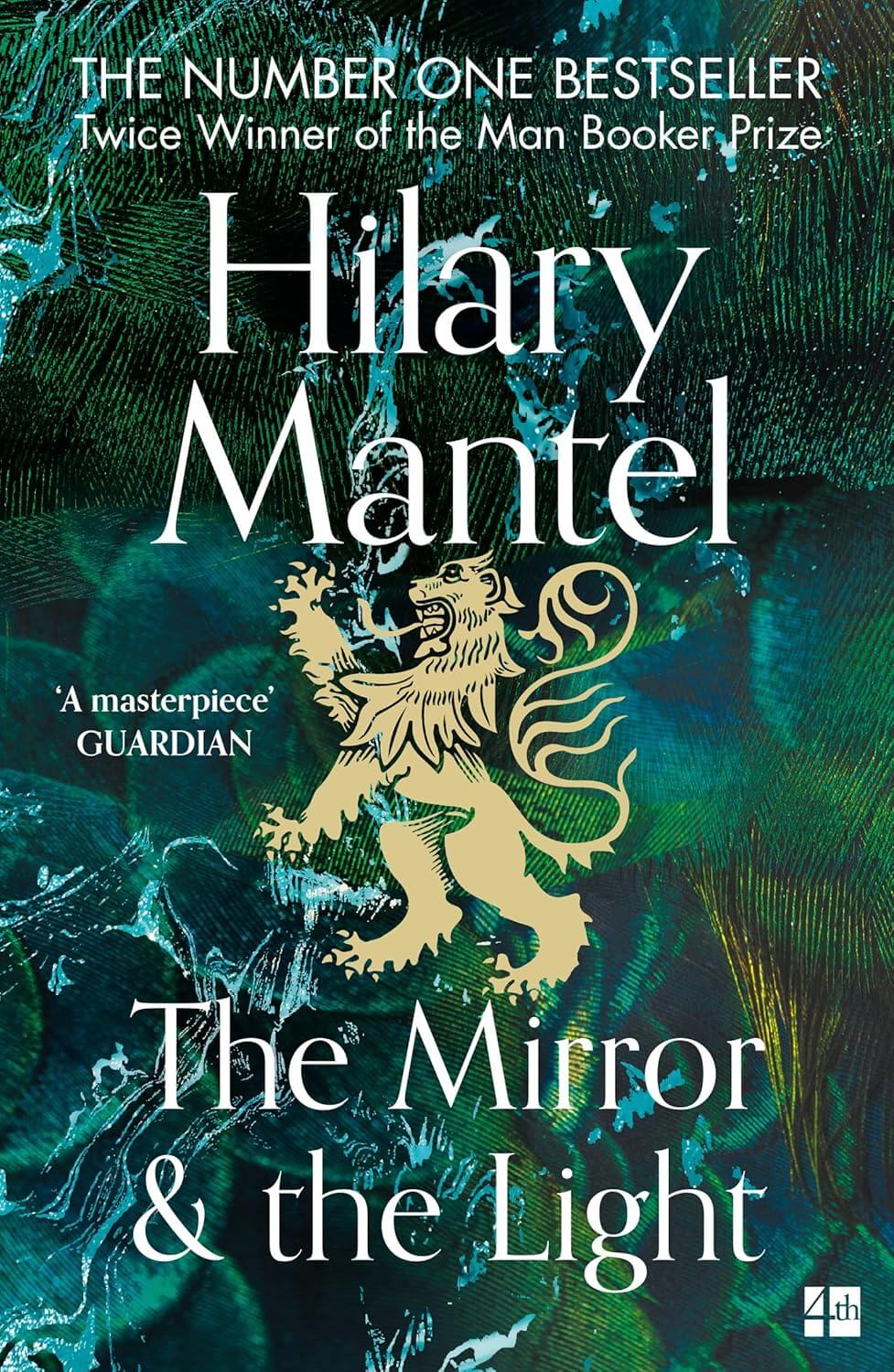
The Mirror & the Light

The Mirror & the Light

by Hilary Mantel

Hilary Mantel concludes her Thomas Cromwell trilogy with a masterful exploration of power and downfall. The Mirror & the Light traces Cromwell’s final years at the height of Henry VIII’s court. Mantel’s prose is controlled and psychologically rich, rendering political manoeuvre as intimate drama. The novel examines loyalty, ambition, and the price of proximity to power. History feels immediate and volatile. A monumental achievement in historical fiction.

4.40
Historical Fiction
Grave
Intense
Majestic
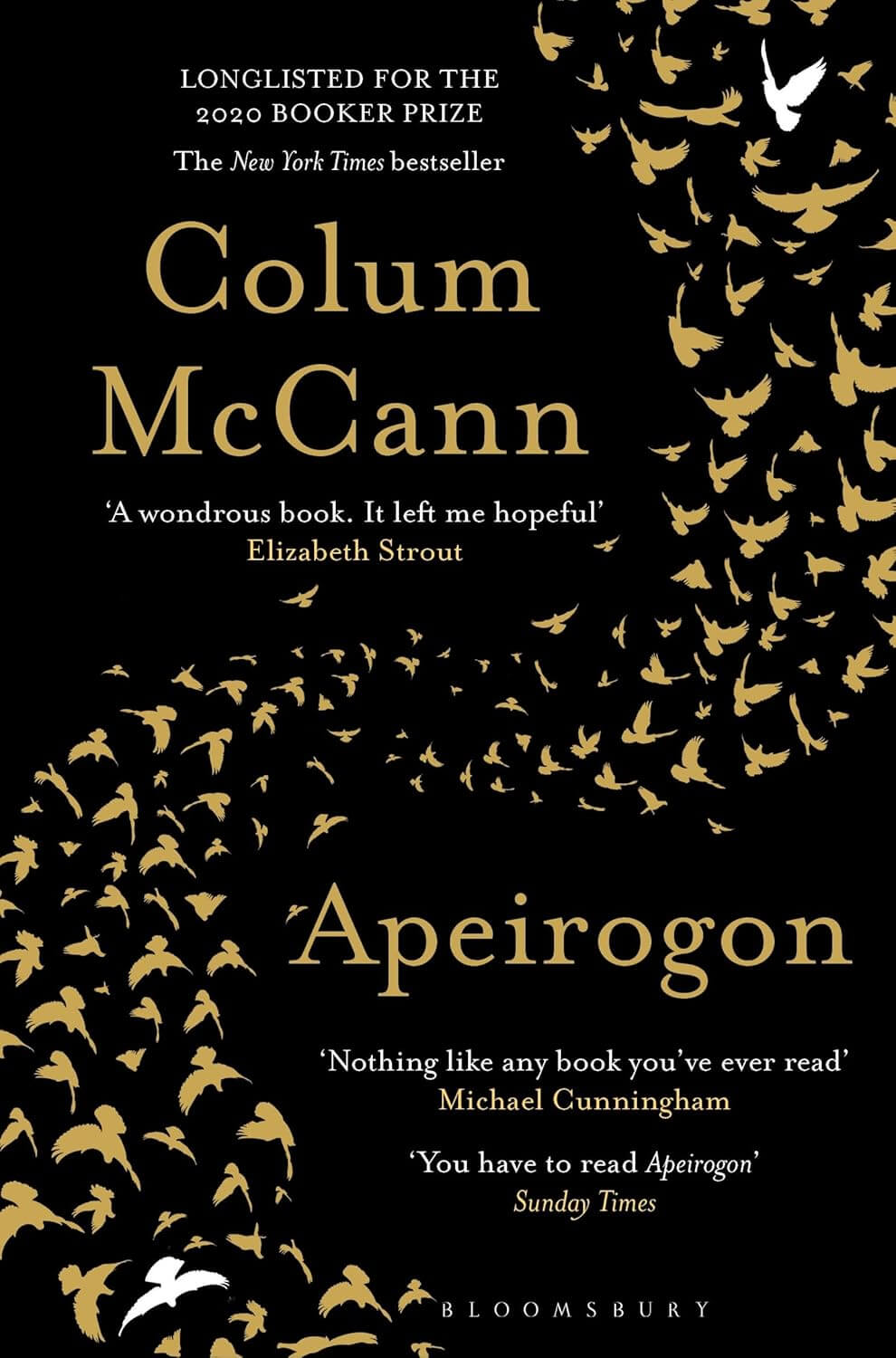
Apeirogon

Apeirogon

by Colum McCann

Colum McCann’s Apeirogon is an ambitious, experimental novel based on the true friendship between two fathers — one Israeli, one Palestinian — united by the loss of their daughters. Structured in numbered fragments, the book spans history, memory, politics, and imagination. McCann weaves together anecdotes, archives, and lyrical passages to illuminate the devastating consequences of conflict. The structure mirrors the complexity of the region itself, offering no easy answers but deep compassion. The novel’s emotional power lies in its focus on grief shared across political divides. It is daring, immersive, and profoundly moving.

4.25
Political Fiction
Literary Fiction
Lyrical
Ambitious
Heartfelt
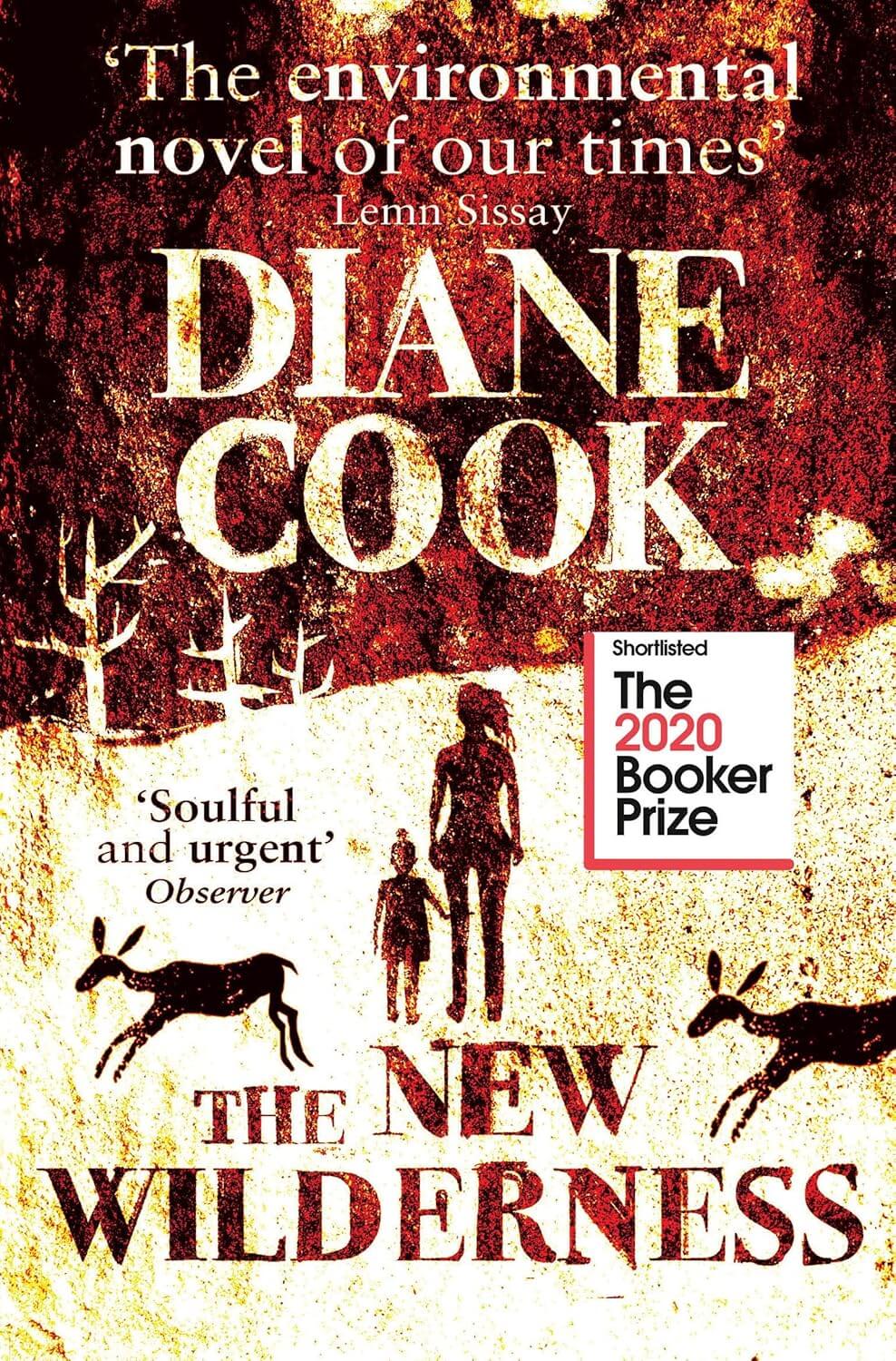
The New Wilderness
Shortlisted

The New Wilderness

by Diane Cook

Diane Cook’s The New Wilderness imagines a future ravaged by climate collapse, where a mother and daughter join a rewilding experiment. The novel blends dystopian speculation with ecological reflection and maternal devotion. Cook explores the cost of survival, the meaning of freedom, and the limits of human intervention. Her prose is spare yet evocative, attentive to landscape and moral ambiguity. The book questions whether returning to nature is an act of hope or denial. It is haunting, urgent, and quietly unsettling.

3.67
Speculative Fiction
Climate Fiction
Haunting
Reflective
Unsettling
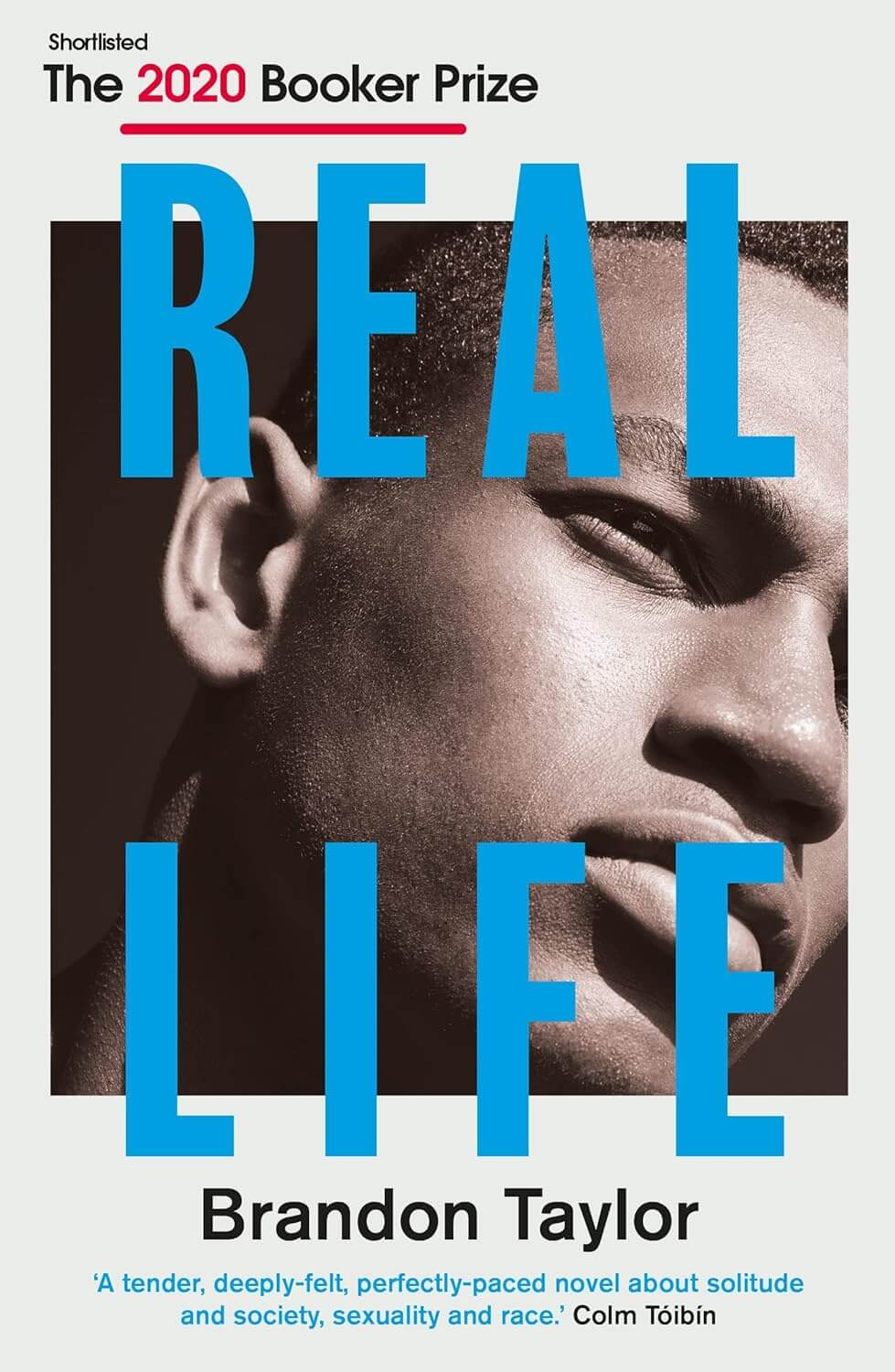
Real Life
Shortlisted

Real Life

by Brandon Taylor

Real Life follows Wallace, a Black queer graduate student navigating a toxic academic environment and fragile friendships over the course of a single weekend. Brandon Taylor’s prose is precise and emotionally restrained, capturing microaggressions, power imbalances, and quiet humiliations. The novel examines who is allowed vulnerability and who must remain guarded. Beneath its calm surface lies deep pain and longing. Taylor exposes how institutions reproduce harm while appearing neutral. It is a sharp, intimate study of alienation and survival.

3.78
Literary Fiction
Campus Novel
Quiet
Tense
Introspective
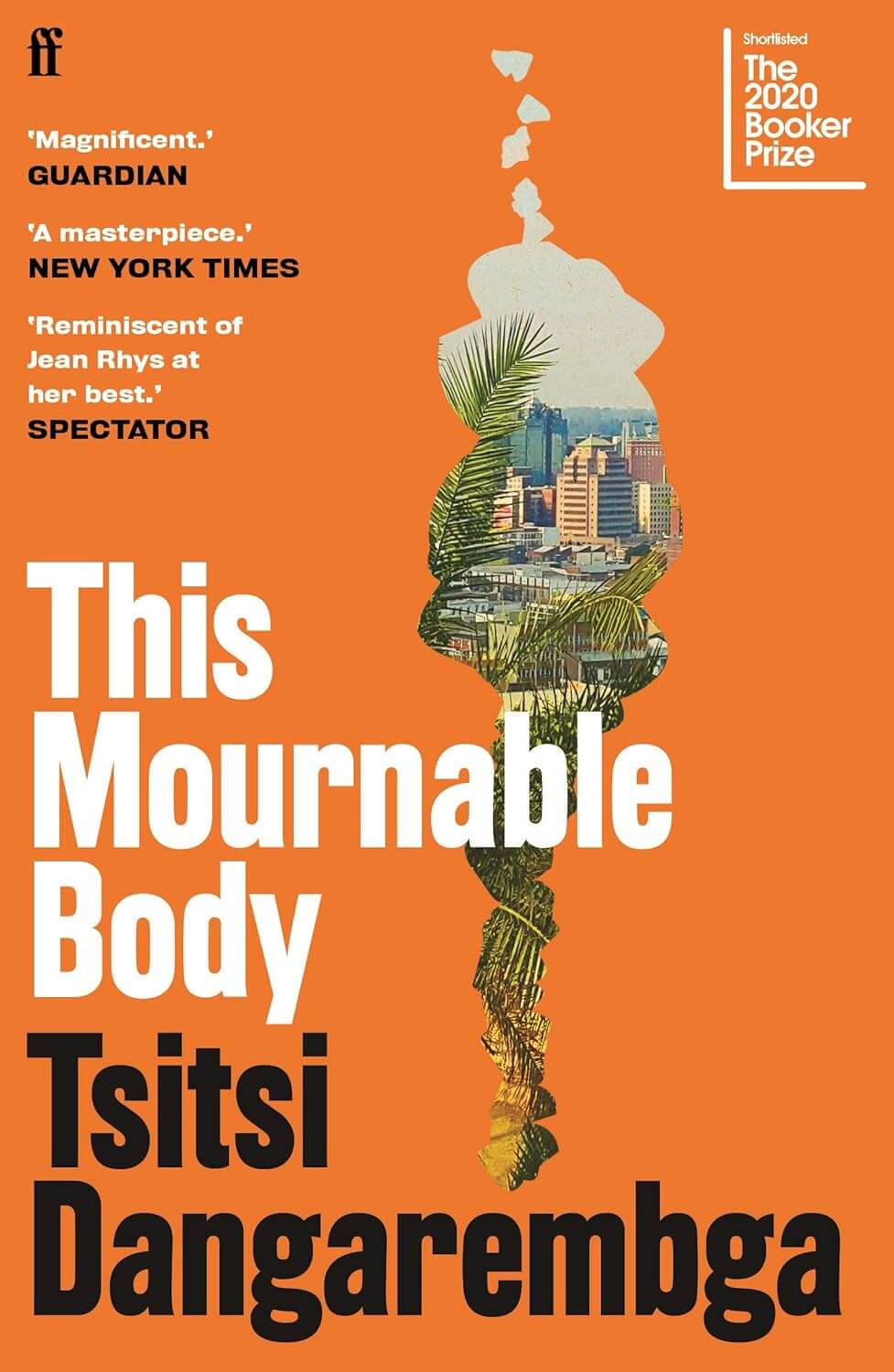
This Mournable Body
Shortlisted

This Mournable Body

by Tsitsi Dangarembga

Tsitsi Dangarembga’s This Mournable Body continues the story of Tambudzai, now an adult navigating postcolonial Zimbabwe. Written largely in the second person, the novel confronts self-loathing, ambition, and systemic failure with brutal honesty. Dangarembga refuses easy sympathy, instead offering a searing critique of neoliberalism and internalised oppression. The narrative is uncomfortable, confrontational, and deeply political. It challenges readers to examine complicity as well as suffering. A fierce and uncompromising novel.

3.33
Literary Fiction
Political Fiction
Austere
Angry
Unflinching
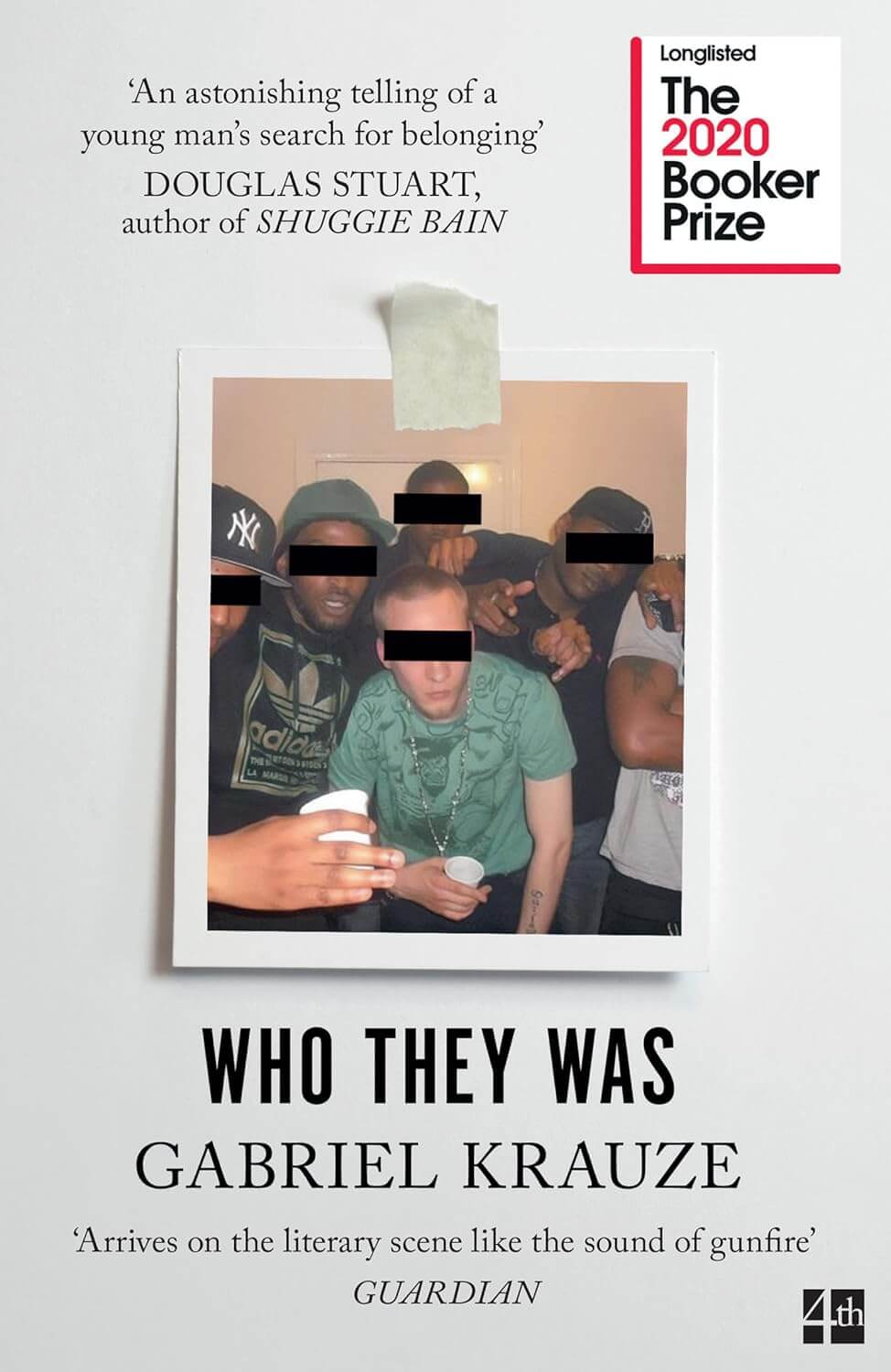
Who They Was

Who They Was

by Gabriel Krauze

Gabriel Krauze’s Who They Was is a raw, semi-autobiographical novel about gang life in London. Written in visceral, unfiltered prose, it captures violence, loyalty, and the search for meaning. The narrator oscillates between brutality and philosophical reflection, refusing moral simplification. Krauze exposes the social conditions that shape criminal worlds without romanticising them. The book is challenging, disturbing, and formally daring. It confronts readers with lives rarely granted complexity.

4.02
Literary Fiction
Urban Fiction
Brutal
Intense
Provocative
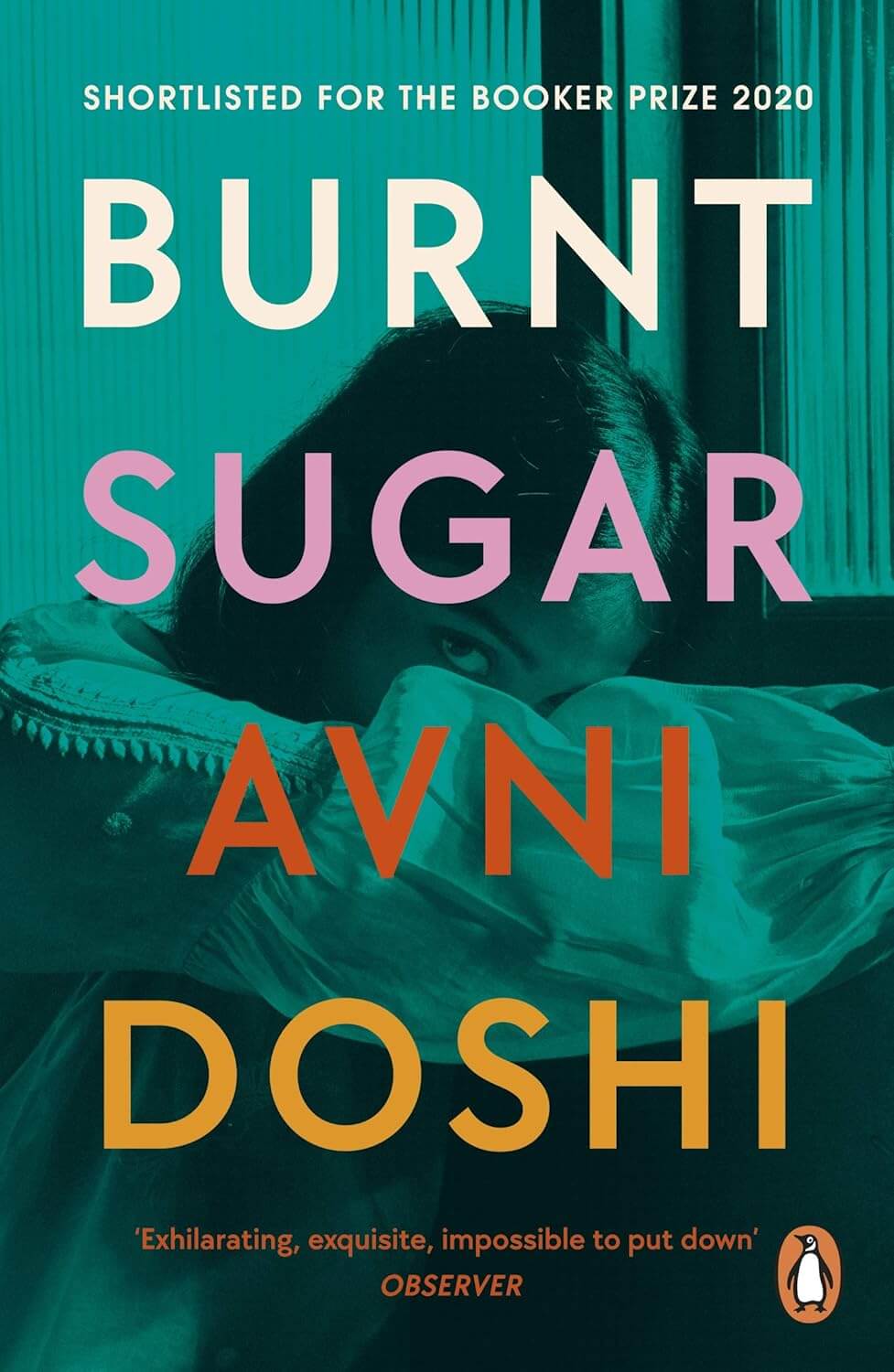
Burnt Sugar
Shortlisted

Burnt Sugar

by Avni Doshi

Burnt Sugar explores a toxic, entangled relationship between a daughter and her manipulative mother in India. Avni Doshi’s writing is sharp, unsettling, and psychologically precise. As the mother’s memory begins to fail, old resentments surface in disturbing ways. The novel interrogates motherhood, inheritance, and the desire for autonomy. Its narrator is unreliable, forcing readers to question truth and cruelty. It is a dark, compulsive read that lingers uneasily.

3.25
Literary Fiction
Psychological Drama
Unsettling
Sharp
Claustrophobic
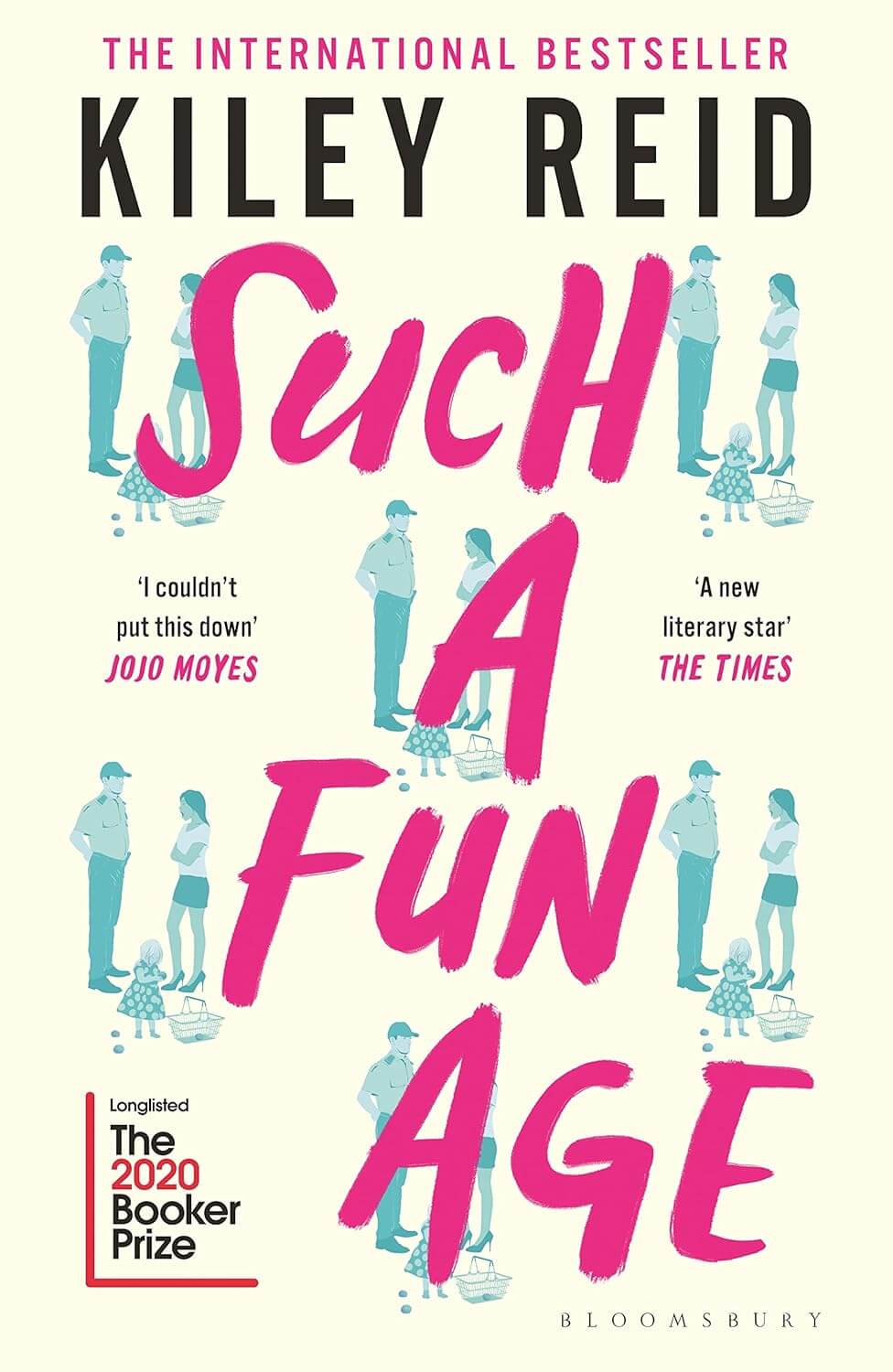
Such a Fun Age

Such a Fun Age

by Kiley Reid

Kiley Reid’s debut explores race, privilege, and performative allyship through a seemingly small incident at a supermarket. The novel’s tone is sharp and readable, gradually exposing deeper discomforts beneath polite liberalism. Reid excels at dialogue and social observation, capturing awkwardness and self-deception. The characters are flawed, recognisable, and often infuriating. The book critiques systems without losing its humour. It is incisive, contemporary, and highly engaging.

3.77
Contemporary Fiction
Social Commentary
Wry
Observant
Uncomfortable
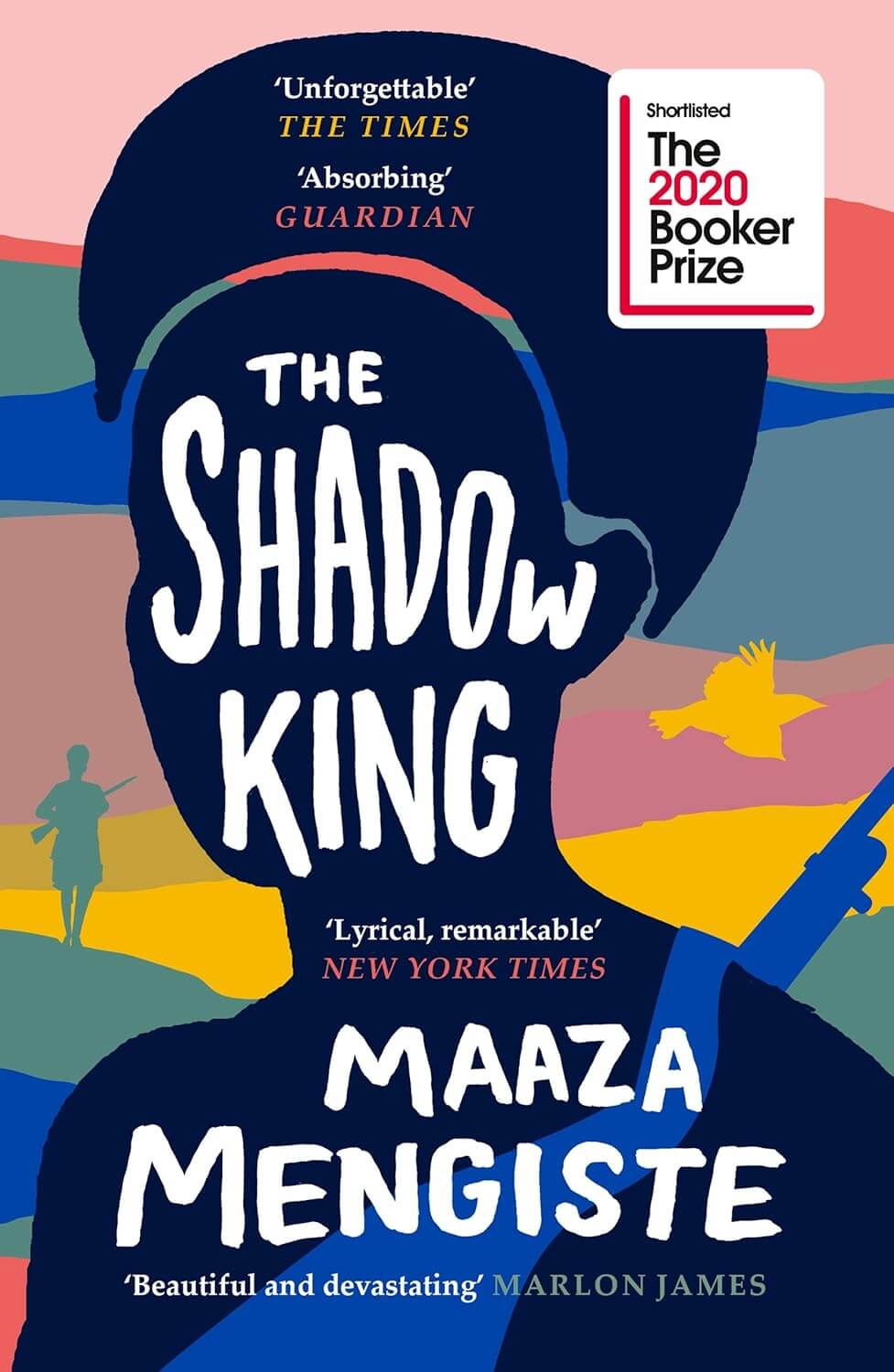
The Shadow King
Shortlisted

The Shadow King

by Maaza Mengiste

Maaza Mengiste’s The Shadow King reimagines Ethiopia’s resistance to Italian invasion during World War II. Centering women soldiers long erased from history, the novel challenges colonial narratives of heroism and power. Mengiste’s prose is lyrical and cinematic, blending myth, memory, and violence. The book examines leadership, sacrifice, and the cost of war. Its structure mirrors the fragmentation of history itself. A bold, necessary reclamation of silenced voices.

3.65
Historical Fiction
Political Fiction
Epic
Defiant
Grave
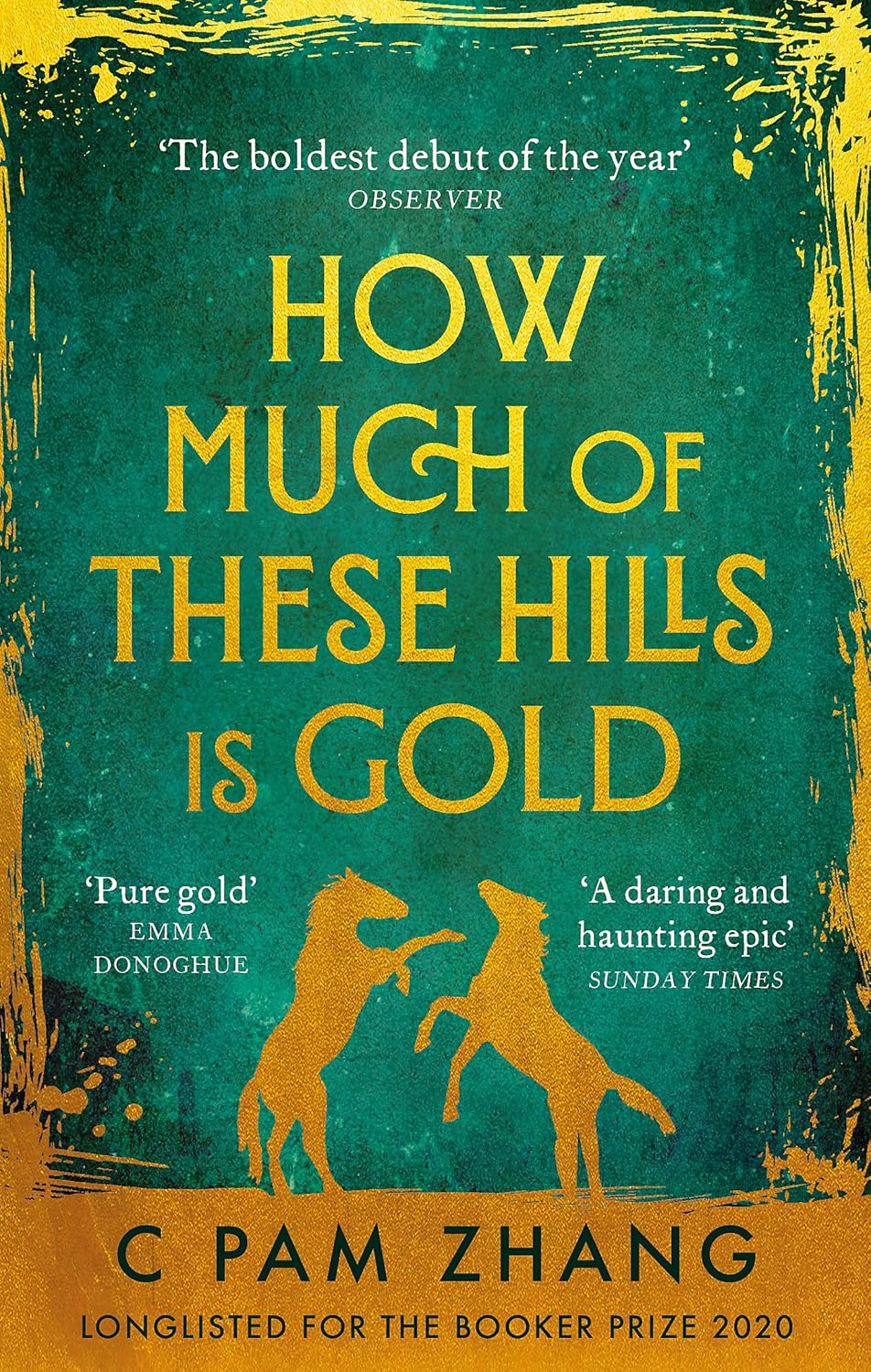
How Much of These Hills Is Gold

How Much of These Hills Is Gold

by C. Pam Zhang

Set during the American Gold Rush, C. Pam Zhang’s novel reimagines the Western through the eyes of Chinese American siblings. Zhang blends myth, history, and lyricism to challenge exclusionary national narratives. The book explores migration, inheritance, and the search for belonging. Its language is bold and poetic, reshaping familiar landscapes. The novel insists on who gets to be part of history. A striking, original debut.

3.78
Historical Fiction
Literary Fiction
Mythic
Lyrical
Expansive
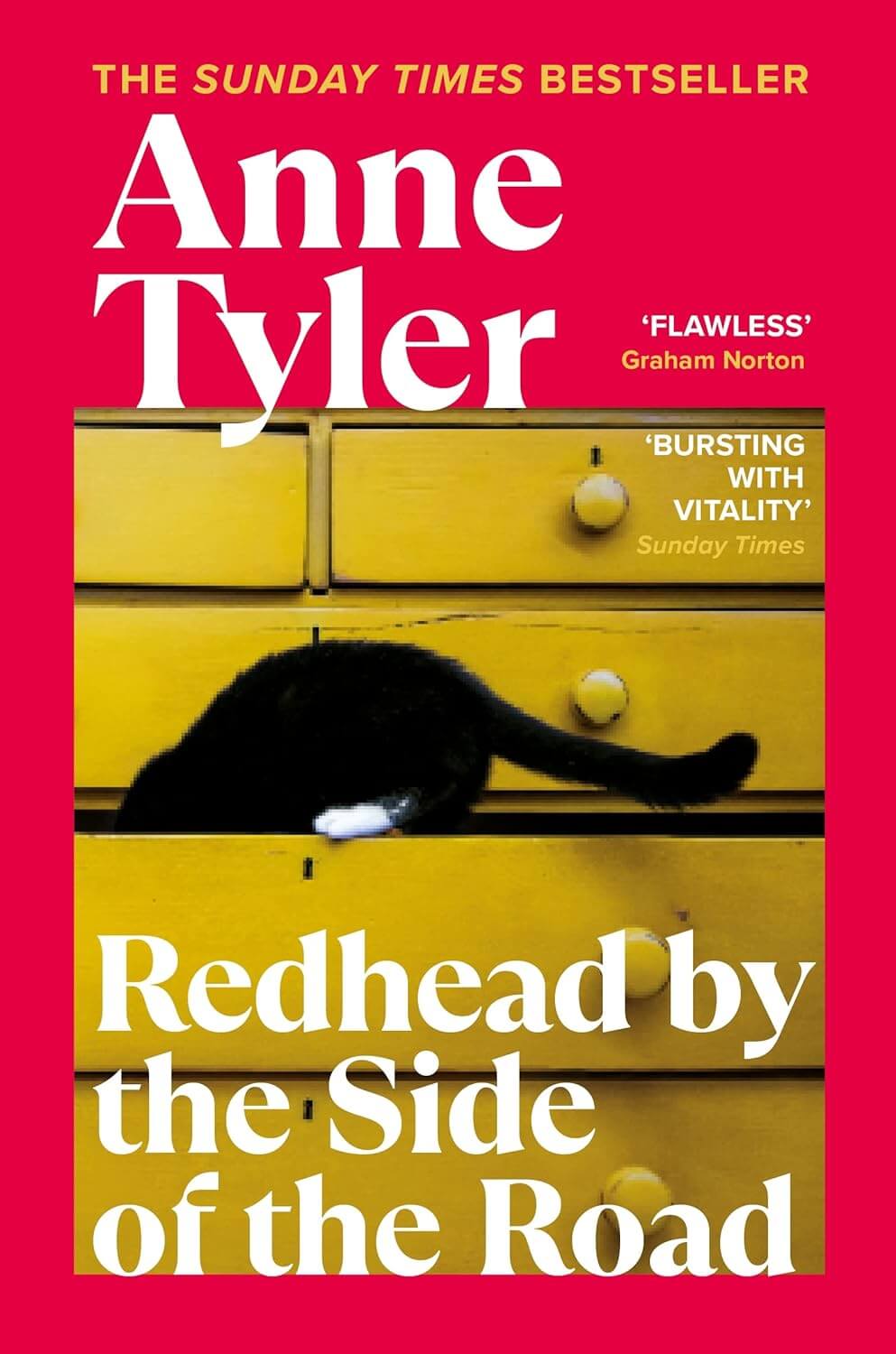
Redhead by the Side of the Road

Redhead by the Side of the Road

by Anne Tyler

Anne Tyler’s compact novel follows Micah Mortimer, a man devoted to order whose life is quietly upended. Tyler’s prose is restrained and observant, finding drama in small disruptions. The book explores loneliness, routine, and emotional avoidance. Beneath its gentle surface lies a critique of detachment and self-protection. Tyler’s compassion for her characters remains unwavering. A subtle, thoughtful portrait of late-life reckoning.

3.61
Literary Fiction
Gentle
Reflective
Subtle
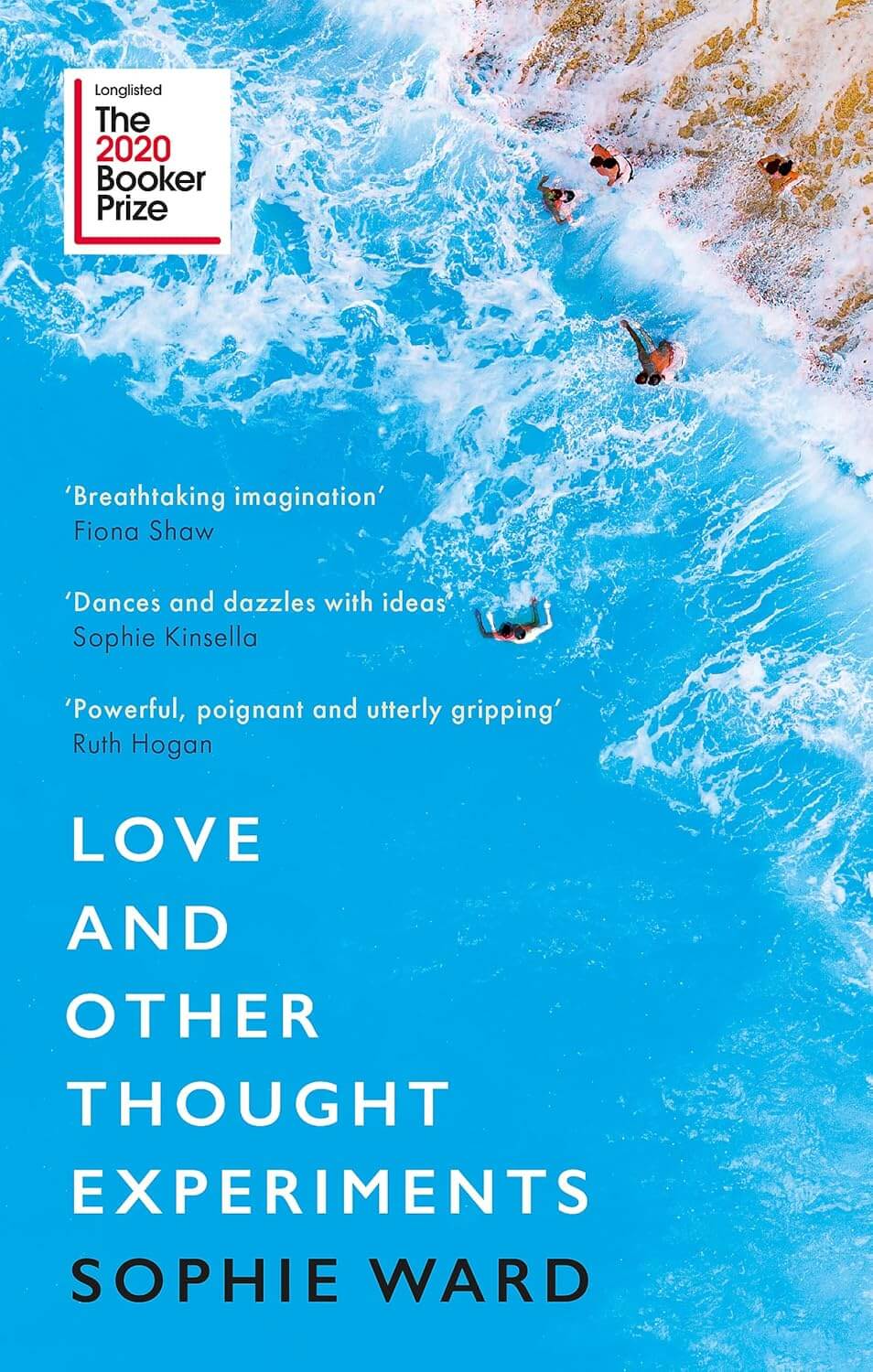
Love and Other Thought Experiments

Love and Other Thought Experiments

by Sophie Ward

Sophie Ward’s novel blends philosophy and fiction to explore love, identity, and ethical choice. Structured as interconnected thought experiments, the book plays with perspective and narrative possibility. Ward asks how we love, why we stay, and what we owe each other. The novel is intellectually playful yet emotionally grounded. It challenges conventional storytelling while remaining accessible. A clever, questioning exploration of modern relationships.

3.59
Literary Fiction
Experimental Fiction
Playful
Intellectual
Curious