Booker Prize 2019

Thirteen daring novels pushing form, voice, and political imagination

The 2019 Booker Prize longlist is a celebration of literary ambition and formal experimentation. These novels stretch the boundaries of storytelling, embracing bold structures, hybrid genres, and inventive voices to explore urgent questions about power, gender, migration, technology, and belonging. Together, they reflect a world in flux, where personal lives are inseparable from political realities.

Across the list, authors grapple with inheritance — cultural, historical, and emotional. From dystopian futures and mythic retellings to intimate portraits of friendship and family, these books examine how individuals navigate systems that shape and constrain them. Many of the novels are deeply political without being prescriptive, inviting readers to sit with ambiguity, contradiction, and moral complexity.

What unites this longlist is its confidence in fiction as a space of possibility. These books challenge how stories are told and whose stories matter, offering readers not comfort but illumination. The 2019 Booker Prize stands as a testament to the vitality, diversity, and daring of contemporary fiction.

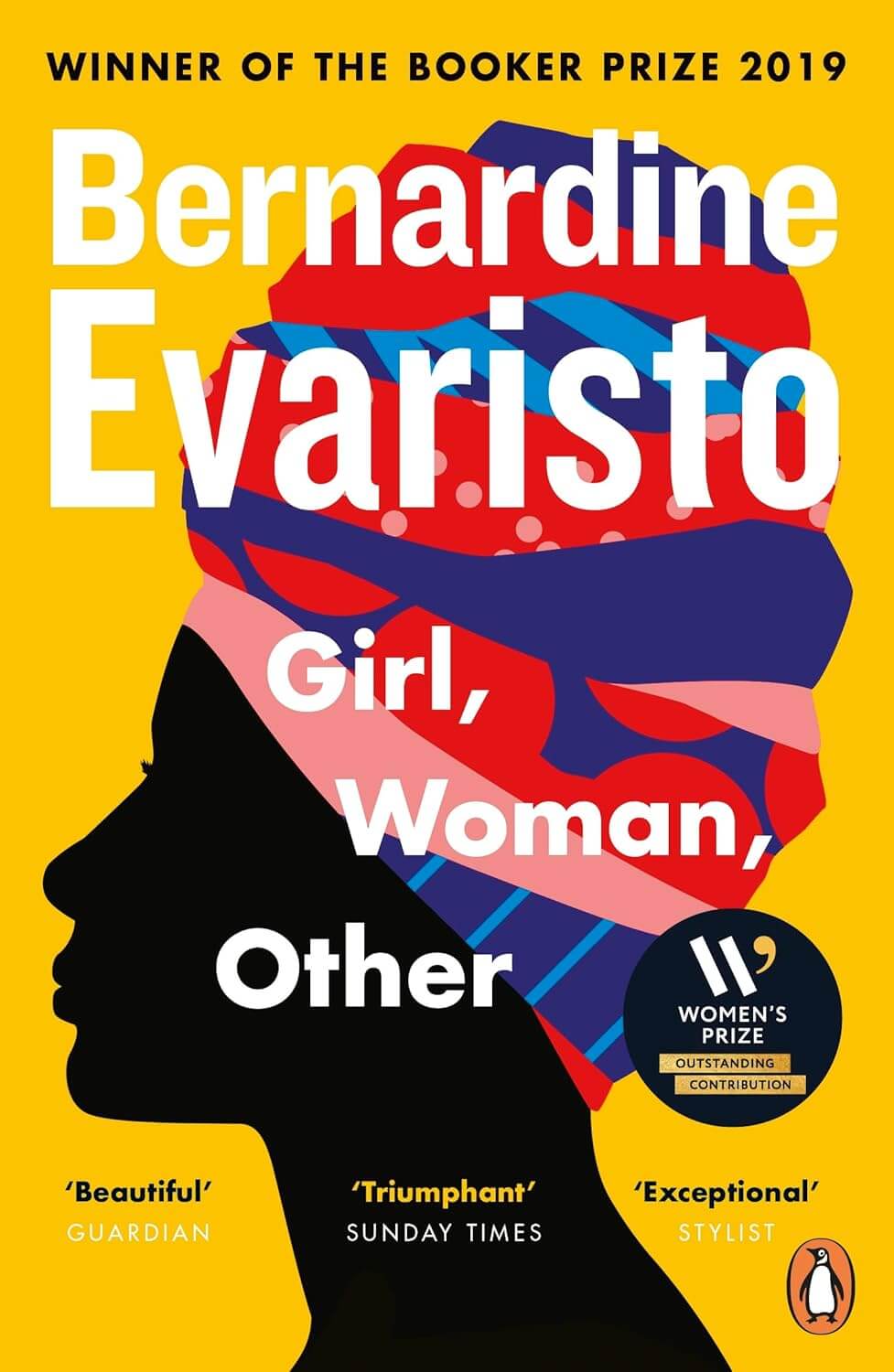
Girl, Woman, Other
Winner

Girl, Woman, Other

by Bernardine Evaristo

Bernardine Evaristo’s Girl, Woman, Other weaves together the lives of twelve interconnected characters, mostly Black British women, across generations. Written in a vibrant, poetic prose that defies conventional punctuation, the novel captures multiplicity without fragmentation. Evaristo explores identity, feminism, sexuality, and history with warmth and wit. Each voice feels distinct yet part of a larger social tapestry. The book celebrates complexity while confronting exclusion and inequality. It is joyful, expansive, and quietly radical.

4.26
Literary Fiction
Contemporary Fiction
Expansive
Joyful
Empathetic
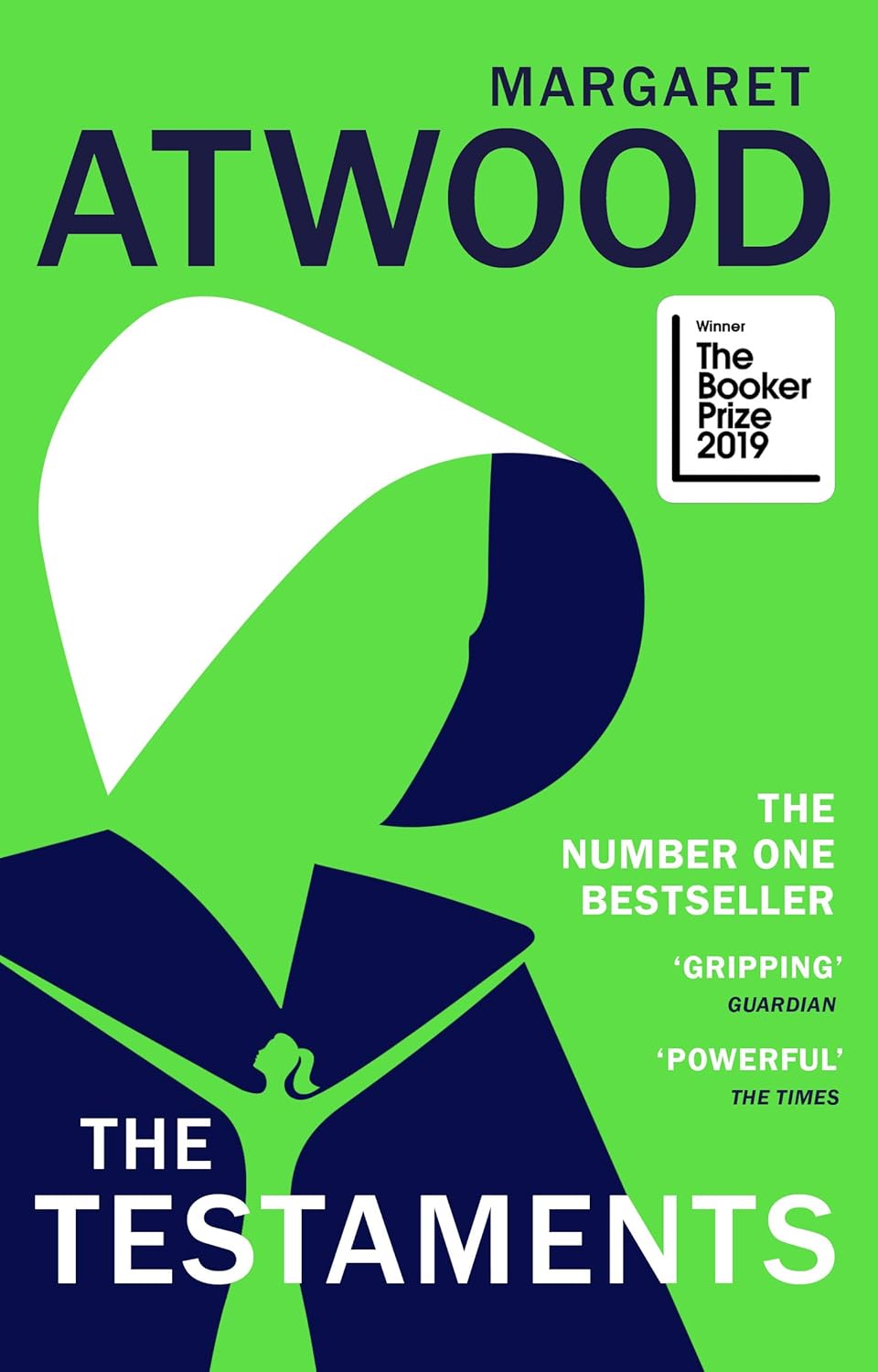
The Testaments
Winner

The Testaments

by Margaret Atwood

Margaret Atwood returns to the world of Gilead with The Testaments, a sequel that expands and complicates the legacy of The Handmaid’s Tale. Told through three distinct voices, the novel explores power, resistance, and the cracks within authoritarian systems. Atwood reveals how regimes fall not only through rebellion, but through internal corruption. The book balances suspense with political insight, offering moments of dark humour alongside moral reckoning. It deepens the mythology of Gilead while interrogating the costs of survival. A compelling and sharply observed continuation.

4.20
Dystopian Fiction
Political Fiction
Tense
Defiant
Suspenseful
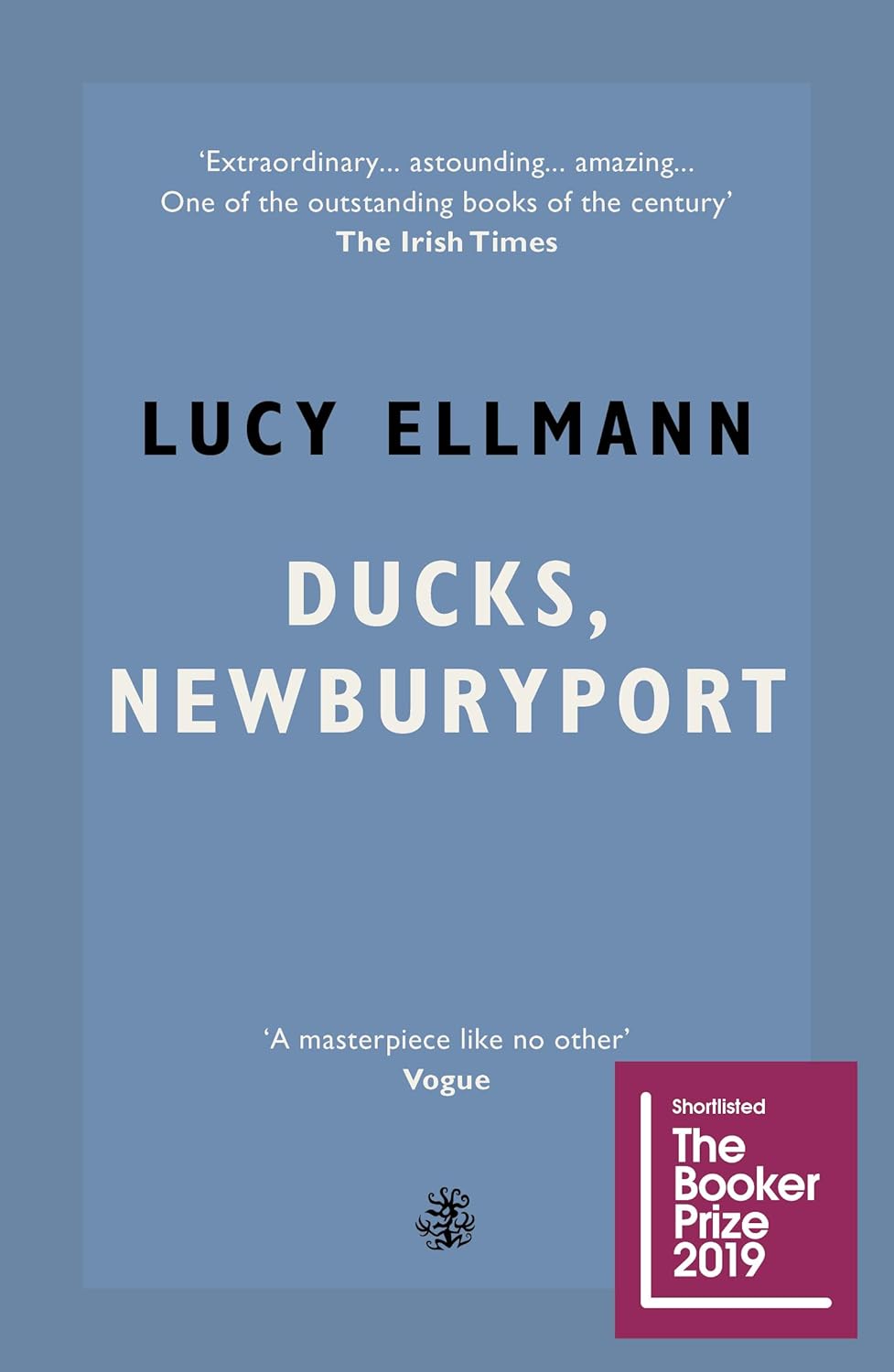
Ducks, Newburyport
Shortlisted

Ducks, Newburyport

by Lucy Ellmann

Lucy Ellmann’s Ducks, Newburyport is a formally audacious novel composed largely of a single, flowing sentence. The book inhabits the consciousness of an Ohio housewife as she reflects on family, politics, fear, and American life. Ellmann captures the relentlessness of thought, anxiety, and love with astonishing precision. Beneath its humour lies a sharp critique of gun culture, environmental collapse, and misogyny. The novel demands patience but rewards immersion. It is overwhelming, exhilarating, and unlike anything else.

3.97
Experimental Fiction
Literary Fiction
Overwhelming
Inventive
Anxious
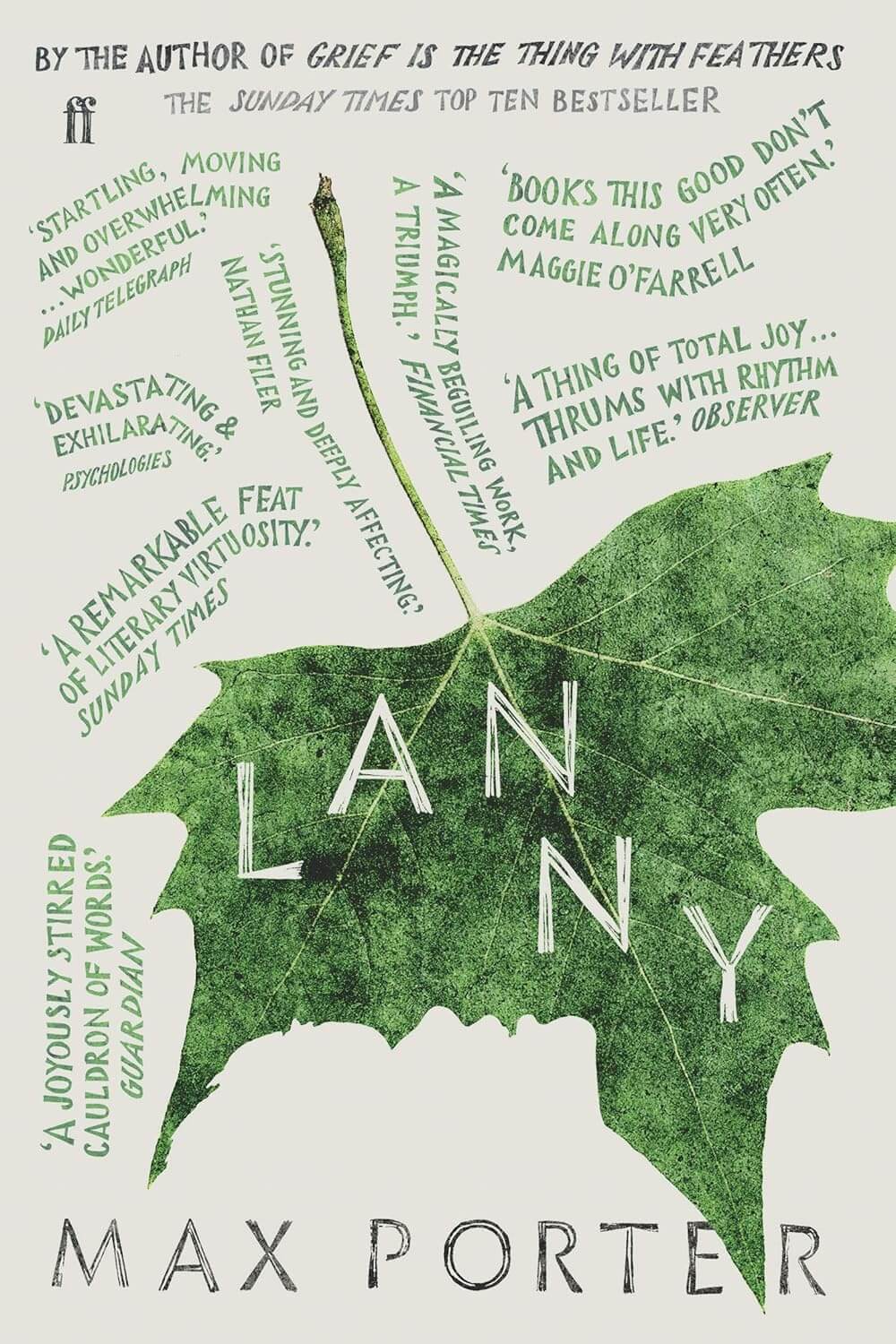
Lanny

Lanny

by Max Porter

Max Porter’s Lanny blends folklore, realism, and experimental typography to tell the story of a boy and his community. The novel captures the collective voice of a village, where fear and myth coexist with tenderness. Porter explores childhood, imagination, and moral panic. The figure of Dead Papa Toothwort gives the book its eerie pulse. Despite its darkness, the novel holds deep empathy. A daring and emotionally rich work.

4.05
Literary Fiction
Experimental Fiction
Eerie
Tender
Mythic
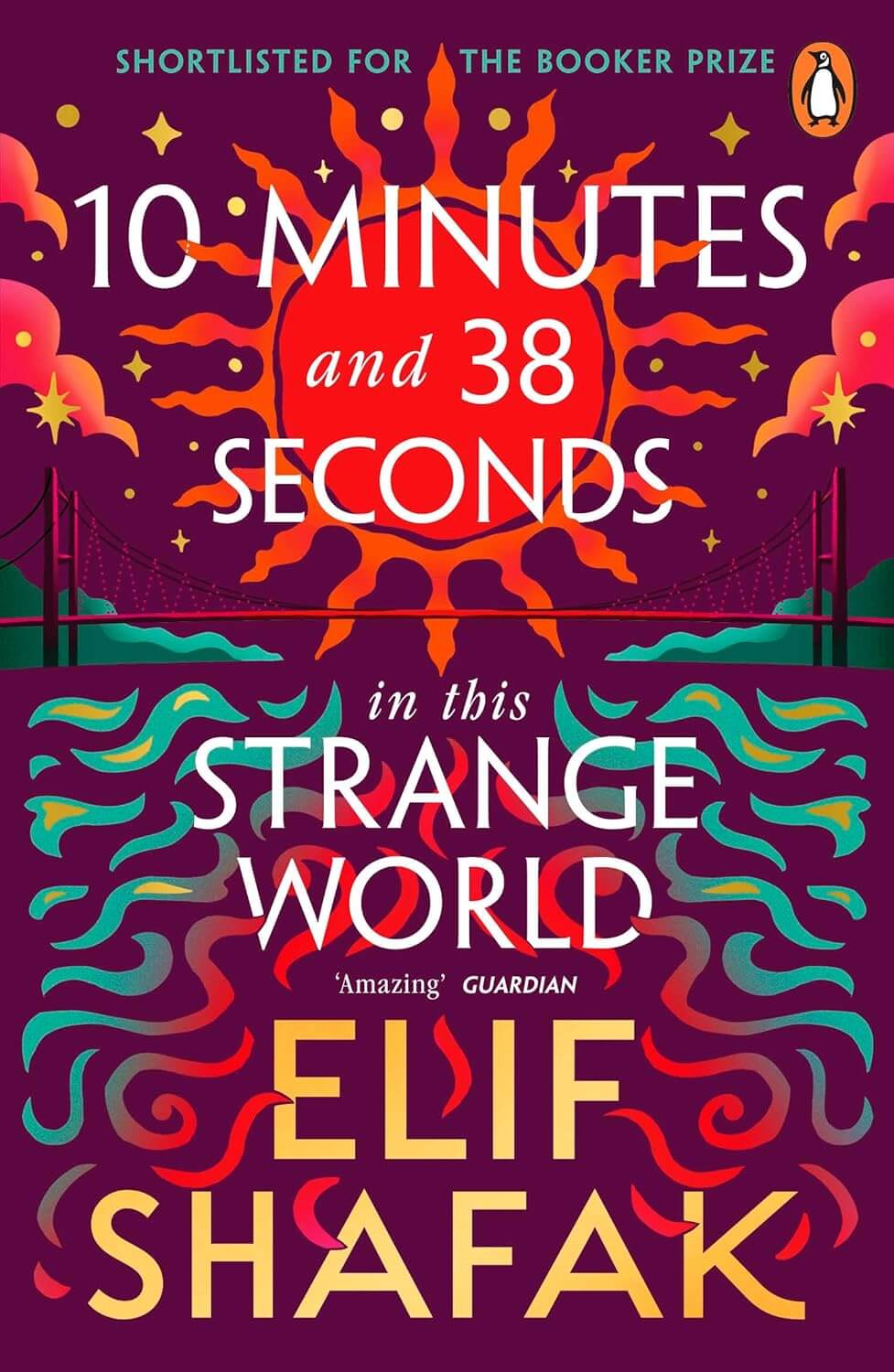
10 Minutes 38 Seconds in This Strange World
Shortlisted

10 Minutes 38 Seconds in This Strange World

by Elif Shafak

Elif Shafak’s novel opens with the final moments of a murdered woman’s consciousness, unfolding into a story of friendship and survival in Istanbul. Through memories triggered by taste and sensation, Shafak reconstructs a life shaped by violence and resilience. The novel centres chosen family and marginalised lives with compassion. Shafak critiques social hypocrisy while affirming human connection. The tone balances sorrow with warmth. It is poignant, humane, and quietly hopeful.

4.09
Literary Fiction
Contemporary Fiction
Tender
Poignant
Compassionate
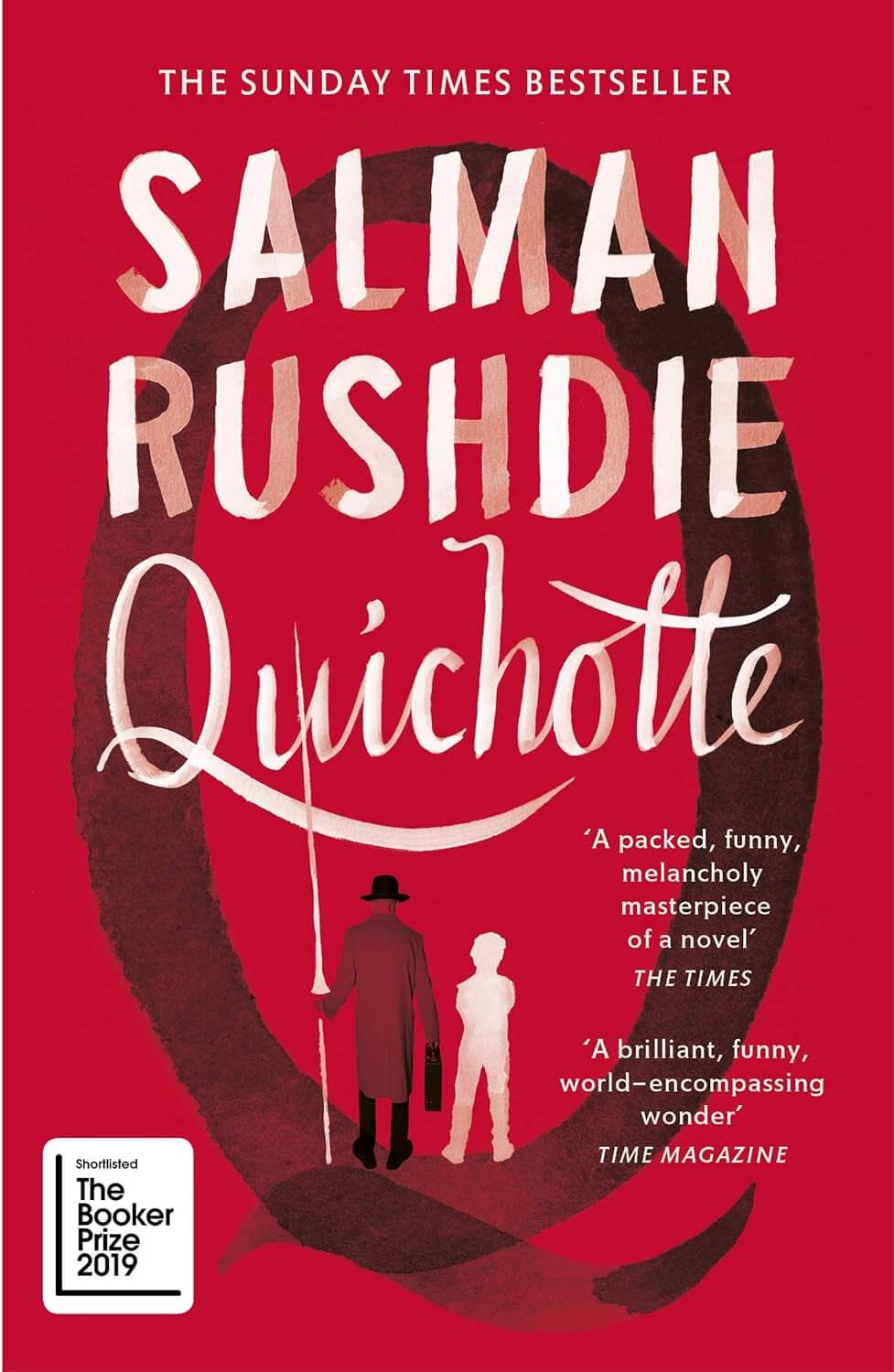
Quichotte
Shortlisted

Quichotte

by Salman Rushdie

Salman Rushdie’s Quichotte is a playful, layered novel inspired by Cervantes, set against the surreal backdrop of modern America. The story follows an unlikely romantic quest while interrogating media, addiction, racism, and identity. Rushdie blends satire, fantasy, and metafiction with characteristic exuberance. The novel’s ambition sometimes overwhelms its coherence, but its energy is infectious. At its core lies a tender meditation on loneliness and belief. It is chaotic, imaginative, and deeply contemporary.

3.81
Literary Fiction
Satire
Playful
Surreal
Energetic
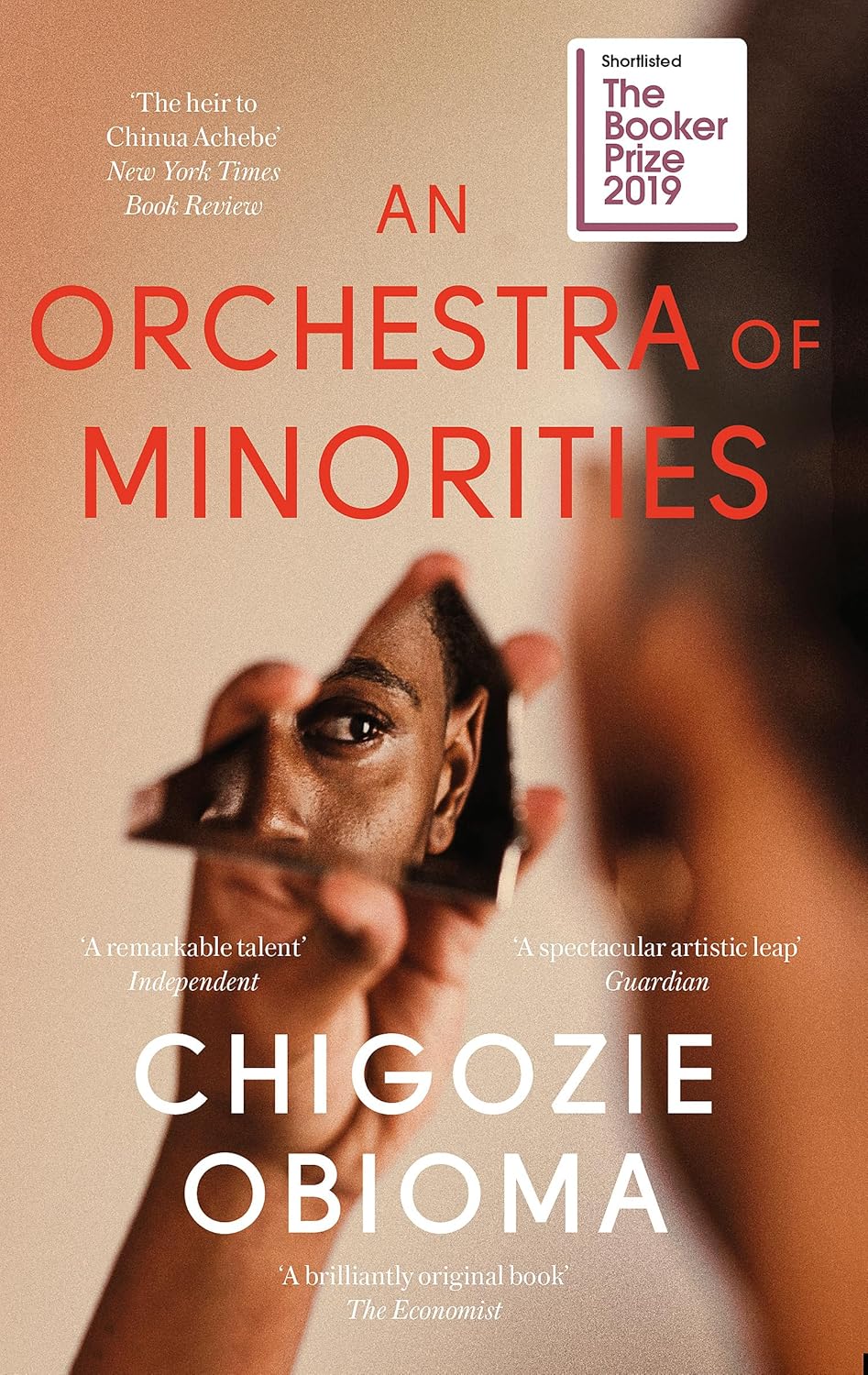
An Orchestra of Minorities
Shortlisted

An Orchestra of Minorities

by Chigozie Obioma

Chigozie Obioma’s novel retells The Odyssey through Igbo cosmology, following a Nigerian poultry farmer navigating love and fate. Narrated by a chi — a personal spirit — the story blends myth with social realism. Obioma explores masculinity, class aspiration, and global inequality with lyrical intensity. The novel’s structure deepens its tragic momentum, illuminating the limits of individual will. It is emotionally powerful and culturally rich. A bold fusion of ancient form and contemporary critique.

3.69
Literary Fiction
Mythic Fiction
Tragic
Lyrical
Intense
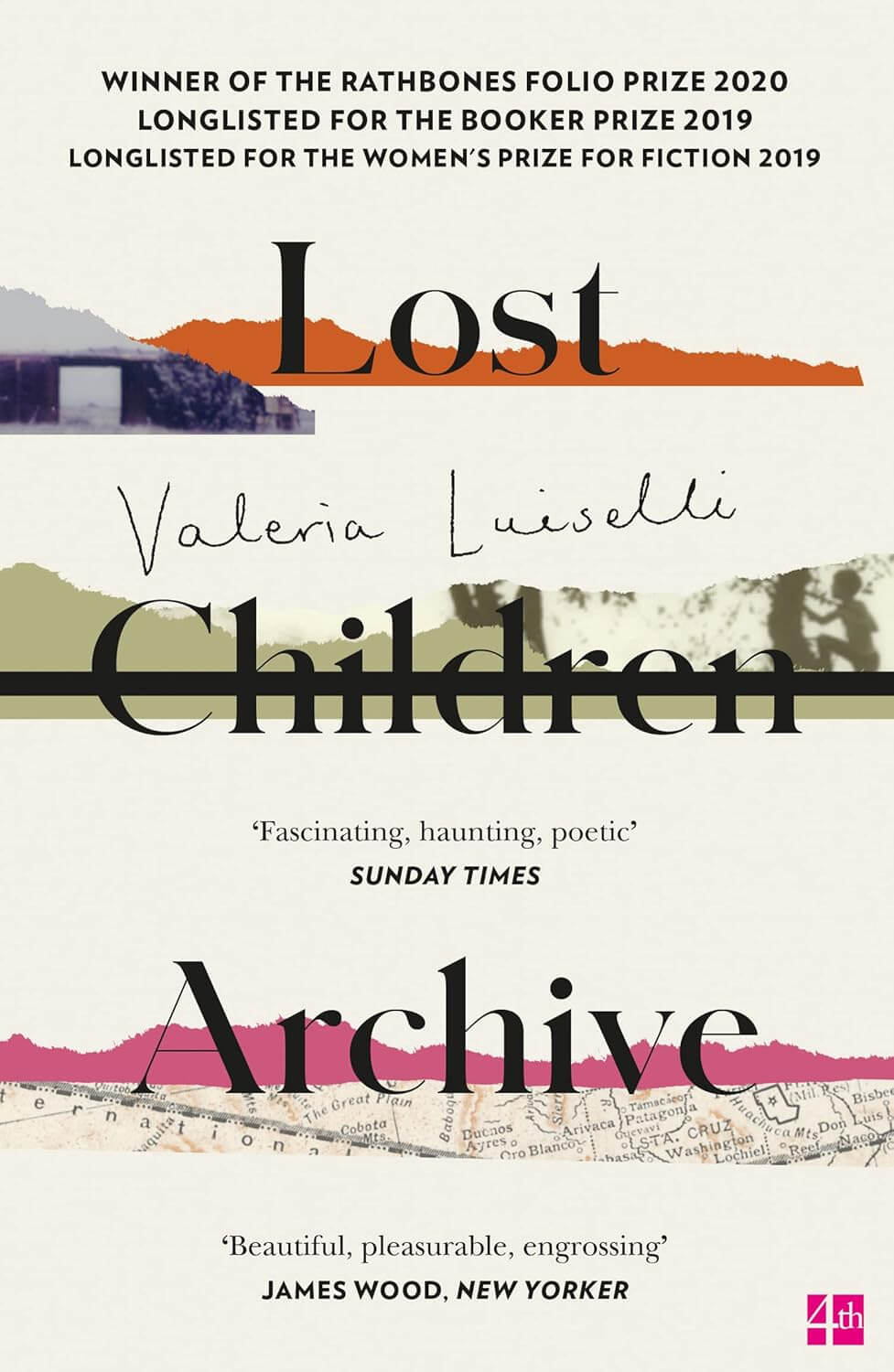
Lost Children Archive

Lost Children Archive

by Valeria Luiselli

Valeria Luiselli’s novel blends road trip, documentary, and archive to examine migration at the US–Mexico border. Following a family travelling west, the book gradually reveals the crisis of displaced children. Luiselli’s structure mirrors the act of witnessing, collecting fragments rather than answers. The prose is measured and compassionate, resisting spectacle. The novel insists on ethical attention and listening. It is formally ambitious and morally urgent.

3.80
Literary Fiction
Political Fiction
Reflective
Urgent
Compassionate
My Sister, the Serial Killer

My Sister, the Serial Killer

by Oyinkan Braithwaite

Oyinkan Braithwaite’s debut is a darkly comic thriller set in Lagos, where sisterly loyalty collides with moral horror. The narrator’s deadpan voice heightens the novel’s satirical edge. Braithwaite explores gender, beauty, and complicity within a fast-paced, tightly plotted narrative. The book skewers social expectations while remaining sharply entertaining. Its brevity amplifies its punch. A witty, unsettling take on love and violence.

3.64
Literary Thriller
Satire
Darkly Funny
Sharp
Unsettling
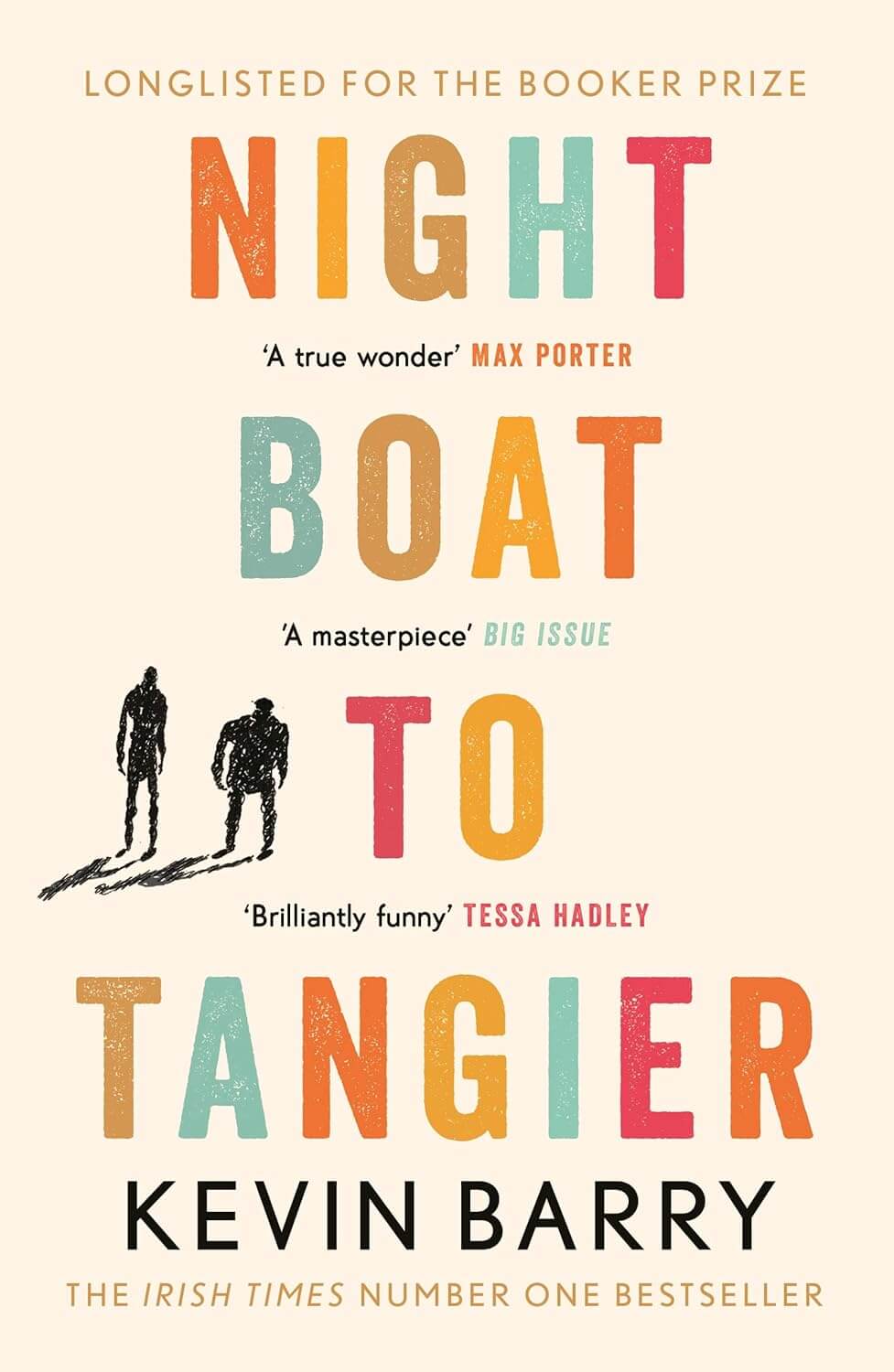
Night Boat to Tangier

Night Boat to Tangier

by Kevin Barry

Kevin Barry’s Night Boat to Tangier unfolds over a single night in a Spanish port, following two ageing Irish criminals waiting for news. Written in razor-sharp dialogue, the novel captures regret, friendship, and the weight of lost time. Barry’s language crackles with humour and melancholy. Beneath the banter lies profound grief and longing. The novel is brief but emotionally dense. A masterclass in voice and compression.

3.62
Literary Fiction
Melancholic
Wry
Intimate
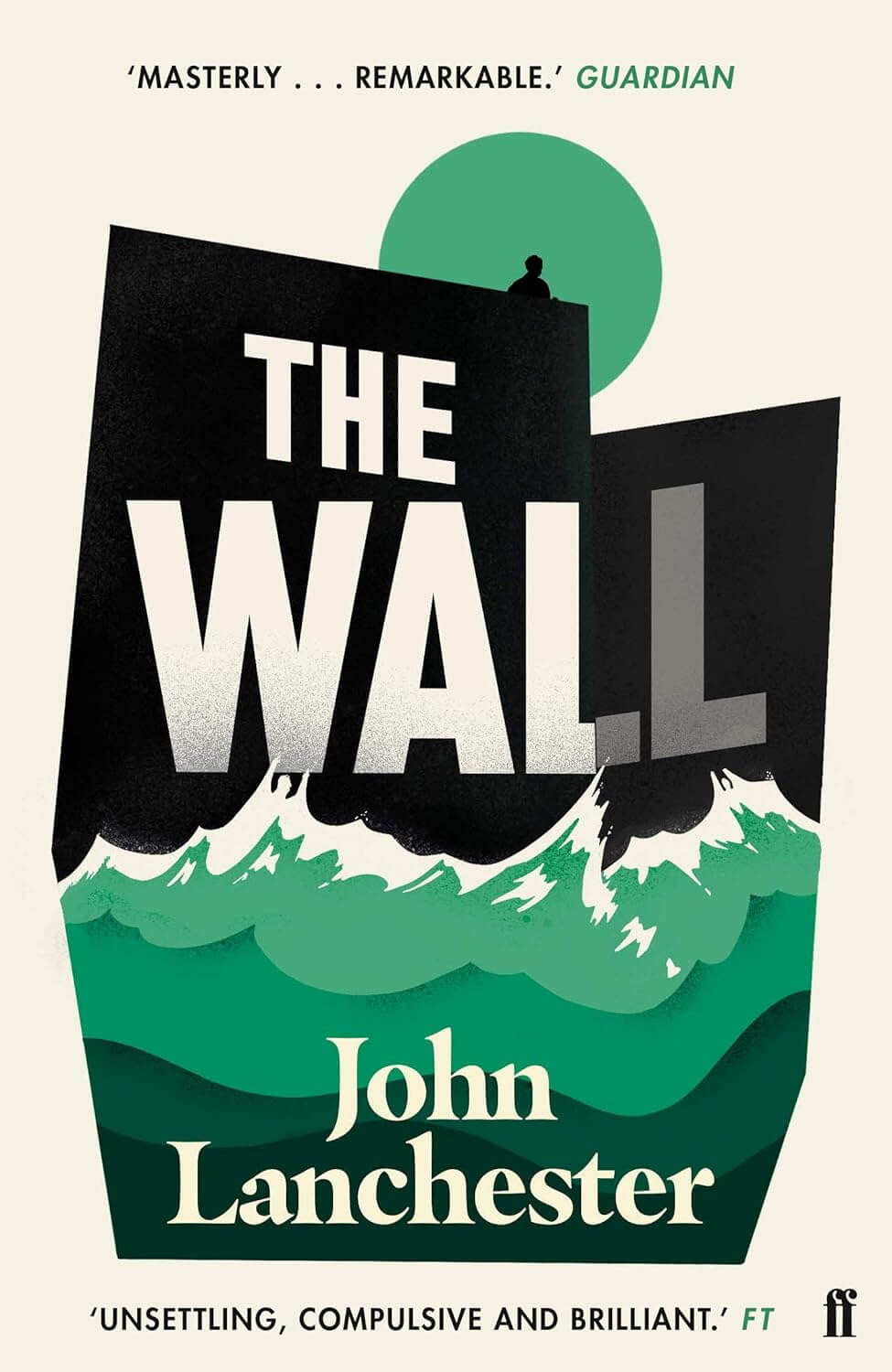
The Wall

The Wall

by John Lanchester

John Lanchester’s The Wall imagines a near-future Britain defined by climate catastrophe and exclusion. A literal wall protects the nation from rising seas and refugees, enforced by a generation tasked with guarding it. The novel explores guilt, inheritance, and moral responsibility with chilling restraint. Lanchester’s prose is spare and controlled, heightening the sense of inevitability. The book reads as both warning and allegory. Quietly devastating and timely.

3.58
Dystopian Fiction
Political Fiction
Bleak
Controlled
Foreboding
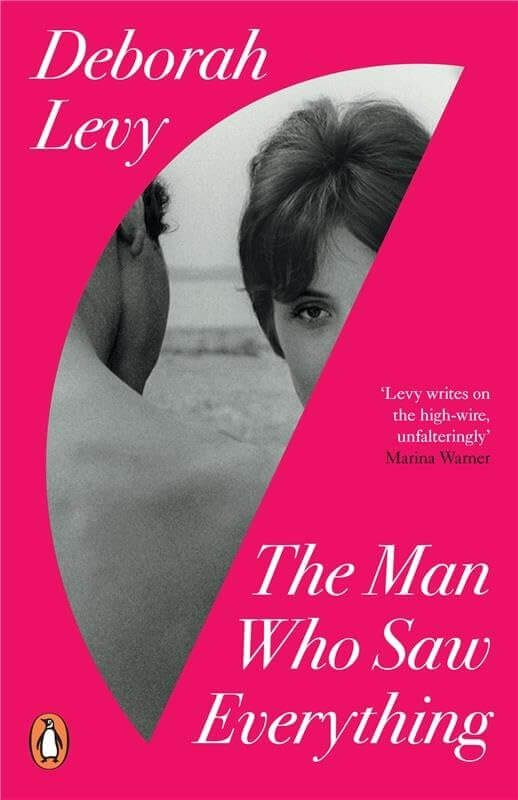
The Man Who Saw Everything

The Man Who Saw Everything

by Deborah Levy

Deborah Levy’s novel is a slippery, dreamlike meditation on memory, time, and political blindness. Centred on a historian who survives an accident in Berlin, the narrative folds past and present into each other. Levy plays with repetition and uncertainty, destabilising notions of truth. The novel probes masculinity, ideology, and self-deception. Its ambiguity invites rereading rather than resolution. A challenging, hypnotic work.

3.67
Literary Fiction
Experimental Fiction
Unsettling
Ambiguous
Hypnotic
Frankissstein

Frankissstein

by Jeanette Winterson

Jeanette Winterson’s Frankissstein reimagines Mary Shelley’s Frankenstein for the age of AI and gender fluidity. Blending historical narrative with contemporary speculation, the novel interrogates consciousness, embodiment, and desire. Winterson’s voice is playful yet philosophical, moving easily between humour and seriousness. The book questions what it means to be human in a post-human future. Its ideas sometimes outpace its characters, but its ambition is exhilarating. A bold, speculative reinvention.

3.53
Speculative Fiction
Literary Fiction
Playful
Intellectual
Provocative