Booker Prize 2018

Twelve powerful novels exploring voice, power, intimacy, and the pressures of modern life

The 2018 Booker Prize longlist brings together novels that experiment boldly with form while remaining deeply attuned to social and political realities. These books explore marginalisation, violence, environmental collapse, love, and belonging, often through innovative narrative structures and distinctive voices. Together, they reflect a literary moment willing to take risks in both style and subject.

Across the list, authors examine how individuals are shaped — and sometimes trapped — by family, class, history, and systems of power. From quiet psychological studies to sweeping historical and ecological narratives, the novels reveal how private lives intersect with public forces. Many of these works centre characters on the edges of society, insisting that their stories matter.

What unites the 2018 longlist is its intensity and ambition. These are books that demand attention, challenge assumptions, and linger in the mind. They demonstrate the Booker Prize’s ongoing commitment to fiction that is formally inventive, politically alert, and emotionally resonant.

Milkman
Winner

Milkman

by Anna Burns

Anna Burns’s Milkman is a darkly comic, unsettling novel set in an unnamed Northern Irish community during the Troubles. Told through a breathless, looping narrative voice, it follows a young woman stalked by a powerful older man. Burns captures the suffocating atmosphere of surveillance, gossip, and unspoken rules with remarkable precision. The novel explores how control operates through language and silence. Its humour sharpens rather than softens its critique. Challenging but unforgettable, it is a novel that reshapes how political fear is rendered on the page.

3.53
Literary Fiction
Political Fiction
Claustrophobic
Darkly Funny
Intense
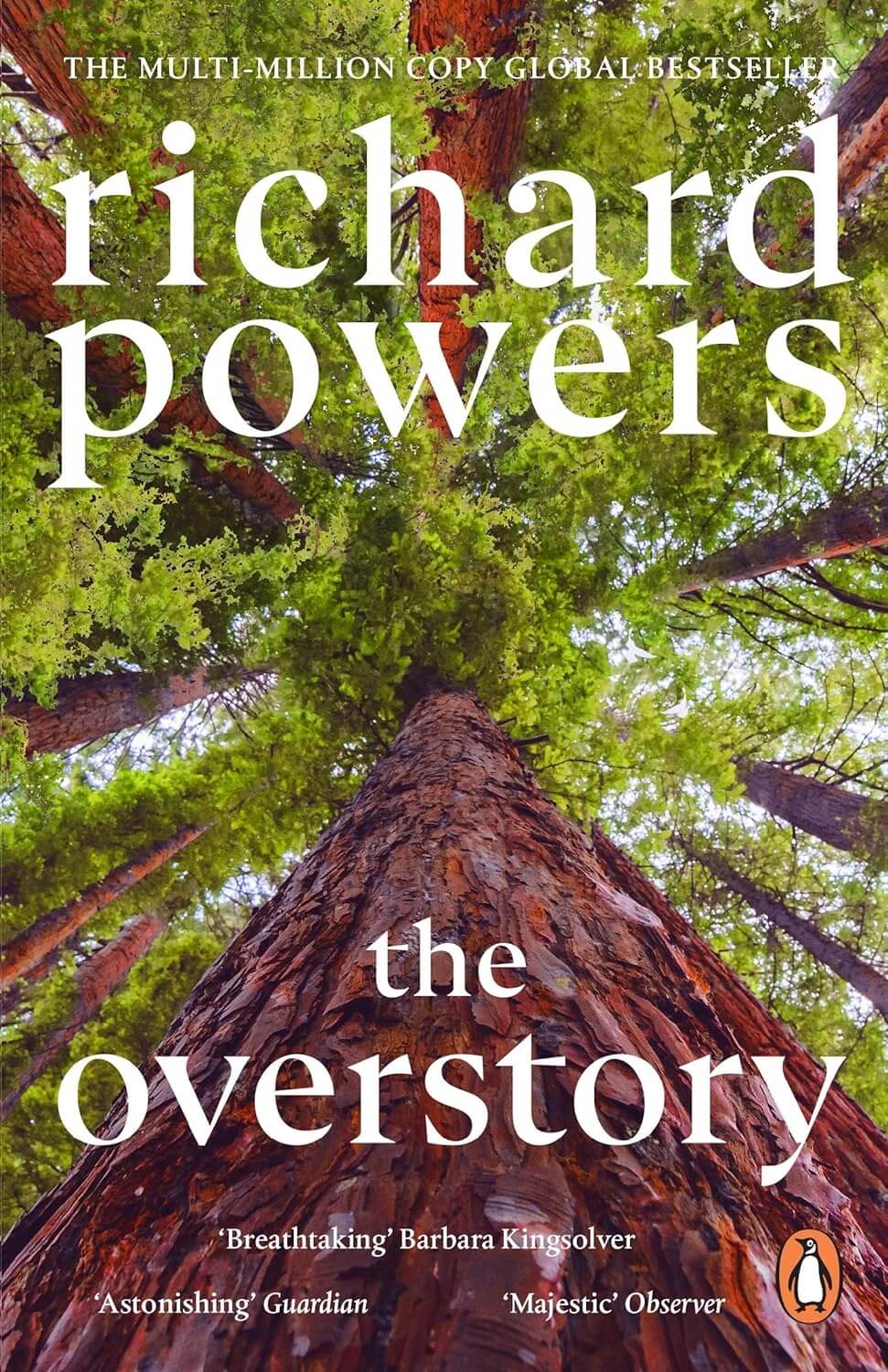
The Overstory
Shortlisted

The Overstory

by Richard Powers

Richard Powers’s The Overstory is an ambitious, polyphonic novel placing trees at the centre of human history. Interweaving multiple characters, the book explores environmental activism, science, and interconnectedness. Powers writes with awe and urgency, reframing humanity’s relationship to nature. The novel challenges anthropocentric storytelling on an epic scale. Its ideas are vast, its emotions sincere. A landmark work of ecological fiction.

4.11
Literary Fiction
Climate Fiction
Awe-Inspiring
Urgent
Expansive
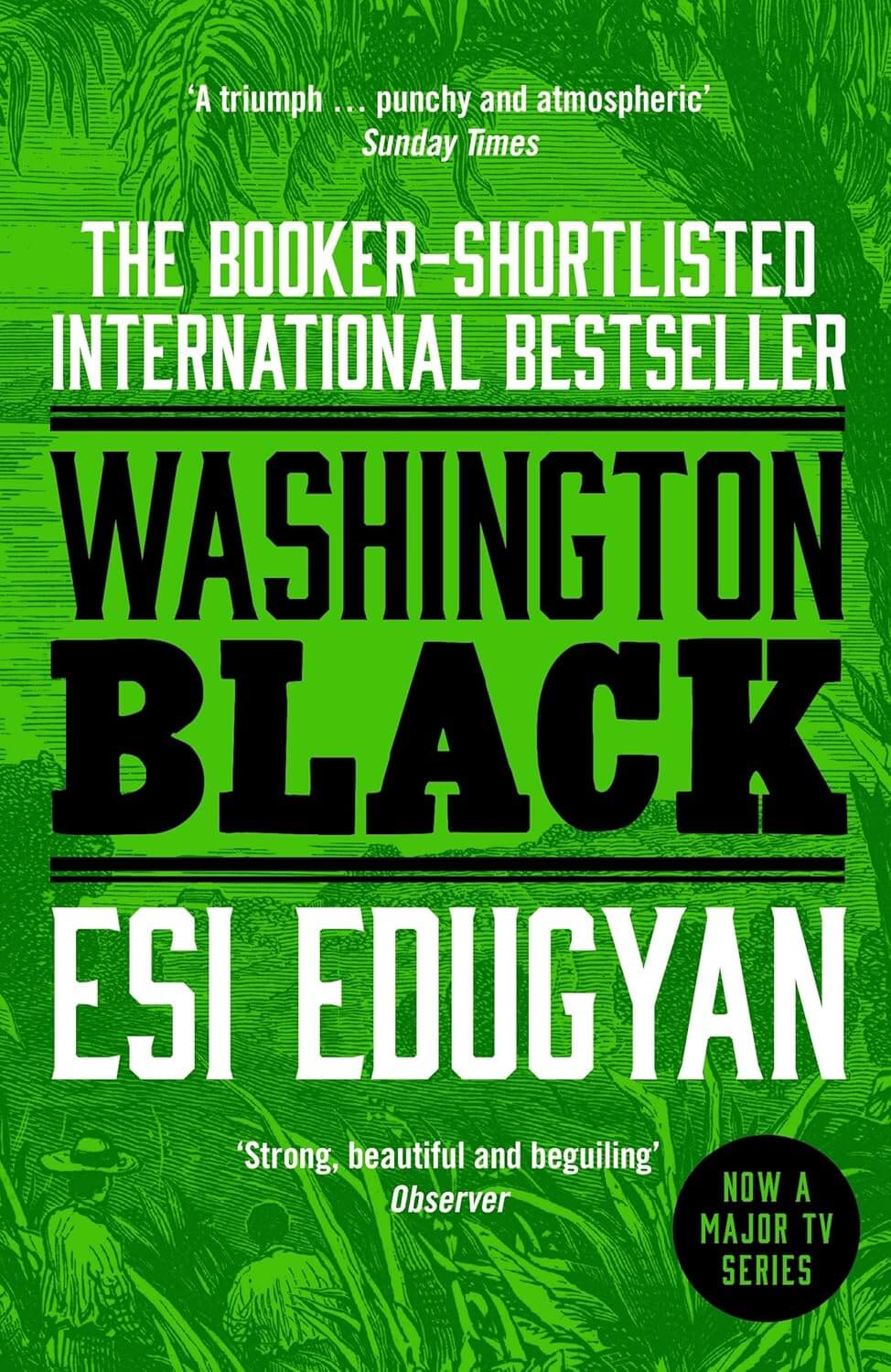
Washington Black
Shortlisted

Washington Black

by Esi Edugyan

Washington Black is a sweeping historical adventure that follows a formerly enslaved boy across continents and cultures. Esi Edugyan blends wonder with brutality, examining freedom, science, and self-invention. The novel reworks the adventure genre to centre Black experience and moral complexity. Edugyan’s prose is vivid and expansive, moving from plantations to Arctic ice. Beneath the spectacle lies a meditation on belonging and power. It is both thrilling and thoughtful.

3.95
Historical Fiction
Adventure
Expansive
Hopeful
Reflective
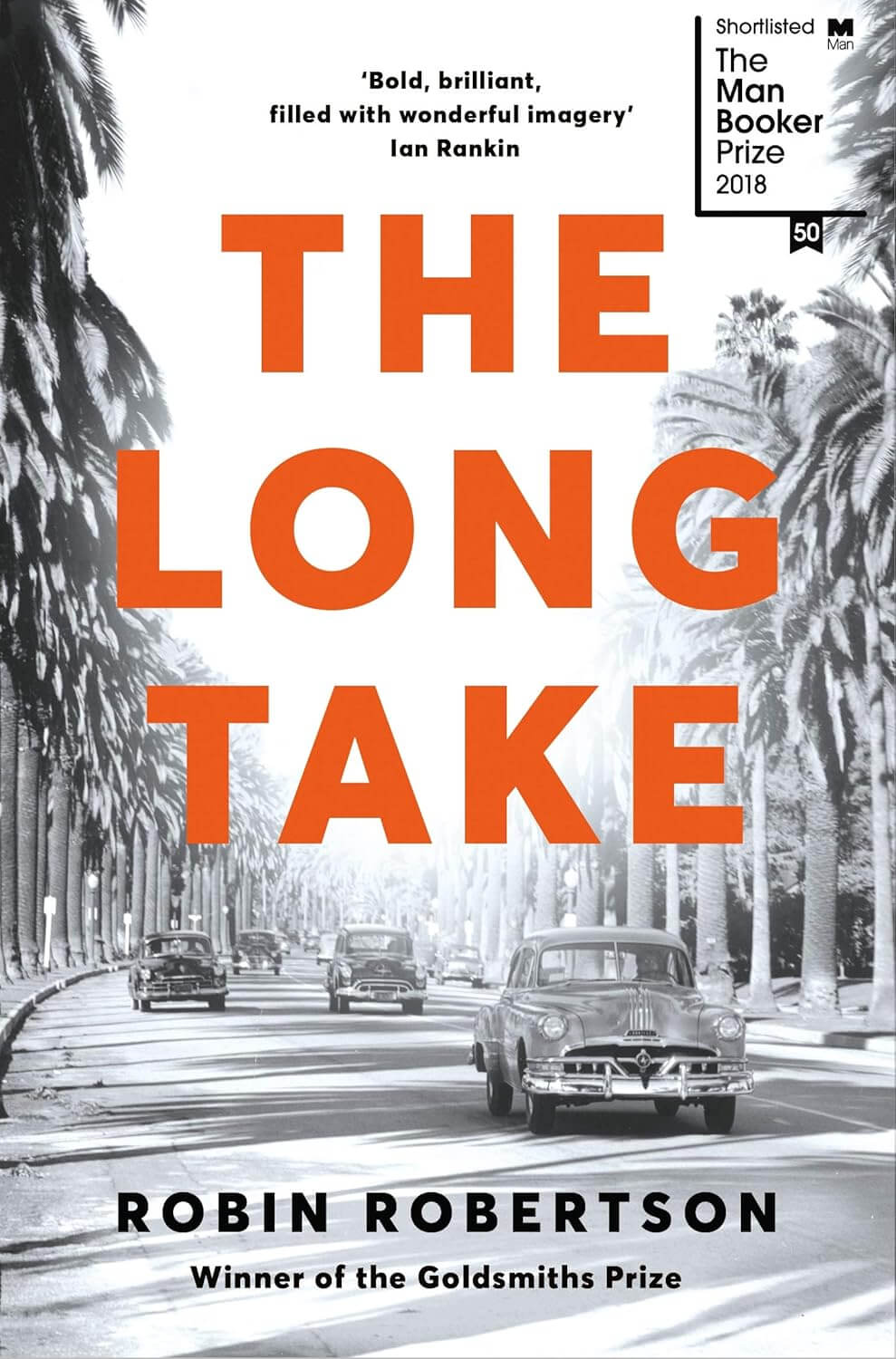
The Long Take
Shortlisted

The Long Take

by Robin Robertson

Robin Robertson’s The Long Take is a verse novel that blends poetry, noir, and social history. Set in post-war America, it follows a traumatized veteran drifting through cities scarred by violence and inequality. Robertson’s cinematic language captures urban decay and moral dislocation with haunting clarity. The novel confronts racism, housing injustice, and PTSD. Its formal daring deepens its emotional impact. A striking fusion of lyricism and political witness.

3.83
Verse Novel
Literary Fiction
Haunting
Atmospheric
Somber
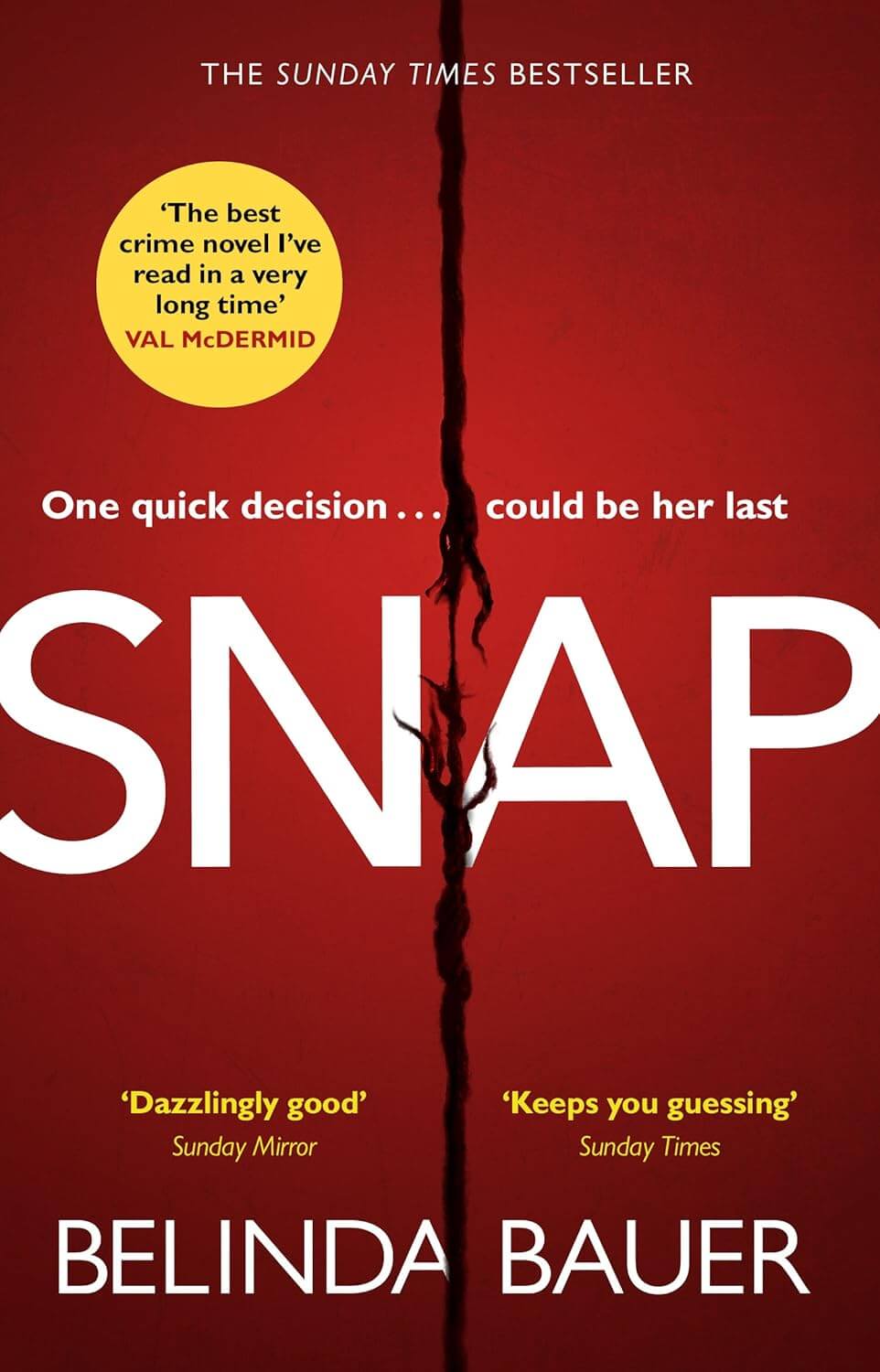
Snap

Snap

by Belinda Bauer

Belinda Bauer’s Snap is a tense, compassionate crime novel that avoids easy thrills. Beginning with a mother’s disappearance, the story explores the long aftermath of violence on children’s lives. Bauer balances suspense with emotional depth, focusing on vulnerability and resilience. The novel resists sensationalism in favour of humanity. Its pacing is tight, its characters vivid. A crime novel with a conscience.

3.81
Crime Fiction
Literary Thriller
Tense
Empathetic
Compelling
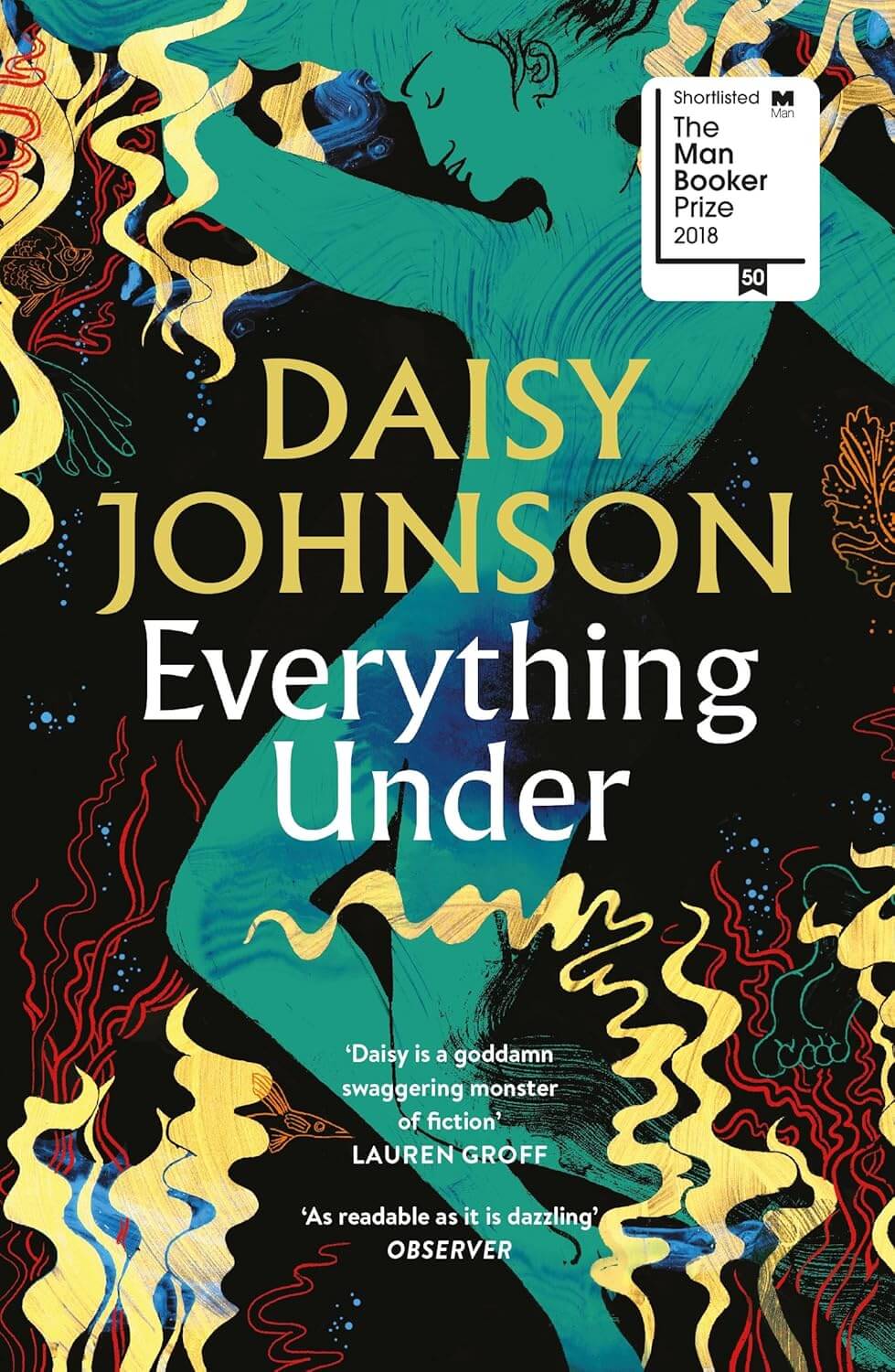
Everything Under
Shortlisted

Everything Under

by Daisy Johnson

Daisy Johnson’s debut is a dark, lyrical retelling of the Oedipus myth set along English rivers. The novel explores mother–daughter bonds, language, and buried trauma. Johnson’s prose is spare yet hypnotic, steeped in water and memory. The story unfolds through fragments, creating a sense of dread and inevitability. It is both intimate and mythic. A bold and unsettling reimagining of ancient tragedy.

3.50
Literary Fiction
Mythic Fiction
Eerie
Lyrical
Unsettling
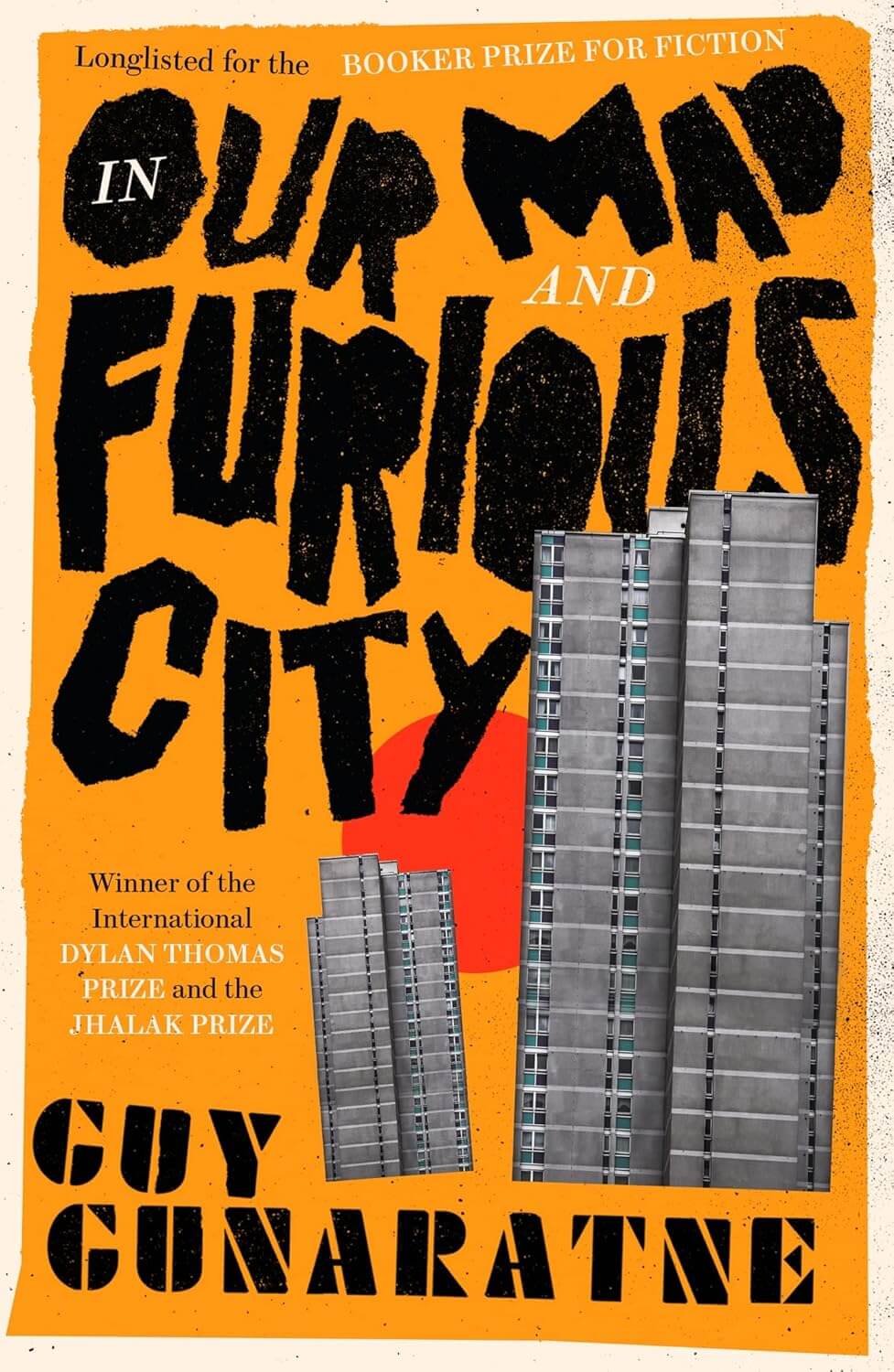
In Our Mad and Furious City

In Our Mad and Furious City

by Guy Gunaratne

Guy Gunaratne’s debut captures London on the brink, told through multiple voices in the aftermath of a terrorist attack. The novel pulses with urgency, anger, and tenderness. Gunaratne portrays masculinity, friendship, and racial tension with raw honesty. The city feels alive, fractured, and volatile. His language is energetic and musical. A powerful portrait of a generation under pressure.

3.87
Literary Fiction
Political Fiction
Urgent
Angry
Energetic
The Mars Room
Shortlisted

The Mars Room

by Rachel Kushner

Rachel Kushner’s The Mars Room is set largely inside a women’s prison in California. Through the story of Romy Hall, Kushner exposes the brutality and indifference of the American penal system. The novel blends social realism with sharp character studies, refusing sentimentality. Kushner gives voice to lives society prefers to ignore. The prose is cool, controlled, and devastating. A fierce indictment of structural injustice.

3.44
Literary Fiction
Social Commentary
Bleak
Angry
Unflinching
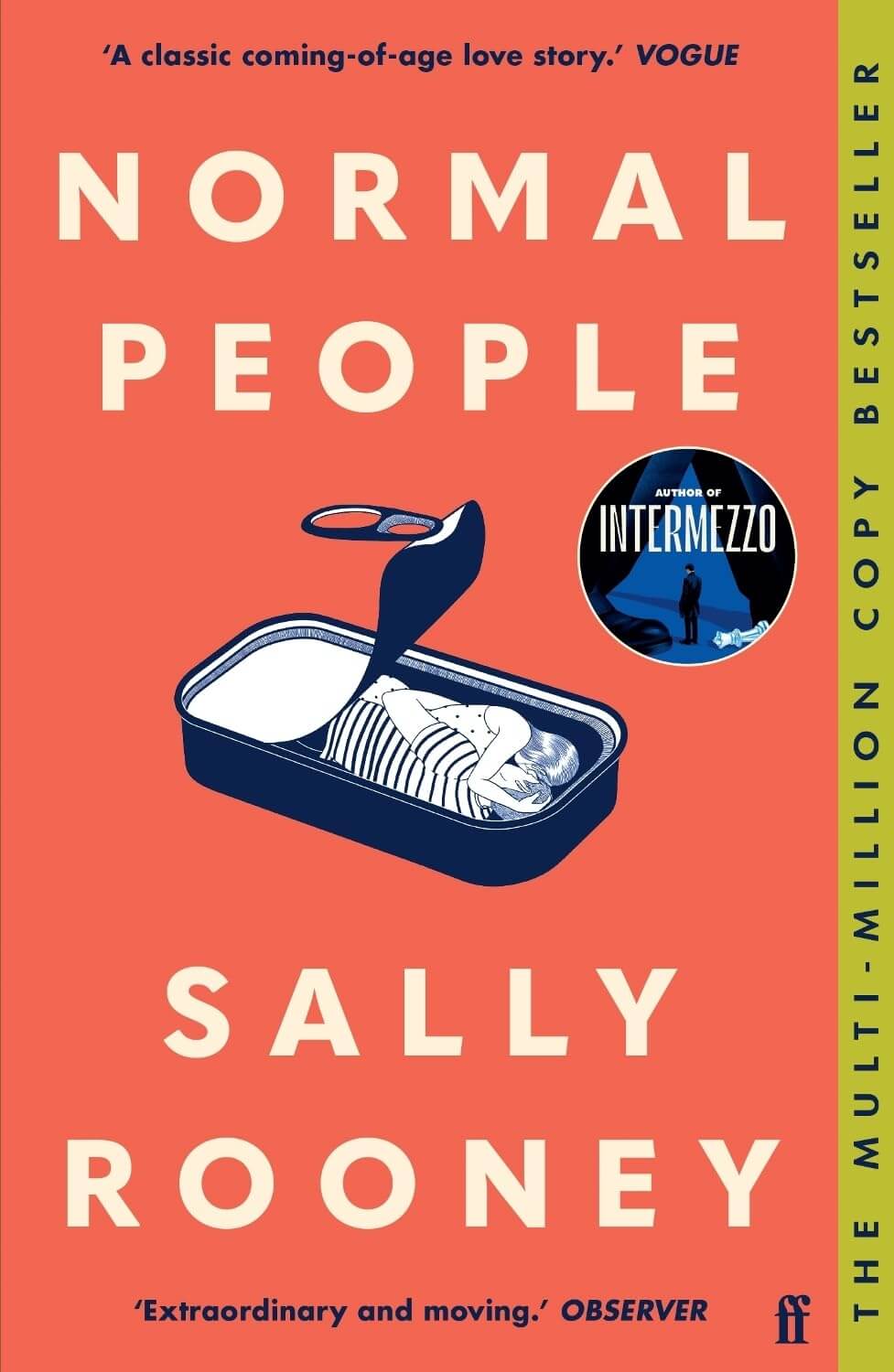
Normal People

Normal People

by Sally Rooney

Sally Rooney’s Normal People traces the evolving relationship between two young people navigating class, intimacy, and vulnerability. Rooney’s style is spare and emotionally precise, capturing miscommunication and longing. The novel explores how power shifts within relationships. Its quietness amplifies its emotional force. The characters feel achingly real. A defining novel of millennial intimacy.

3.81
Contemporary Fiction
Literary Fiction
Tender
Melancholic
Intimate
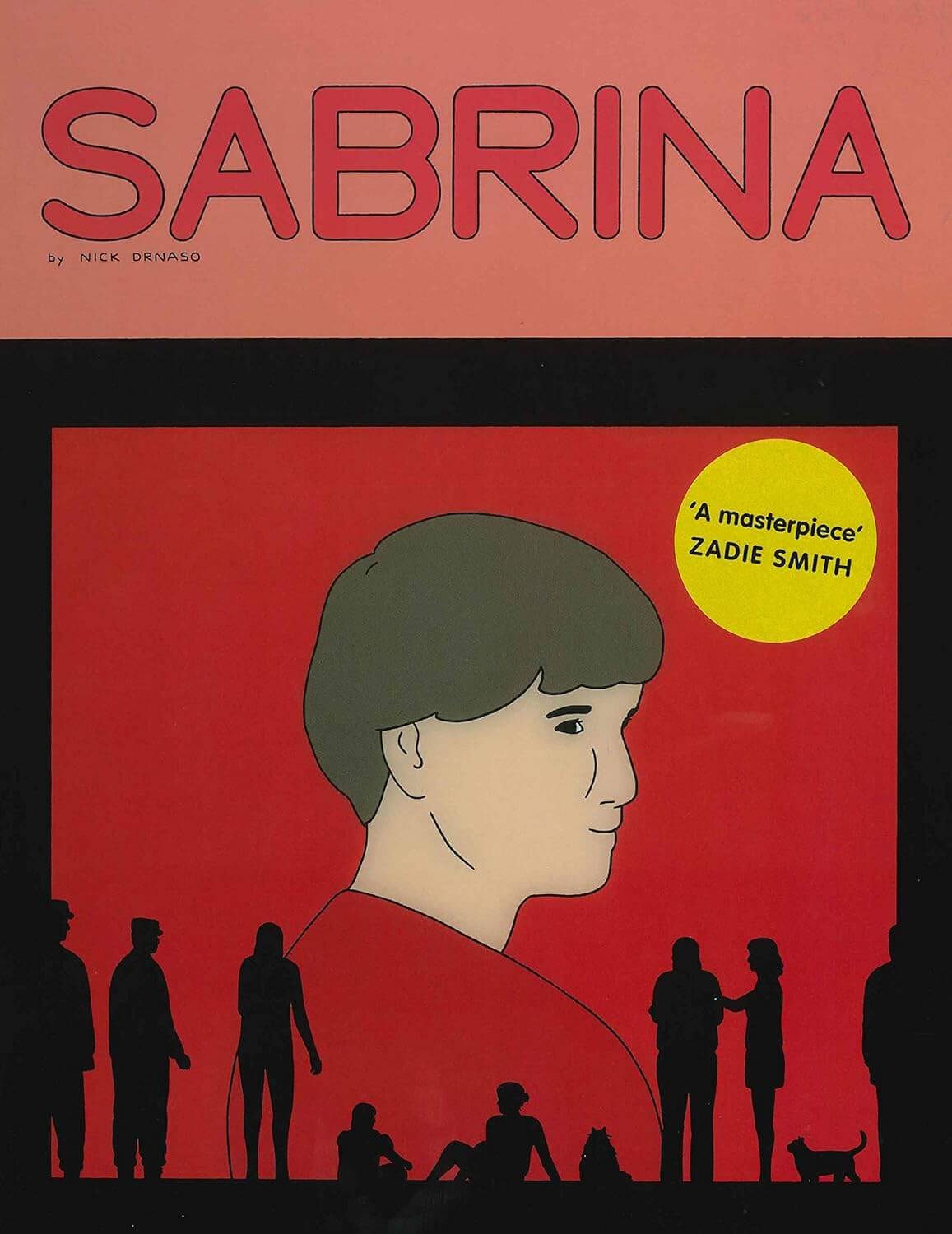
Sabrina

Sabrina

by Nick Drnaso

Sabrina is a graphic novel that examines grief, conspiracy, and media saturation in contemporary America. Drnaso’s minimalist art mirrors emotional numbness and alienation. The story explores how tragedy becomes distorted through online paranoia. Its restraint heightens its unsettling impact. The book feels eerily prescient. Quiet, chilling, and deeply unsettling.

3.83
Graphic Novel
Literary Fiction
Chilling
Detached
Unsettling
Warlight

Warlight

by Michael Ondaatje

Michael Ondaatje’s Warlight is a luminous novel about childhood, secrecy, and the aftermath of war. Set in postwar London, it follows siblings left in the care of mysterious guardians. Ondaatje’s prose is graceful and elliptical, revealing truth slowly. The novel explores memory and the partial nature of knowledge. It is tender and atmospheric. A quiet meditation on history’s shadows.

3.60
Literary Fiction
Historical Fiction
Dreamlike
Reflective
Gentle
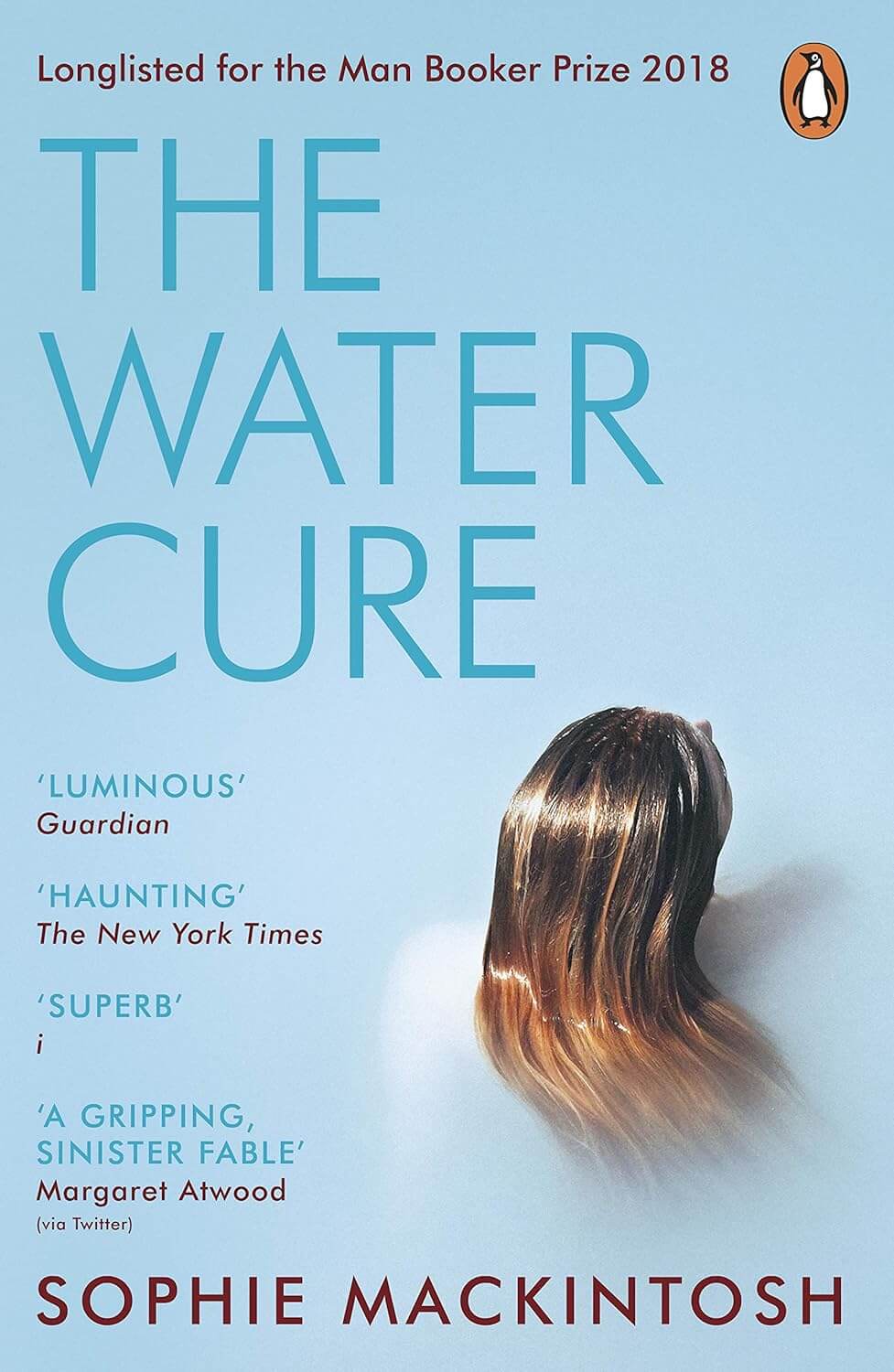
The Water Cure

The Water Cure

by Sophie Mackintosh

Sophie Mackintosh’s dystopian debut imagines sisters raised in isolation to fear male violence. The novel explores control, trauma, and female embodiment through unsettling imagery. Mackintosh’s prose is spare and hypnotic. The story resists clear allegory, instead building dread through atmosphere. It interrogates how fear is taught and inherited. Disturbing and provocative.

3.26
Dystopian Fiction
Literary Fiction
Eerie
Oppressive
Provocative