Booker Prize 2017

Thirteen bold novels redefining form, history, and the politics of human connection

The 2017 Booker Prize longlist is marked by extraordinary formal ambition and moral range. These novels push against traditional storytelling, experimenting with structure, voice, and chronology while tackling urgent themes such as migration, war, race, identity, and collective memory. Together, they reflect a world shaped by displacement and upheaval, where private lives are inseparable from public histories.

Across the list, authors revisit the past to illuminate the present — from slavery in America and conflict in Ireland to the legacies of empire and ideological violence. Others turn inward, exploring grief, love, and the fragile architectures of family and community. Many of these novels blur realism with myth, history with fantasy, and the individual with the collective.

What unites the 2017 selection is its confidence in fiction as a space of possibility and resistance. These books challenge readers to reimagine how stories can be told and whose voices deserve to be heard. They are intellectually daring, emotionally resonant, and deeply attuned to the political currents shaping contemporary life.
Lincoln in the Bardo
Winner

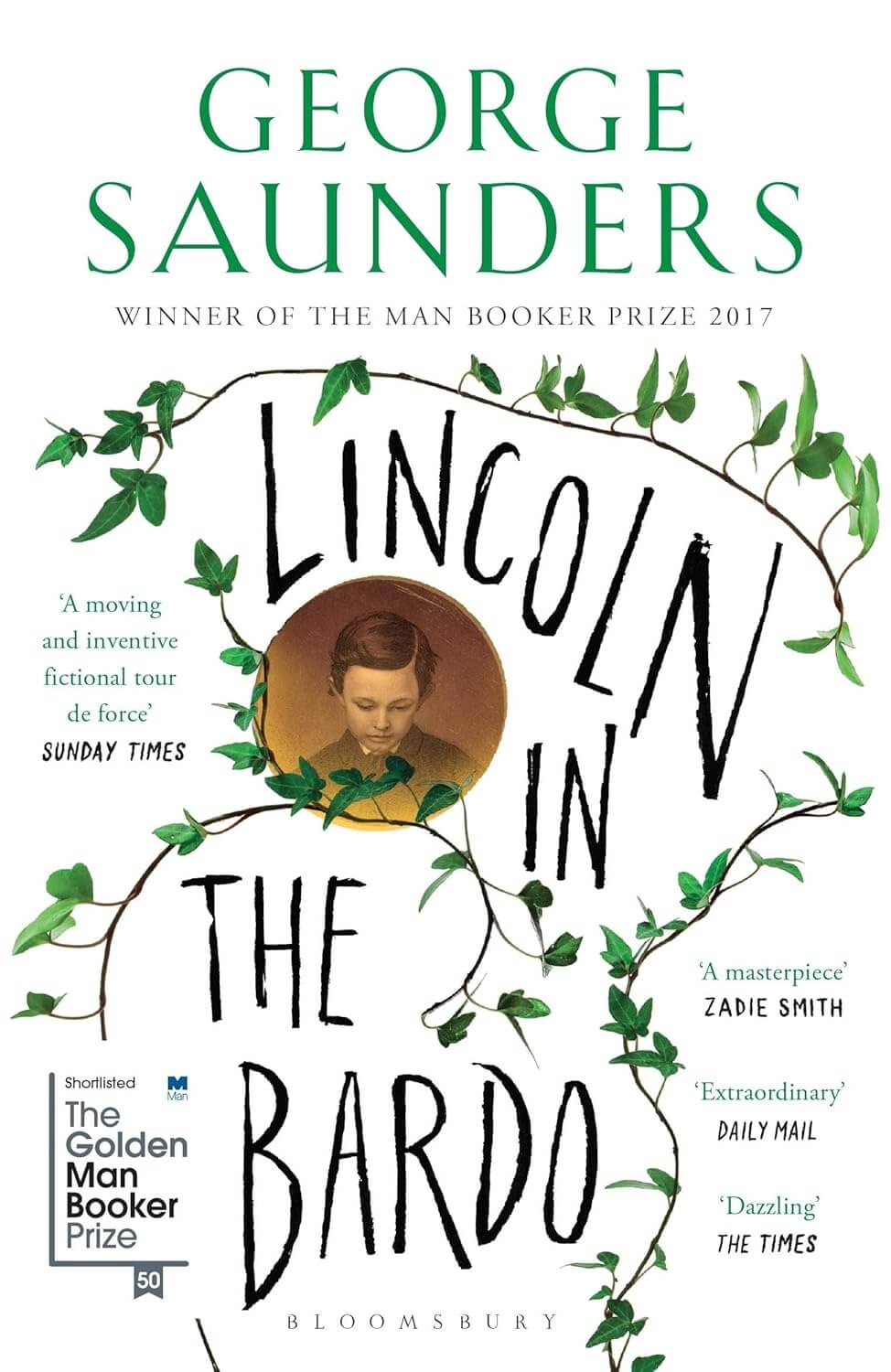
Lincoln in the Bardo

by George Saunders

George Saunders’s Lincoln in the Bardo is a formally inventive novel set during a single night in a Washington graveyard. Blending historical fact with a chorus of ghostly voices, the book explores grief following the death of Abraham Lincoln’s young son. Saunders uses humour, fragmentation, and empathy to examine loss and moral responsibility. The voices overlap and interrupt, creating a sense of communal suffering. Beneath the experimental form lies deep tenderness. It is both playful and profoundly moving.

3.75
Literary Fiction
Experimental Fiction
Tender
Playful
Poignant
4 3 2 1
Shortlisted

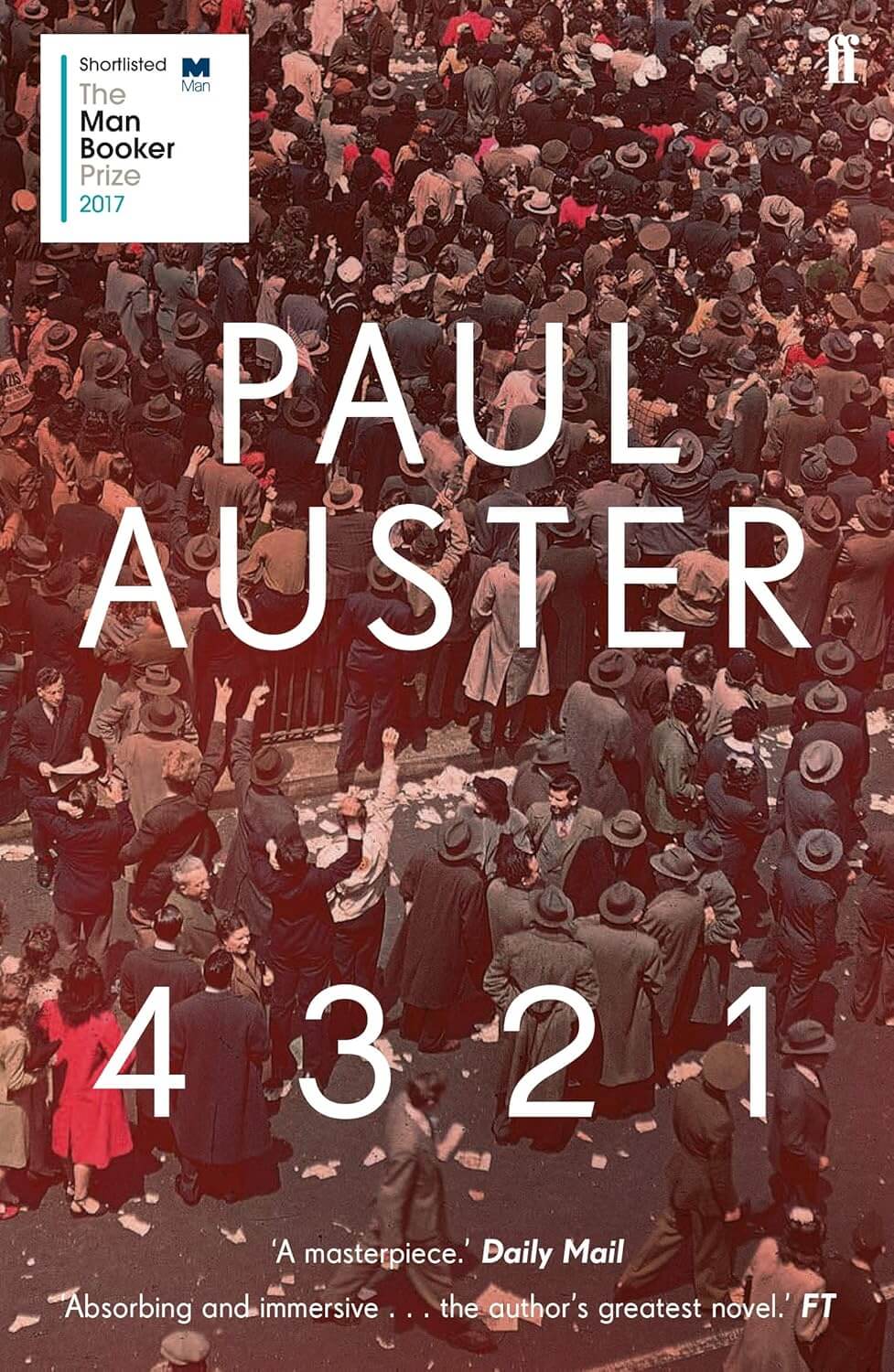
4 3 2 1

by Paul Auster

Paul Auster’s 4 3 2 1 follows four parallel versions of one life, shaped by chance and circumstance. Through Archie Ferguson’s multiple trajectories, Auster explores identity, politics, love, and the American twentieth century. The novel is expansive and reflective, tracing how small divergences lead to radically different outcomes. Auster’s prose is assured and nostalgic, attentive to cultural detail. The book invites readers to consider fate, choice, and the stories we tell ourselves. A sweeping meditation on possibility.

3.97
Literary Fiction
Expansive
Reflective
Nostalgic
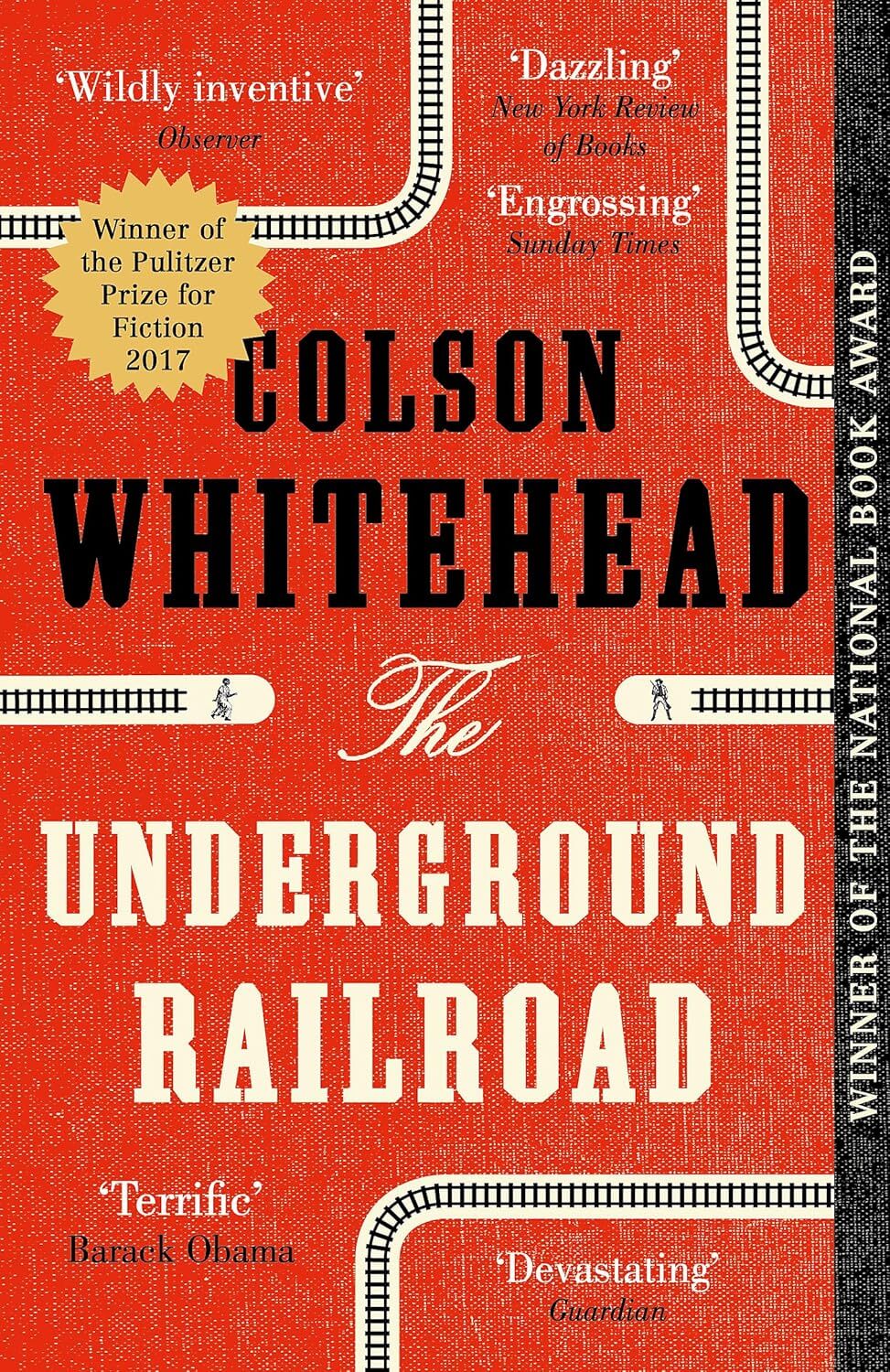
The Underground Railroad

The Underground Railroad

by Colson Whitehead

Colson Whitehead’s novel reimagines the Underground Railroad as a literal subterranean network. Following Cora’s escape from slavery, the book moves through alternate versions of American history. Whitehead blends realism with allegory to confront racial terror and resistance. The prose is controlled and devastating. Each state becomes a moral experiment. A powerful reworking of the American historical novel.

4.06
Historical Fiction
Grave
Powerful
Unflinching
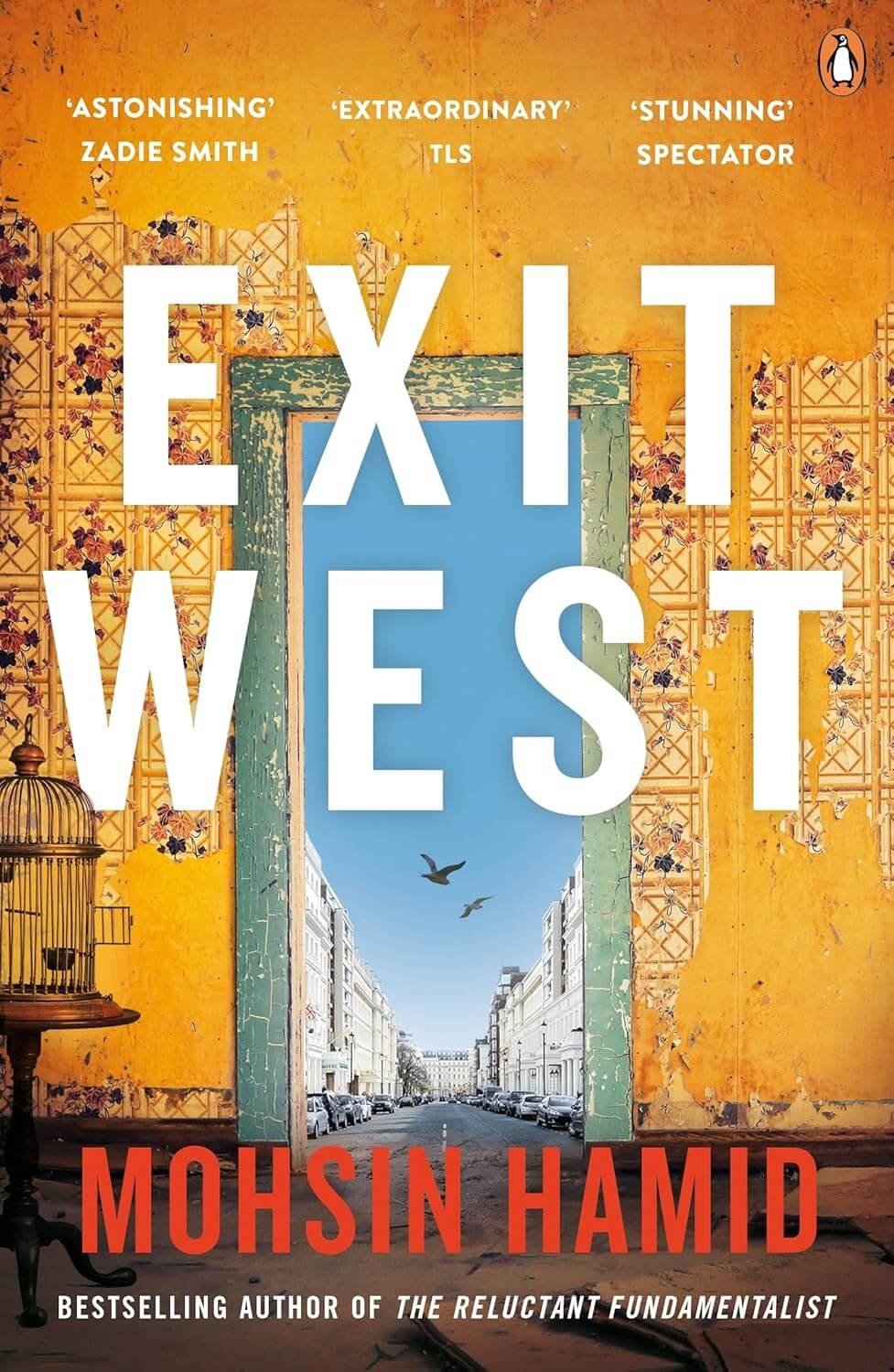
Exit West
Shortlisted

Exit West

by Mohsin Hamid

Exit West uses elements of magical realism to tell a story of love and migration in a world of closing borders. Through mysterious doors that transport refugees across the globe, Hamid explores displacement with grace and restraint. The novel resists spectacle, focusing instead on emotional transitions. Hamid’s prose is spare and lyrical, marked by compassion. The book reimagines migration as both loss and transformation. A gentle yet powerful meditation on movement and belonging.

3.74
Literary Fiction
Political Fiction
Hopeful
Reflective
Gentle
Elmet
Shortlisted

Elmet

by Fiona Mozley

Fiona Mozley’s Elmet is a dark, lyrical novel set in rural Yorkshire. It tells the story of a father and his children living outside the law, resisting landowners and authority. Mozley’s prose is rich and elemental, steeped in landscape. The novel examines power, masculinity, and inheritance. Violence simmers beneath the pastoral surface. It is both mythic and political, intimate and stark.

3.78
Literary Fiction
Brooding
Mythic
Intense
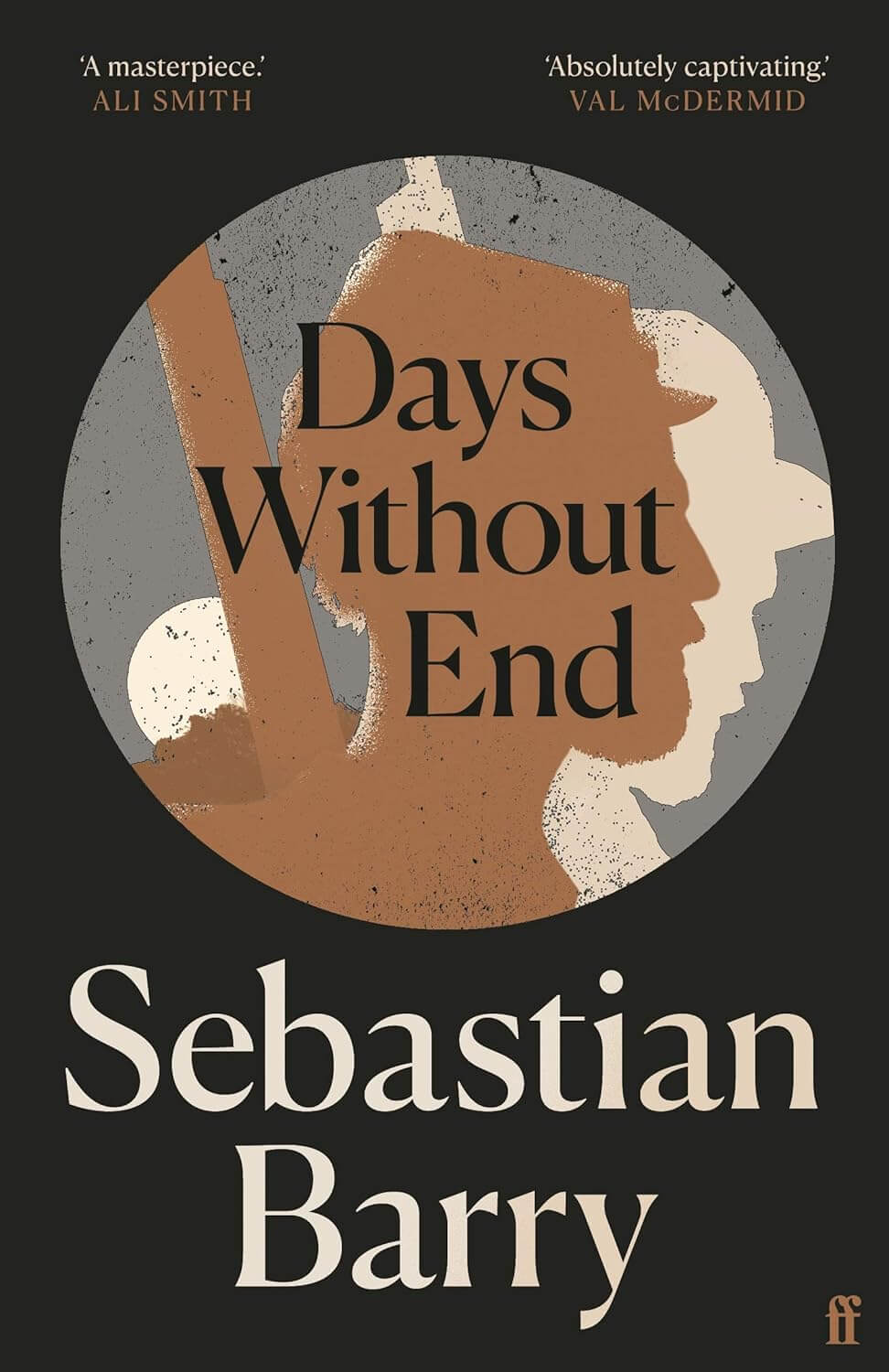
Days Without End

Days Without End

by Sebastian Barry

Sebastian Barry’s novel follows two Irish immigrants fighting in the American Civil War and Indian Wars. Written in a tender, lyrical voice, the book explores love, violence, and survival. Barry humanises soldiers often erased from history, particularly queer men. The prose is intimate and poetic, softening brutality without denying it. The novel is both epic and deeply personal. A moving meditation on endurance and devotion.

3.97
Historical Fiction
Tender
Poignant
Lyrical
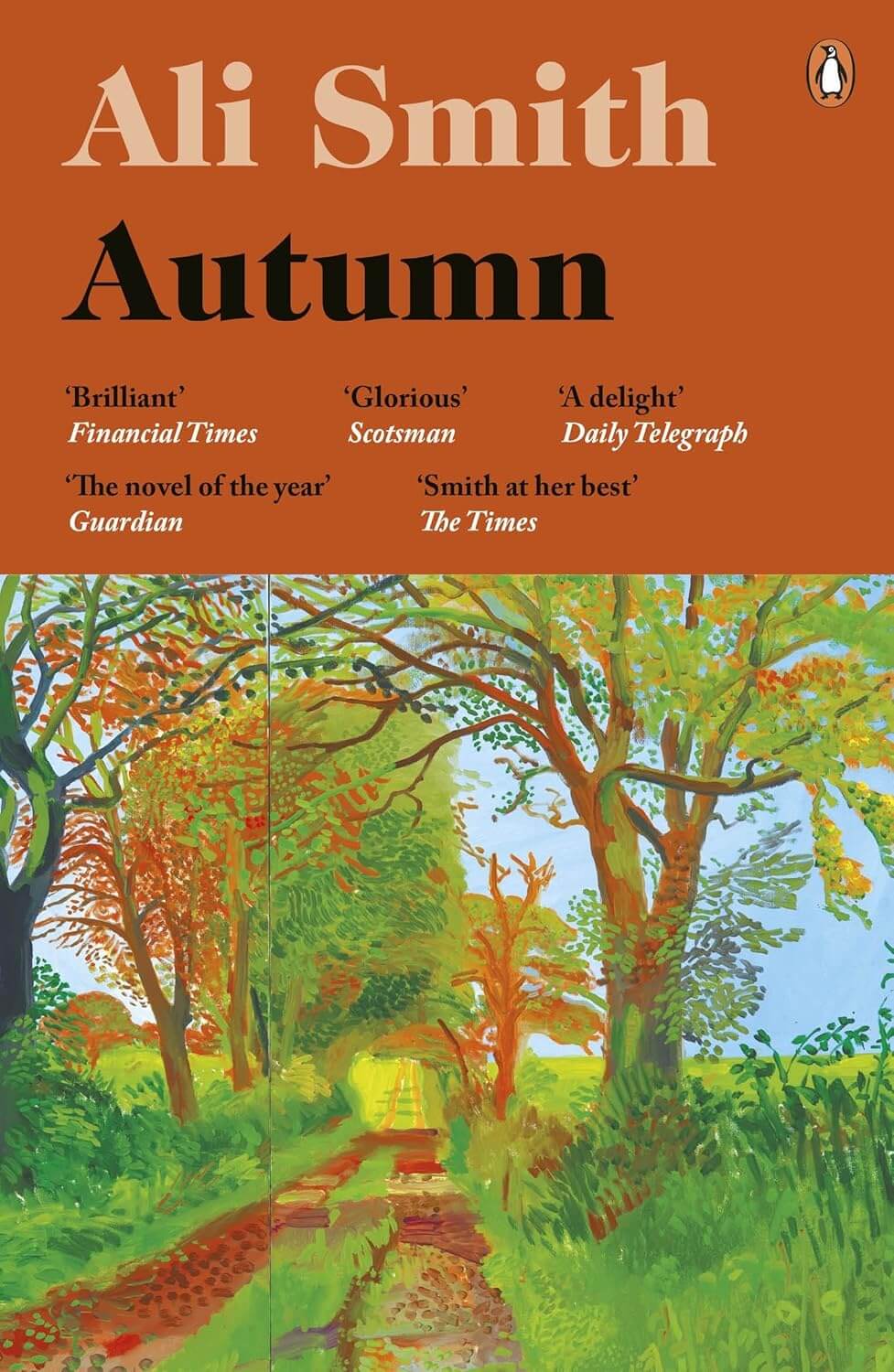
Autumn
Shortlisted

Autumn

by Ali Smith

Ali Smith’s Autumn is a formally playful, responsive novel written in the immediate aftermath of the Brexit referendum. Blending memory, art, and political reflection, the book captures a nation in flux. Smith moves fluidly between generations and ideas, privileging connection over certainty. Her language is inventive and alive. The novel asks how to live with openness in divisive times. It is timely, humane, and quietly defiant.

3.65
Literary Fiction
Political Fiction
Inventive
Reflective
Hopeful
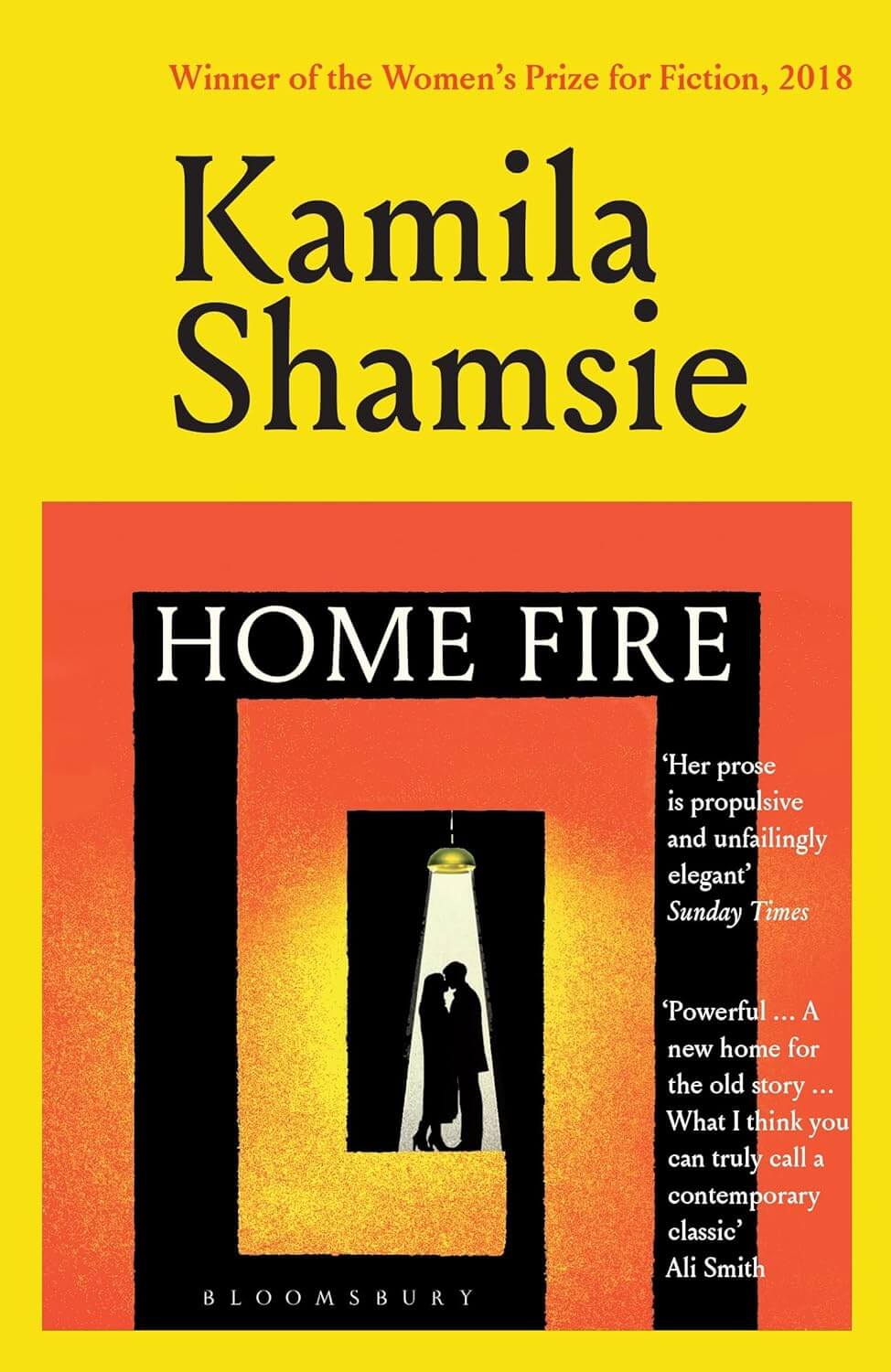
Home Fire

Home Fire

by Kamila Shamsie

Kamila Shamsie reworks Antigone in a contemporary British context, exploring citizenship, loyalty, and extremism. The novel centres on a British Muslim family torn apart by politics and ideology. Shamsie’s prose is clear and urgent, her characters vividly drawn. The book interrogates who belongs and who is excluded. Tragedy unfolds with classical inevitability. A timely and emotionally resonant novel.

4.02
Literary Fiction
Political Fiction
Urgent
Tragic
Compassionate
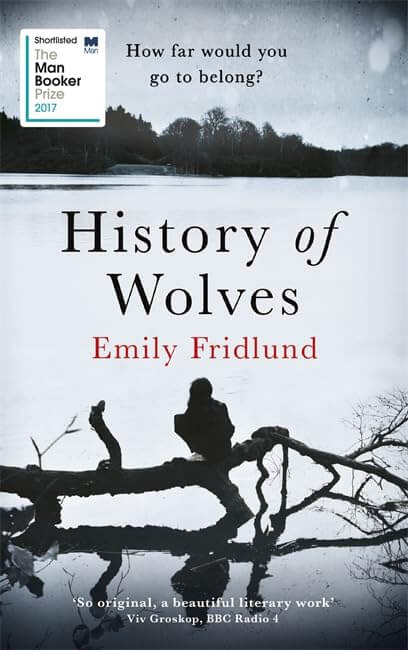
History of Wolves
Shortlisted

History of Wolves

by Emily Fridlund

Emily Fridlund’s debut is a tense, atmospheric novel set in the frozen landscapes of Minnesota. The story centres on a teenage girl drawn into the lives of a mysterious family with dangerous beliefs. Fridlund explores isolation, complicity, and moral failure with psychological precision. Her prose is restrained yet chilling, mirroring the coldness of the setting. The novel slowly reveals its stakes, building dread through understatement. A haunting and unsettling debut.

3.40
Literary Fiction
Psychological Drama
Eerie
Tense
Cold
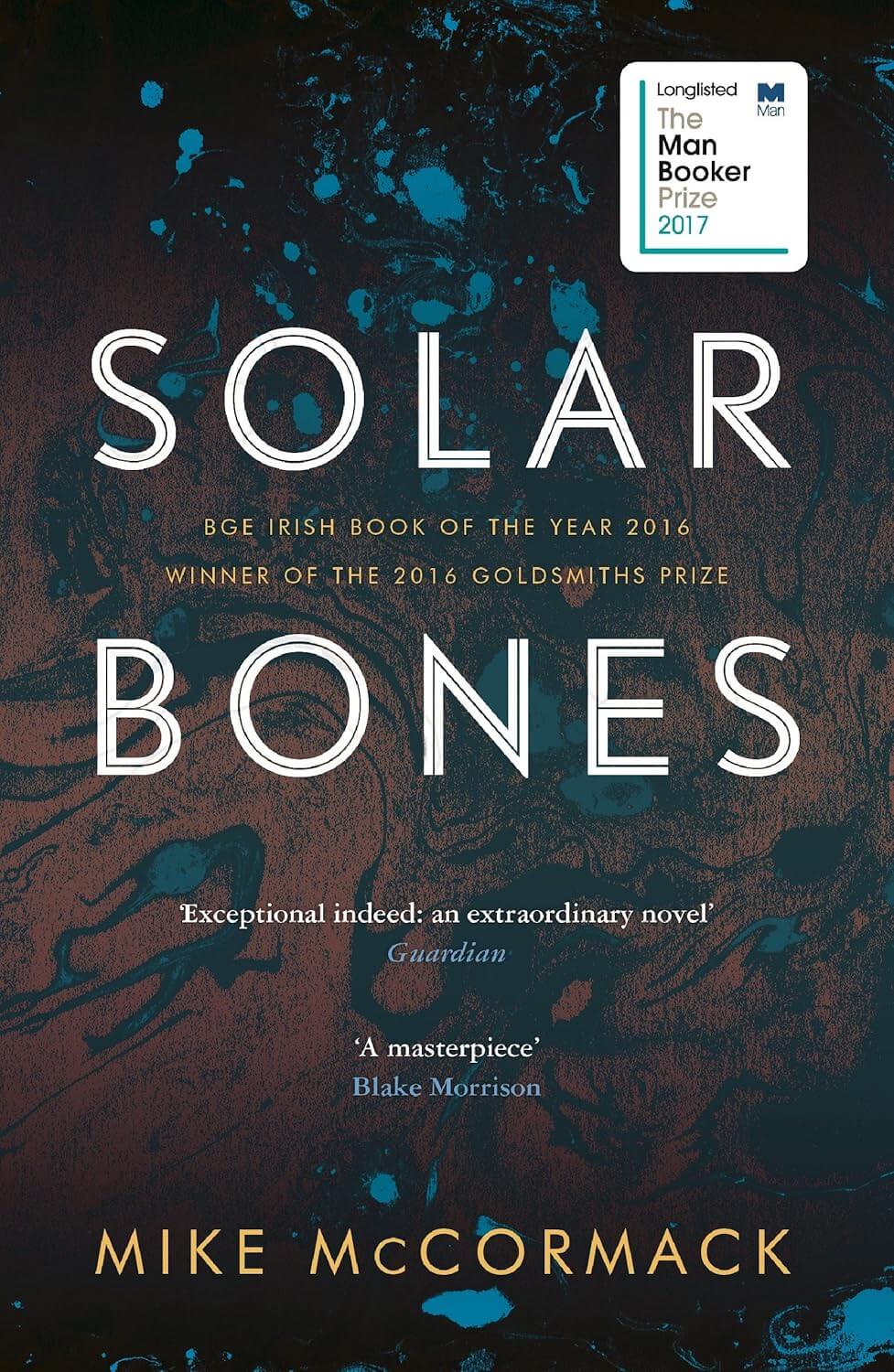
Solar Bones

Solar Bones

by Mike McCormack

Solar Bones unfolds as a single, flowing sentence reflecting on one man’s life in Ireland. Through memories of family, work, and faith, the novel captures the rhythms of ordinary existence. McCormack explores masculinity, civic responsibility, and mortality. The novel’s formal constraint deepens its emotional impact. It celebrates the fragile structures that hold lives together. Quietly profound and beautifully controlled.

3.80
Literary Fiction
Experimental Fiction
Meditative
Quiet
Reflective
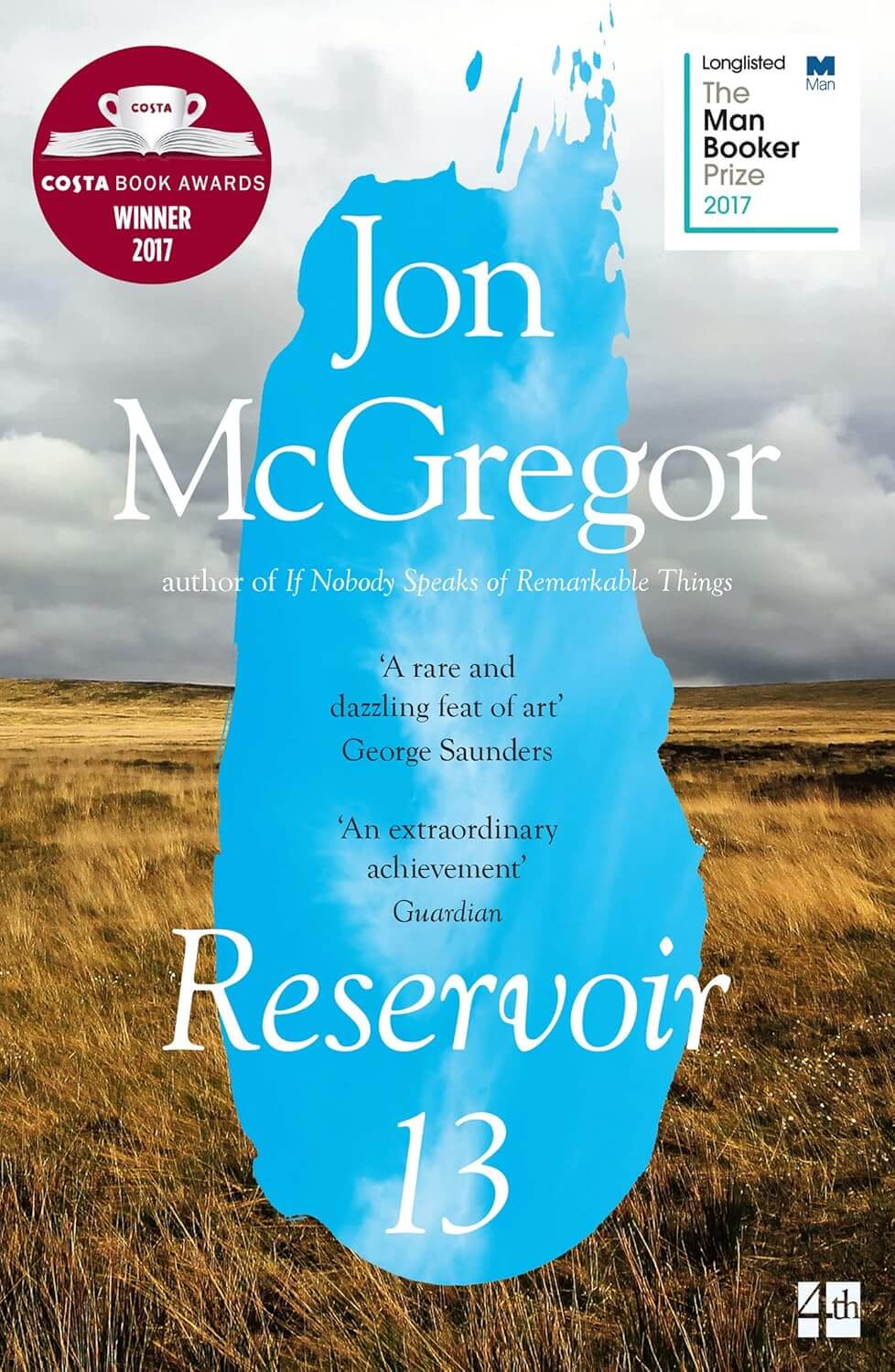
Reservoir 13

Reservoir 13

by Jon McGregor

Jon McGregor’s Reservoir 13 begins with the disappearance of a teenage girl but resists the conventions of crime fiction. Instead, it follows a village over thirteen years, observing cycles of life and loss. McGregor’s prose is patient and precise, attentive to nature and time. The absence at the centre never resolves, becoming part of the community’s fabric. The novel is quietly devastating. A study in endurance and attention.

3.55
Literary Fiction
Quiet
Melancholic
Observant
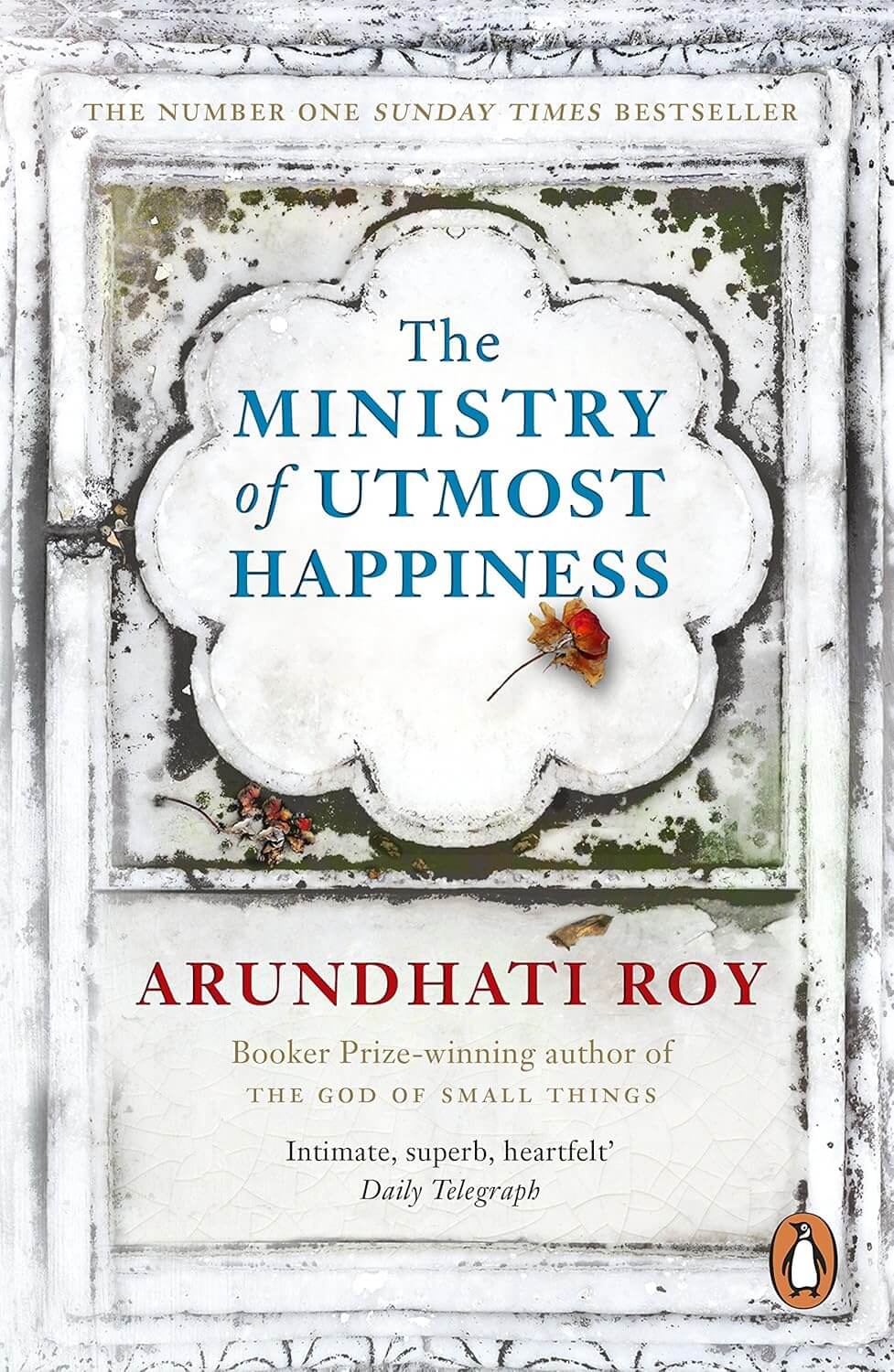
The Ministry of Utmost Happiness

The Ministry of Utmost Happiness

by Arundhati Roy

Arundhati Roy’s sprawling novel moves across decades and geographies in India, weaving together marginalised lives. The book blends realism with fable, rage with tenderness. Roy confronts caste, nationalism, violence, and love without restraint. The narrative resists linearity, mirroring the chaos it depicts. At its core is a belief in radical compassion. An ambitious, unruly, and deeply political novel.

3.55
Literary Fiction
Political Fiction
Fierce
Expansive
Defiant
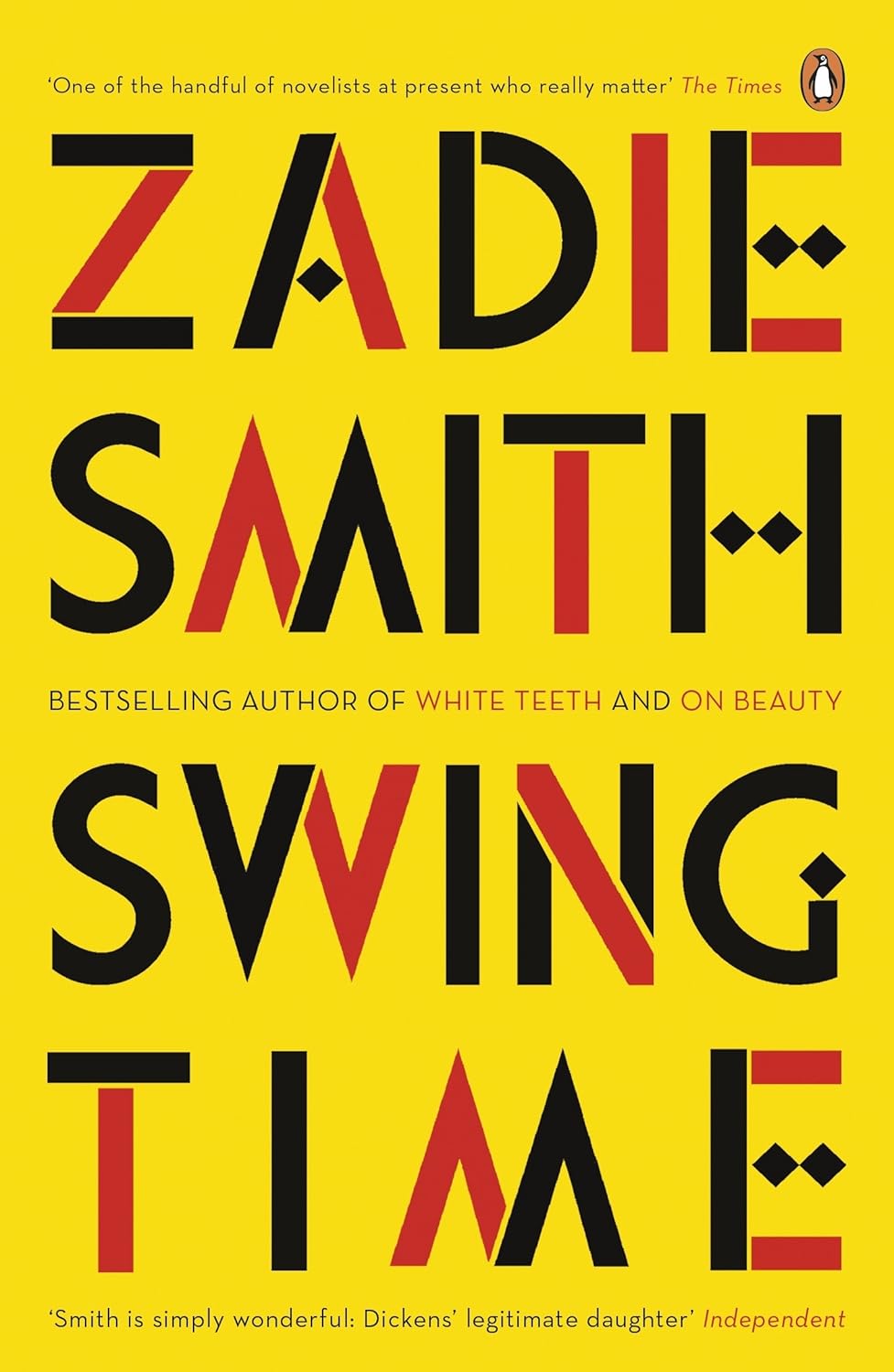
Swing Time

Swing Time

by Zadie Smith

Swing Time follows two girls bonded by a love of dance and divided by class and opportunity. Zadie Smith explores friendship, ambition, and cultural appropriation across continents. Her prose is agile and observant, rich with social insight. The novel examines how power operates within intimacy. Smith balances humour with critique. A nuanced exploration of identity in a globalised world.

3.56
Literary Fiction
Observant
Reflective
Nuanced