Booker Prize 2015

Thirteen ambitious novels exploring violence, intimacy, belief, and the search for meaning

The 2015 Booker Prize longlist brings together novels of remarkable emotional range and narrative ambition. These books grapple with violence — personal, political, and historical — alongside themes of love, faith, family, and survival. From sprawling epics to quiet, interior studies, the list reflects fiction’s power to confront both the brutal and the tender aspects of human experience.

Across continents and centuries, the novels examine how individuals are shaped by forces beyond their control: colonial histories, economic migration, religious belief, and social upheaval. Several authors experiment boldly with form and voice, while others achieve depth through restraint and intimacy. Together, the books reveal how private lives intersect with larger moral and political questions.

What unites the 2015 selection is its seriousness of purpose and emotional intensity. These novels do not shy away from suffering, but they also search for connection, grace, and understanding. They stand as a testament to fiction’s ability to illuminate the darkest corners of experience while still offering moments of beauty and hope.

A Brief History of Seven Killings
Winner

A Brief History of Seven Killings

by Marlon James

Marlon James’s novel is a sprawling, polyphonic account of violence in Jamaica surrounding the attempted assassination of Bob Marley. Told through dozens of voices, the book captures political turmoil, gang warfare, and CIA interference with ferocious energy. James’s language is rhythmic, brutal, and darkly comic. The narrative refuses simplicity, immersing readers in chaos and contradiction. Despite its scale, the novel remains emotionally grounded. It is a challenging, electrifying masterpiece.

3.89
Literary Fiction
Political Fiction
Ferocious
Chaotic
Intense
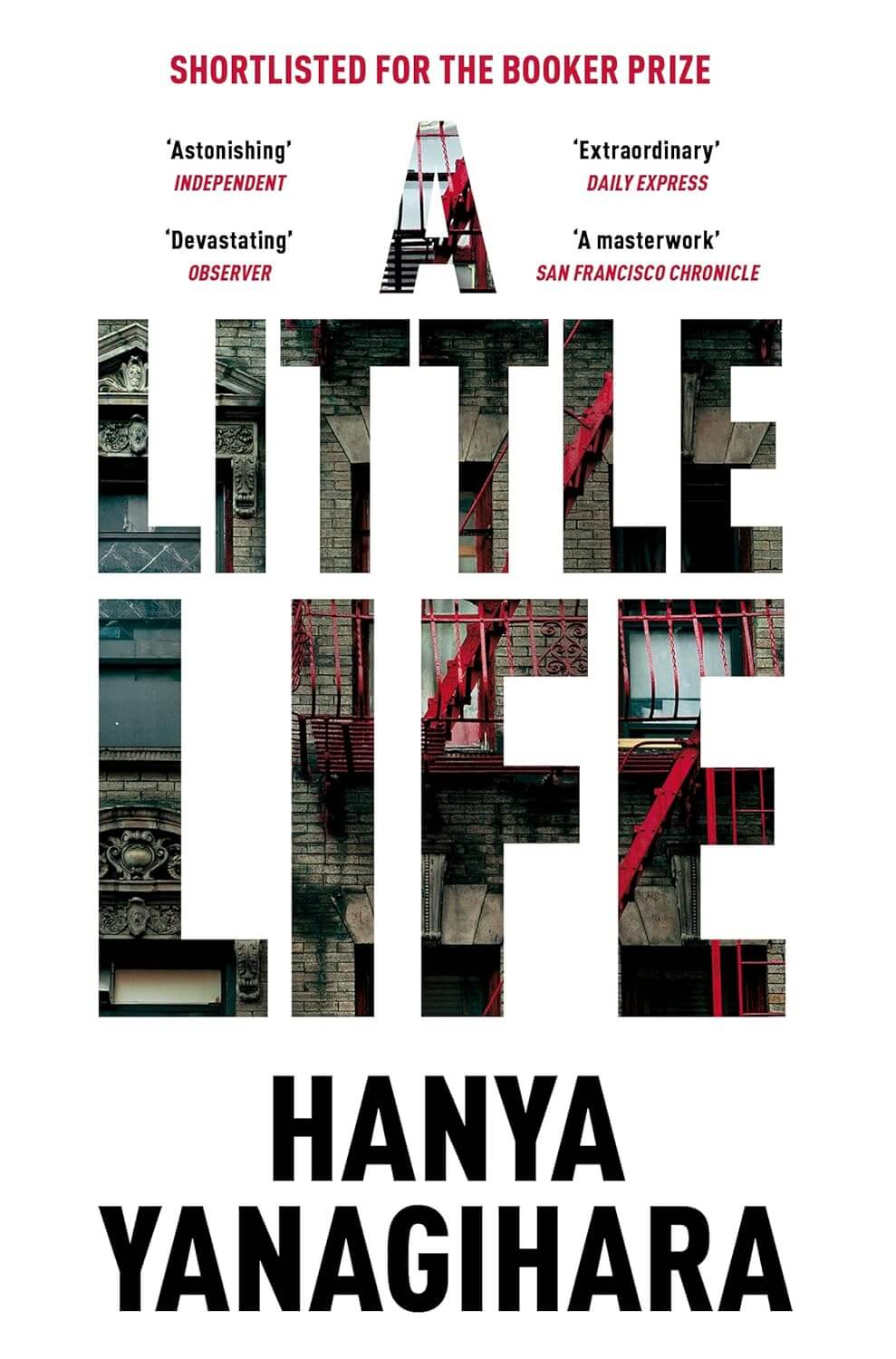
A Little Life
Shortlisted

A Little Life

by Hanya Yanagihara

A Little Life is an intense, emotionally demanding novel centred on friendship and trauma. Following four friends over decades, the book focuses particularly on Jude, whose past is marked by extreme abuse. Yanagihara examines love, endurance, and the limits of healing. The novel is unflinching and controversial in its depiction of suffering. Its emotional force is undeniable. Devastating, immersive, and polarising.

4.28
Literary Fiction
Devastating
Intense
Bleak
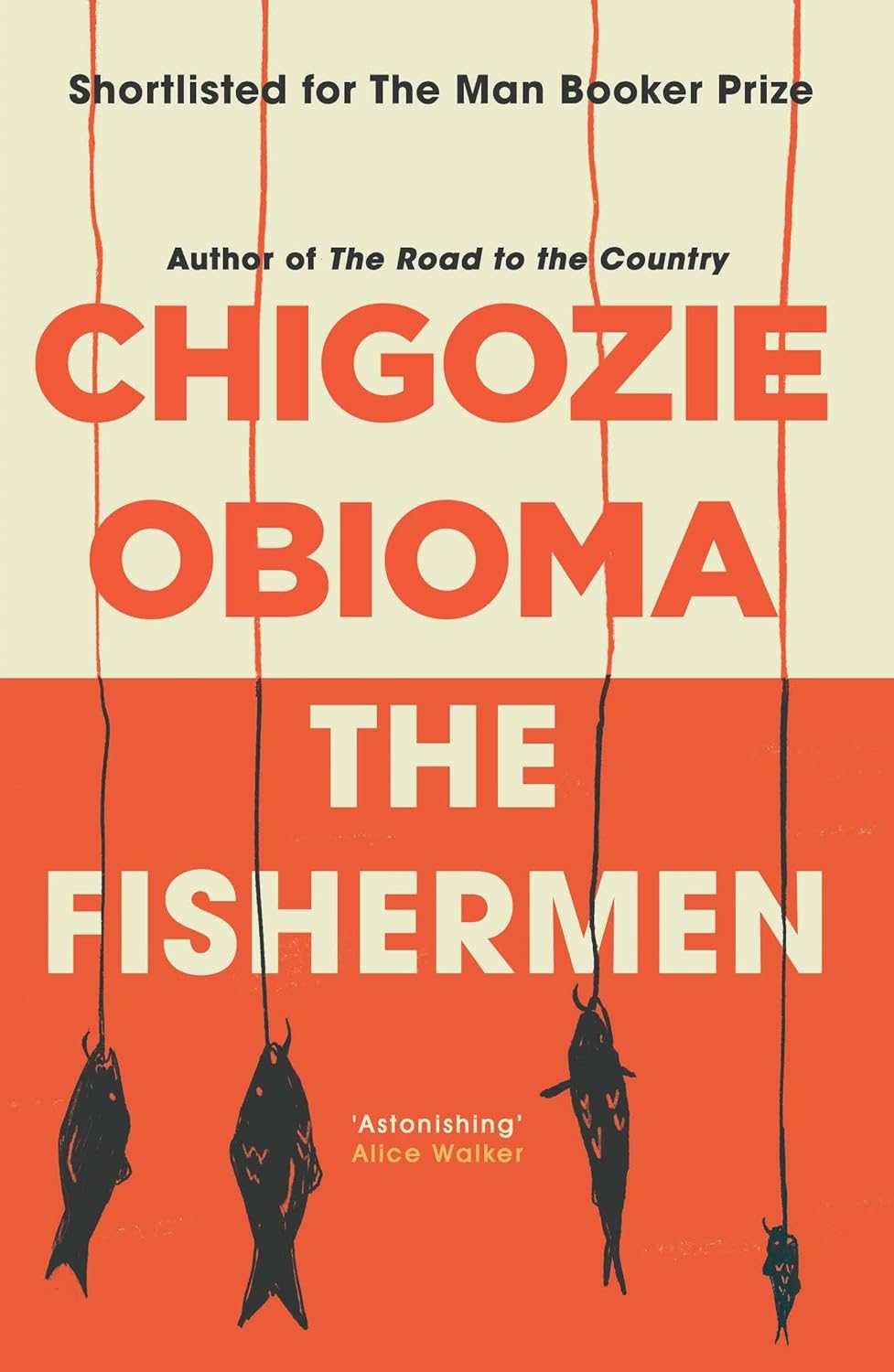
The Fishermen
Shortlisted

The Fishermen

by Chigozie Obioma

Set in 1990s Nigeria, The Fishermen tells the tragic story of four brothers undone by prophecy. Obioma blends realism with myth, exploring fate, fear, and family bonds. The novel’s language is rich and lyrical, steeped in oral storytelling traditions. As suspicion grows, love turns to violence. The book meditates on belief and self-fulfilling doom. A haunting and powerful debut.

3.88
Literary Fiction
Tragic
Mythic
Haunting
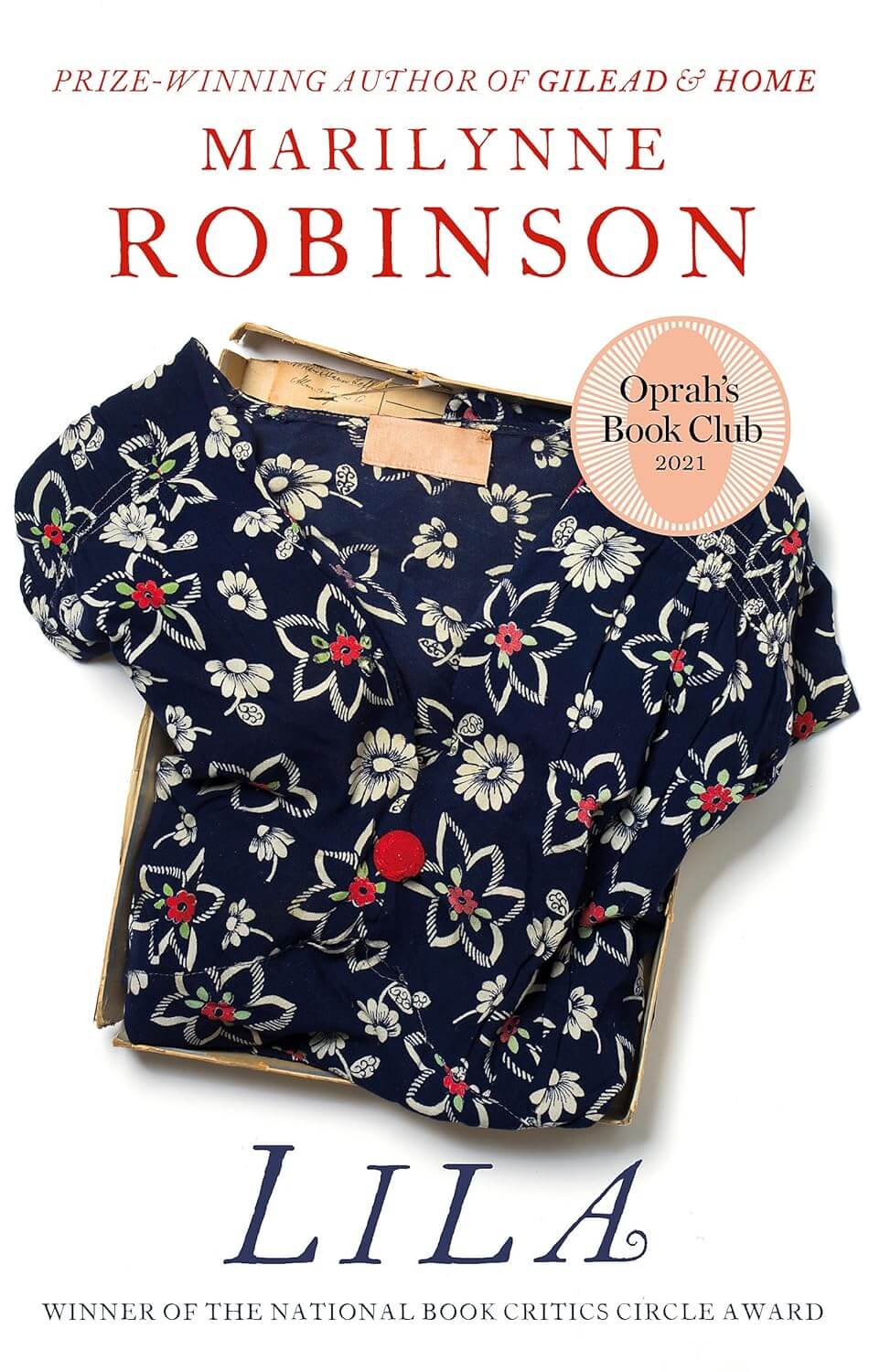
Lila

Lila

by Marilynne Robinson

Lila revisits the world of Gilead through the eyes of a woman shaped by poverty and transience. Marilynne Robinson explores grace, love, and spiritual longing with exquisite care. The prose is luminous and contemplative. Lila’s interior life unfolds slowly, marked by hardship and wonder. The novel examines faith without dogma. A quiet, profound meditation on belonging.

3.95
Literary Fiction
Gentle
Spiritual
Reflective
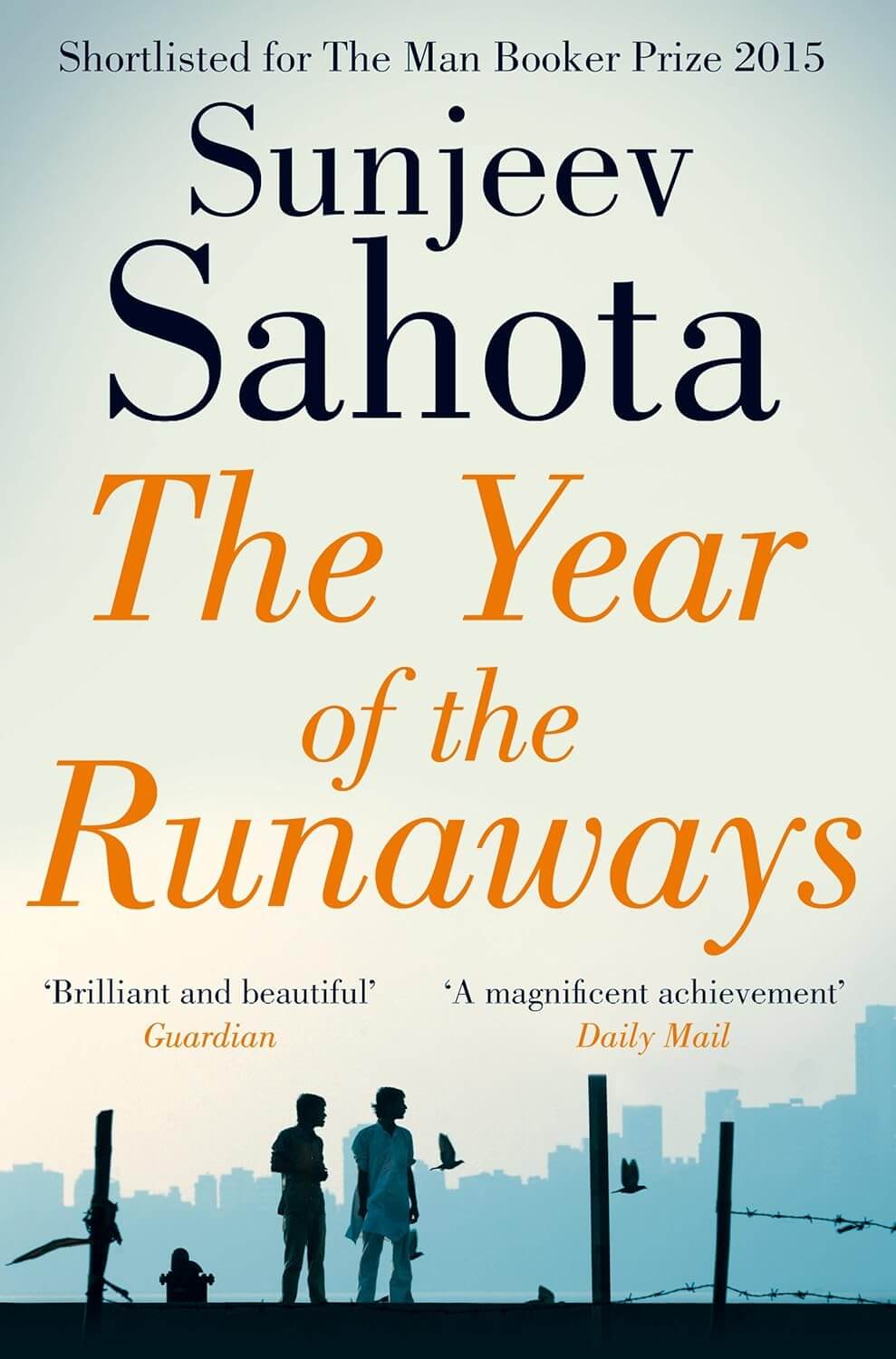
The Year of the Runaways
Shortlisted

The Year of the Runaways

by Sunjeev Sahota

Sunjeev Sahota’s novel follows Indian migrants navigating precarious lives in contemporary Britain. The book explores exploitation, hope, and the cost of economic survival. Sahota writes with empathy and realism, giving voice to those often rendered invisible. The narrative moves between ambition and despair with quiet power. It exposes structural injustice without losing human warmth. A timely and compassionate novel.

3.87
Literary Fiction
Social Realism
Compassionate
Somber
Hopeful
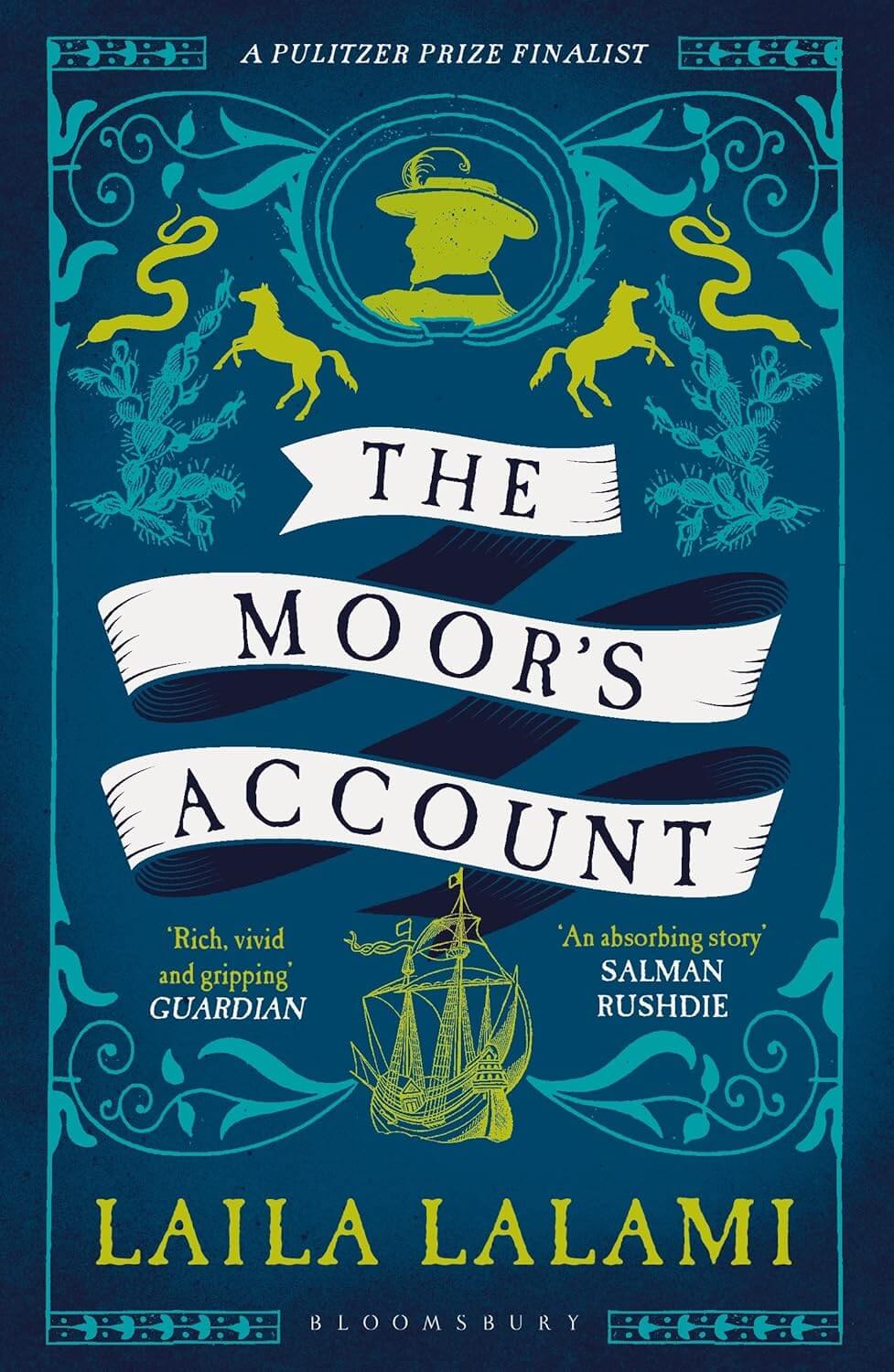
The Moor's Account

The Moor's Account

by Laila Lalami

Laila Lalami reimagines a failed Spanish expedition through the voice of its enslaved Moroccan survivor. The novel challenges colonial narratives and historical erasure. Lalami’s prose is measured and eloquent, restoring dignity and agency to a marginalised figure. The book interrogates power, faith, and survival. History is rendered intimate and urgent. A vital act of reclamation.

4.04
Historical Fiction
Reflective
Defiant
Measured
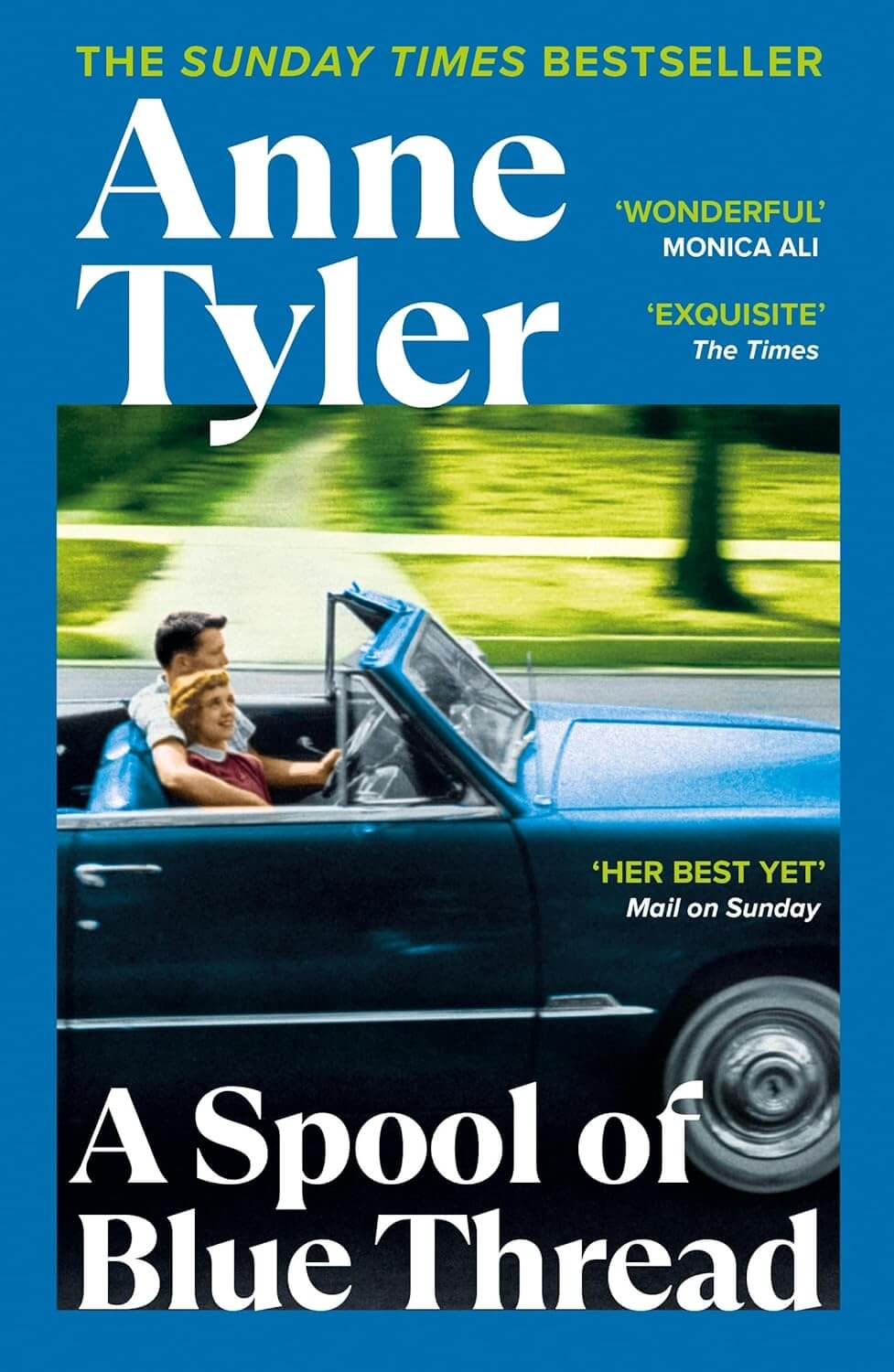
A Spool of Blue Thread
Shortlisted

A Spool of Blue Thread

by Anne Tyler

Anne Tyler’s novel traces several generations of a Baltimore family, moving backwards through time. With her trademark restraint, Tyler captures the quiet dramas of domestic life. The book explores inheritance, memory, and the stories families tell about themselves. Small moments carry emotional weight. Tyler’s compassion for her characters is unwavering. A gentle, deeply human novel.

3.44
Literary Fiction
Gentle
Reflective
Warm
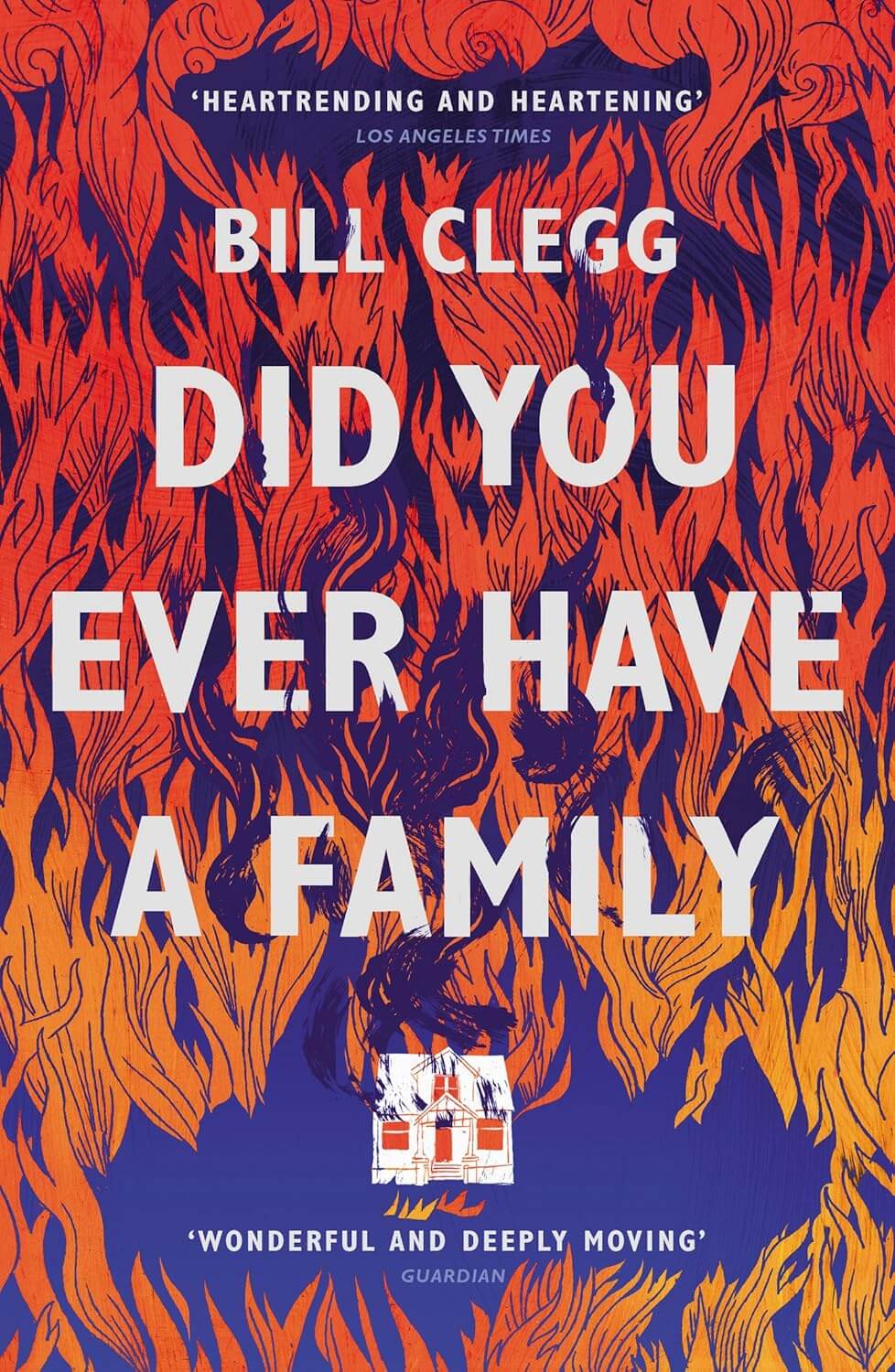
Did You Ever Have a Family

Did You Ever Have a Family

by Bill Clegg

Bill Clegg’s novel examines the ripple effects of a devastating tragedy through multiple perspectives. The story unfolds gradually, revealing grief, guilt, and unexpected connections. Clegg writes with sensitivity and restraint, allowing emotion to surface organically. The shifting viewpoints create a mosaic of loss and healing. The novel resists sentimentality. Quiet, compassionate, and deeply moving.

3.79
Literary Fiction
Tender
Somber
Reflective
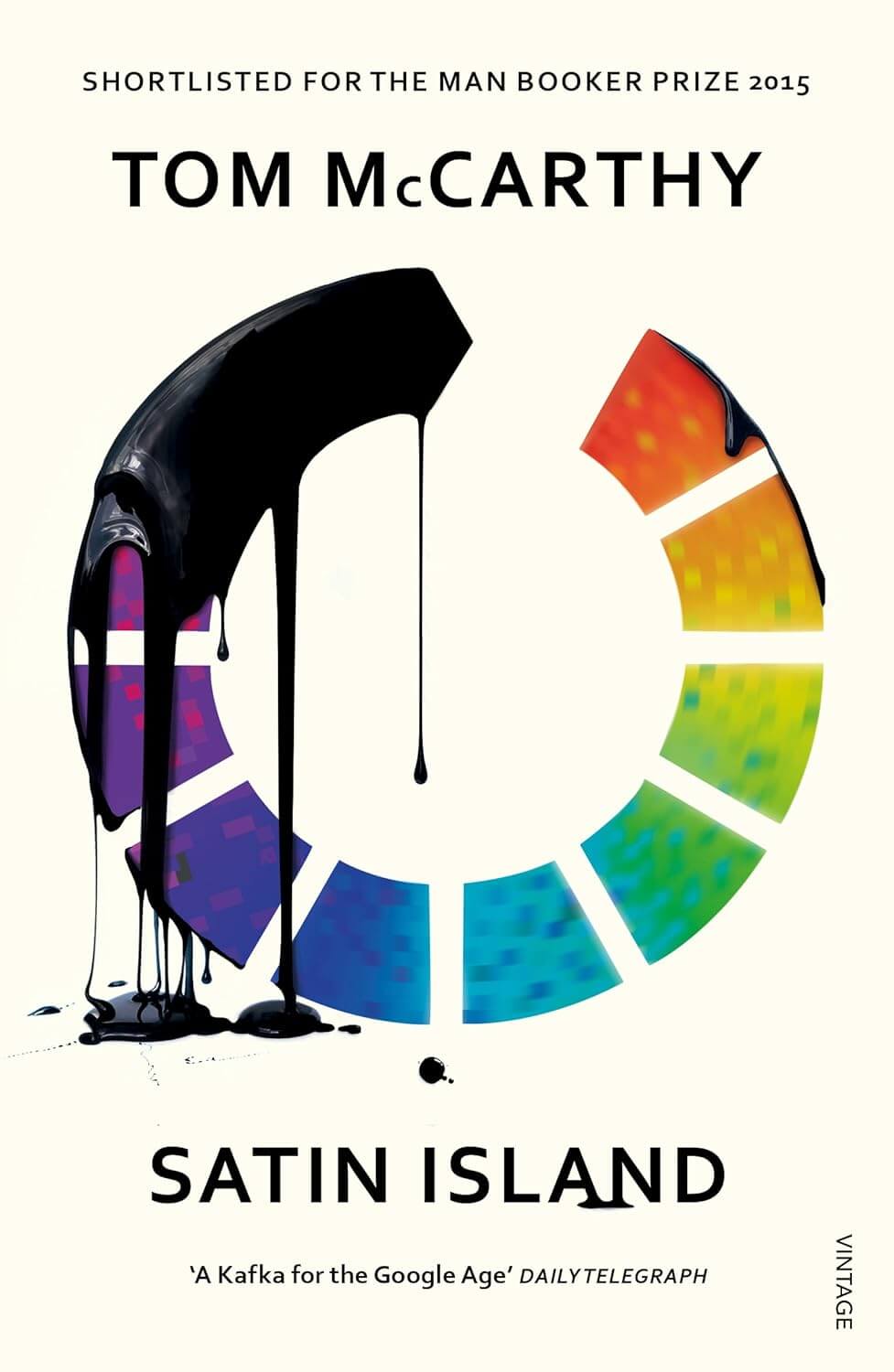
Satin Island
Shortlisted

Satin Island

by Tom McCarthy

Satin Island follows a corporate anthropologist struggling to write a ‘Great Report’ that explains the modern world. Tom McCarthy blends theory, satire, and abstraction to explore data, systems, and meaning. The novel resists plot in favour of ideas and patterns. Its cool, cerebral tone mirrors its subject matter. McCarthy captures the anxiety of living inside networks too complex to grasp. A sharp, intellectually demanding novel.

3.23
Literary Fiction
Experimental Fiction
Intellectual
Cool
Abstract
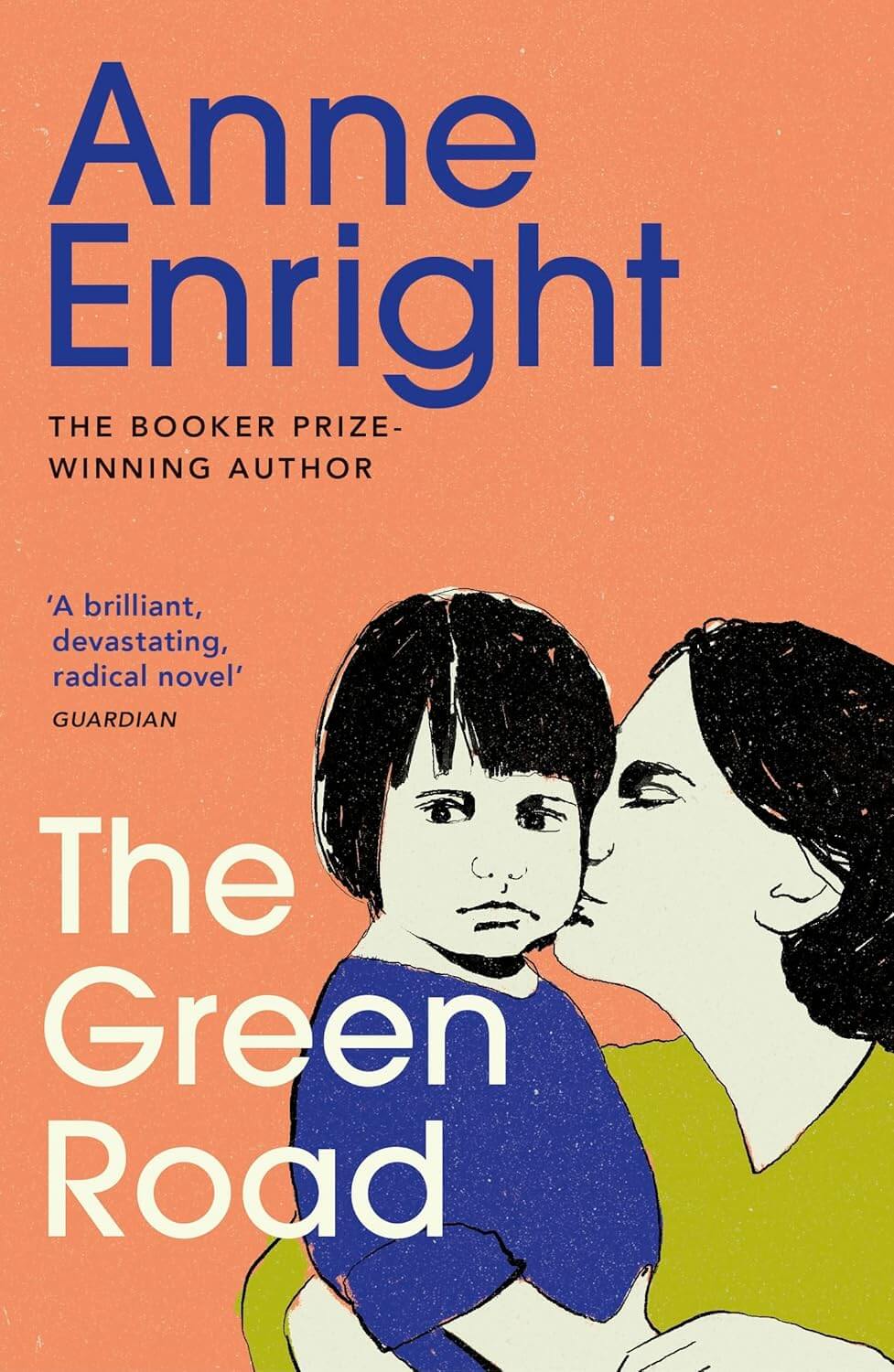
The Green Road

The Green Road

by Anne Enright

Anne Enright’s novel follows an Irish family scattered across the globe before reuniting at their childhood home. The book explores dysfunction, love, and the weight of the past. Enright’s prose is sharp, funny, and unsparing. Each character is vividly drawn, flaws intact. The novel balances domestic intimacy with global perspective. A rich, incisive family portrait.

3.51
Literary Fiction
Wry
Emotional
Observant
The Chimes

The Chimes

by Anna Smaill

Anna Smaill’s debut imagines a post-collapse world governed by music and ritual. Language has been lost, replaced by chimes that regulate memory and power. The novel blends dystopia with lyricism, exploring creativity and resistance. Smaill’s musical background infuses the prose. The world-building is imaginative and strange. An original and haunting vision.

3.37
Speculative Fiction
Literary Fiction
Eerie
Inventive
Atmospheric
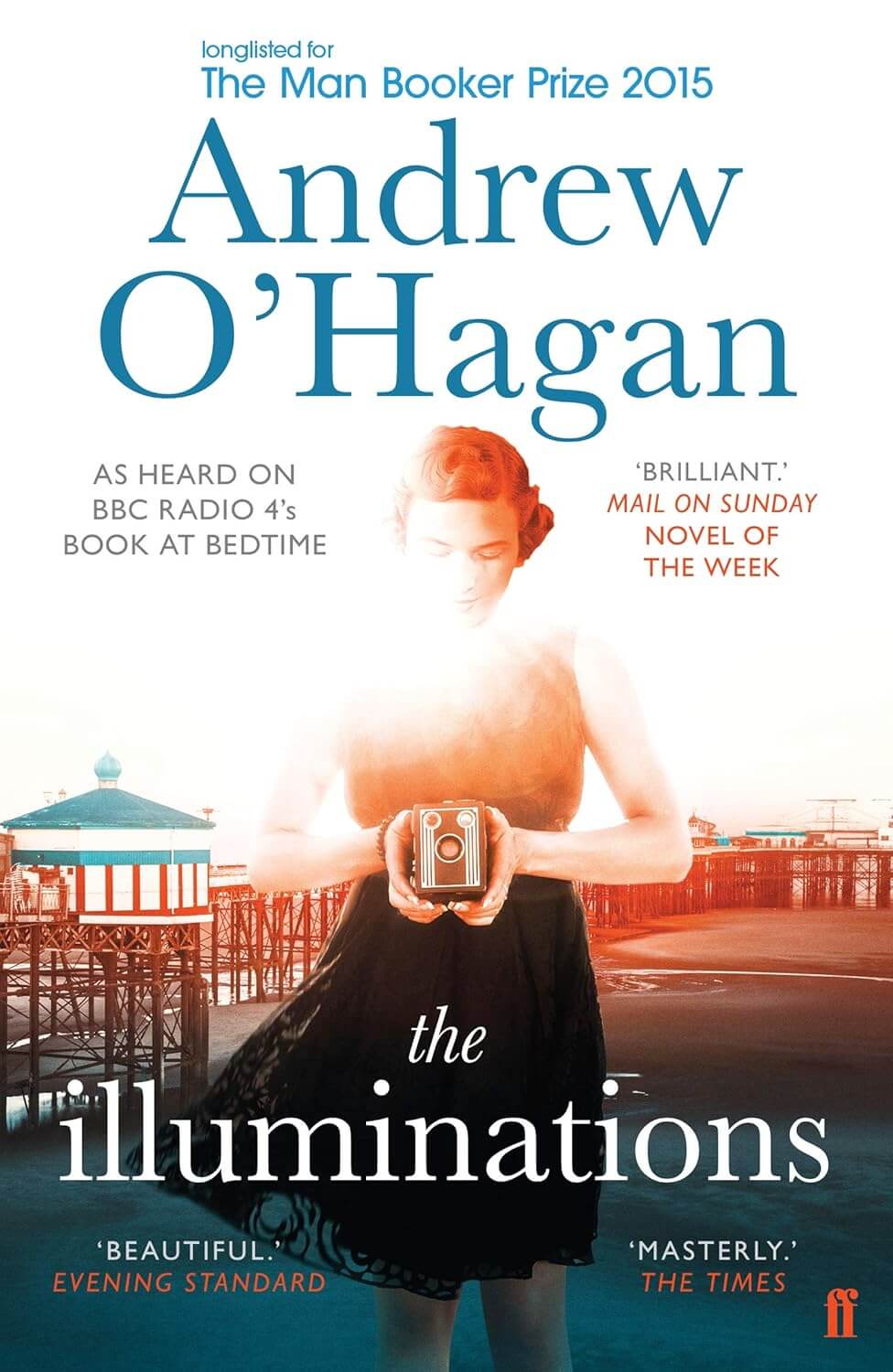
The Illuminations

The Illuminations

by Andrew O'Hagan

Andrew O’Hagan’s novel pairs an ageing poet with a young soldier, exploring memory and war. Set against the backdrop of contemporary conflict, the book reflects on art, legacy, and violence. O’Hagan’s prose is luminous and reflective. The relationship at its centre bridges generations. The novel meditates on how stories endure. Thoughtful and elegiac.

3.43
Literary Fiction
Elegiac
Reflective
Lyrical
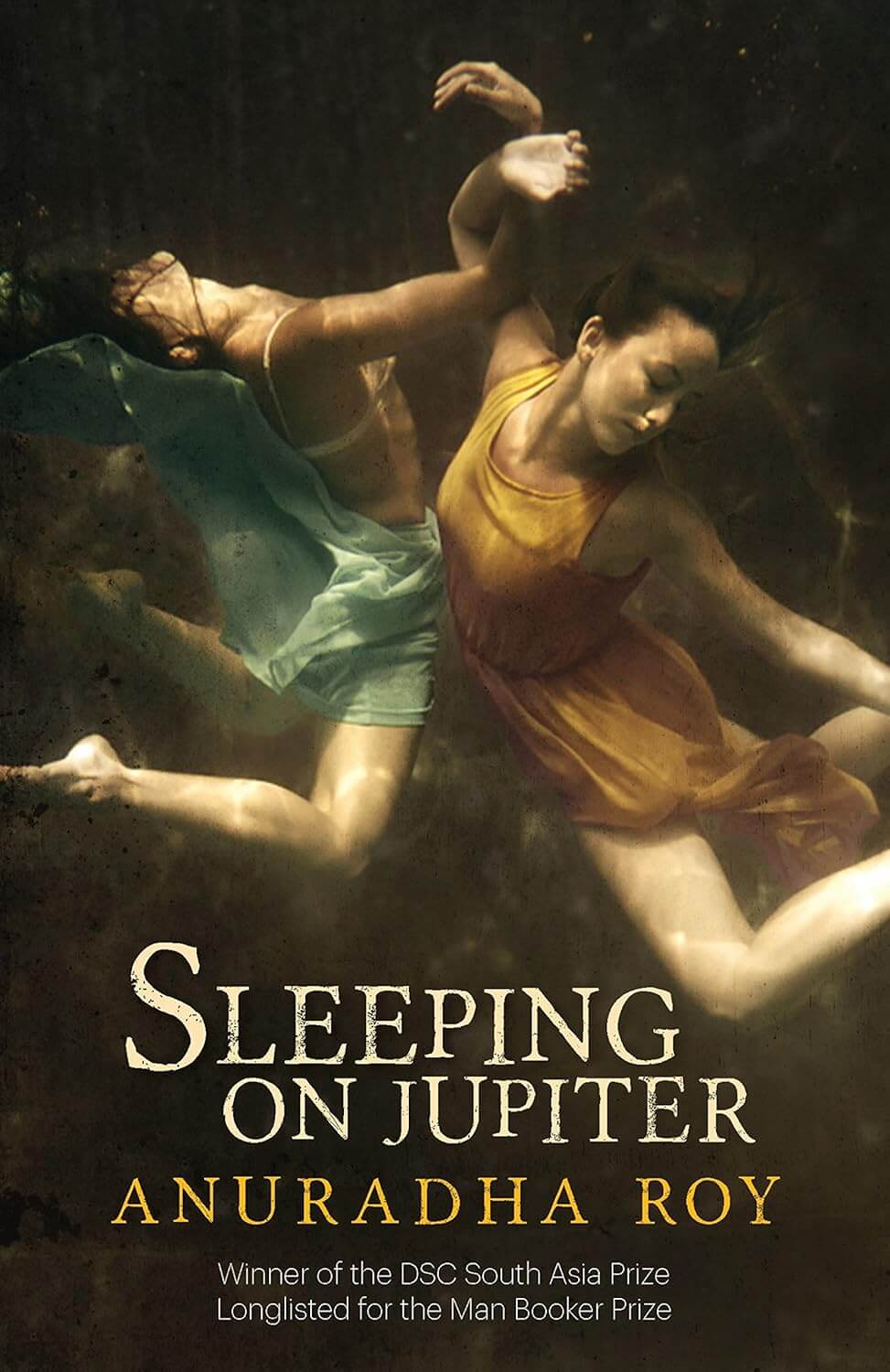
Sleeping on Jupiter

Sleeping on Jupiter

by Anuradha Roy

Anuradha Roy’s novel follows a woman returning to India while reckoning with childhood abuse. The narrative weaves past and present, memory and silence. Roy handles trauma with restraint and empathy. The novel explores shame, survival, and the search for peace. Its pacing is deliberate, its tone reflective. A quiet, courageous book.

3.34
Literary Fiction
Somber
Reflective
Intimate