Booker Prize 2014

Thirteen novels exploring memory, identity, love, and the long shadows of history

The 2014 Booker Prize longlist brings together novels that are formally adventurous and emotionally wide-ranging. These books move across time periods and geographies, blending intimate personal stories with large questions about history, belief, technology, and what it means to be human. Many of the novels experiment with narrative structure, voice, and perspective, inviting readers to engage actively with how stories are told.

Across the list, memory plays a central role — personal memory, cultural memory, and the stories societies choose to preserve or forget. Several novels revisit moments of historical rupture, from war and displacement to ecological collapse and ideological extremism. Others turn inward, examining relationships, family bonds, and the quiet crises of contemporary life.

Together, the 2014 longlist showcases fiction that is intellectually curious and emotionally resonant. These novels reward close reading while remaining deeply humane, demonstrating the Booker Prize’s commitment to literature that challenges form while illuminating the complexities of modern existence.

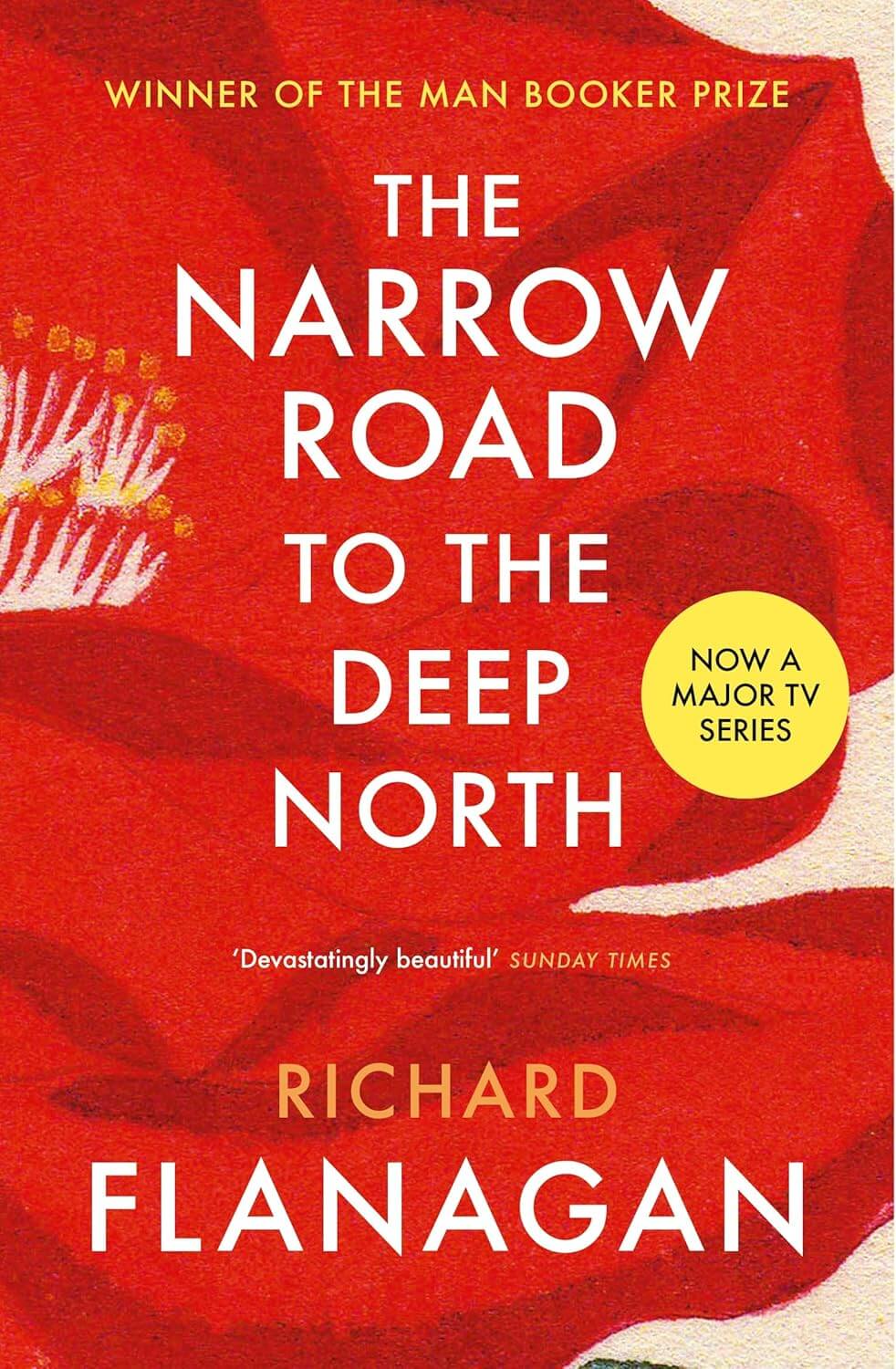
The Narrow Road to the Deep North
Winner

The Narrow Road to the Deep North

by Richard Flanagan

Richard Flanagan’s novel centres on an Australian doctor haunted by his experiences as a prisoner of war on the Burma Railway. Moving between brutal wartime suffering and later life, the book explores love, memory, and moral compromise. Flanagan’s prose is lyrical yet unsparing in its depiction of violence. The novel questions how trauma endures across decades. Moments of beauty coexist with horror. A powerful meditation on survival and remembrance.

4.04
Historical Fiction
Literary Fiction
Grave
Lyrical
Reflective
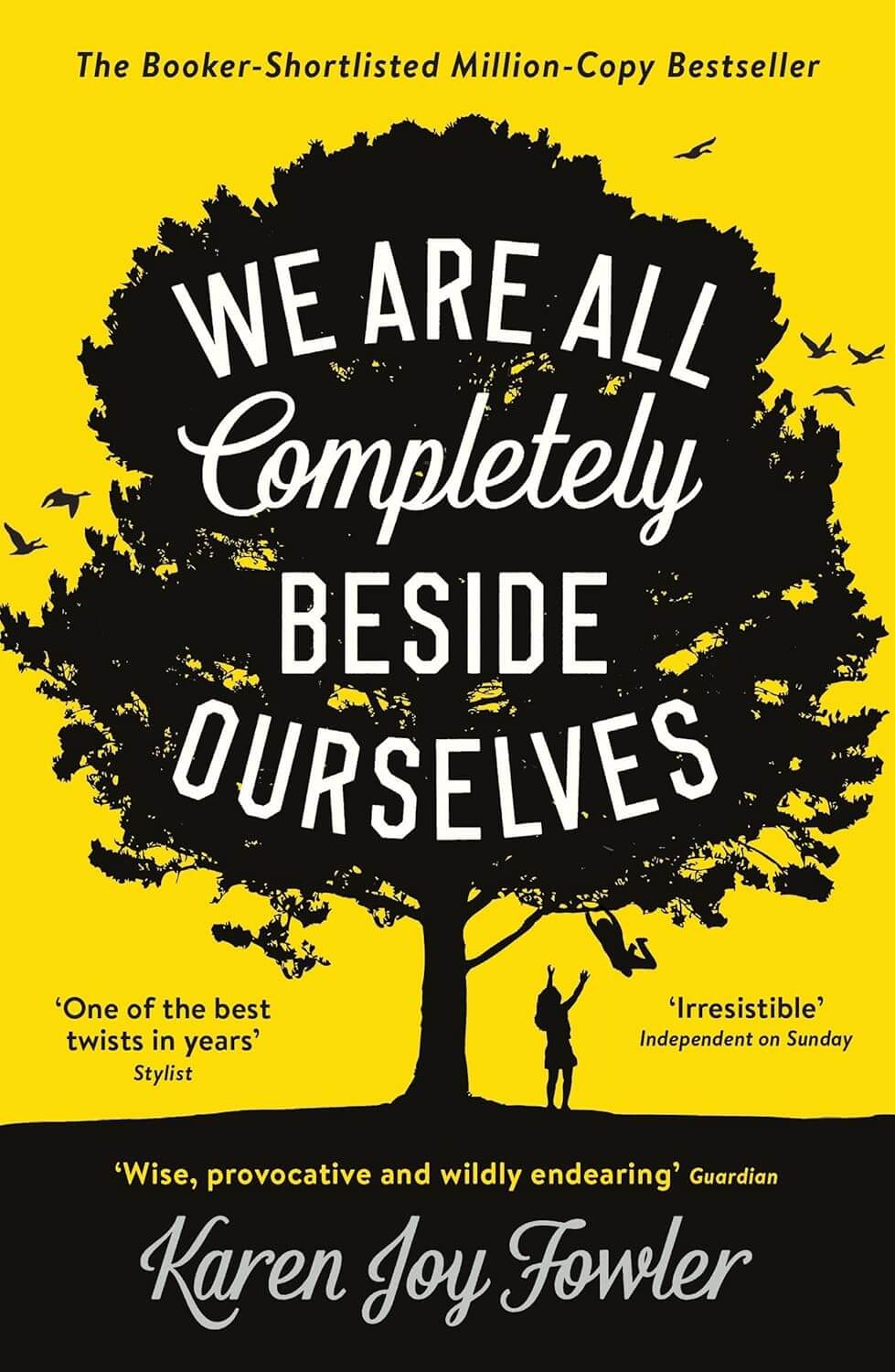
We Are All Completely Beside Ourselves
Shortlisted

We Are All Completely Beside Ourselves

by Karen Joy Fowler

Karen Joy Fowler’s novel begins as a family story before revealing a startling ethical core. The book explores sibling bonds, memory, and the boundaries between humans and animals. Fowler uses a narrative twist to challenge assumptions about empathy and responsibility. The prose is accessible yet emotionally complex. The novel balances warmth with moral urgency. Thoughtful and quietly unsettling.

3.71
Literary Fiction
Thoughtful
Tender
Unsettling
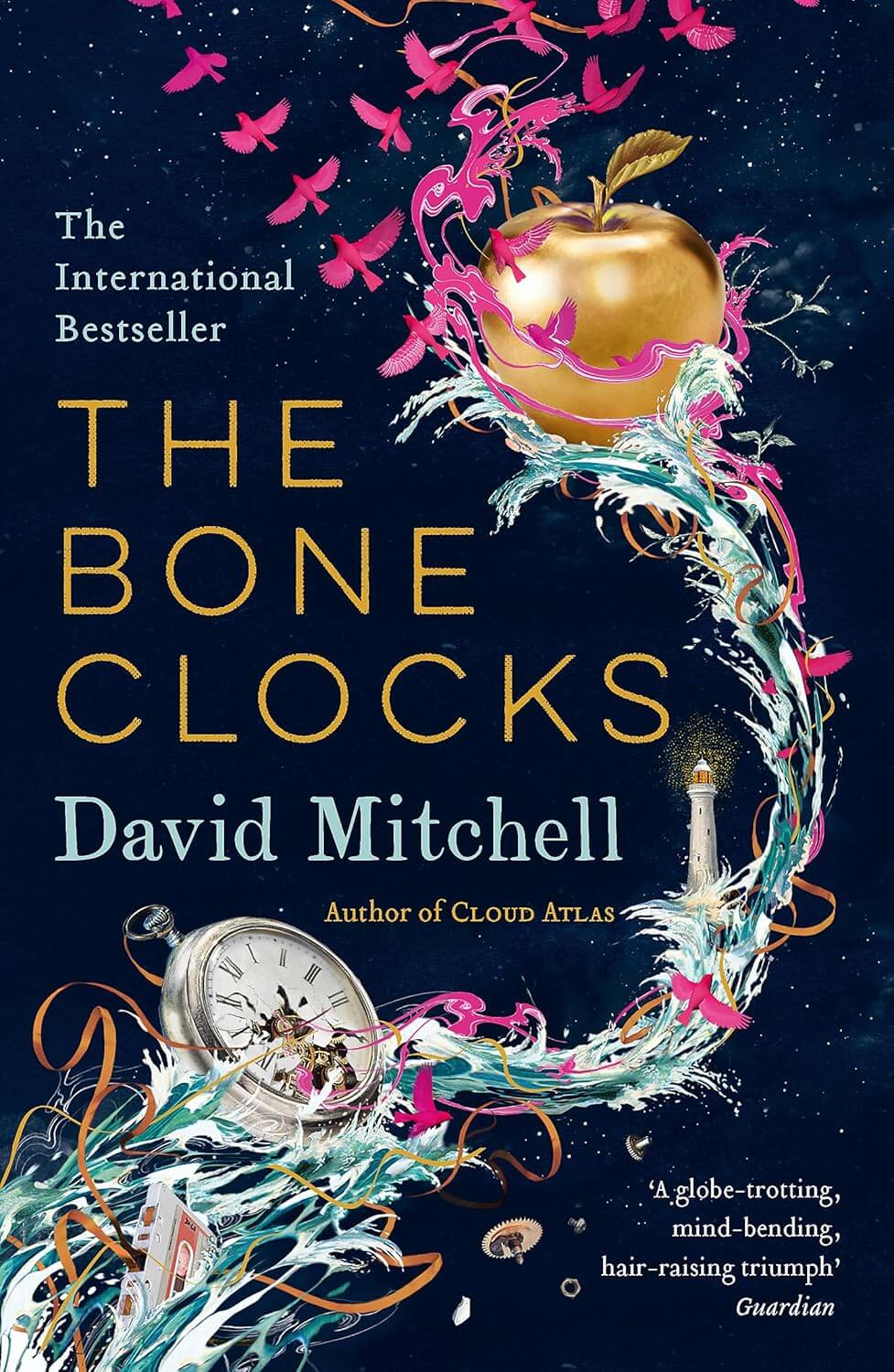
The Bone Clocks

The Bone Clocks

by David Mitchell

David Mitchell’s The Bone Clocks blends literary fiction with fantasy and speculative elements. Following one woman’s life across decades, the novel weaves personal drama with a hidden war between immortal beings. Mitchell moves effortlessly between voices and genres. Beneath the spectacle lies a meditation on time, mortality, and power. The novel expands toward a chilling vision of ecological collapse. Ambitious, playful, and thought-provoking.

3.85
Literary Fiction
Speculative Fiction
Inventive
Epic
Foreboding
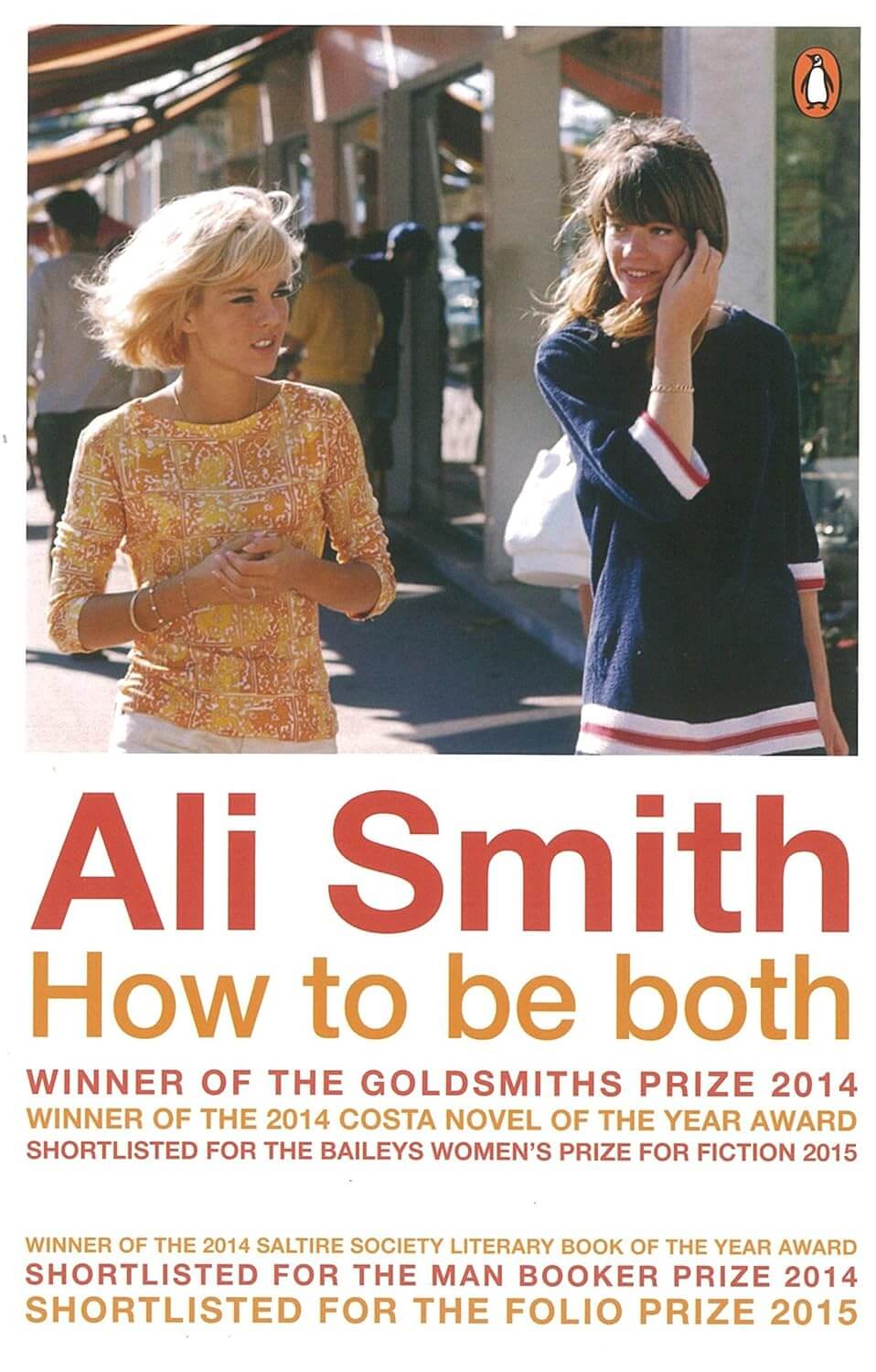
How to Be Both
Shortlisted

How to Be Both

by Ali Smith

Ali Smith’s formally playful novel tells two interconnected stories that can be read in either order. One follows a contemporary teenager grieving her mother; the other imagines the life of a Renaissance painter. Smith explores art, gender, and time with joy and invention. The novel celebrates multiplicity and openness. Its structure embodies its themes. Bright, moving, and delightfully experimental.

3.66
Literary Fiction
Experimental Fiction
Playful
Tender
Curious
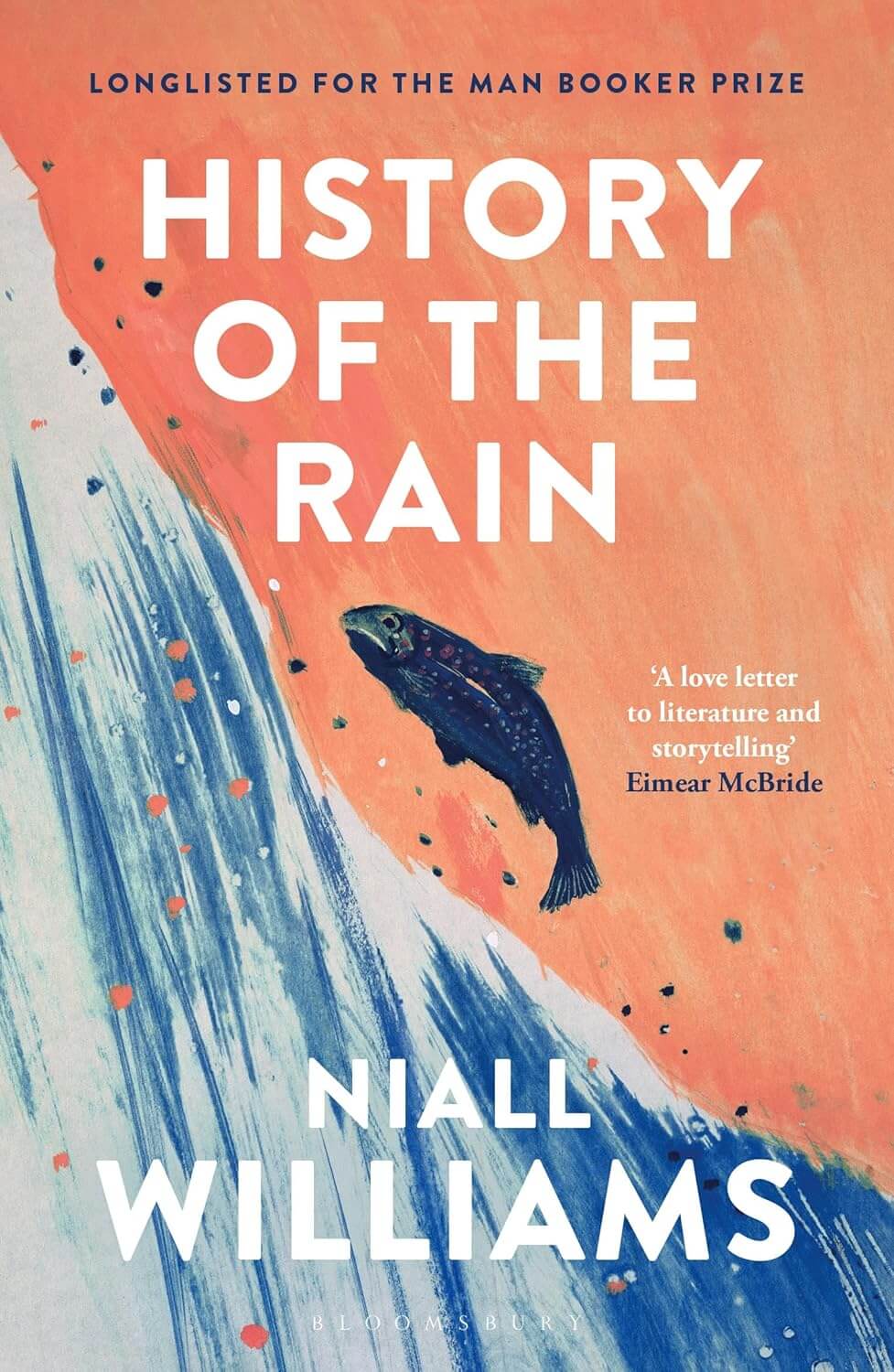
History of the Rain

History of the Rain

by Niall Williams

This lyrical novel follows a young Irish woman reflecting on her family’s history and literary inheritance. Confined by illness, she reconstructs her past through books and memory. Williams’s prose is rich and musical. The novel explores storytelling as survival. It is steeped in landscape and longing. A warm, reflective celebration of language.

4.03
Literary Fiction
Warm
Reflective
Lyrical
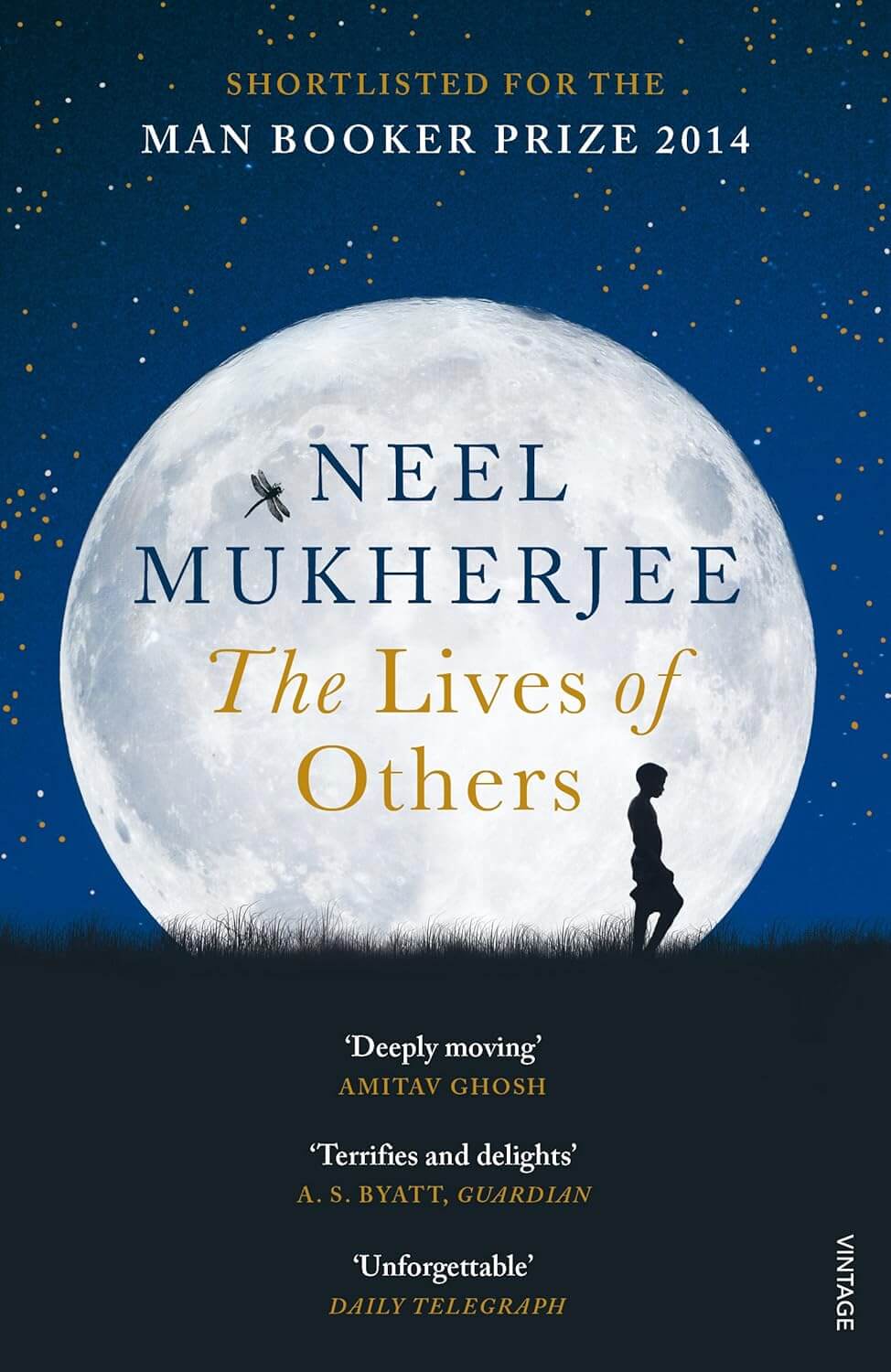
The Lives of Others
Shortlisted

The Lives of Others

by Neel Mukherjee

Set in 1960s India, Mukherjee’s novel examines a privileged family confronted by political radicalism. The narrative moves between domestic life and revolutionary struggle. Mukherjee explores class, ideology, and moral blindness with precision. The novel asks uncomfortable questions about complicity. Its tone is measured but unflinching. A powerful study of private comfort and public violence.

3.68
Literary Fiction
Political Fiction
Serious
Tense
Reflective
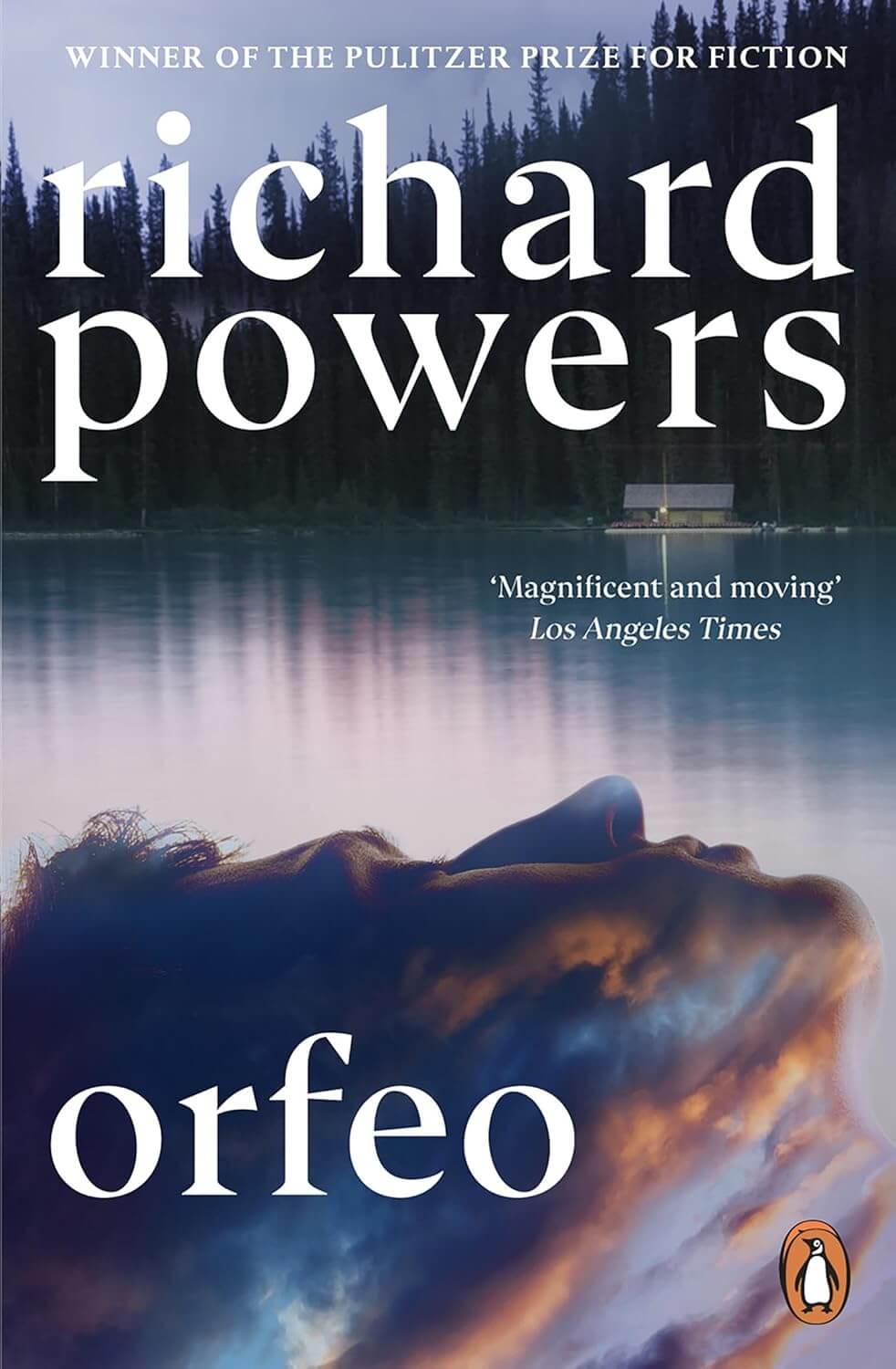
Orfeo

Orfeo

by Richard Powers

Richard Powers’s novel follows a composer mistaken for a bioterrorist after conducting a scientific experiment. The book explores art, science, and surveillance in a post-9/11 world. Powers blends intellectual inquiry with narrative urgency. Music becomes a metaphor for freedom and control. The novel questions creativity under suspicion. Thoughtful and resonant.

3.66
Literary Fiction
Tense
Reflective
Intellectual
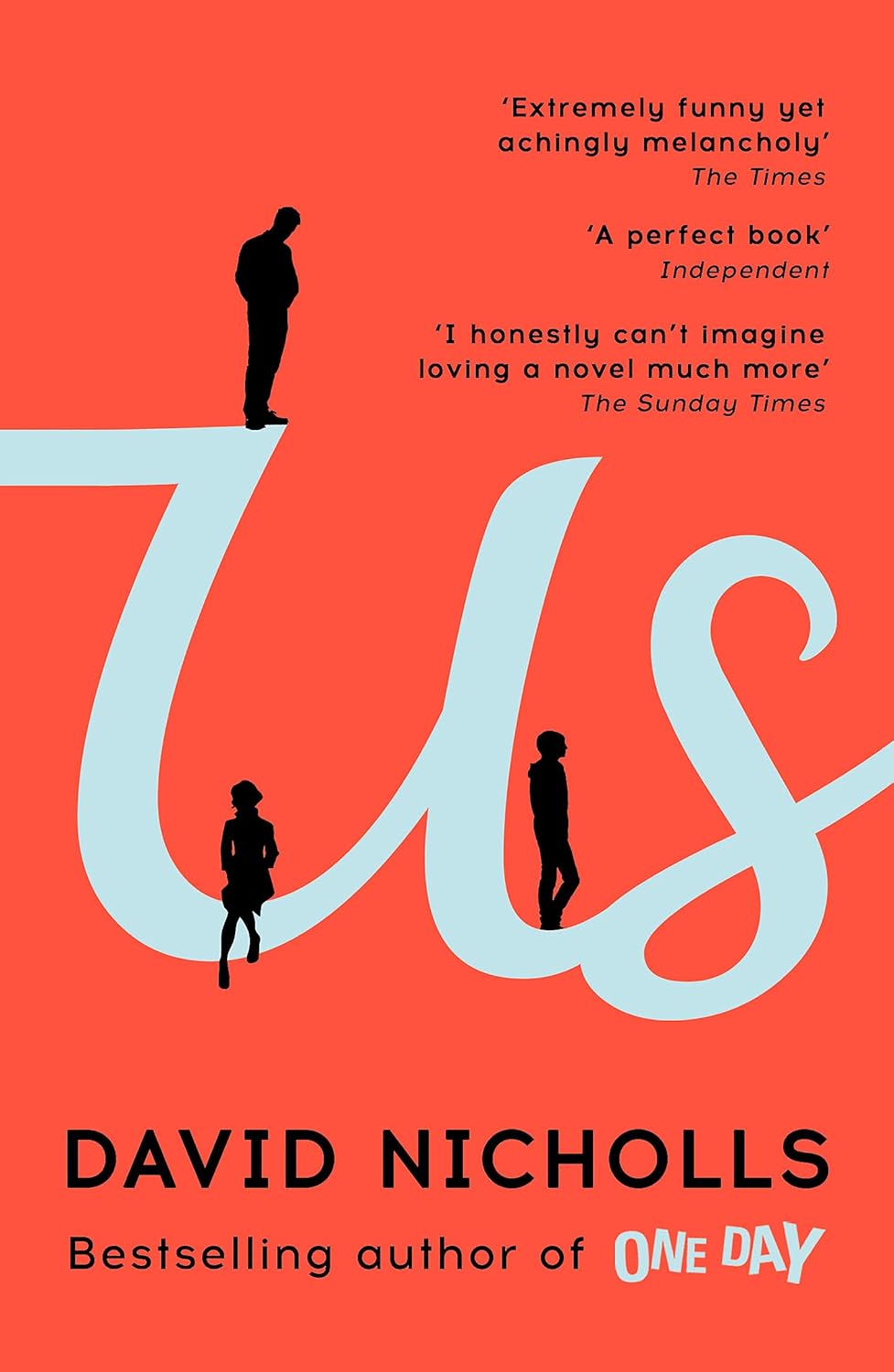
Us

Us

by David Nicholls

David Nicholls’s novel follows a family on a European trip as a marriage quietly unravels. The book balances humour with emotional honesty. Nicholls captures middle-aged uncertainty and parental love with warmth. Travel becomes a space for reflection and reckoning. The tone is accessible yet sincere. A tender exploration of relationships and change.

3.73
Literary Fiction
Contemporary Fiction
Warm
Bittersweet
Humorous
The Blazing World

The Blazing World

by Siri Hustvedt

Hustvedt’s novel examines gender, authorship, and artistic recognition through a conceptual art experiment. After a female artist’s death, her work is presented under male pseudonyms. The book blends fiction, criticism, and biography. Hustvedt interrogates how art is valued and who gets to be seen. The novel is intellectually ambitious and playful. A sharp feminist exploration of creativity.

3.70
Literary Fiction
Experimental Fiction
Cerebral
Provocative
Playful
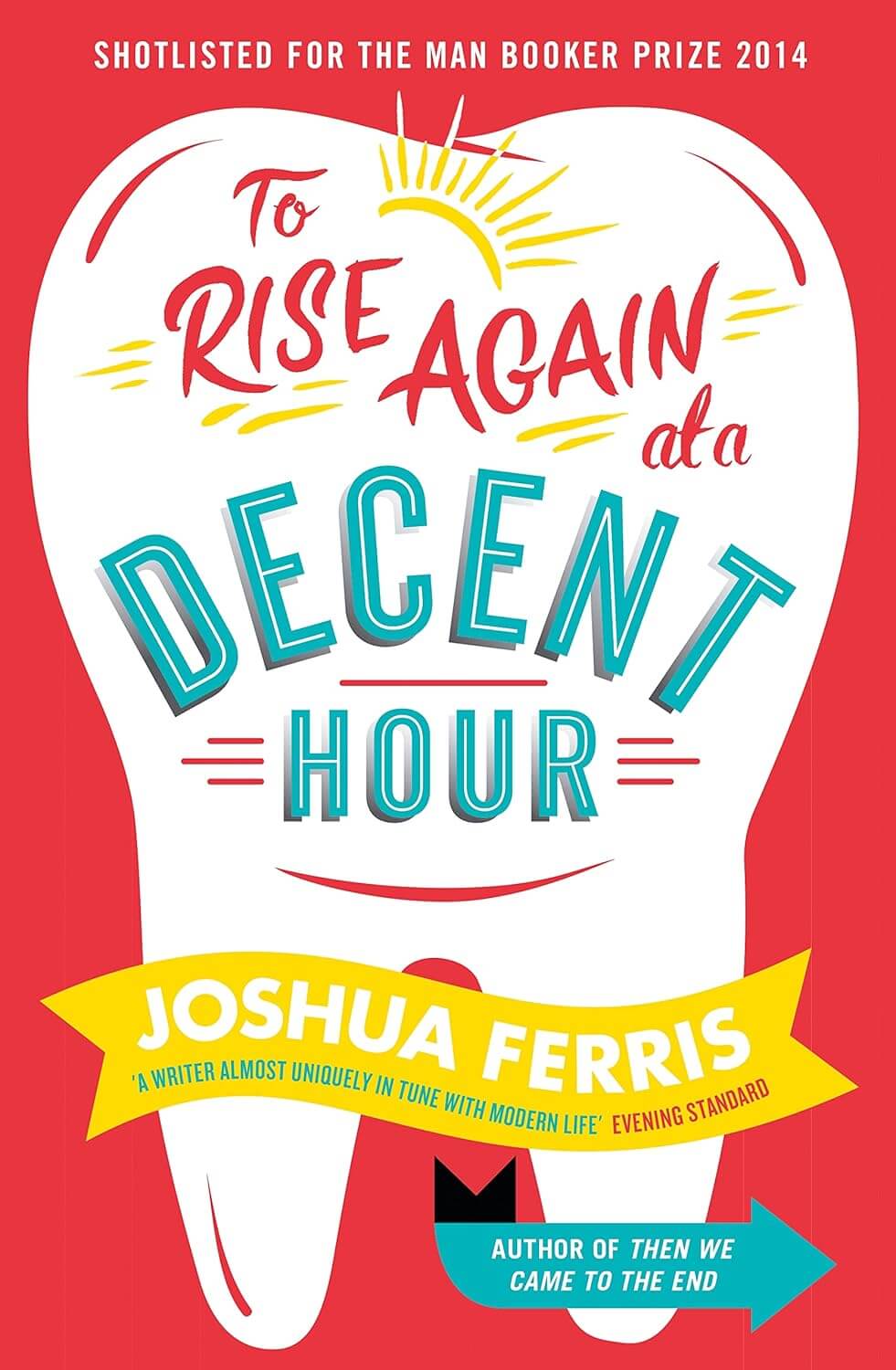
To Rise Again at a Decent Hour
Shortlisted

To Rise Again at a Decent Hour

by Joshua Ferris

Joshua Ferris’s novel follows a misanthropic dentist whose life is unsettled by an online impersonation. The book explores faith, identity, and modern alienation with sharp wit. Ferris balances satire with philosophical inquiry. The internet becomes a space of both connection and erasure. The novel questions what it means to belong in a secular age. Funny, anxious, and intellectually restless.

3.08
Literary Fiction
Satire
Wry
Anxious
Intellectual
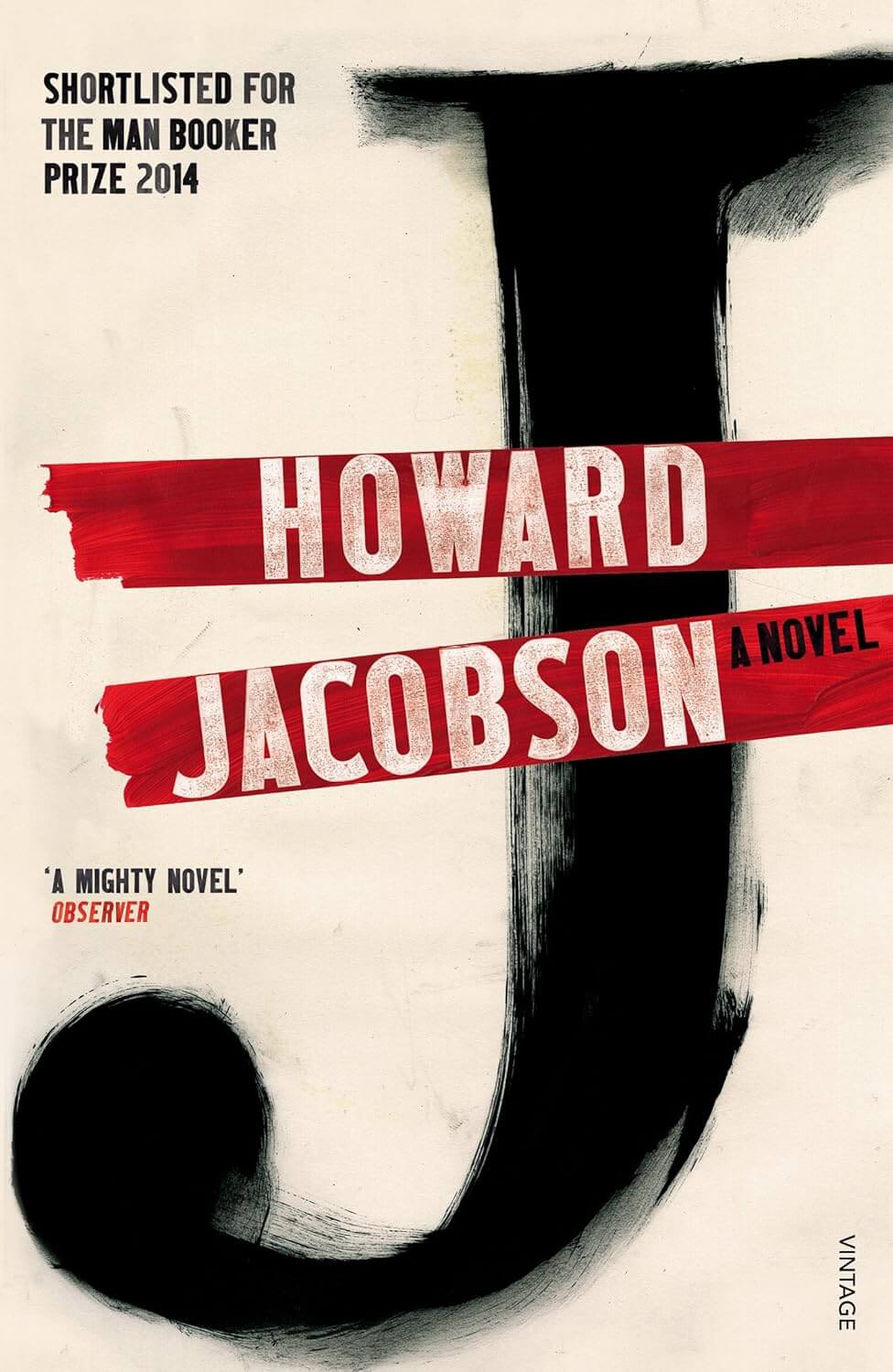
J
Shortlisted

J

by Howard Jacobson

Howard Jacobson’s dystopian novel imagines a future society shaped by a suppressed collective trauma. Language and history are carefully controlled, and curiosity is dangerous. Jacobson explores memory, love, and antisemitism through satire and allegory. The novel is deliberately oblique, withholding explanation. Its unease builds slowly. A dark, intellectually challenging vision.

2.93
Dystopian Fiction
Literary Fiction
Uneasy
Cerebral
Dark
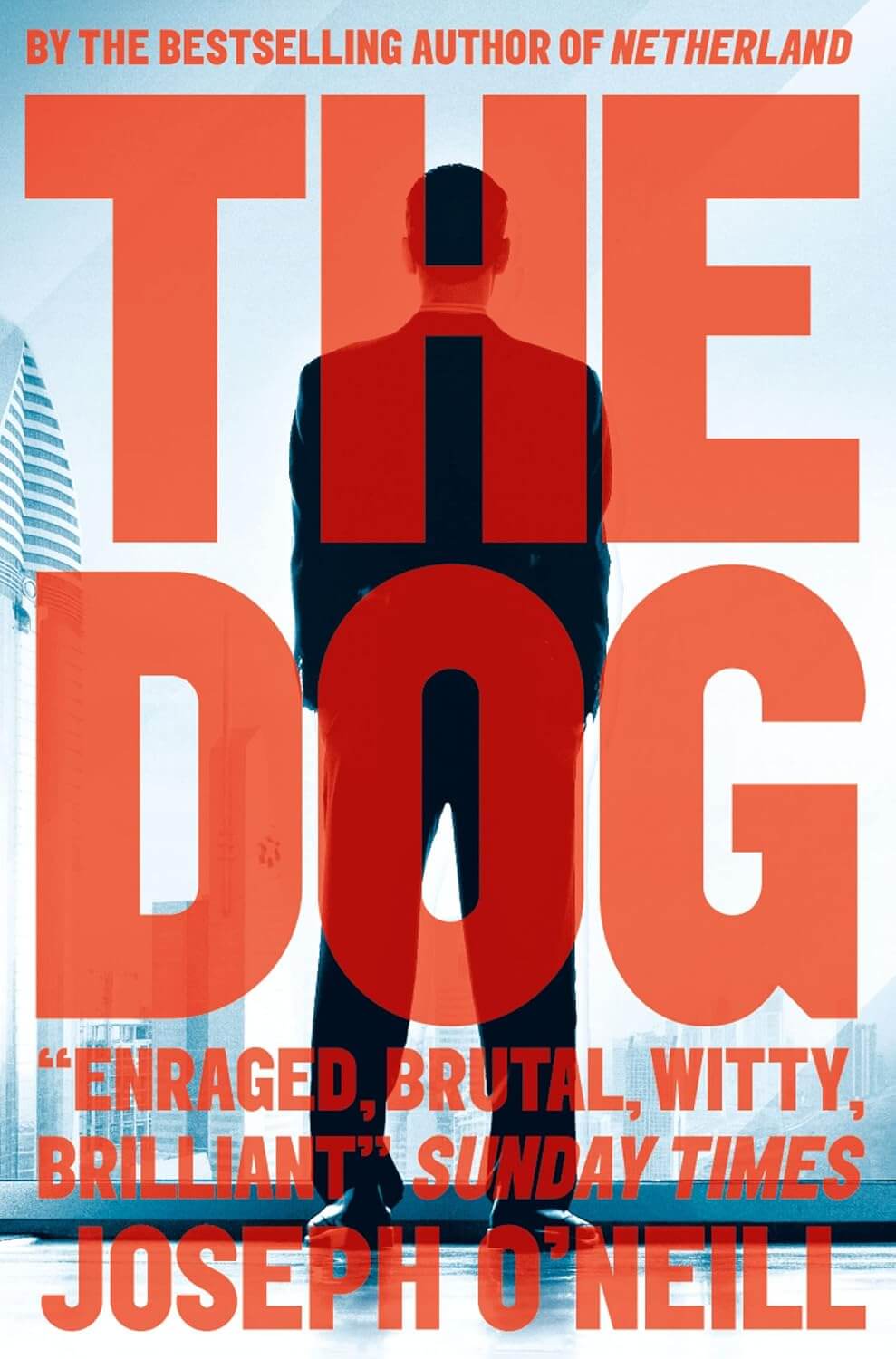
The Dog

The Dog

by Joseph O'Neill

O’Neill’s novel follows an American lawyer working in Dubai amid personal and professional dislocation. The book explores global capitalism, masculinity, and moral drift. O’Neill’s prose is measured and observant. The desert setting underscores emotional emptiness. The novel resists drama, focusing instead on quiet unease. A subtle portrait of expatriate life.

3.16
Literary Fiction
Detached
Reflective
Cool
The Wake

The Wake

by Paul Kingsnorth

Set after the Norman Conquest, The Wake is written in a radical, invented English. The novel follows a landowner resisting cultural and political annihilation. Kingsnorth explores language, loss, and ecological belonging. The reading experience is demanding but immersive. The voice creates a sense of historical otherness. Stark, ambitious, and deeply atmospheric.

4.00
Historical Fiction
Experimental Fiction
Intense
Atmospheric
Challenging