The International Booker Prize 2022

Thirteen translated novels expanding the boundaries of form, voice, and moral imagination

The International Booker Prize 2022 longlist celebrates the richness and diversity of fiction in translation, showcasing novels that challenge narrative conventions while offering deeply rooted perspectives on history, intimacy, and power. These books cross borders of language and culture, inviting readers into worlds shaped by memory, trauma, desire, and resistance. Translation here is not just a bridge, but a creative force that amplifies literary innovation.

Across the list, many authors grapple with the weight of the past — familial, national, and existential — while experimenting boldly with structure and voice. From sprawling historical epics to tightly compressed psychological dramas, the novels examine how individuals navigate systems that constrain them: patriarchy, caste, authoritarianism, and inherited silence. Several books centre marginalised voices, insisting on complexity where simplification has long prevailed.

What unites the 2022 selection is its refusal of easy consolation. These novels are often unsettling, sometimes darkly playful, and always intellectually alive. Together, they demonstrate the vital role of international literature in expanding empathy, questioning dominant narratives, and reimagining what fiction can do.

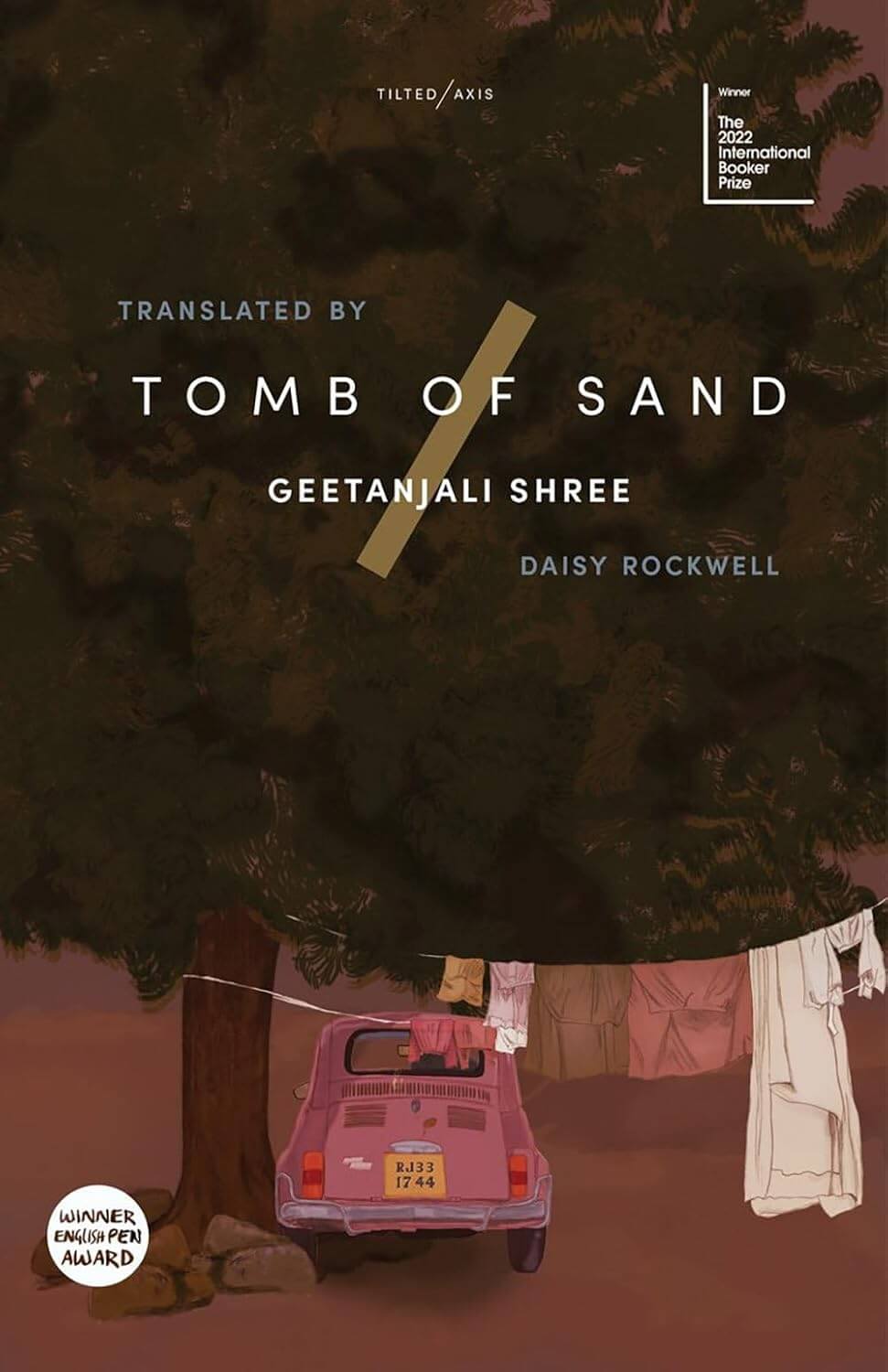
Tomb of Sand
Winner

Tomb of Sand

by Geetanjali Shree

Tomb of Sand follows an eighty-year-old woman who, after the death of her husband, begins a late-life rebellion against expectation and memory. The novel is playful, digressive, and linguistically exuberant, challenging conventions of age, gender, and narrative itself. Shree moves fluidly between India and Pakistan, personal grief and political history. The book celebrates curiosity and movement over closure. Its humour coexists with profound reflection on borders and loss. A joyful, radical reinvention of what a novel can be.

3.66
Literary Fiction
Experimental Fiction
Playful
Expansive
Reflective
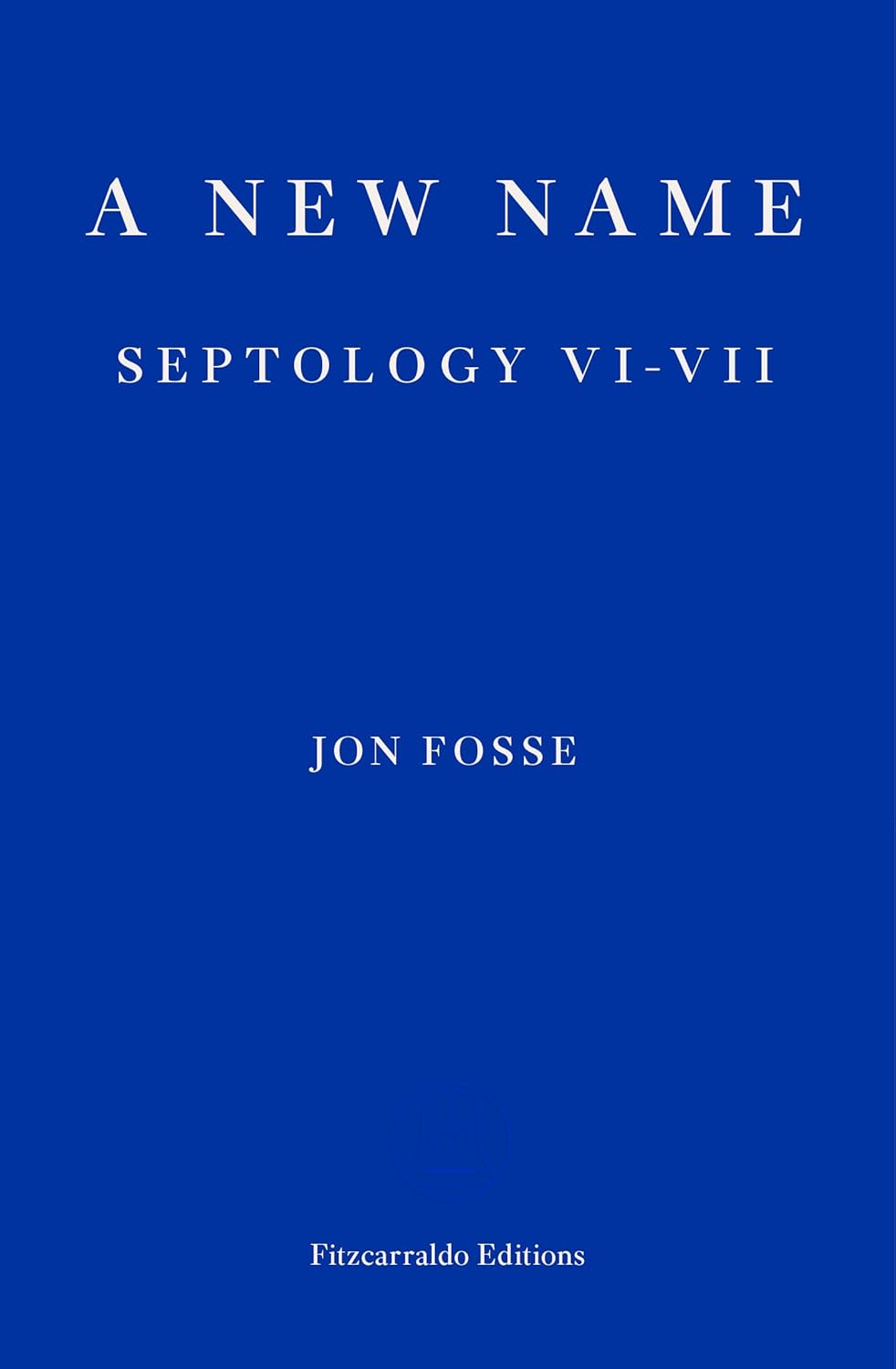
A New Name: Septology VI–VII
Shortlisted

A New Name: Septology VI–VII

by Jon Fosse

The concluding volumes of Jon Fosse’s Septology deepen its meditative exploration of art, faith, and identity. Written in Fosse’s signature flowing sentences, the novel blurs boundaries between selves and realities. Silence and repetition carry profound emotional weight. The book reflects on loneliness, devotion, and the mystery of existence. Its pace is slow but immersive. A quietly monumental achievement.

4.50
Literary Fiction
Philosophical Fiction
Meditative
Spiritual
Hypnotic
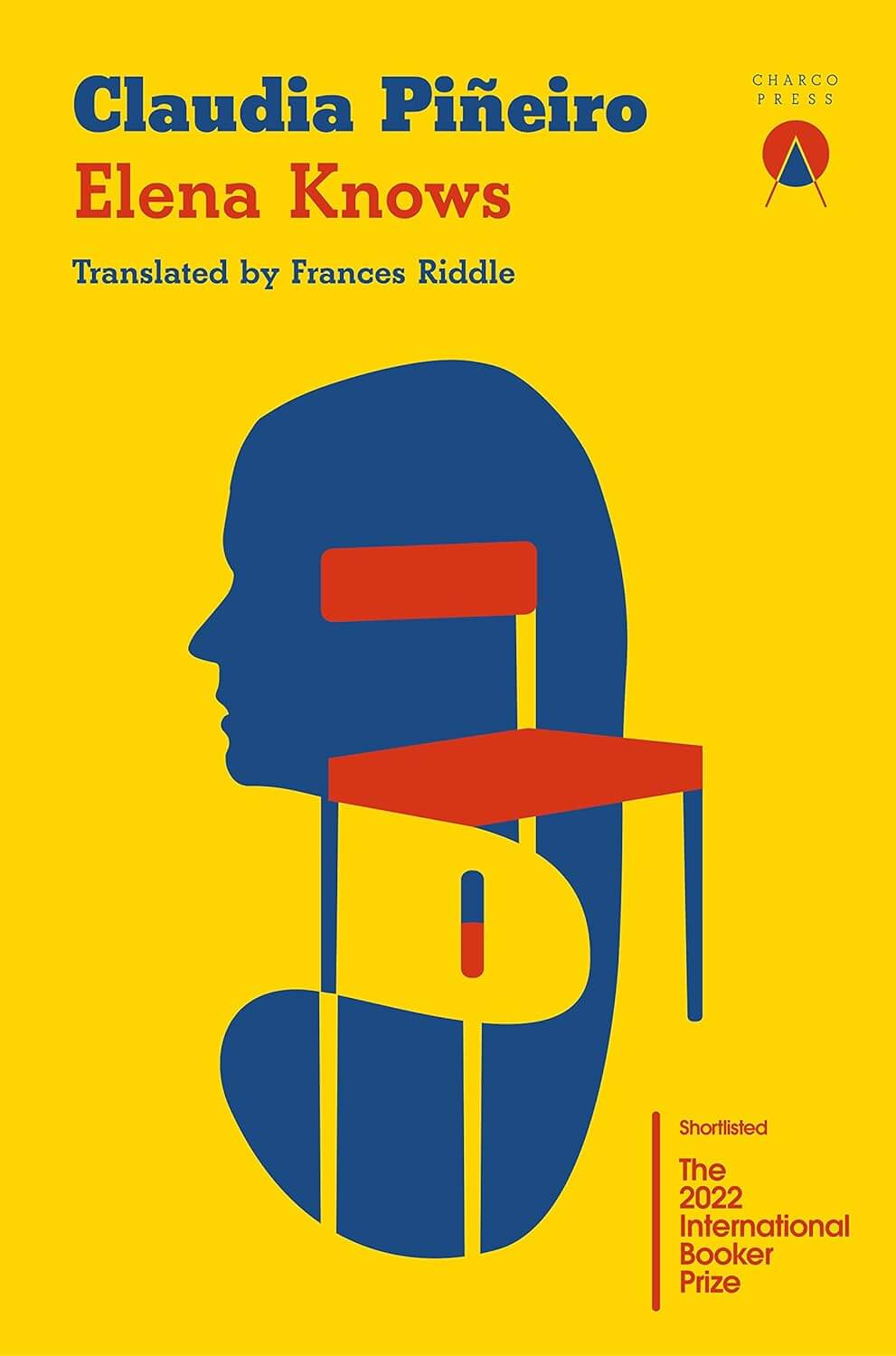
Elena Knows
Shortlisted

Elena Knows

by Claudia Piñeiro

This compact novel follows a woman with Parkinson’s disease determined to uncover the truth behind her daughter’s death. Piñeiro blends crime elements with philosophical inquiry into autonomy, motherhood, and faith. The narrative unfolds over a single arduous journey, heightening its intensity. Physical limitation becomes a lens for moral urgency. The prose is precise and unsentimental. A powerful meditation on agency and grief.

4.06
Literary Fiction
Psychological Drama
Tense
Somber
Resolute
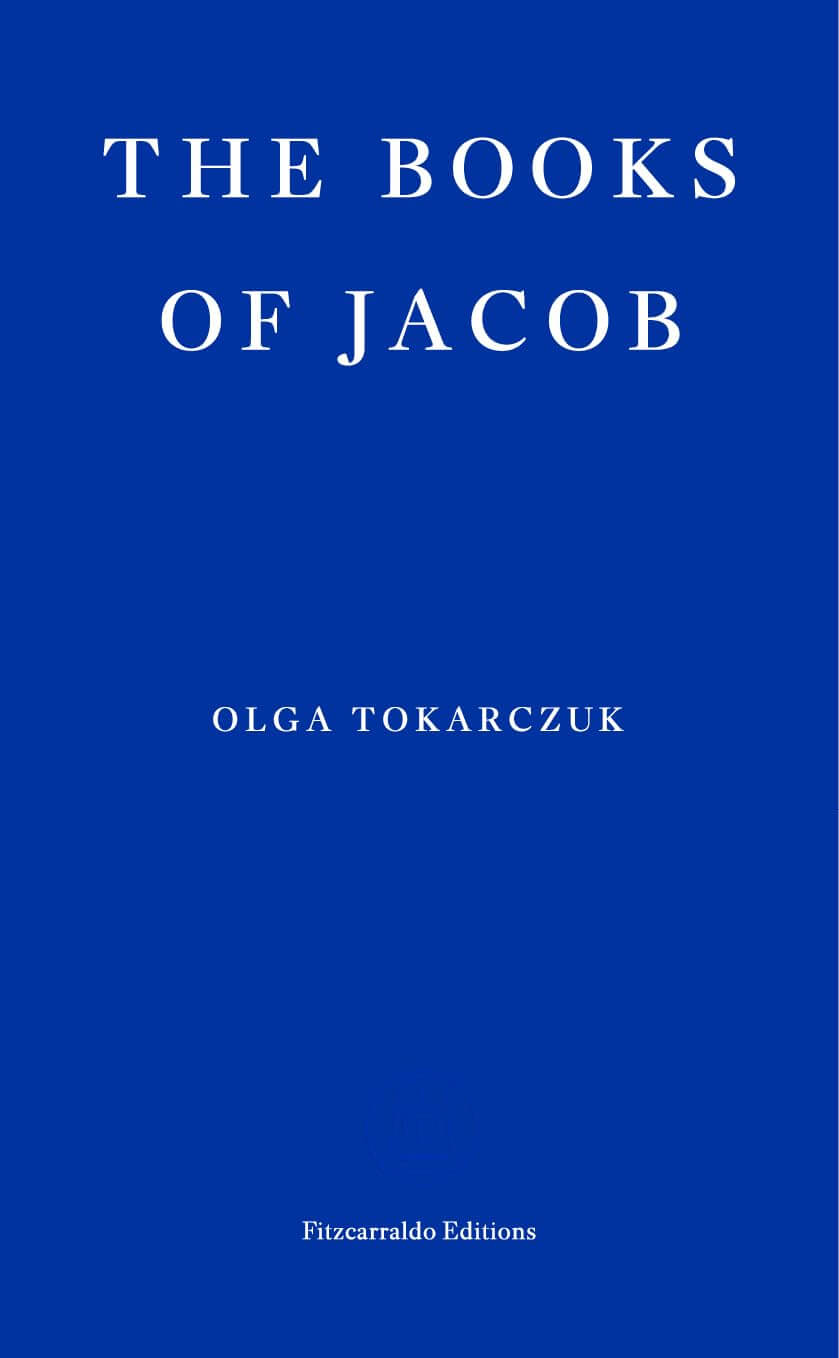
The Books of Jacob
Shortlisted

The Books of Jacob

by Olga Tokarczuk

Tokarczuk’s vast historical novel chronicles the life of Jacob Frank, a controversial religious leader in eighteenth-century Europe. Blending myth, archive, and multiple narrators, the book interrogates belief, power, and heresy. Tokarczuk destabilises linear history, foregrounding marginal voices. The scope is epic, yet the insights are intimate. It demands commitment but richly rewards it. A dazzling feat of historical imagination.

4.03
Historical Fiction
Literary Fiction
Expansive
Intellectual
Challenging
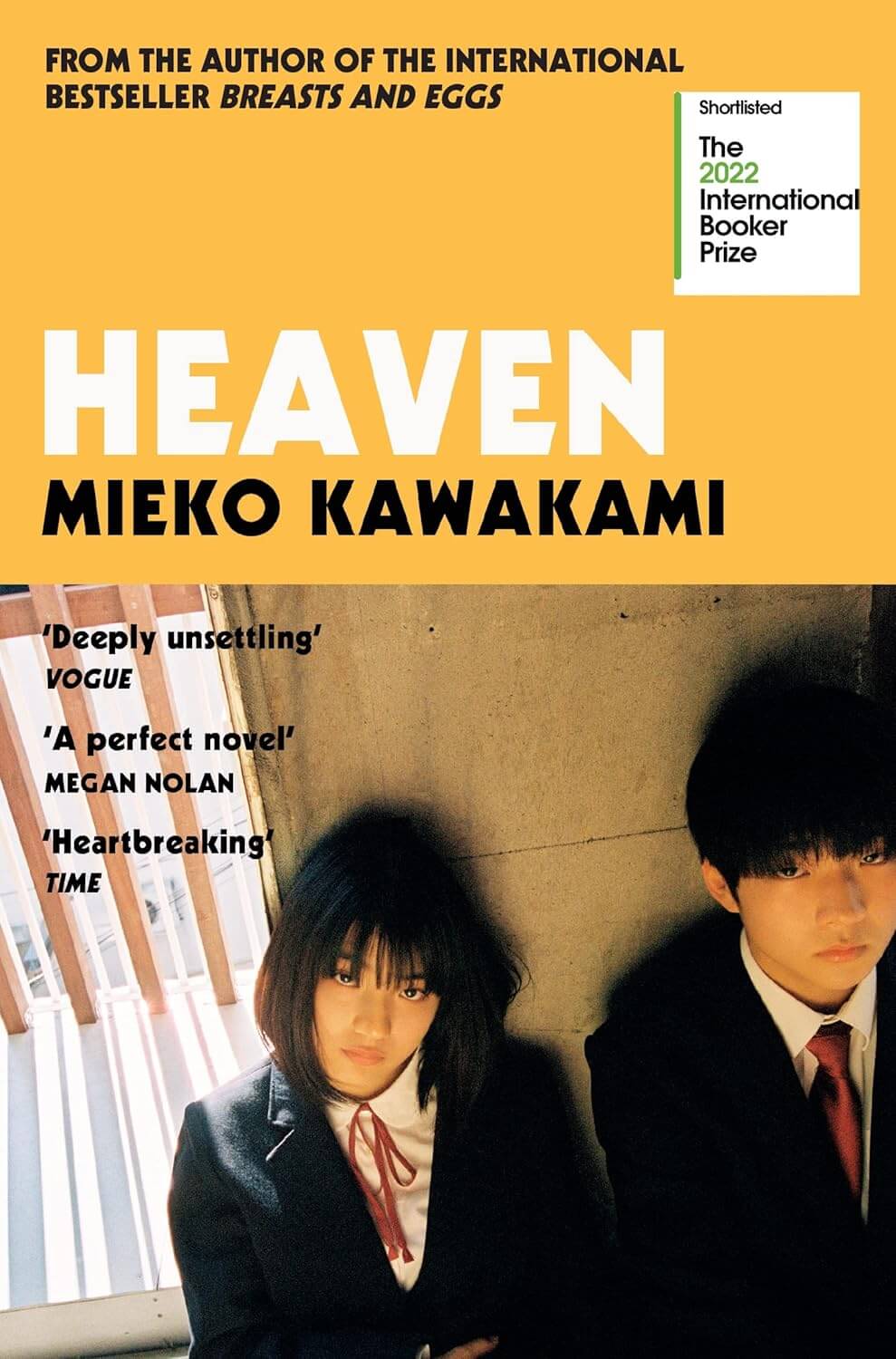
Heaven
Shortlisted

Heaven

by Mieko Kawakami

Heaven is a quiet, devastating novel about two bullied teenagers who form a fragile bond. Kawakami writes with restraint and empathy, capturing the interior lives of young people shaped by cruelty and isolation. The book interrogates suffering, endurance, and the ethics of pain. Its simplicity intensifies its emotional impact. The novel refuses easy redemption. Tender, bleak, and deeply affecting.

3.78
Literary Fiction
Tender
Bleak
Intimate
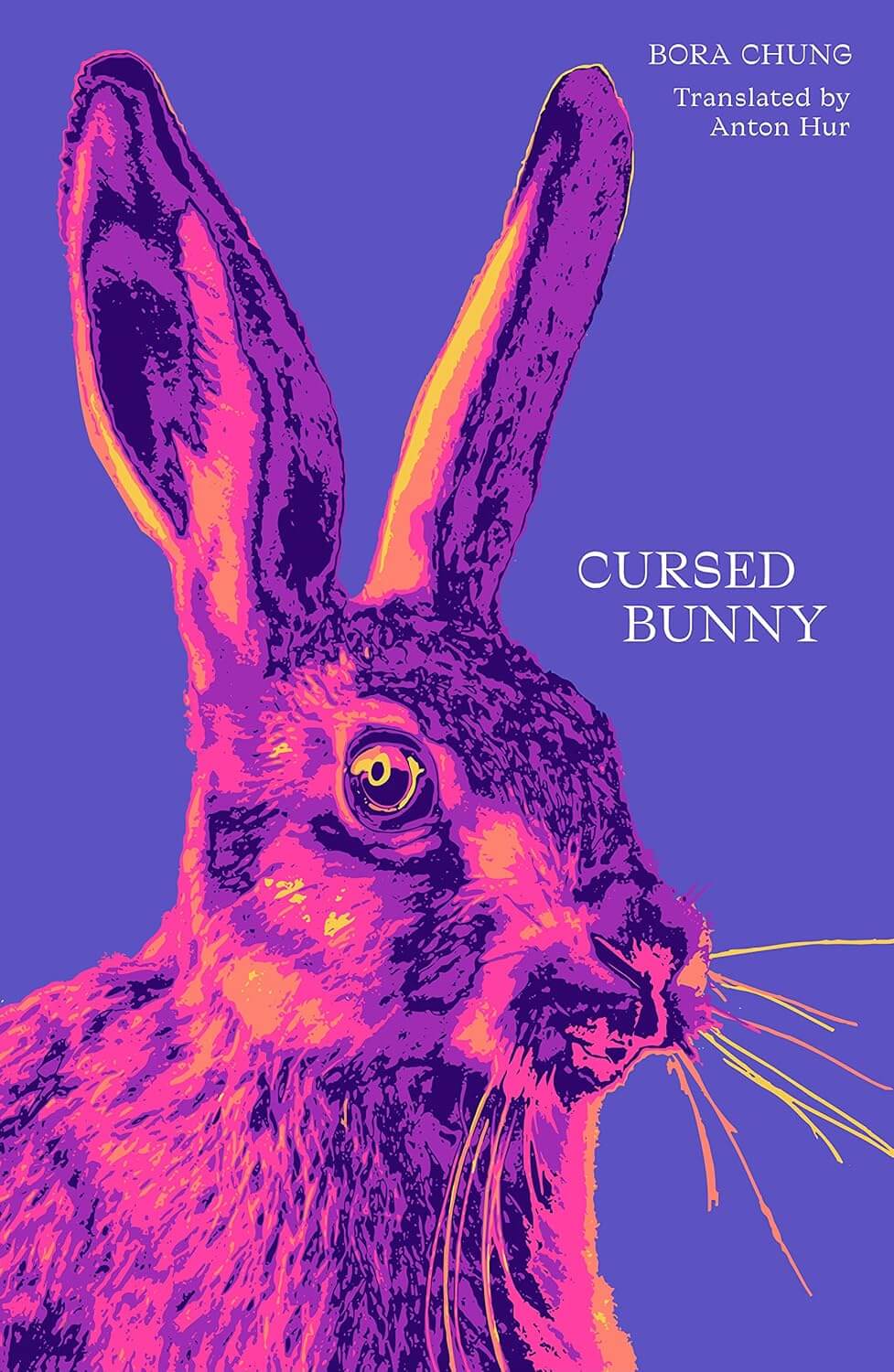
Cursed Bunny
Shortlisted

Cursed Bunny

by Bora Chung

Cursed Bunny is a collection of unsettling stories blending horror, satire, and social critique. Chung uses the grotesque to expose misogyny, capitalism, and bodily fear. The stories are sharp, strange, and often darkly funny. Ordinary objects become sites of terror. The collection refuses comfort. Inventive and disturbingly memorable.

3.74
Short Stories
Speculative Fiction
Unsettling
Darkly Funny
Grotesque
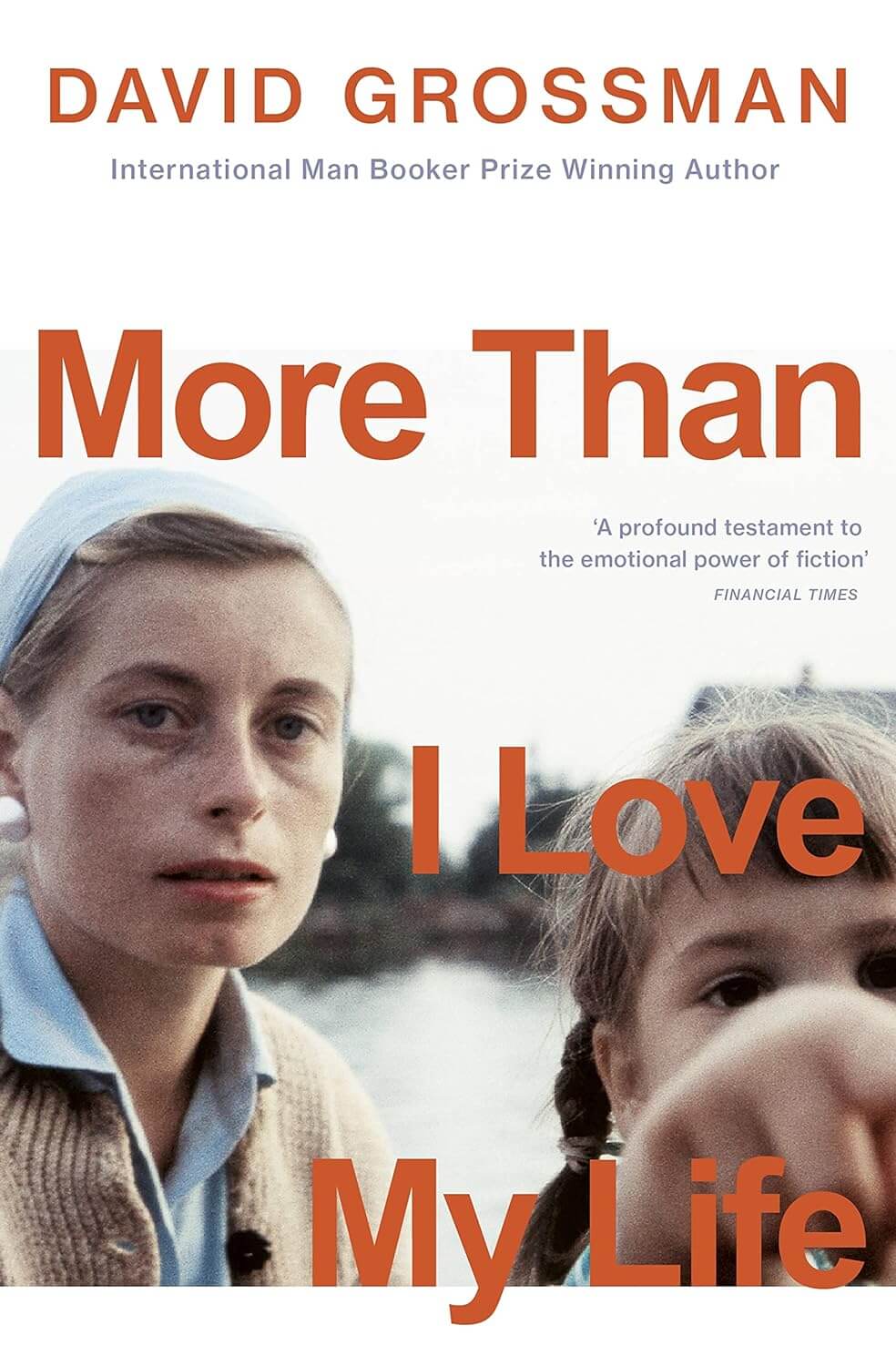
More Than I Love My Life

More Than I Love My Life

by David Grossman

Grossman’s novel intertwines the lives of three generations of women marked by war and captivity. The book examines trauma, storytelling, and survival with emotional intensity. Grossman’s prose is lyrical and probing. Silence becomes as important as speech. The novel questions how pain is inherited. A deeply moving exploration of endurance.

4.03
Literary Fiction
Grave
Emotional
Intimate
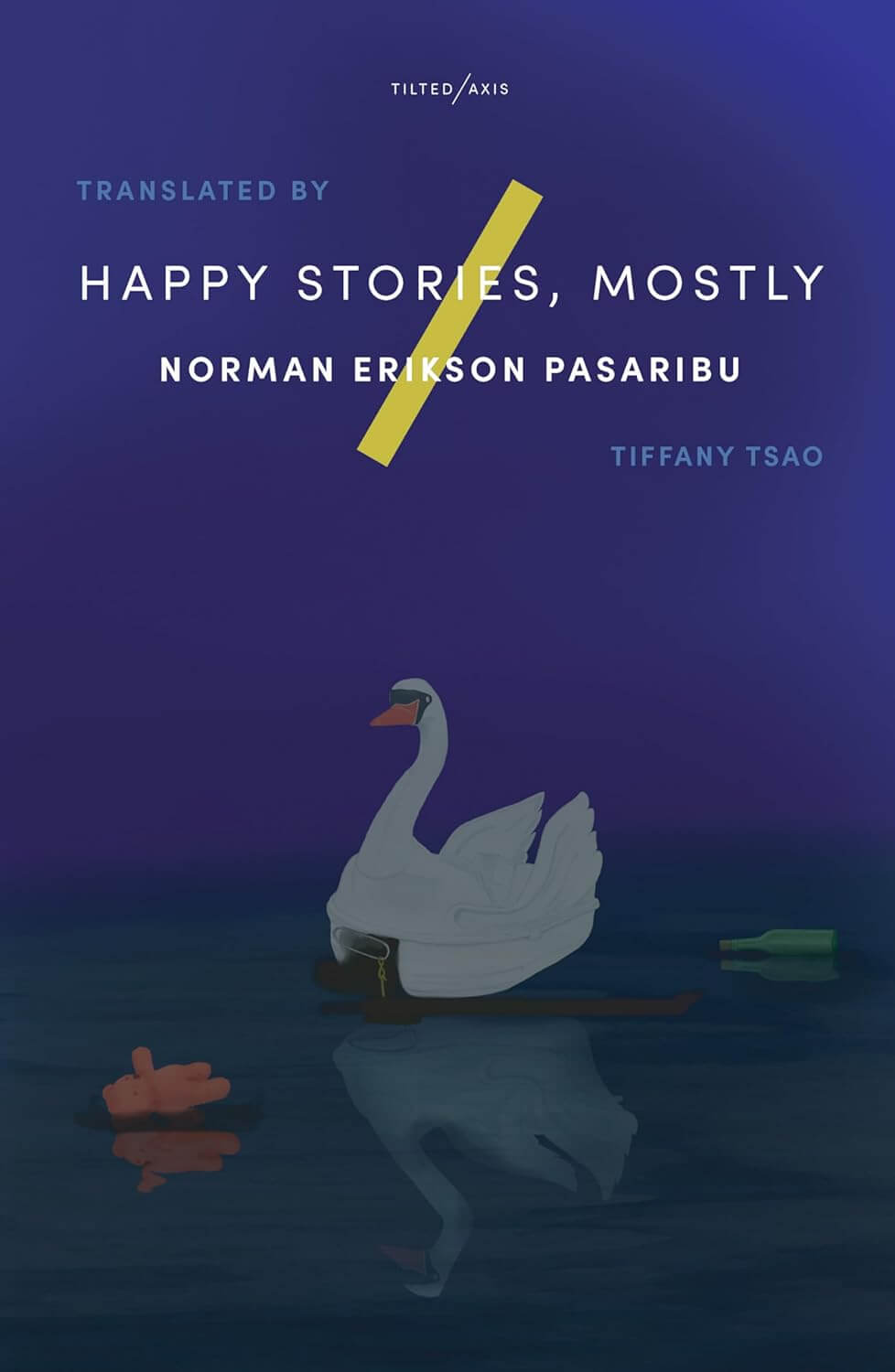
Happy Stories, Mostly

Happy Stories, Mostly

by Norman Erikson Pasaribu

This story collection explores queer life, faith, and belonging in Indonesia and beyond. Pasaribu blends humour with pain, often subverting expectations of happiness. The stories are intimate and politically resonant. Religious and cultural tensions shape each narrative. The voice is distinctive and compassionate. A quietly radical collection.

3.69
Short Stories
Literary Fiction
Tender
Wry
Reflective
Paradais

Paradais

by Fernanda Melchor

Paradais is a furious, claustrophobic novel set in a gated Mexican community. Following two young men spiralling toward violence, the book exposes misogyny, entitlement, and rage. Melchor’s prose is relentless, trapping the reader inside obsessive thought. Social inequality simmers beneath every scene. The novel builds toward inevitable catastrophe. Brutal, disturbing, and uncompromising.

3.62
Literary Fiction
Social Realism
Oppressive
Angry
Relentless
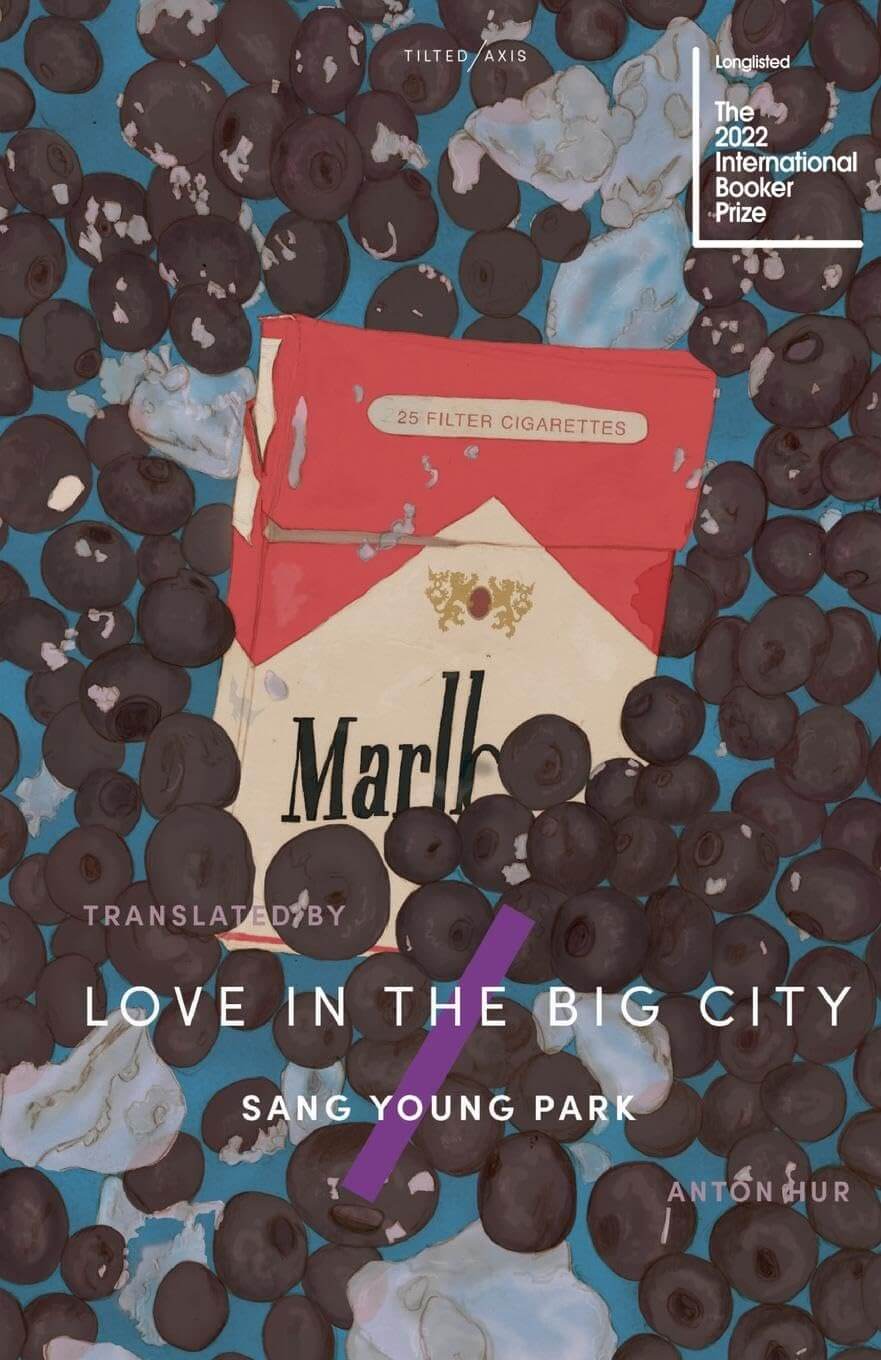
Love in the Big City

Love in the Big City

by Sang Young Park

This novel captures queer life in contemporary Seoul through a series of interconnected episodes. Park writes with humour and vulnerability about love, friendship, and survival. The city is vibrant but unforgiving. The book balances joy with loneliness and loss. Its conversational tone belies emotional depth. A vivid, compassionate portrait of chosen family.

3.67
Literary Fiction
Contemporary Fiction
Wry
Tender
Energetic
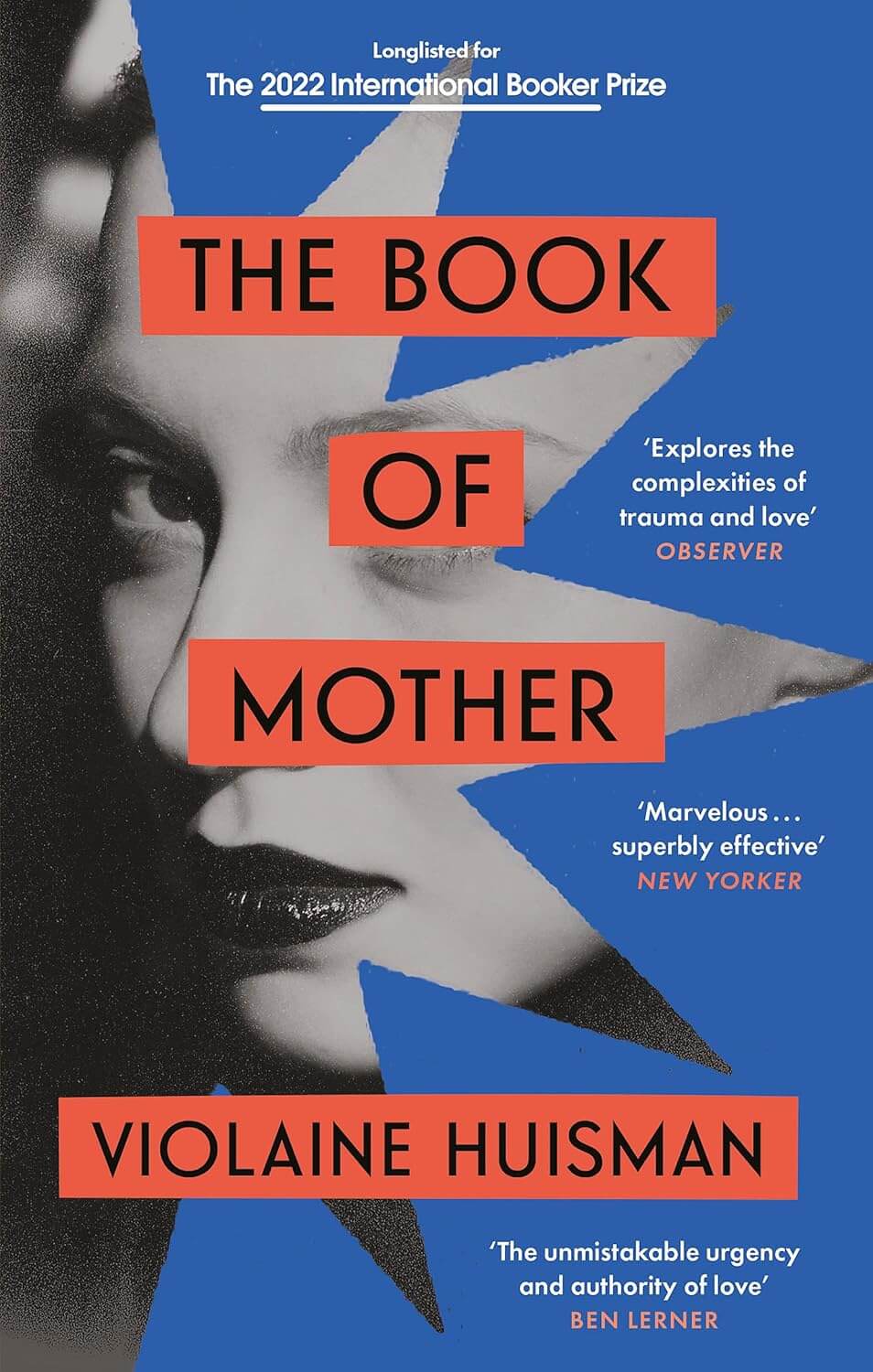
The Book of Mother

The Book of Mother

by Violaine Huisman

Huisman’s novel reconstructs the life of her mother, a brilliant and volatile woman. Blending memoir and fiction, the book explores love, illness, and inheritance. The prose is intimate and unsparing. Contradictions are embraced rather than resolved. The portrait resists idealisation. A moving exploration of maternal complexity.

3.79
Literary Fiction
Autofiction
Intimate
Unflinching
Reflective
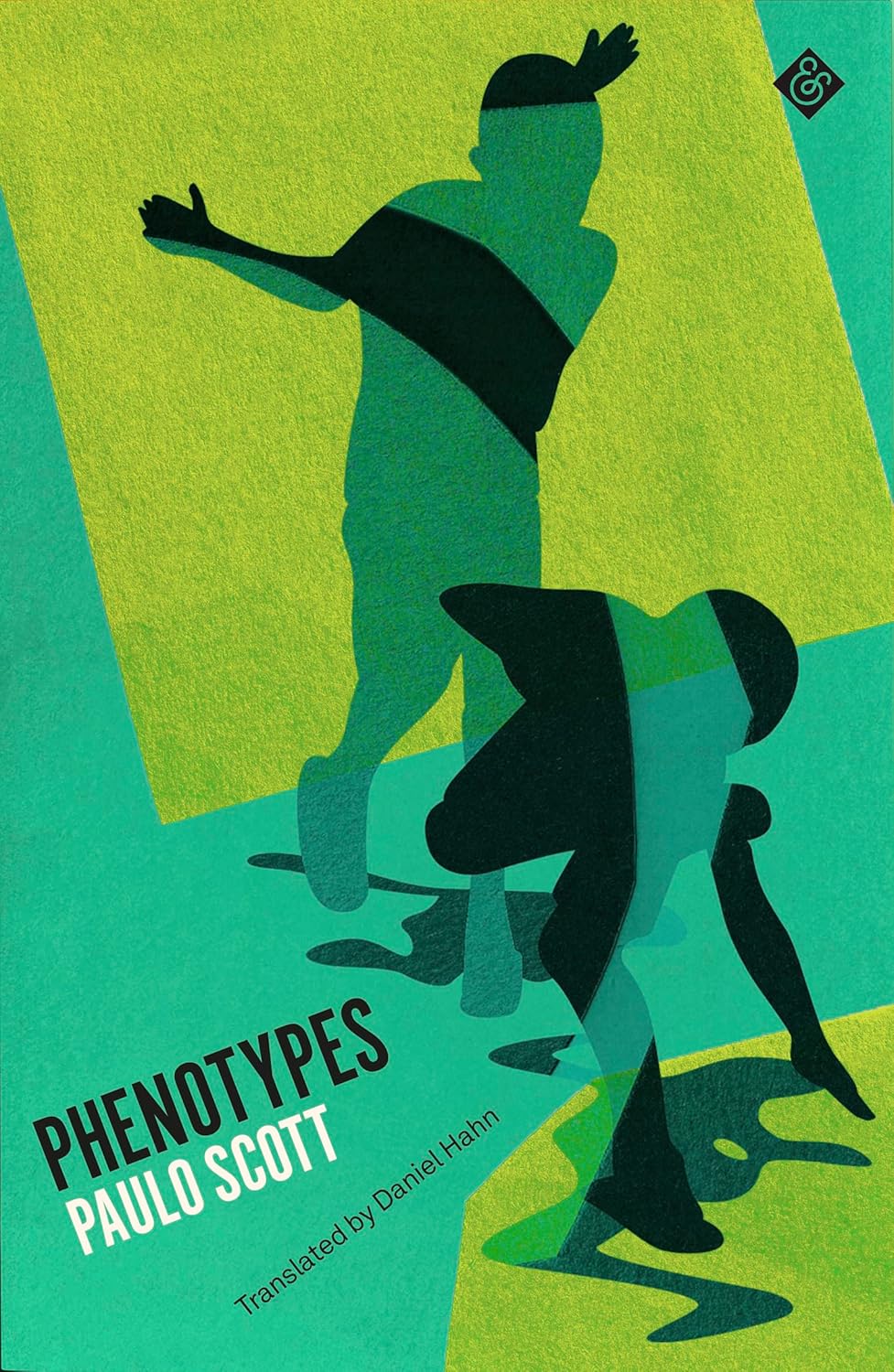
Phenotypes

Phenotypes

by Paulo Scott

Phenotypes examines race, privilege, and activism in contemporary Brazil through a fractured narrative. Scott blends personal conflict with political debate. The novel confronts colourism and liberal complacency head-on. Its structure mirrors social fragmentation. Dialogue crackles with tension. Urgent and confrontational.

3.78
Literary Fiction
Political Fiction
Urgent
Confrontational
Analytical
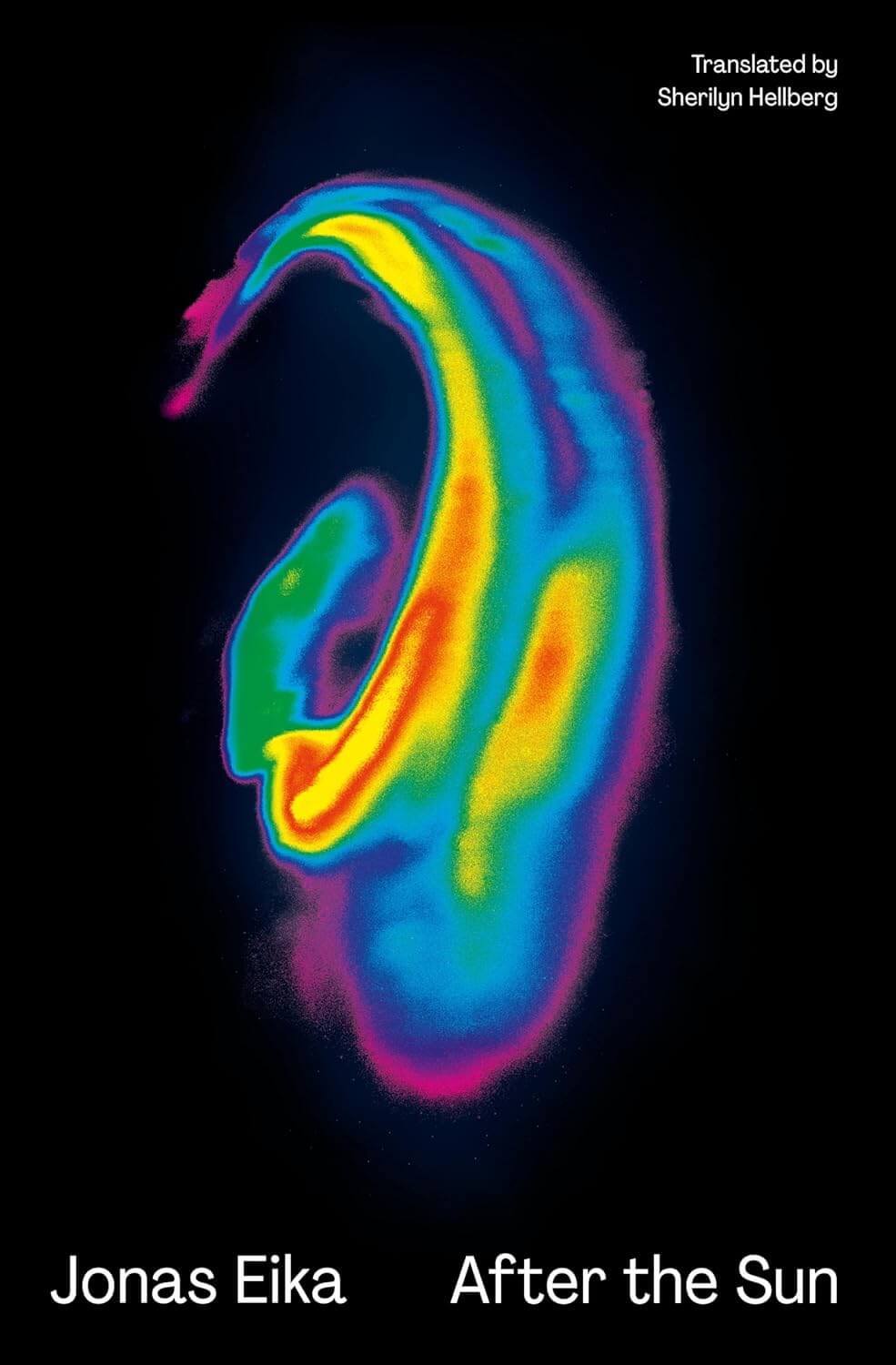
After the Sun

After the Sun

by Jonas Eika

This experimental collection explores capitalism, desire, and futurity through surreal, hybrid narratives. Eika’s writing is provocative and uncompromising. Bodies, labour, and resistance are rendered strange and vivid. The stories reject realism in favour of intensity. The book challenges how we imagine politics and intimacy. Daring and unsettling.

3.17
Short Stories
Experimental Fiction
Provocative
Surreal
Unsettling