The International Booker Prize 2021

Thirteen translated works confronting violence, memory, and the fragile structures of meaning

The International Booker Prize 2021 longlist brings together fiction and hybrid works that grapple with some of the most urgent questions of the modern world: how violence is remembered, how knowledge is formed, and how individuals survive within overwhelming systems. These books, drawn from a wide range of languages and cultures, demonstrate the power of translation to expand literary form and moral perspective.

Across the list, memory and loss are central forces. Many of the works examine how history is recorded — or erased — through archives, testimony, myth, and silence. Others turn to speculative or fragmented forms to capture experiences that resist conventional narration, including war trauma, colonial violence, scientific obsession, and systemic neglect.

What unites the 2021 selection is its intellectual daring and emotional intensity. These books are often unsettling, sometimes austere, but always deeply engaged with the ethical responsibilities of storytelling. Together, they showcase world literature at its most challenging and necessary.
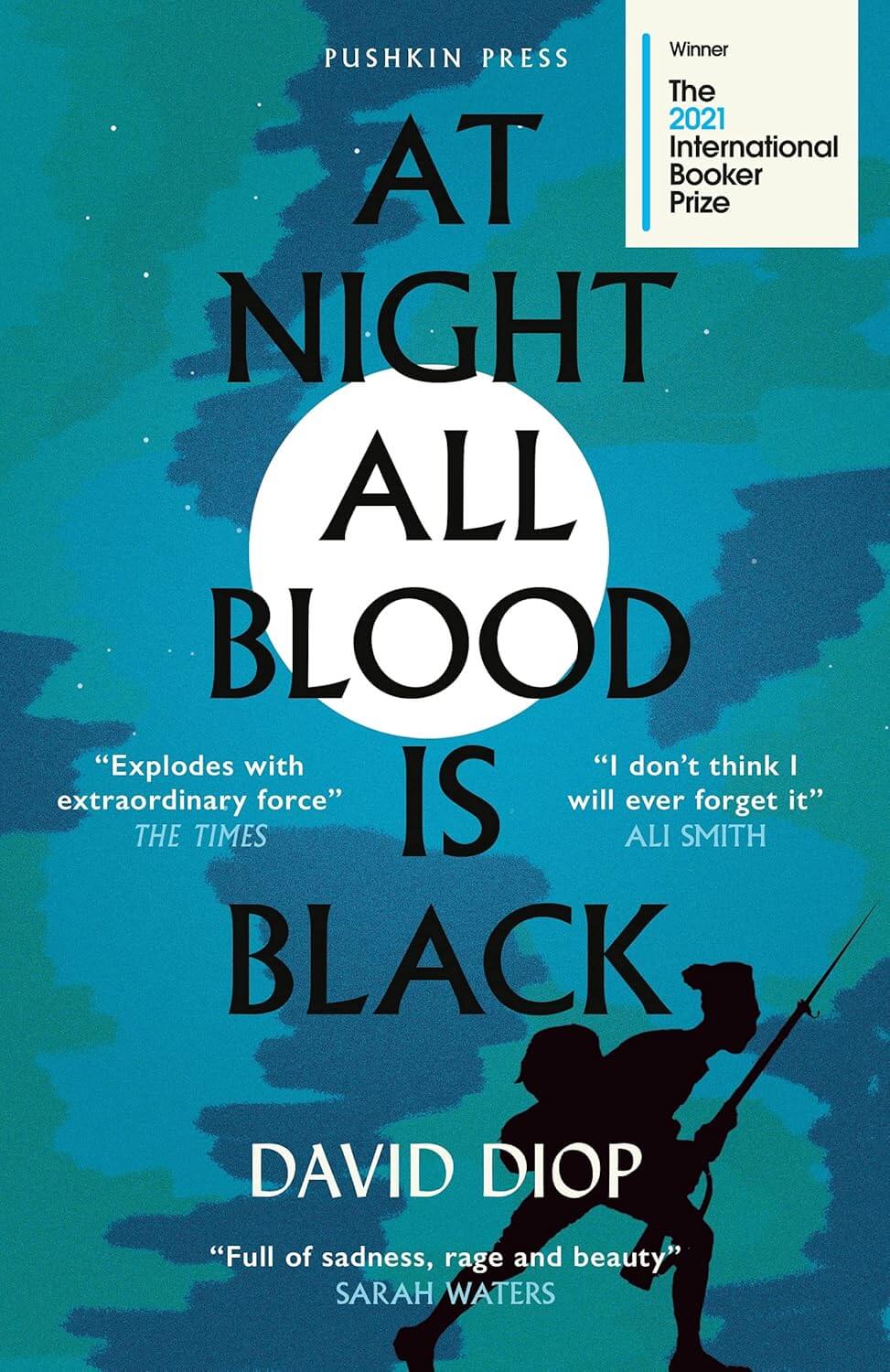
At Night All Blood Is Black
Winner

At Night All Blood Is Black

by David Diop

David Diop’s haunting novel follows a Senegalese soldier fighting for France during the First World War. As grief and guilt consume him, the boundaries between sanity and madness collapse. Diop’s prose is rhythmic and incantatory, echoing oral storytelling traditions. The novel exposes the brutality of colonial exploitation and the dehumanising machinery of war. Violence becomes both external and internal. Short, intense, and unforgettable.

3.80
Historical Fiction
Literary Fiction
Intense
Grim
Hypnotic
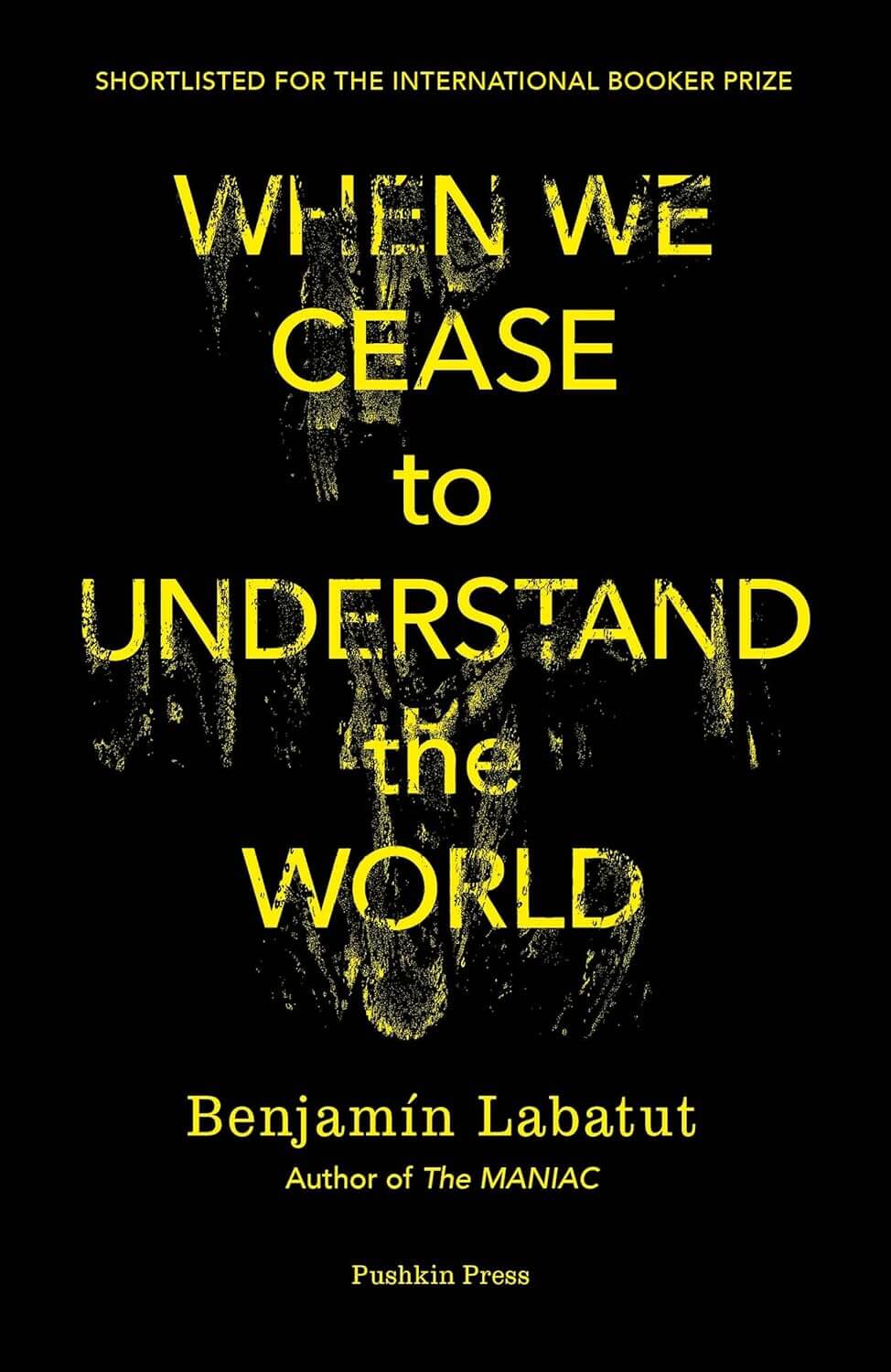
When We Cease to Understand the World
Shortlisted

When We Cease to Understand the World

by Benjamín Labatut

Labatut’s book blends fact and fiction to explore scientific genius and obsession. Focusing on figures in mathematics and physics, it examines the moral costs of knowledge. The writing is lucid yet unsettling, revealing how discovery can shade into destruction. Certainty dissolves into ambiguity. The book challenges the myth of progress. Mesmerising and disquieting.

4.10
Literary Fiction
Hybrid Fiction
Unsettling
Intellectual
Dark
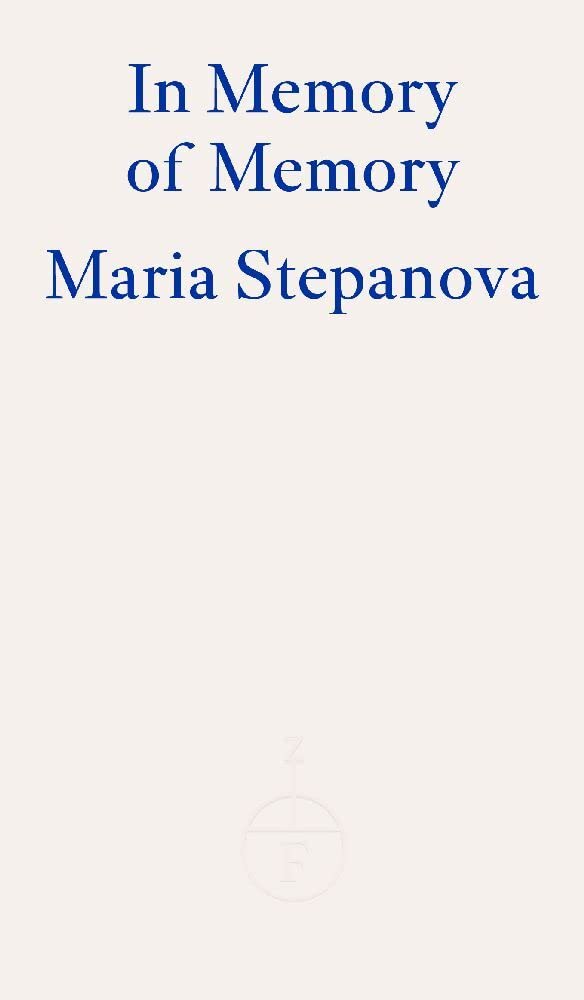
In Memory of Memory
Shortlisted

In Memory of Memory

by Maria Stepanova

This genre-defying work blends memoir, essay, and historical investigation to explore memory and inheritance. Stepanova traces her family history alongside Russia’s turbulent past. The book questions how stories are preserved and who controls narrative truth. Its structure mirrors the fragility of recollection. Erudite yet deeply personal, it resists closure. A profound meditation on memory itself.

3.83
Literary Fiction
Autofiction
Reflective
Intellectual
Melancholic
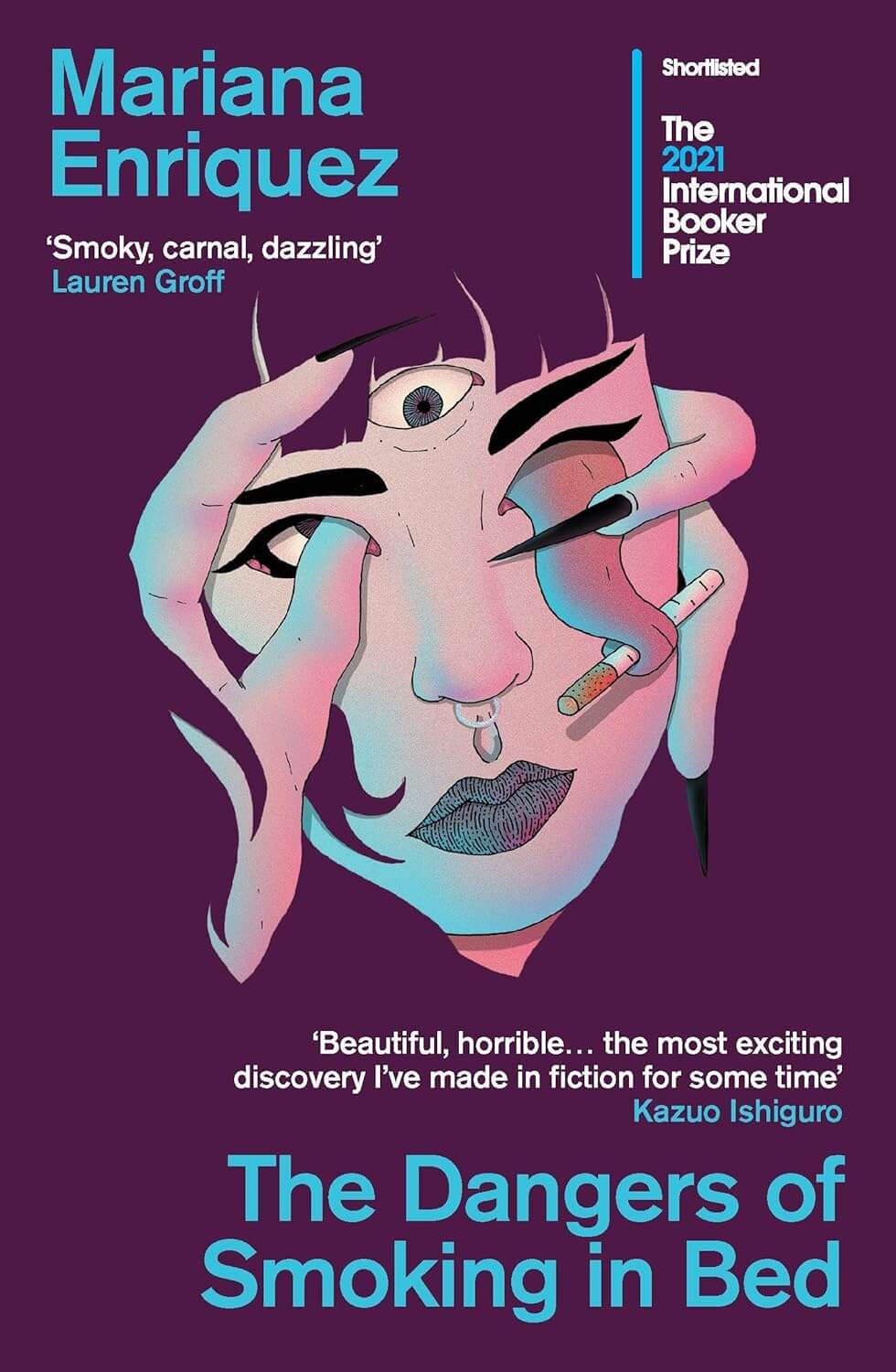
The Dangers of Smoking in Bed
Shortlisted

The Dangers of Smoking in Bed

by Mariana Enríquez

This collection of short stories blends horror with social realism in contemporary Argentina. Enríquez uses the uncanny to expose gendered violence, poverty, and political trauma. Her prose is vivid and unsettling, lingering on dread rather than shock. Ordinary spaces become sites of menace. The stories refuse neat explanations. Dark, gripping, and fiercely original.

3.80
Short Stories
Horror Fiction
Unsettling
Dark
Eerie
Minor Detail

Minor Detail

by Adania Shibli

Minor Detail reconstructs a violent incident from two perspectives separated by time. Shibli’s restrained prose intensifies the horror of what is left unsaid. The novel interrogates power, erasure, and historical narrative. Silence becomes a form of violence. The structure is precise and devastating. A quiet but searing political novel.

4.17
Literary Fiction
Political Fiction
Austere
Disturbing
Grave
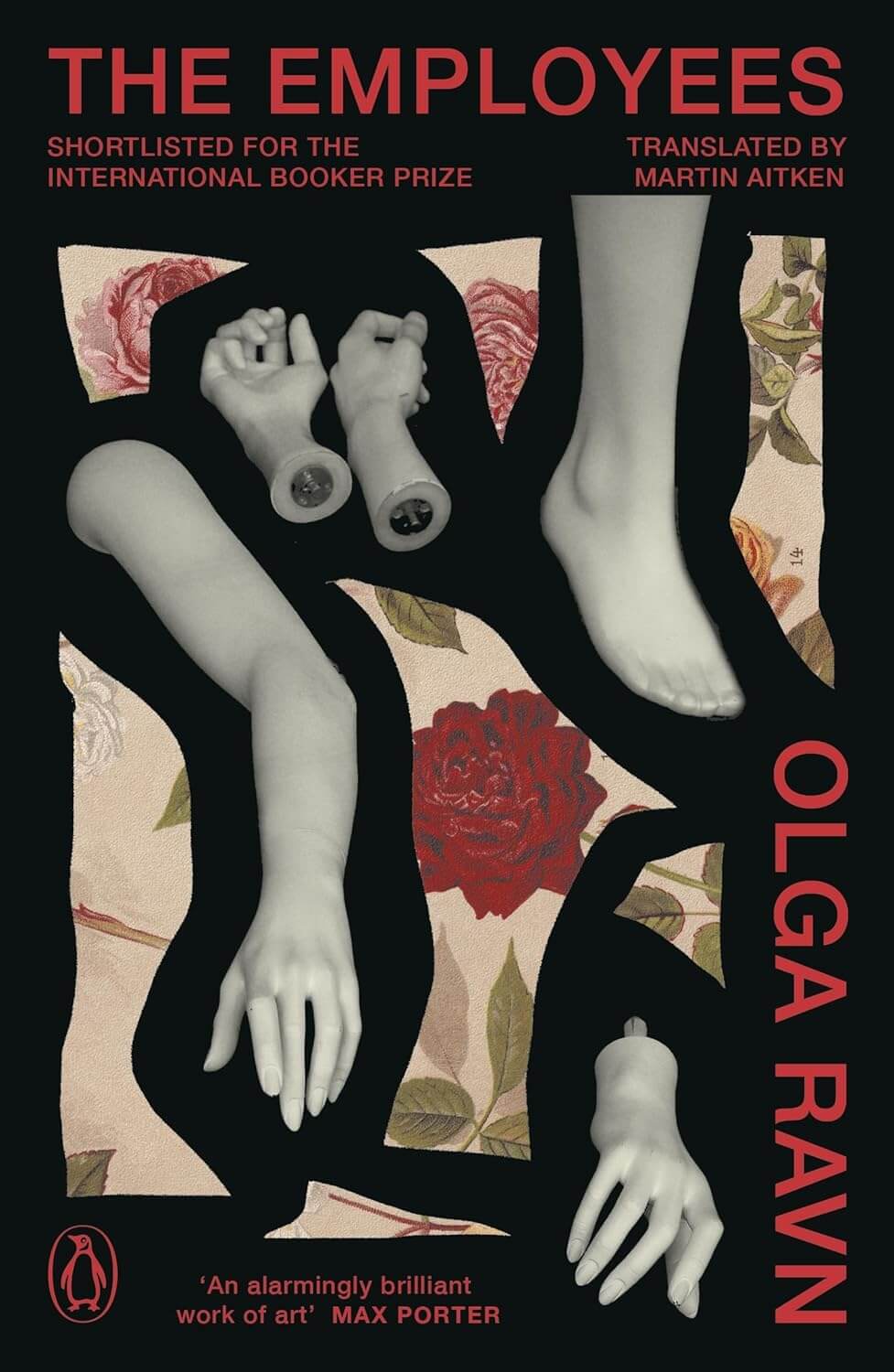
The Employees
Shortlisted

The Employees

by Olga Ravn

The Employees is a fragmented, speculative novel set aboard a spaceship staffed by humans and humanoids. Told through witness statements, it explores labour, emotion, and the nature of consciousness. Ravn’s minimalist style sharpens its philosophical questions. The line between human and object blurs. The book critiques corporate logic and alienation. Cool, strange, and quietly devastating.

3.64
Speculative Fiction
Literary Fiction
Cool
Alienating
Philosophical
Summer Brother

Summer Brother

by Jaap Robben

This novel explores the bond between two brothers during a final summer together. As illness and dependency reshape their relationship, love becomes complicated and fragile. Robben writes with emotional clarity and restraint. The perspective of youth heightens vulnerability. The novel captures tenderness without sentimentality. Quiet, moving, and intimate.

3.72
Literary Fiction
Tender
Intimate
Poignant
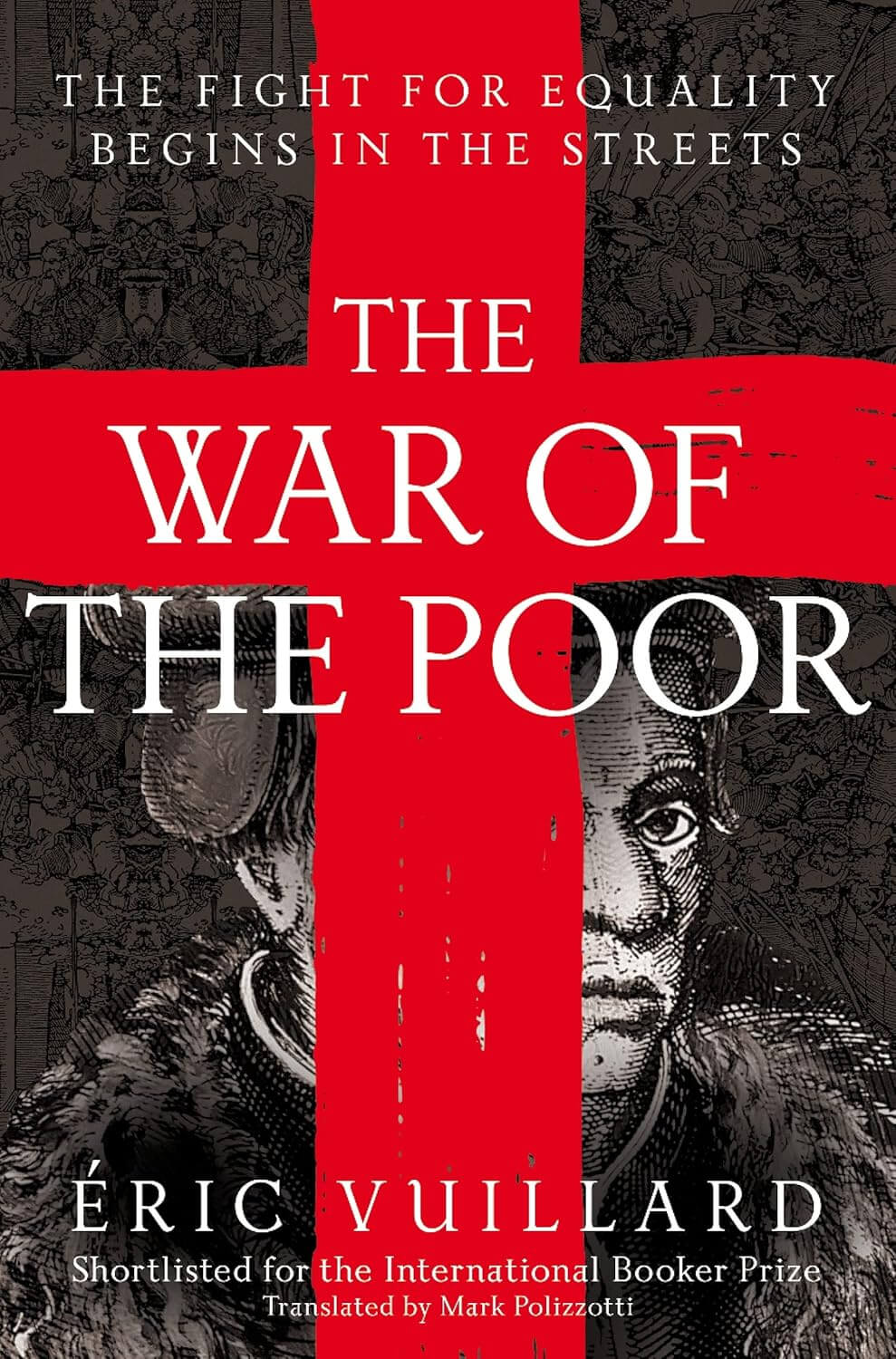
The War of the Poor
Shortlisted

The War of the Poor

by Éric Vuillard

Vuillard’s novella recounts the sixteenth-century peasant revolts led by Thomas Müntzer. Written with urgency and clarity, it connects historical struggle to contemporary inequality. Vuillard strips history of neutrality, emphasising power and repression. The prose is sharp and polemical. Past and present echo each other insistently. A brief but forceful work of political history-fiction.

3.39
Historical Fiction
Political Fiction
Urgent
Angry
Incisive
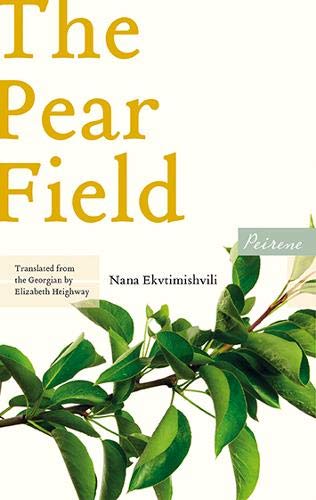
The Pear Field

The Pear Field

by Nana Ekvtimishvili

Set in post-Soviet Georgia, this novel follows a teenage girl in a state-run institution for disabled children. Ekvtimishvili writes with restraint and compassion, avoiding sentimentality. The book exposes systemic neglect and quiet resilience. Small acts of care carry great weight. The narrative is spare but deeply affecting. A powerful portrait of dignity under constraint.

3.71
Literary Fiction
Somber
Compassionate
Quiet
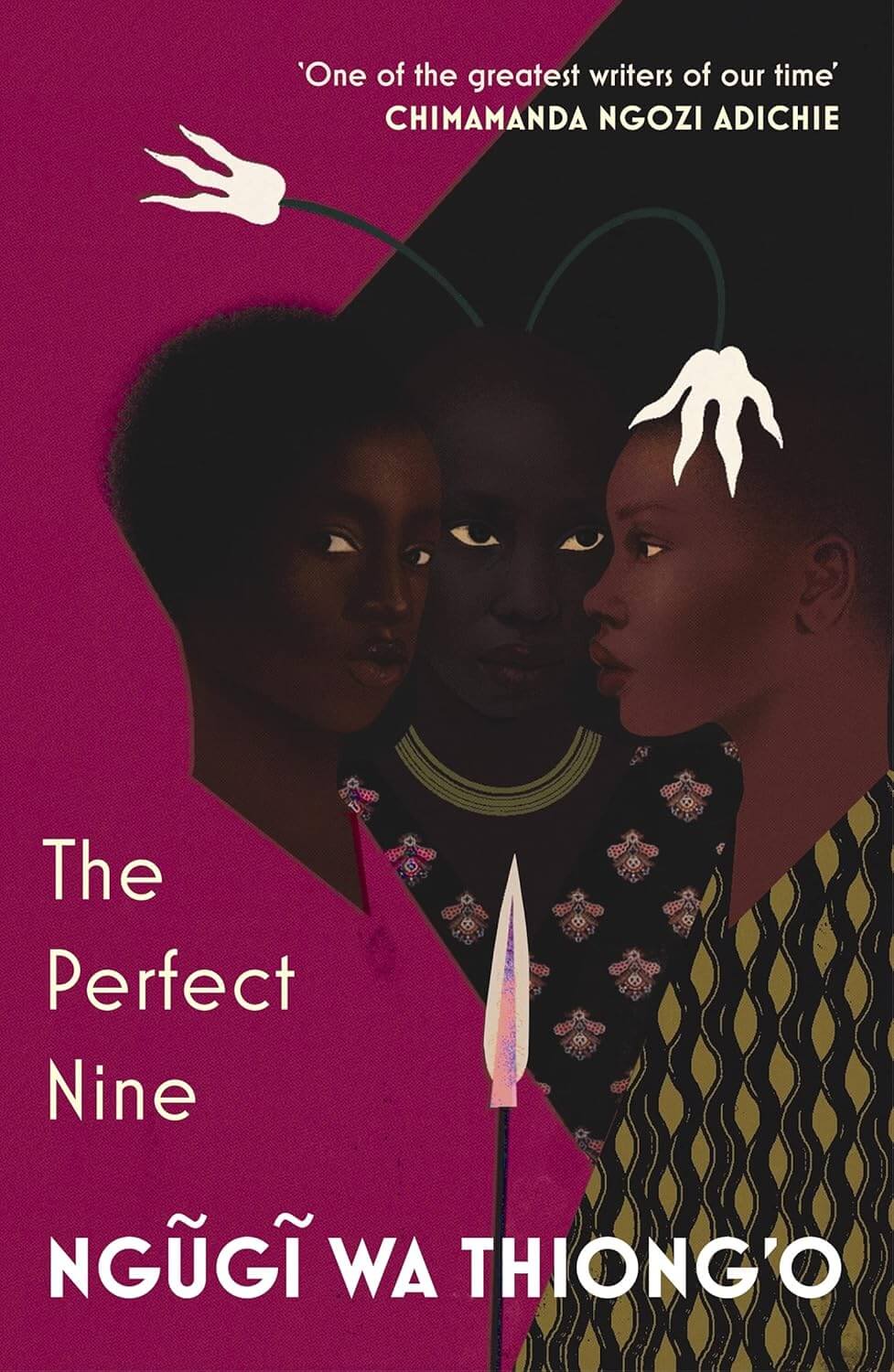
The Perfect Nine

The Perfect Nine

by Ngũgĩ wa Thiong'o

This verse novel retells a foundational Gikuyu myth about the origins of a people. Ngũgĩ blends oral tradition with epic poetry, celebrating community and resilience. The narrative foregrounds women’s strength and collective identity. Myth becomes a living political and cultural force. The language is rhythmic and ceremonial. A powerful affirmation of storytelling as inheritance.

3.69
Verse Novel
Mythic Fiction
Ceremonial
Uplifting
Epic
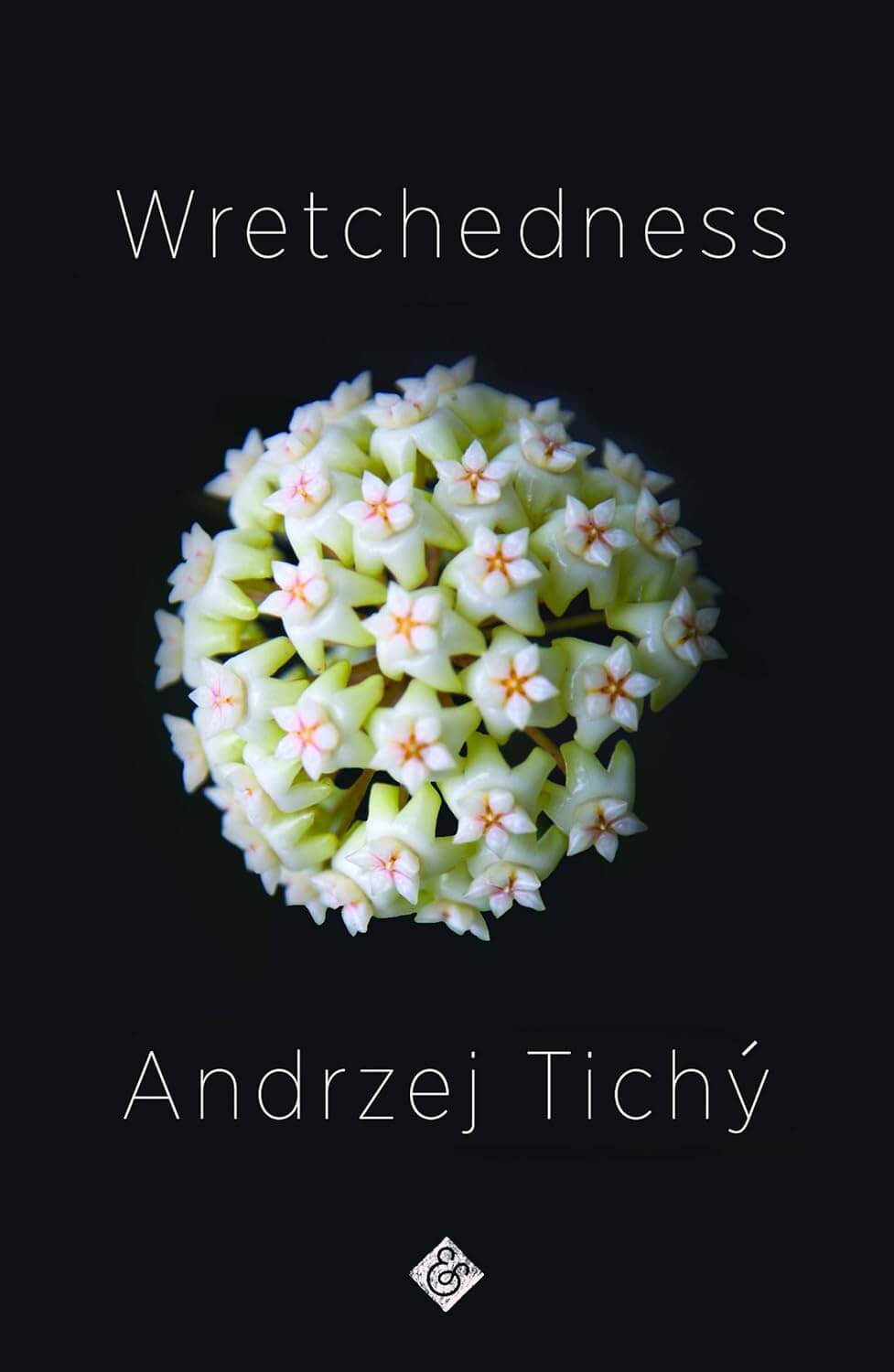
Wretchedness

Wretchedness

by Andrzej Tichý

This fragmented novel portrays marginalised lives in a Scandinavian city through shifting perspectives. Tichý explores addiction, exclusion, and systemic failure with brutal honesty. The prose is raw and disjointed, reflecting fractured realities. The book resists narrative comfort. Voices overlap without resolution. Bleak, demanding, and ethically confrontational.

3.45
Literary Fiction
Bleak
Harsh
Confrontational
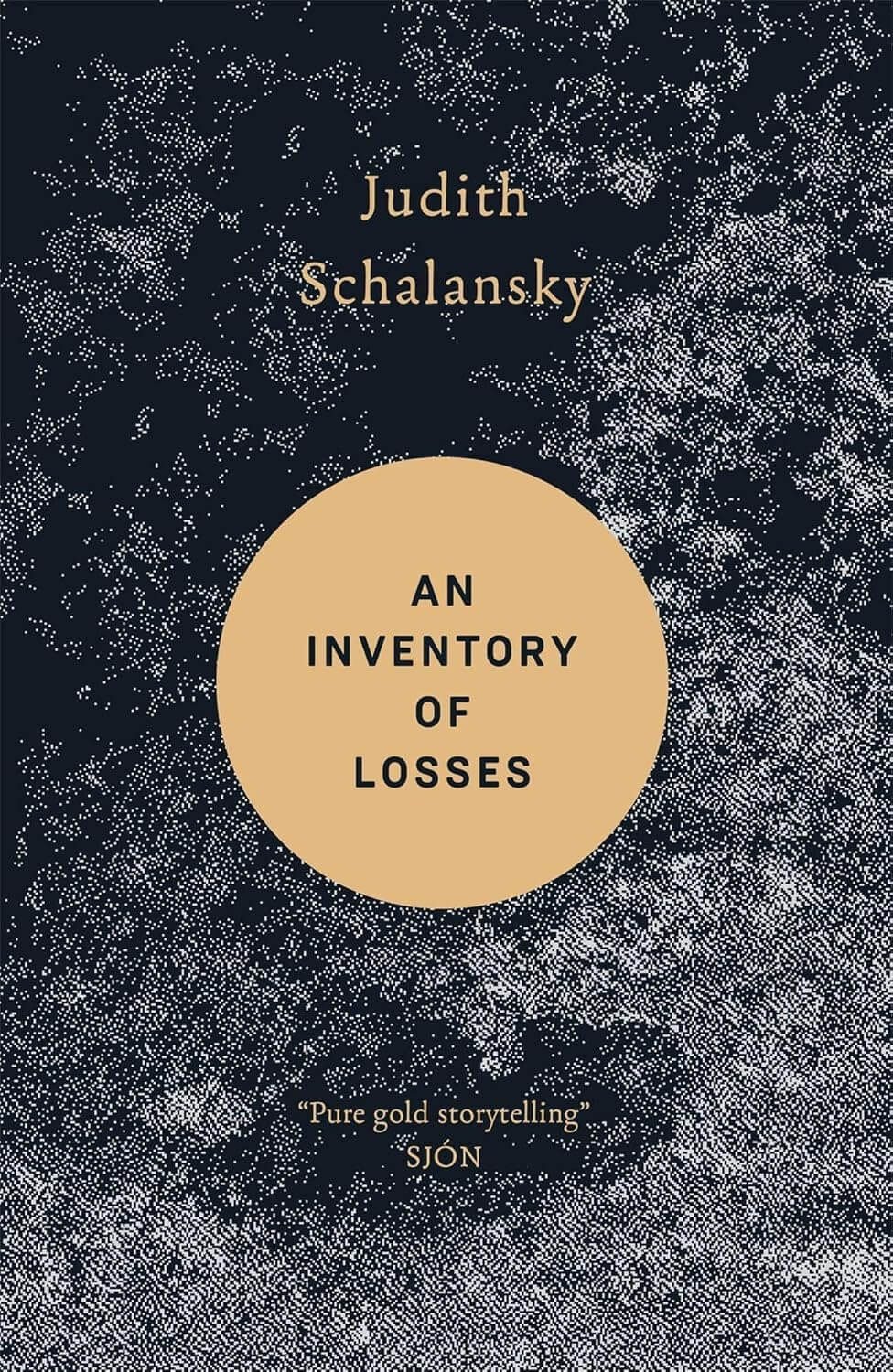
An Inventory of Losses

An Inventory of Losses

by Judith Schalansky

This book catalogues lost places, objects, and people through a series of lyrical essays. Schalansky blends personal reflection with historical research. Absence becomes the central subject. The prose is elegant and precise. Each entry mourns what cannot be recovered. A beautiful meditation on loss and impermanence.

3.35
Literary Fiction
Hybrid Fiction
Melancholic
Reflective
Elegiac
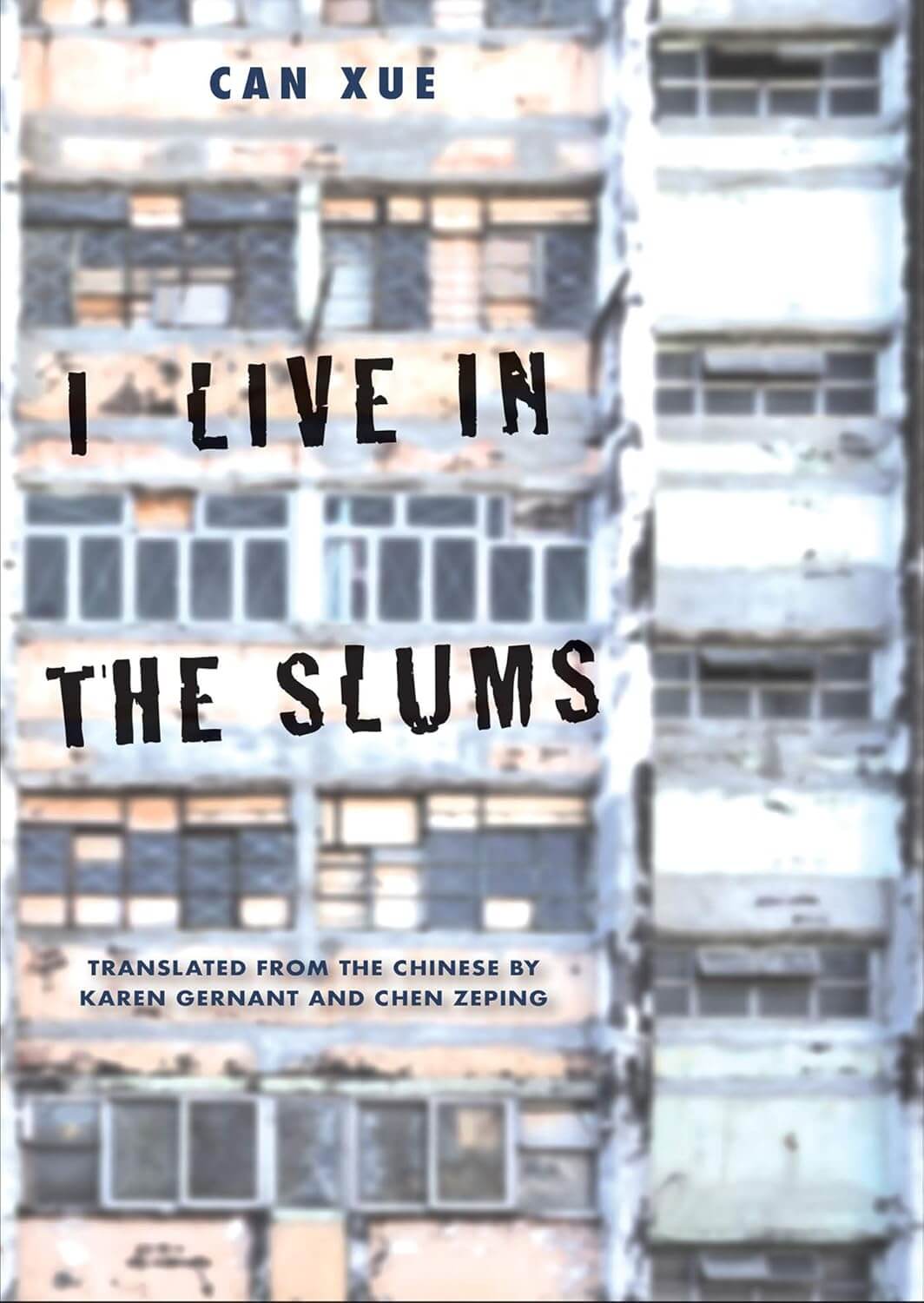
I Live in the Slums

I Live in the Slums

by Can Xue

This surreal novel depicts life in a grotesque, shifting slum where reality constantly destabilises. Can Xue uses absurdity to critique social and political systems. Characters dissolve into symbols, resisting interpretation. The prose is unsettling and dreamlike. Meaning remains deliberately elusive. A challenging work of radical imagination.

3.24
Experimental Fiction
Surreal
Disorienting
Provocative