The International Booker Prize 2020

Bold, unsettling novels that stretch form, language, and moral imagination

The International Booker Prize 2020 longlist brings together translated fiction that is fearless in both subject matter and form. These books push readers into uncomfortable territory, confronting violence, desire, political decay, and the fragility of meaning itself. Spanning continents and centuries, the list reflects the extraordinary range of contemporary world literature.

Across these novels, many authors experiment with narrative voice and structure to capture experiences that resist easy explanation. Horror, satire, myth, and philosophical reflection are frequently intertwined. Several books explore collective trauma — whether rooted in family histories, national collapse, or systemic brutality — while others focus on alienation in hyper-modern societies.

What unites this longlist is its intensity and ambition. These are books that demand attention, challenging readers to sit with uncertainty and discomfort. Together, they showcase translation as a vital creative act and reaffirm fiction’s power to illuminate the darkest and most complex corners of human experience.
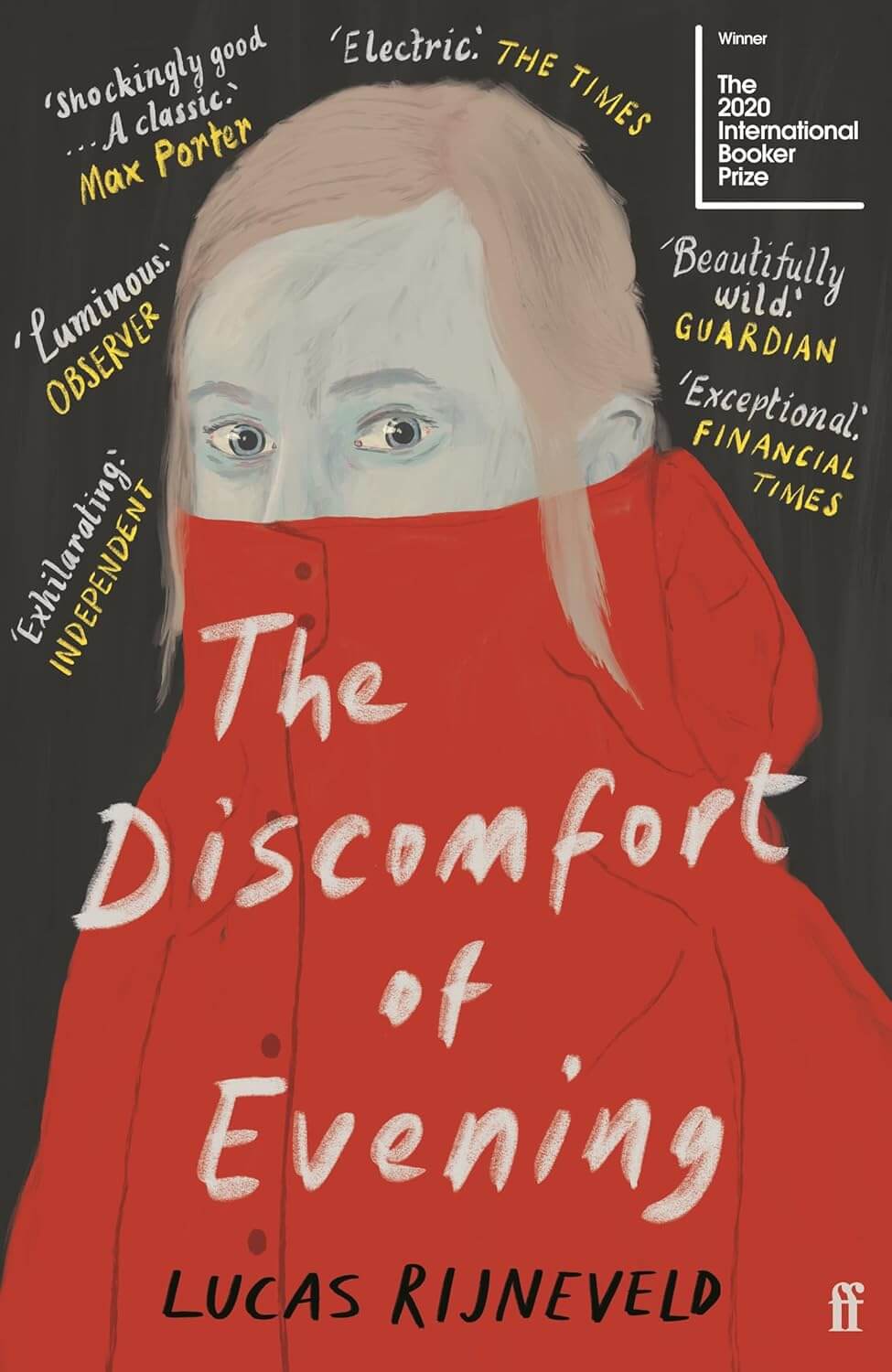
The Discomfort of Evening
Winner

The Discomfort of Evening

by Lucas Rijneveld

This disturbing debut follows a religious farming family in the Netherlands after a tragic accident. Told through the eyes of a young girl, the novel explores grief, repression, and bodily discomfort. Rijneveld’s prose is visceral and poetic, often shocking in its imagery. Silence and taboo shape every interaction. Innocence curdles into something darker. An unsettling, unforgettable portrayal of trauma.

3.44
Literary Fiction
Unsettling
Bleak
Visceral
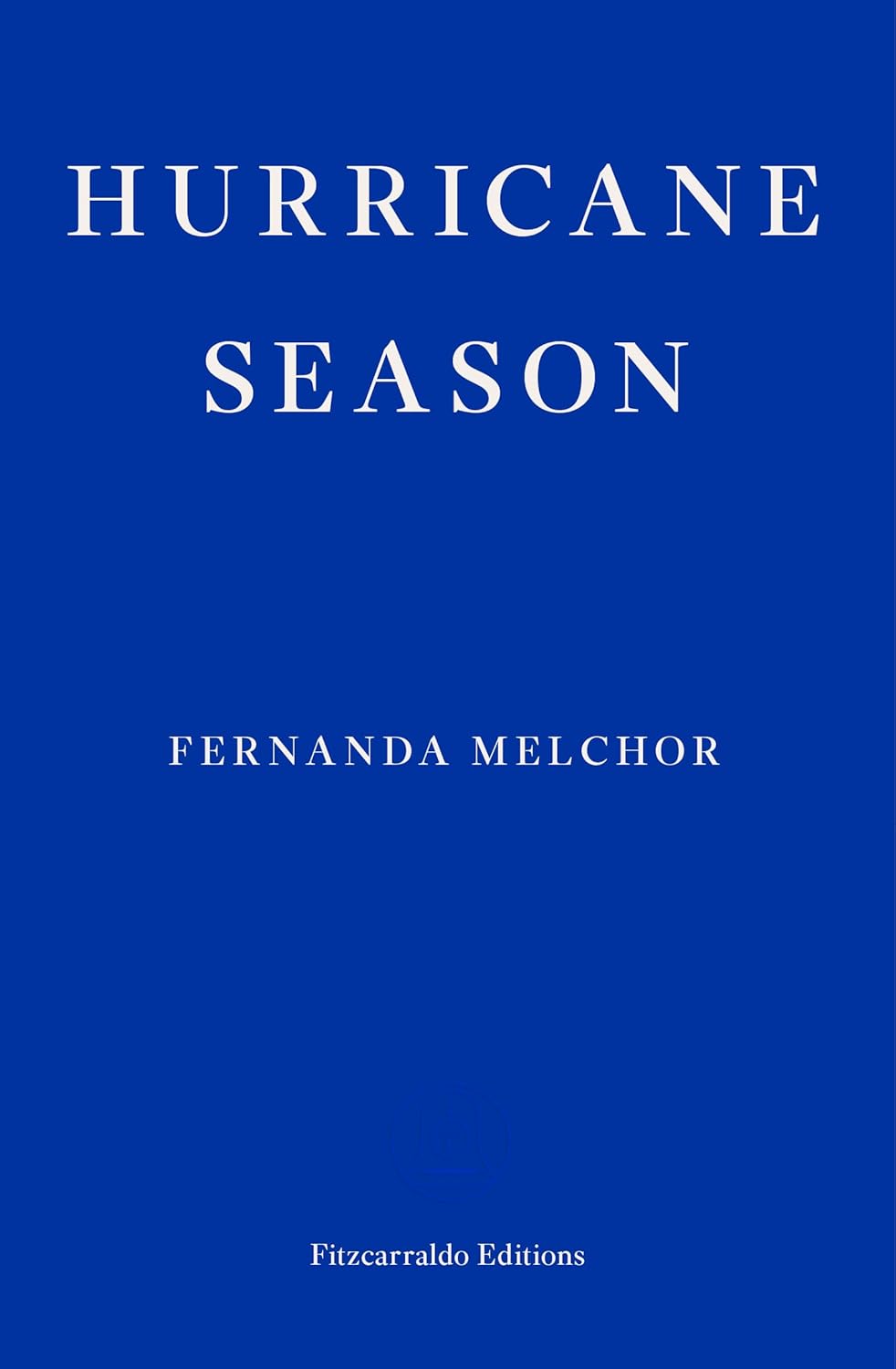
Hurricane Season
Shortlisted

Hurricane Season

by Fernanda Melchor

Set in a Mexican village gripped by violence, Hurricane Season unravels the aftermath of a brutal murder. Melchor’s relentless prose mirrors the chaos and cruelty of the world she depicts. The novel exposes misogyny, poverty, and rage as cyclical forces. Long, breathless sentences trap the reader in escalating despair. There is little relief or redemption. A brutal, electrifying indictment of systemic violence.

4.04
Literary Fiction
Social Realism
Oppressive
Furious
Relentless
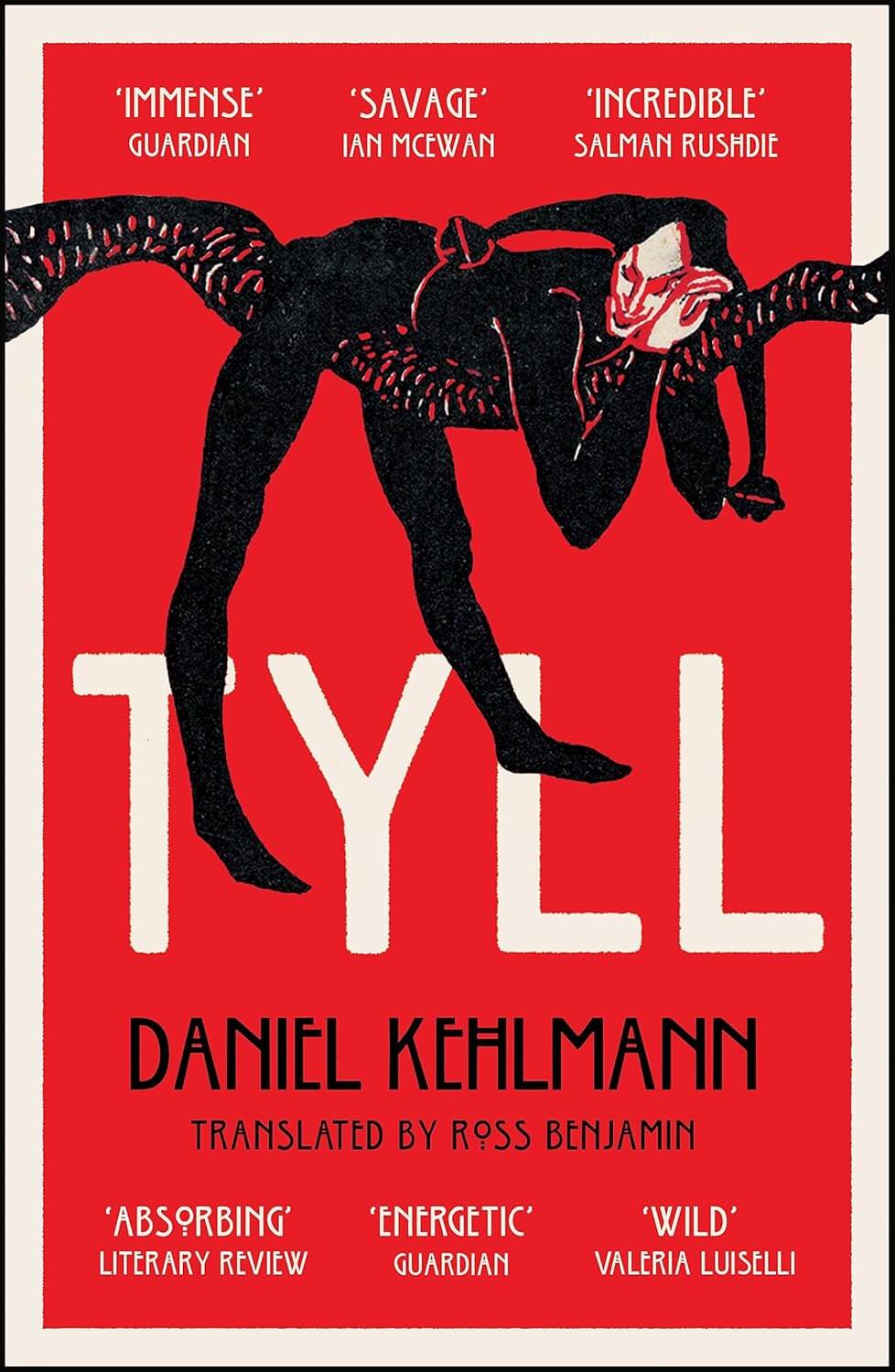
Tyll
Shortlisted

Tyll

by Daniel Kehlmann

Set during the Thirty Years’ War, Tyll reimagines the legendary trickster Tyll Ulenspiegel. Kehlmann blends historical devastation with dark humour and folklore. The novel moves episodically, shifting perspective and tone. Tyll becomes both witness and disruptor of catastrophe. Violence and absurdity coexist throughout. A dazzling, inventive historical novel.

3.95
Historical Fiction
Darkly Comic
Energetic
Chaotic
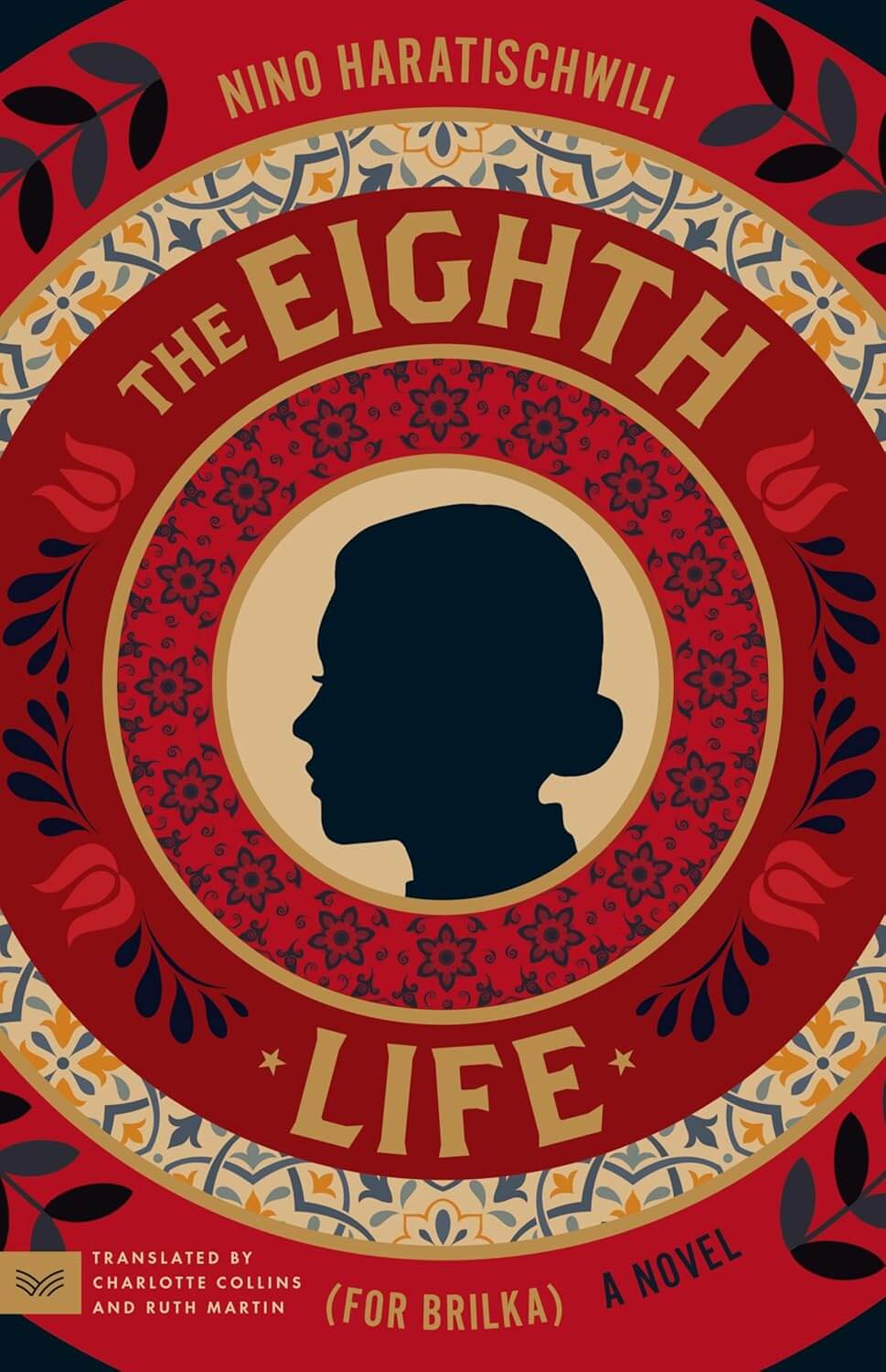
The Eighth Life

The Eighth Life

by Nino Haratischwili

This sweeping family saga spans generations of Georgian history. Haratischwili weaves personal lives with political upheaval. The novel explores love, betrayal, and inherited trauma. Its scope is epic, yet deeply intimate. History presses relentlessly on private lives. Ambitious and emotionally powerful.

4.53
Historical Fiction
Literary Fiction
Epic
Emotional
Grave
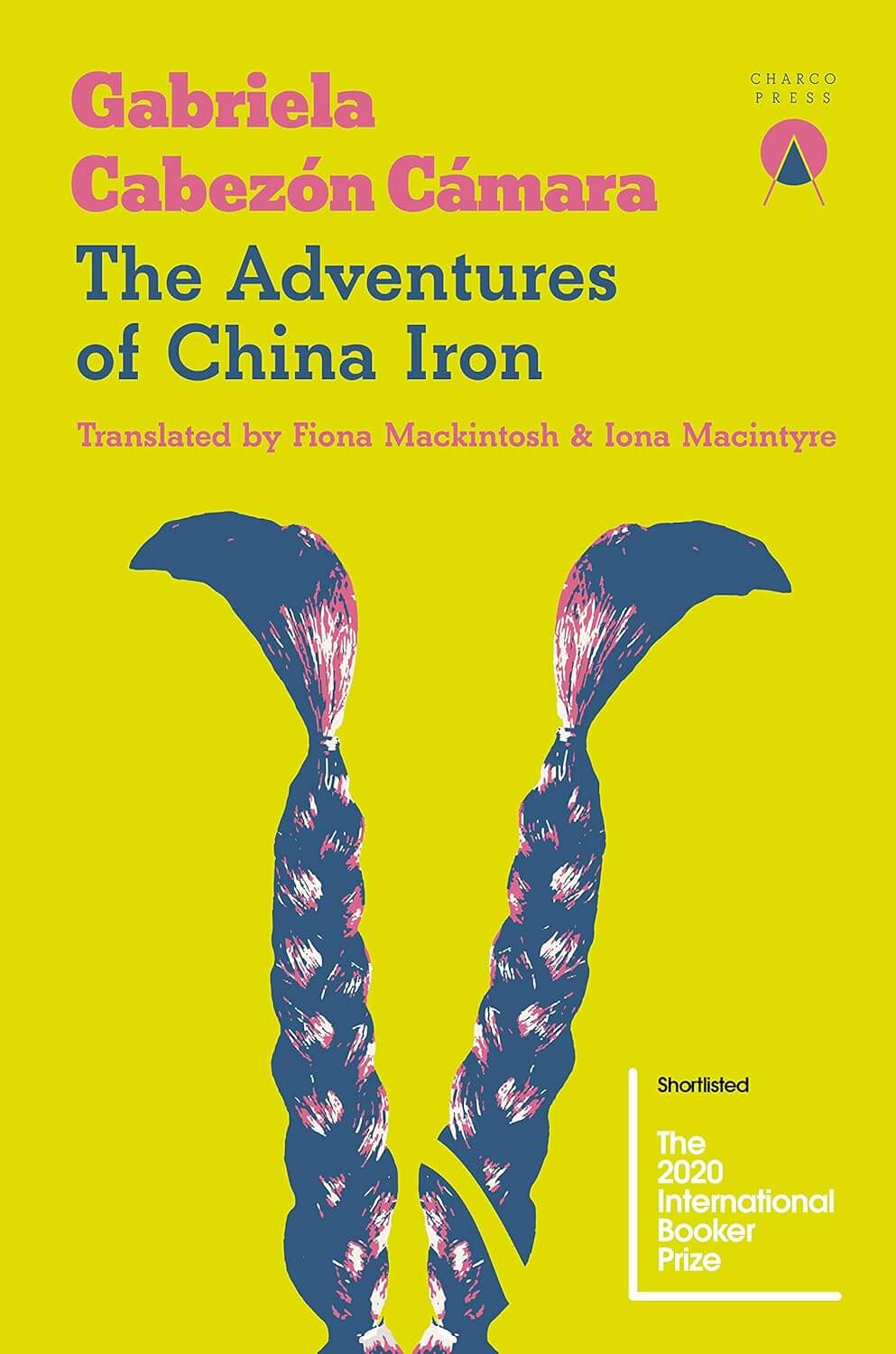
The Adventures of China Iron
Shortlisted

The Adventures of China Iron

by Gabriela Cabezón Cámara

This playful reimagining of an Argentine national epic centres a marginalised female voice. Blending queer desire, myth, and political critique, the novel overturns colonial narratives. Cabezón Cámara’s language is exuberant and irreverent. The journey becomes one of liberation and reinvention. History is rewritten with joy and defiance. A radical, celebratory novel.

3.82
Literary Fiction
Historical Fiction
Playful
Defiant
Inventive
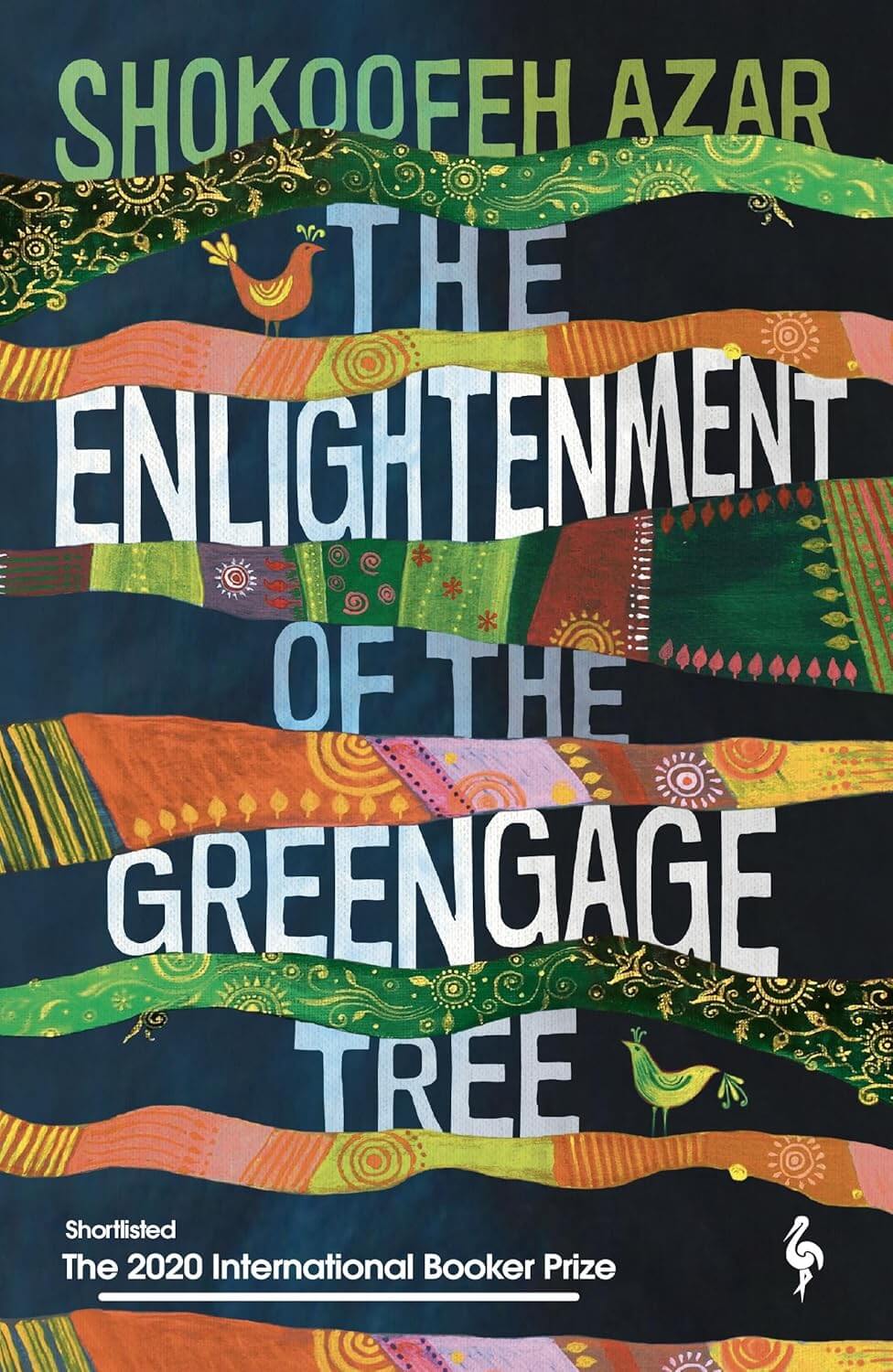
The Enlightenment of the Greengage Tree
Shortlisted

The Enlightenment of the Greengage Tree

by Shokoofeh Azar

Told through a chorus of voices, including spirits and animals, this novel chronicles an Iranian family across decades of upheaval. Azar blends magical realism with political horror. The narrative resists linearity, reflecting fractured memory. Violence and beauty coexist throughout. The novel mourns what is lost while insisting on survival. Lyrical, devastating, and expansive.

3.77
Literary Fiction
Magical Realism
Lyrical
Grieving
Resilient
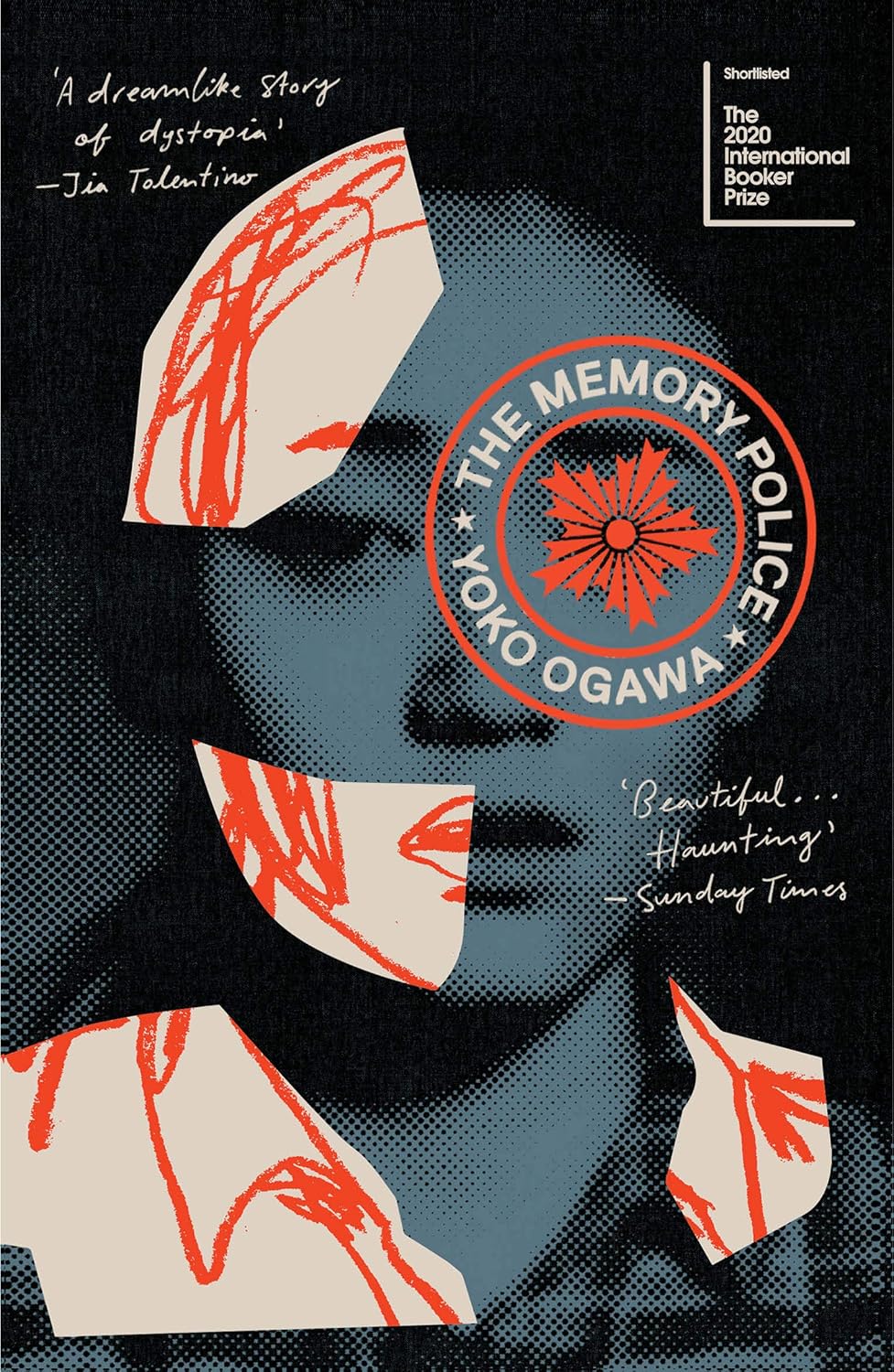
The Memory Police
Shortlisted

The Memory Police

by Yoko Ogawa

In a world where objects and memories disappear, Ogawa’s novel explores quiet resistance under authoritarian control. The prose is spare and dreamlike, heightening its emotional impact. Loss becomes routine, enforced by the mysterious Memory Police. The novel reflects on language, identity, and forgetting. Its calm surface conceals profound dread. A chilling, elegant dystopia.

3.70
Literary Fiction
Dystopian Fiction
Eerie
Melancholic
Restrained
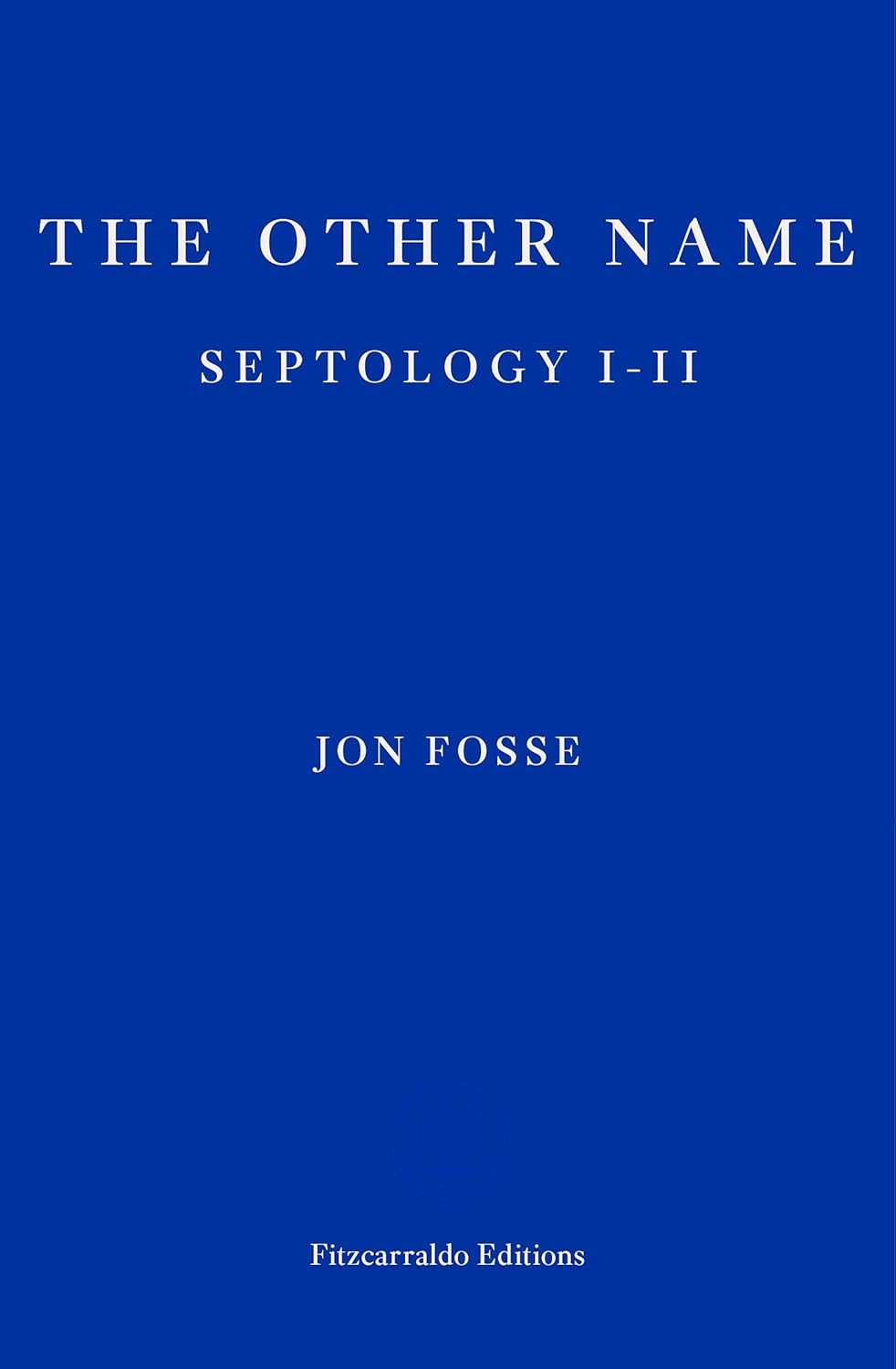
The Other Name: Septology I–II

The Other Name: Septology I–II

by Jon Fosse

The opening volumes of Fosse’s Septology introduce a meditative exploration of identity, faith, and art. Written in long, flowing sentences, the novel unfolds with hypnotic calm. Dual selves blur into one another. Silence and repetition carry spiritual weight. Time feels suspended. A quietly immersive reading experience.

4.05
Literary Fiction
Philosophical Fiction
Meditative
Quiet
Spiritual
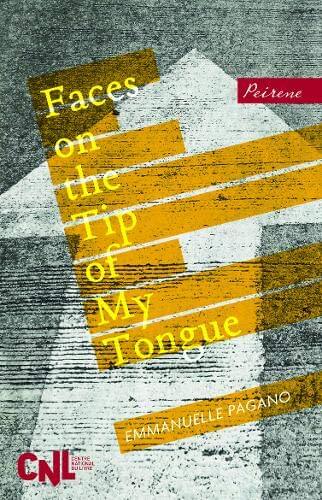
Faces on the Tip of My Tongue

Faces on the Tip of My Tongue

by Emmanuelle Pagano

This novel explores how memory, identity, and relationships are shaped by language. Pagano writes in fragments, circling moments of connection and loss. The narrative resists coherence, mirroring the instability of recollection. The prose is delicate and introspective. Meaning emerges through accumulation rather than plot. A quiet, demanding meditation on recognition.

3.63
Literary Fiction
Experimental Fiction
Reflective
Elusive
Intimate
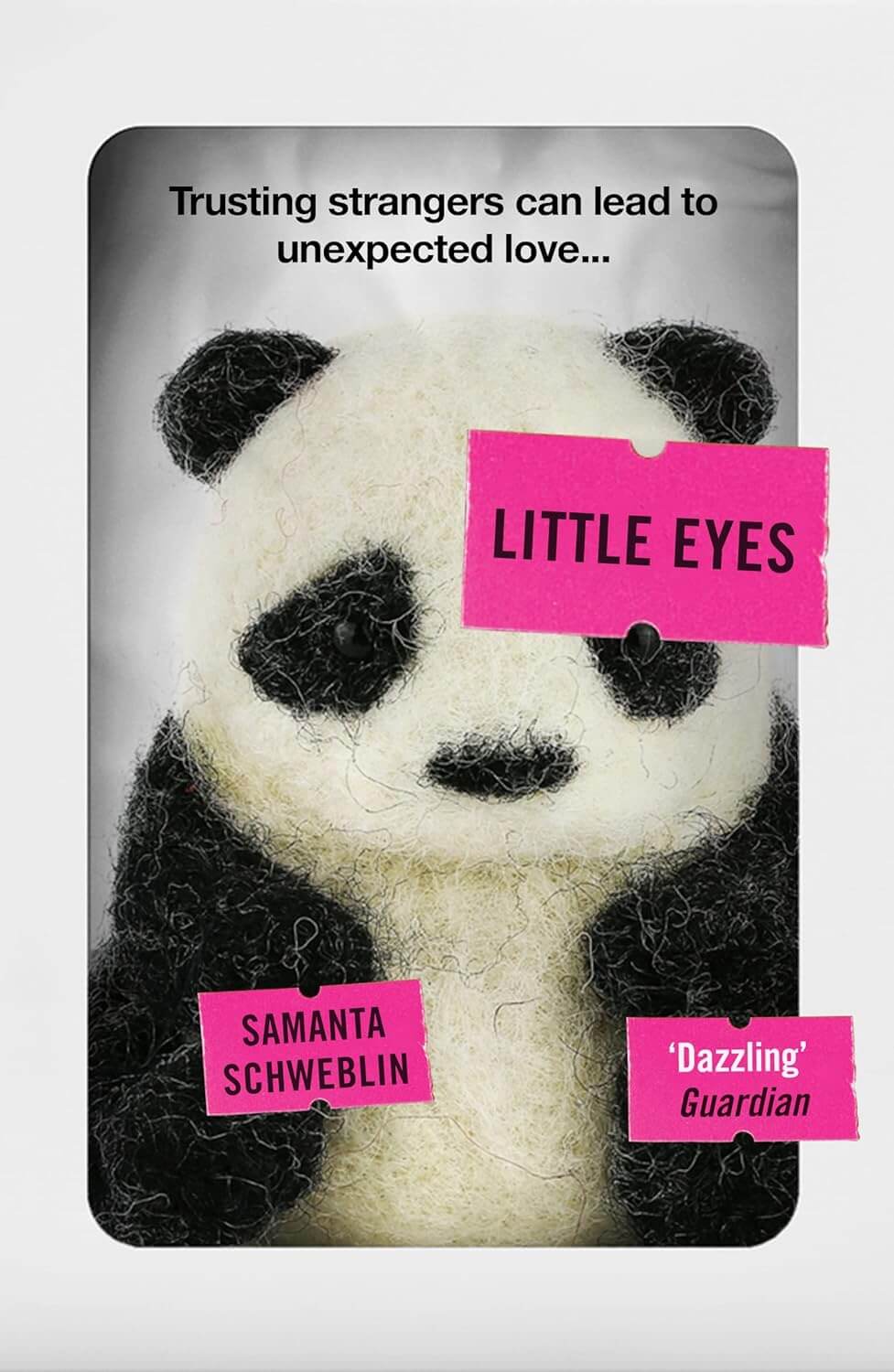
Little Eyes

Little Eyes

by Samanta Schweblin

Schweblin imagines a near-future world where people inhabit robotic toys controlled by strangers. The novel explores surveillance, loneliness, and digital intimacy. Short, interlinked narratives create mounting unease. Technology becomes both comfort and threat. The book questions who is watching whom. Disturbing, inventive, and sharply contemporary.

3.58
Speculative Fiction
Literary Fiction
Unsettling
Anxious
Creeping
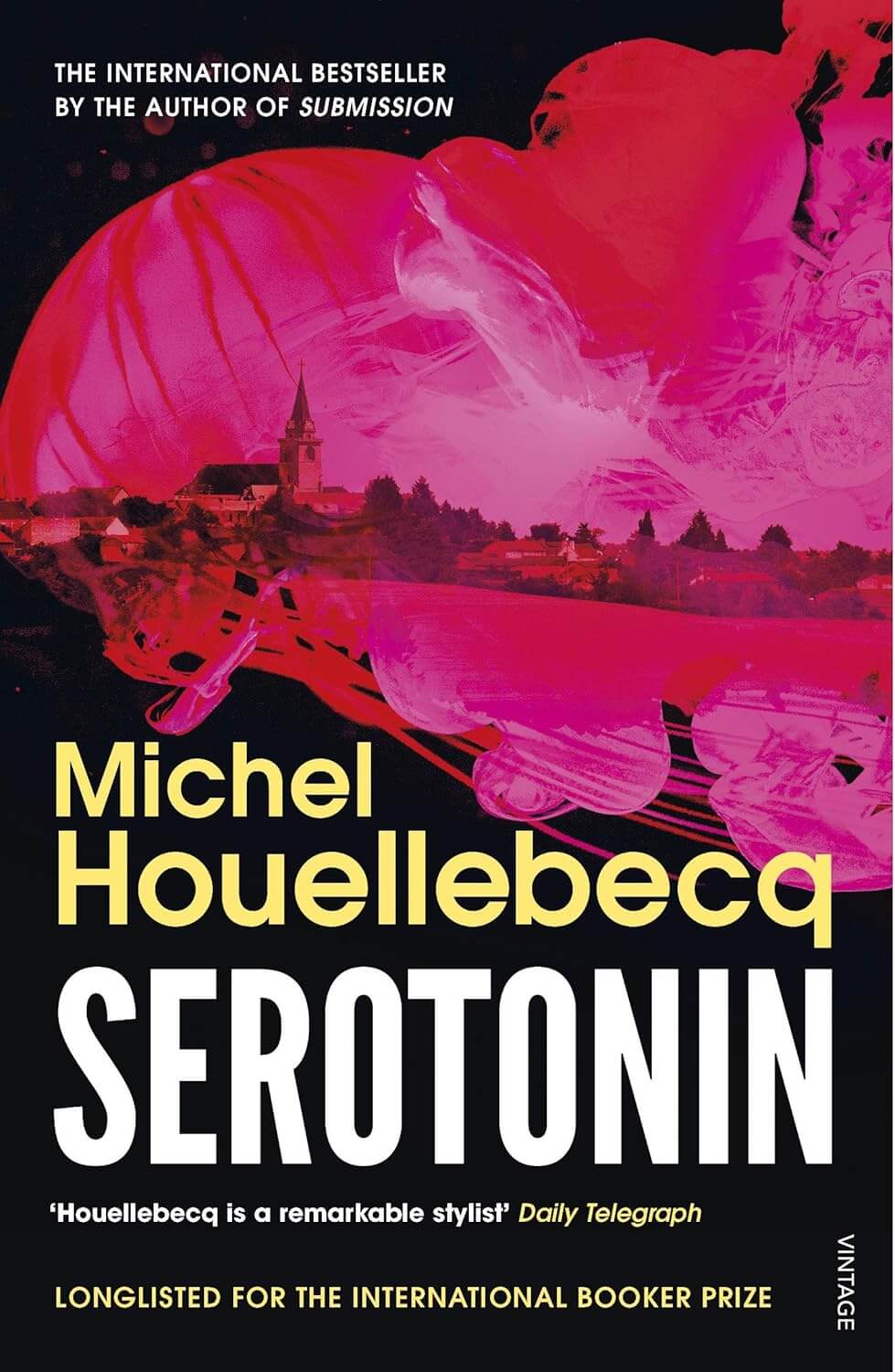
Serotonin

Serotonin

by Michel Houellebecq

Houellebecq’s novel follows a deeply depressed man drifting through a decaying Europe. The book critiques neoliberalism, masculinity, and emotional emptiness. The narrator’s cynicism borders on despair. Dark humour punctuates bleak observations. The personal mirrors the political throughout. Provocative and bitterly comic.

3.58
Literary Fiction
Cynical
Bleak
Darkly Comic
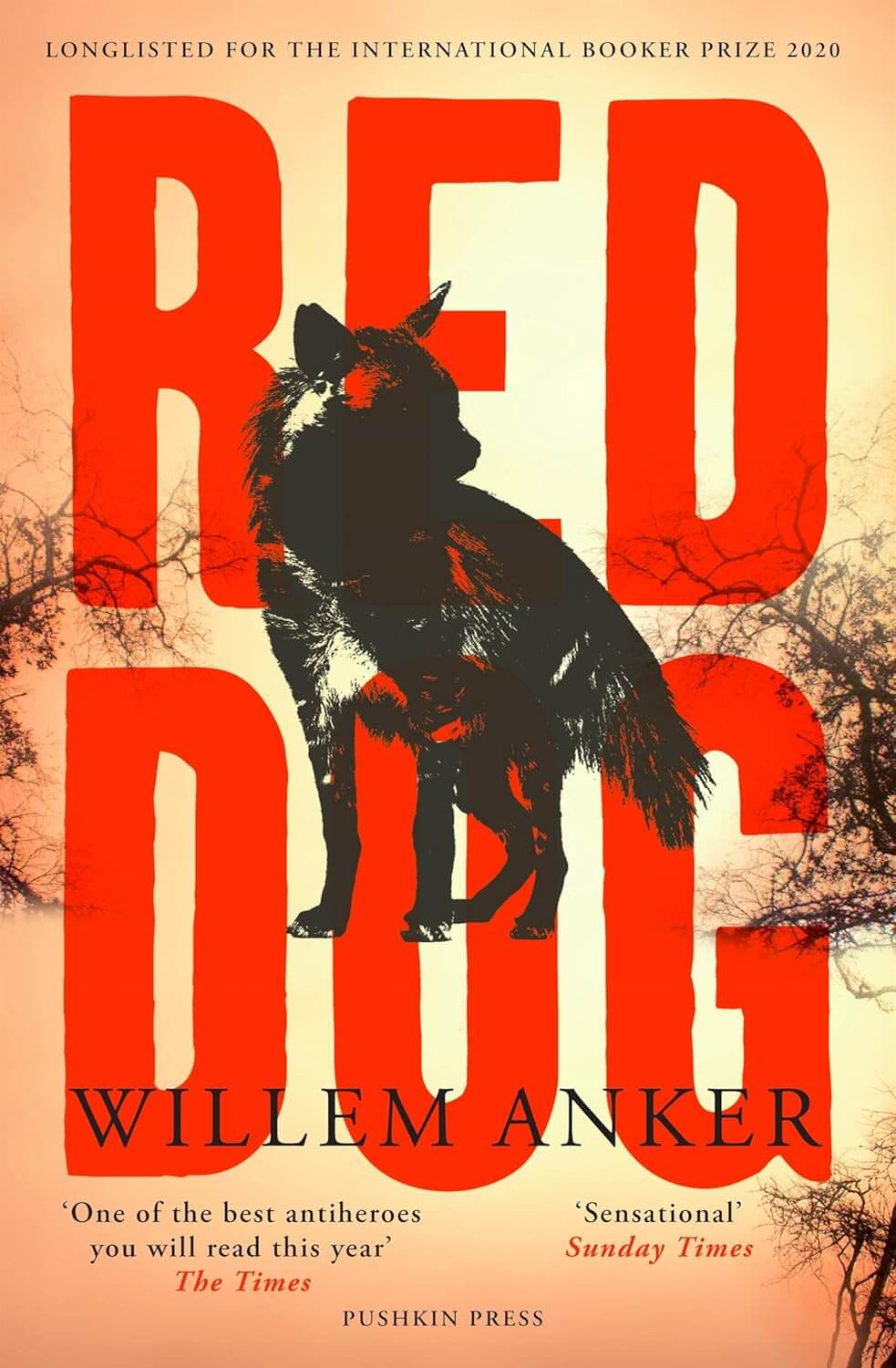
Red Dog

Red Dog

by Willem Anker

Set in a brutal, isolated landscape, Red Dog explores masculinity, power, and violence. The novel draws on mythic and biblical tones. Anker’s prose is muscular and uncompromising. Bodies and land are equally scarred. The narrative offers no moral refuge. Stark, disturbing, and relentless.

3.40
Literary Fiction
Harsh
Violent
Bleak
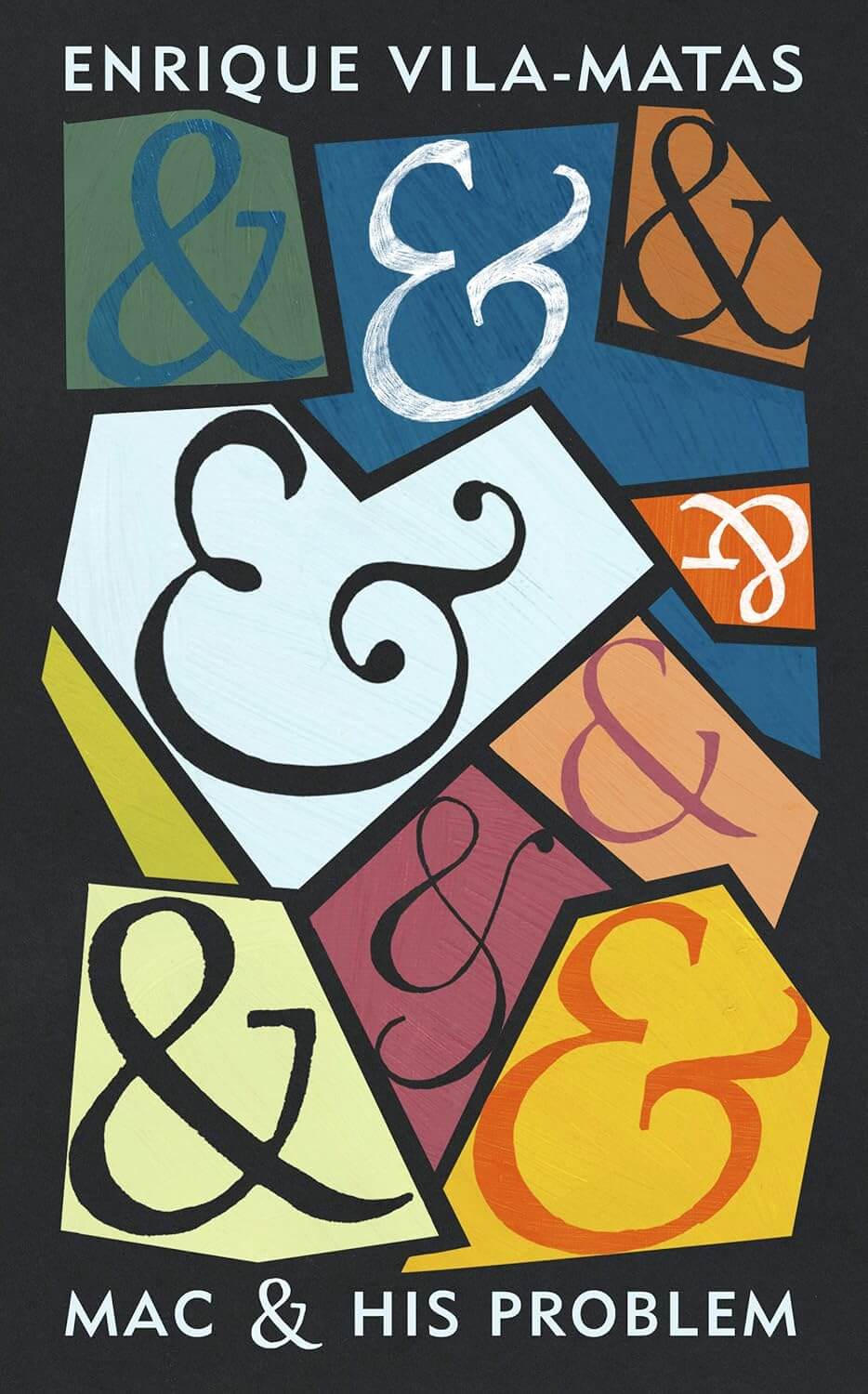
Mac and His Problem

Mac and His Problem

by Enrique Vila-Matas

This metafictional novel follows a writer paralysed by the impossibility of writing. Vila-Matas blends humour, philosophy, and literary homage. The book reflects on authorship, failure, and artistic anxiety. Plot gives way to playful digression. The tone is ironic yet sincere. A witty exploration of creative paralysis.

3.48
Literary Fiction
Metafiction
Wry
Intellectual
Playful