The International Booker Prize 2018

Thirteen translated works exploring movement, memory, violence, and the search for meaning

The International Booker Prize 2018 longlist brings together fiction in translation that is restless in both form and spirit. These books travel across borders, bodies, and histories, often resisting linear narrative in favour of fragmentation, digression, and multiplicity. Together, they reflect a world in motion — unsettled by migration, conflict, and the instability of identity.

Many of the novels on this list are preoccupied with displacement: physical journeys across countries and borders, but also inner journeys through grief, desire, and obsession. Several authors blur genres, combining fiction with essay, philosophy, or reportage, while others deploy satire, horror, or dark comedy to interrogate contemporary politics and cultural myths.

What unites the 2018 selection is its boldness. These are books that take risks with language and structure, asking readers to rethink how stories are told and whose stories matter. They demonstrate the power of international literature to illuminate shared human concerns while remaining deeply rooted in specific places and histories.

Flights
Winner

Flights

by Olga Tokarczuk

Flights is a fragmented, essayistic novel about travel, anatomy, and the human impulse to move. Tokarczuk weaves together historical anecdotes, philosophical reflections, and contemporary journeys. The book resists traditional plot in favour of associative motion. Travel becomes both freedom and dislocation. The prose is curious and humane. An intellectually playful meditation on movement and impermanence.

3.75
Literary Fiction
Experimental Fiction
Reflective
Curious
Expansive
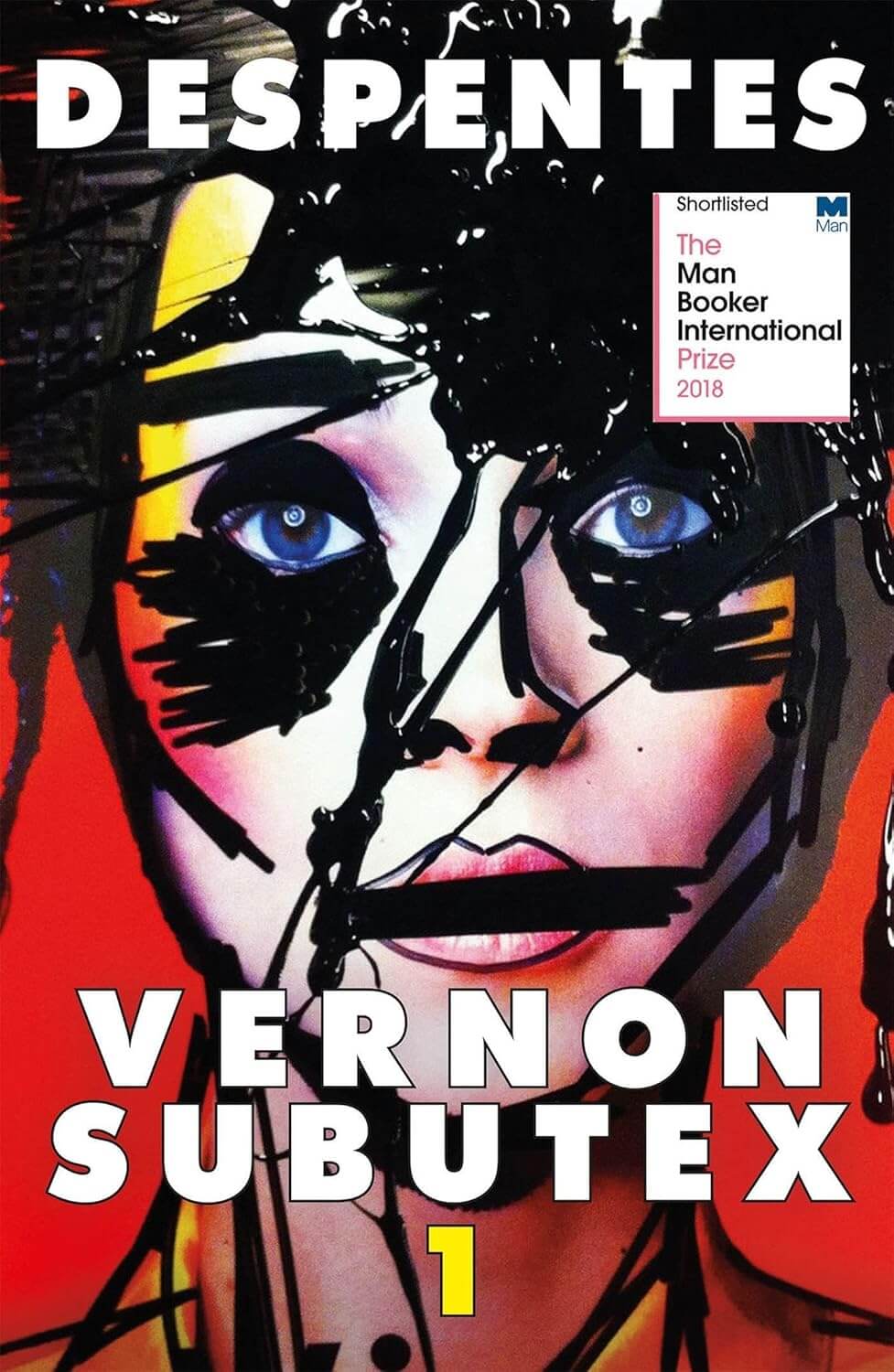
Vernon Subutex 1
Shortlisted

Vernon Subutex 1

by Virginie Despentes

Despentes’s novel follows a former record-store owner drifting through contemporary Paris. As Vernon reconnects with old acquaintances, the book paints a sharp portrait of modern society. The narrative shifts between voices, capturing anger, nostalgia, and class resentment. Music anchors the story emotionally. The tone is raw and urgent. A fierce social panorama.

3.90
Literary Fiction
Social Fiction
Angry
Energetic
Restless
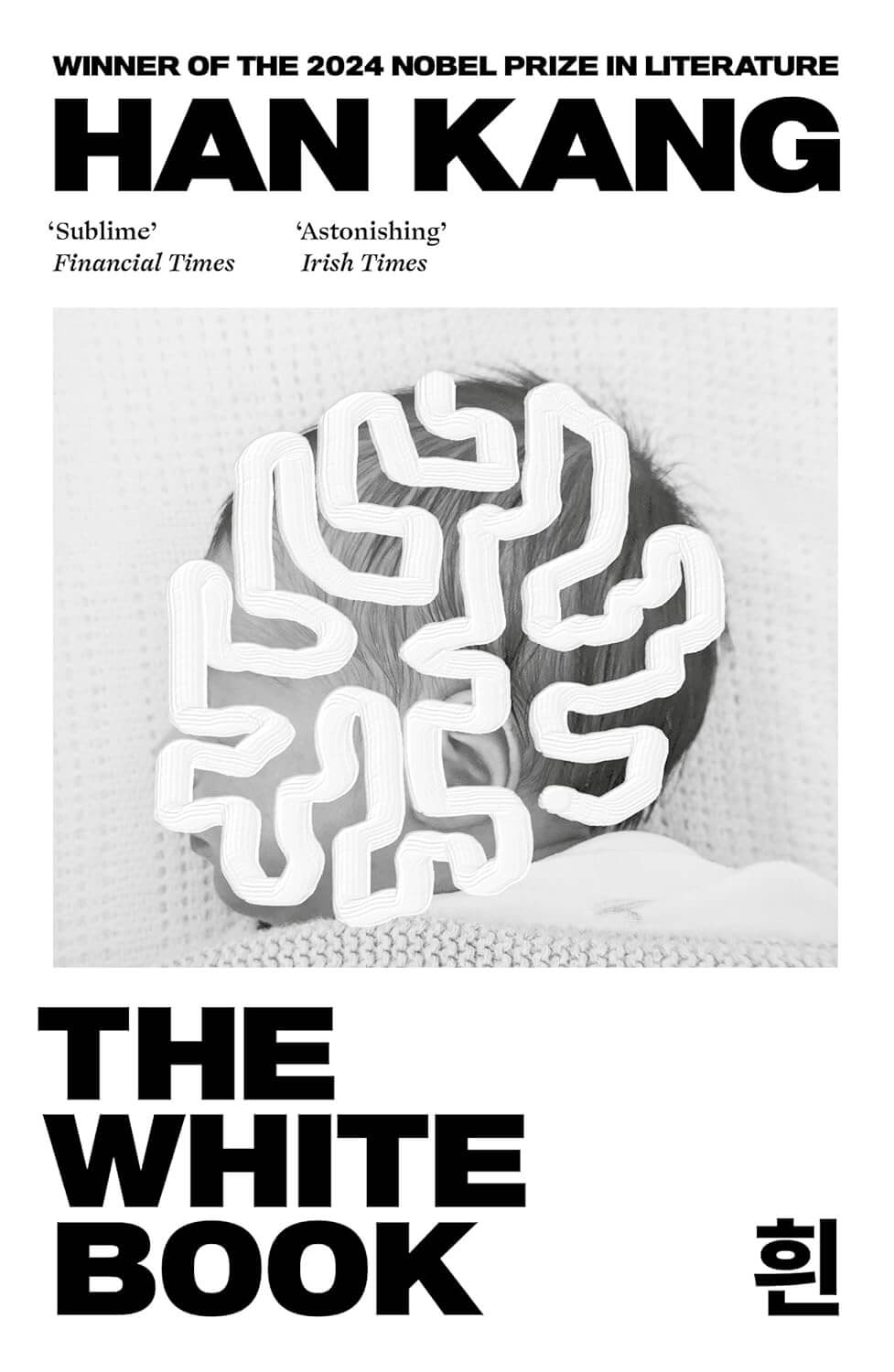
The White Book
Shortlisted

The White Book

by Han Kang

The White Book is a lyrical meditation on grief, absence, and the colour white. Han Kang blends prose poetry, memoir, and philosophical reflection. Objects and memories accumulate with quiet intensity. The narrative resists closure, dwelling in fragility. Loss is rendered with tenderness and restraint. A haunting, minimalist work.

3.81
Literary Fiction
Hybrid Fiction
Elegiac
Quiet
Meditative
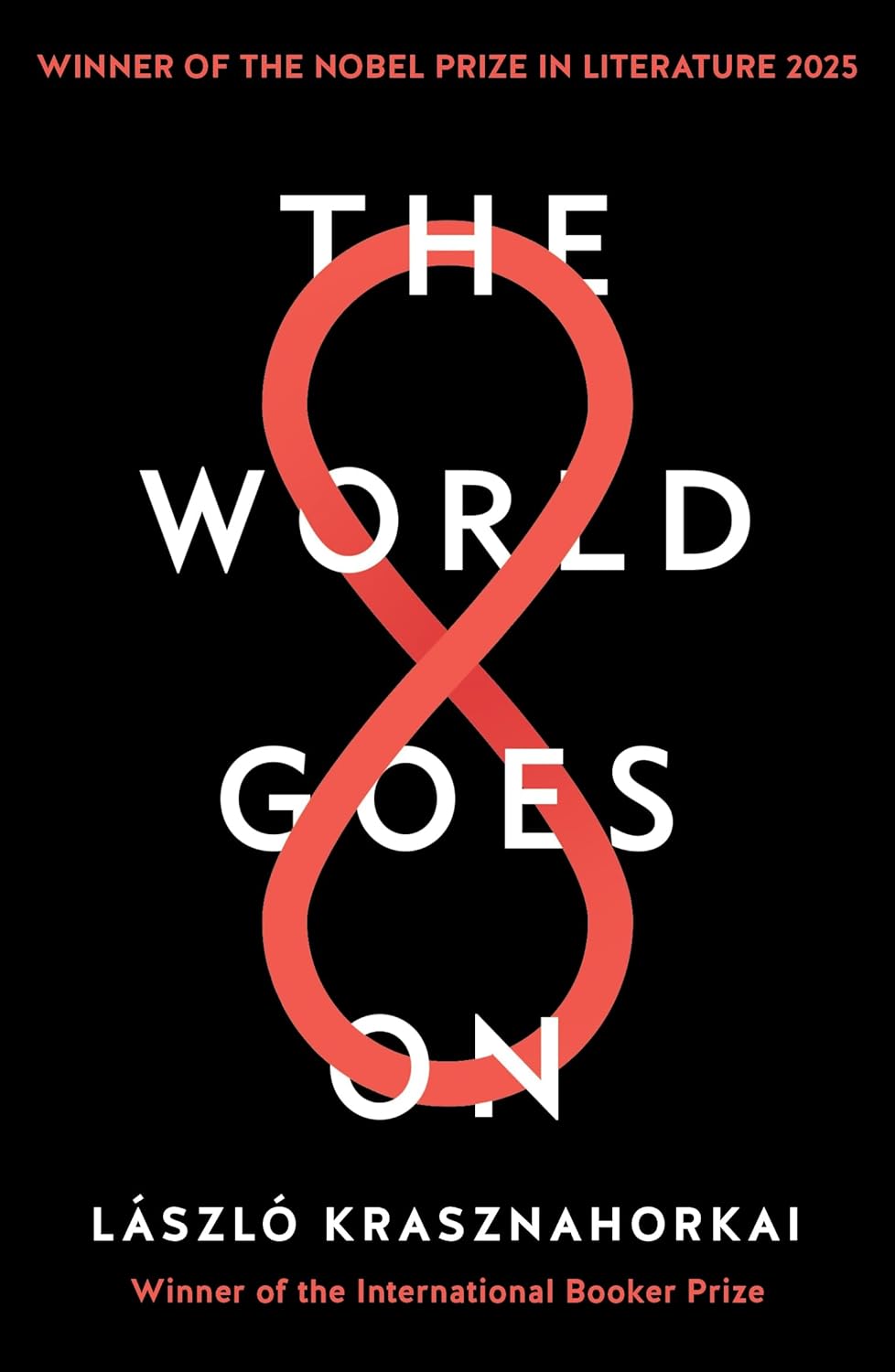
The World Goes On
Shortlisted

The World Goes On

by László Krasznahorkai

This collection of interconnected stories explores obsession, apocalypse, and endurance. Krasznahorkai’s long, winding sentences create a hypnotic effect. Characters grapple with collapse, spiritual longing, and futility. The tone is bleak but darkly comic at times. The world teeters on the edge, yet persists. Demanding, intense, and singular.

3.81
Literary Fiction
Bleak
Intense
Apocalyptic
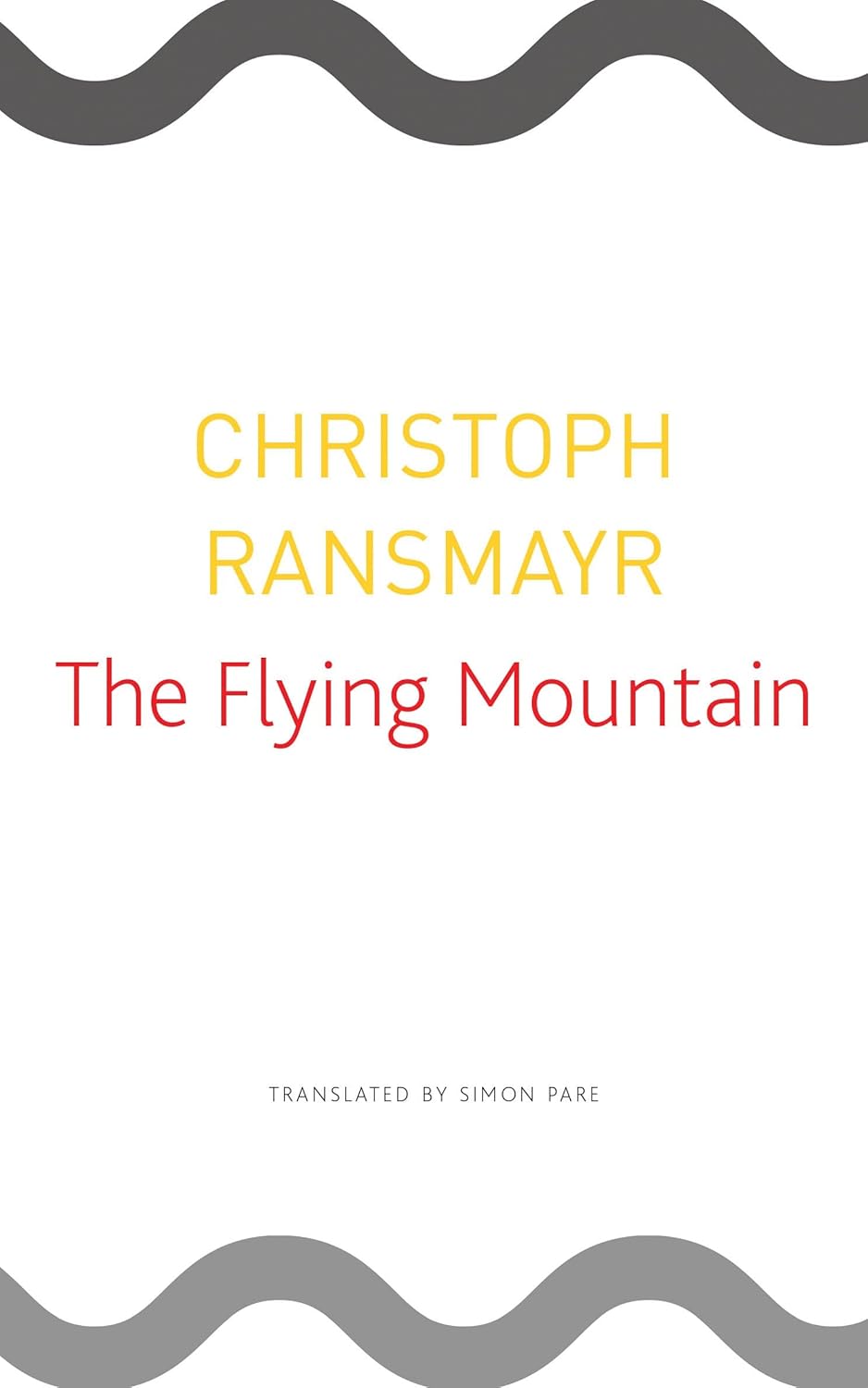
The Flying Mountain

The Flying Mountain

by Christoph Ransmayr

This novel follows climbers attempting an impossible ascent in the Himalayas. Ransmayr blends adventure with philosophical reflection. Nature is rendered vast and indifferent. The narrative examines obsession and human limits. The prose is spare and precise. A stark meditation on ambition and transcendence.

4.06
Literary Fiction
Austere
Reflective
Epic
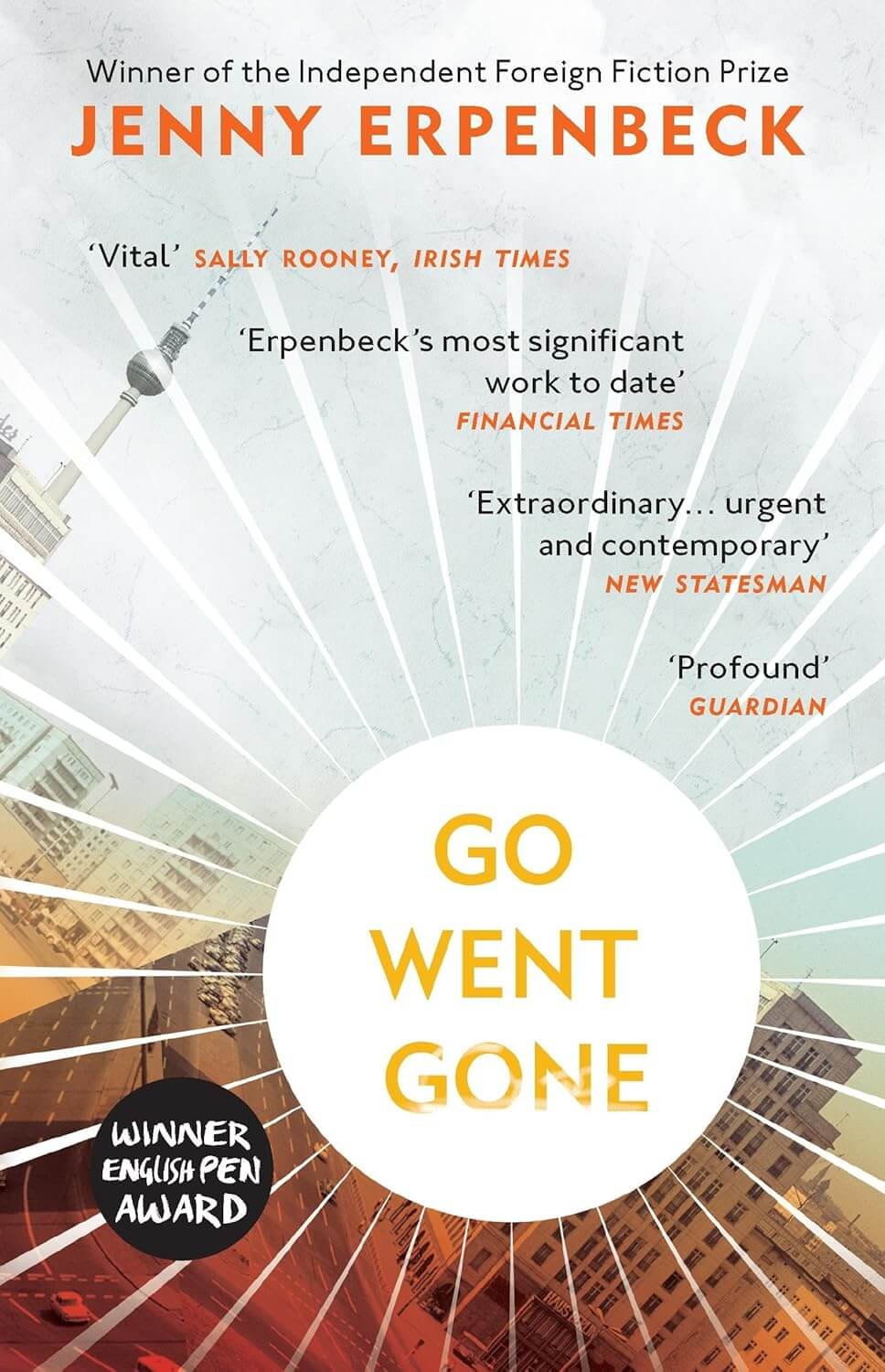
Go, Went, Gone

Go, Went, Gone

by Jenny Erpenbeck

Erpenbeck’s novel follows a retired professor who befriends African refugees in Berlin. The book explores displacement, bureaucracy, and moral responsibility. Personal curiosity becomes political awakening. Erpenbeck’s prose is clear and compassionate. Europe’s migration crisis is rendered through human connection. A quietly powerful and humane novel.

3.96
Literary Fiction
Political Fiction
Thoughtful
Compassionate
Reflective
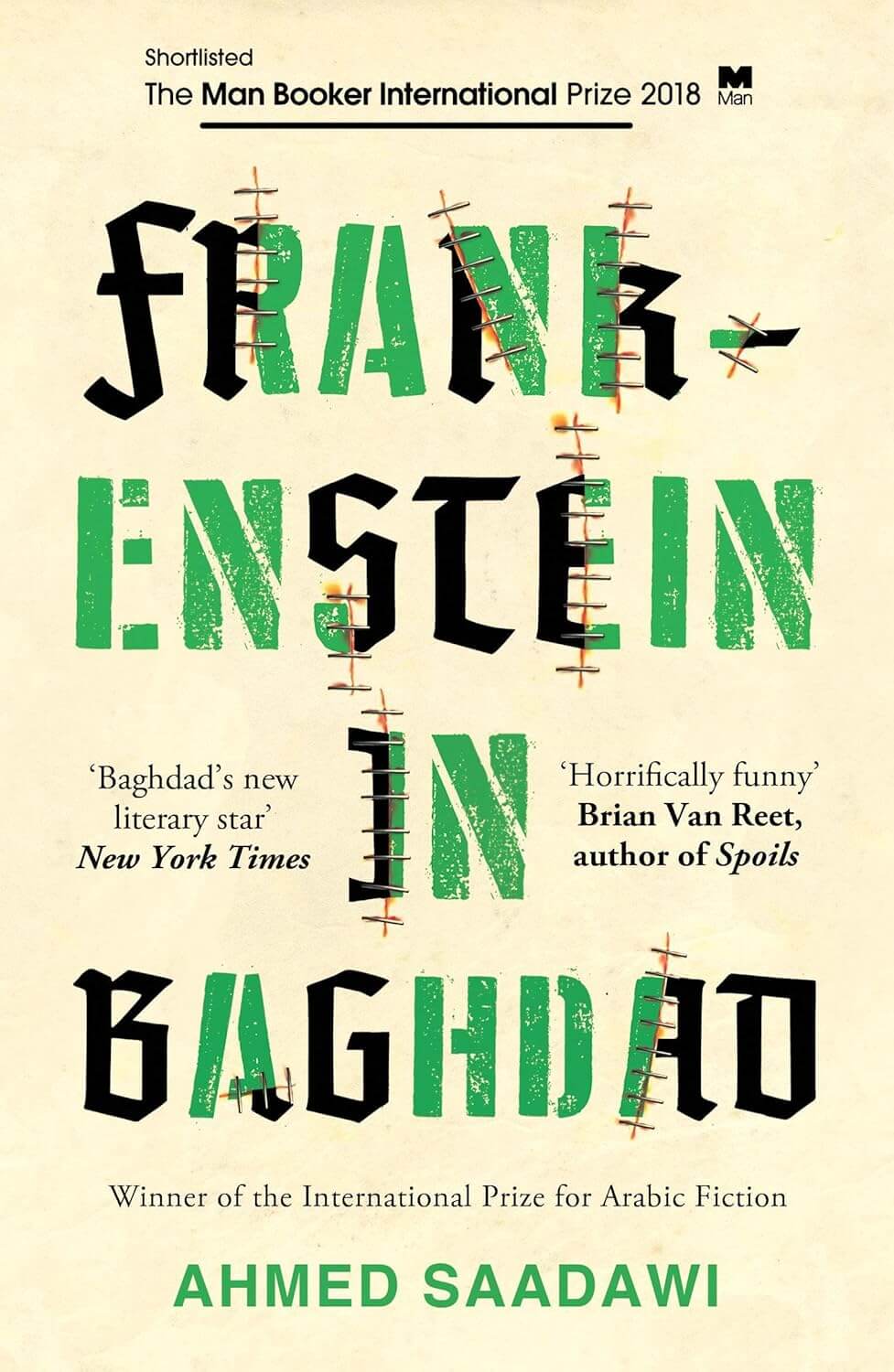
Frankenstein in Baghdad
Shortlisted

Frankenstein in Baghdad

by Ahmed Saadawi

Set in war-torn Baghdad, this novel reimagines Frankenstein through a creature stitched together from victims of violence. Saadawi blends horror, satire, and political allegory. The monster becomes a symbol of endless cycles of revenge. The narrative balances absurdity with deep moral seriousness. Violence is both surreal and painfully real. Darkly inventive and unsettling.

3.59
Literary Fiction
Speculative Fiction
Dark
Satirical
Unsettling
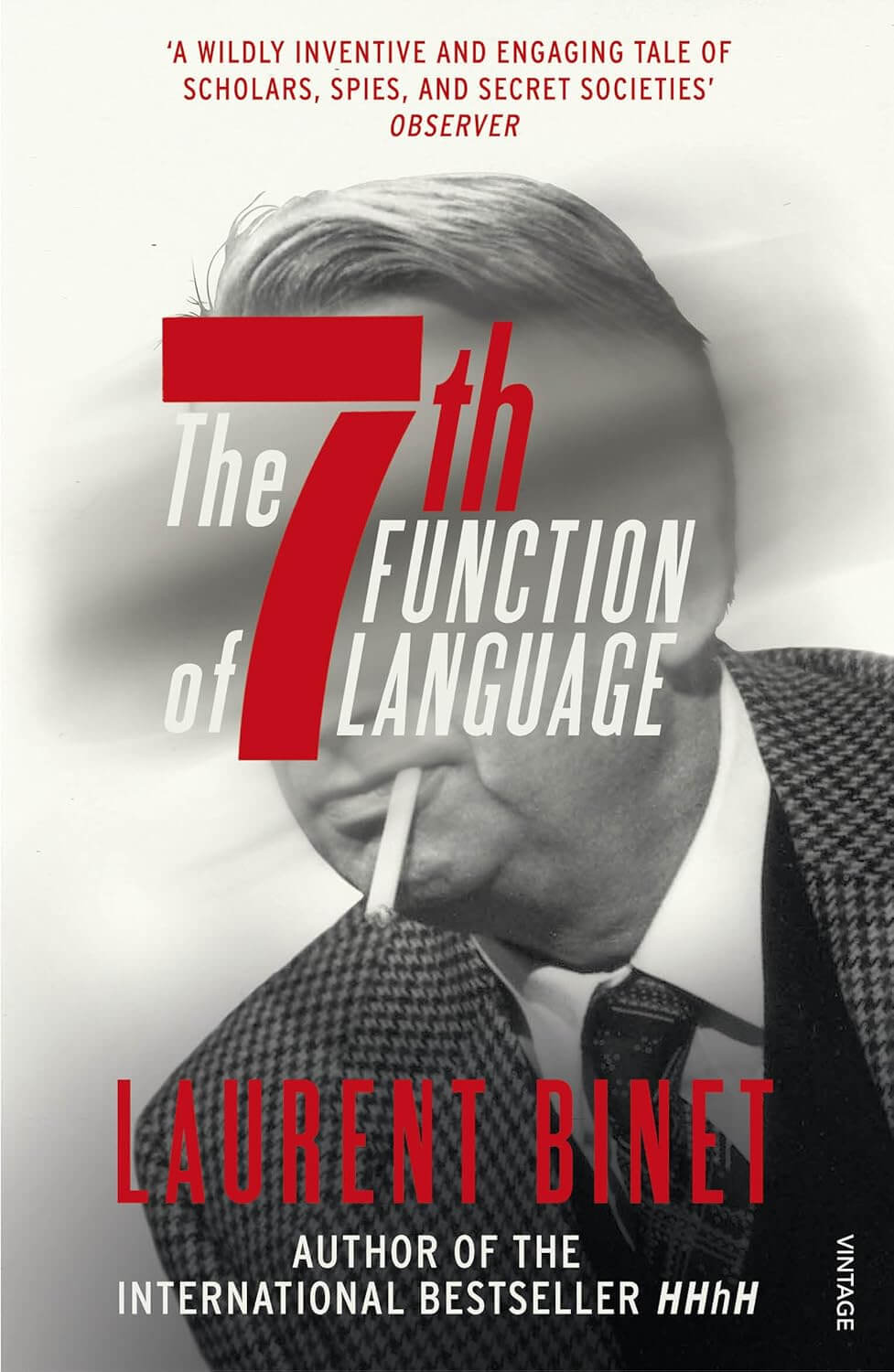
The 7th Function of Language

The 7th Function of Language

by Laurent Binet

This playful novel imagines a secret linguistic power behind the death of Roland Barthes. Binet blends philosophy, crime fiction, and farce. Intellectuals become characters in a comic conspiracy. The tone is irreverent and clever. Theory meets absurdity. A witty satire of ideas and power.

3.76
Literary Fiction
Satire
Playful
Clever
Irreverent
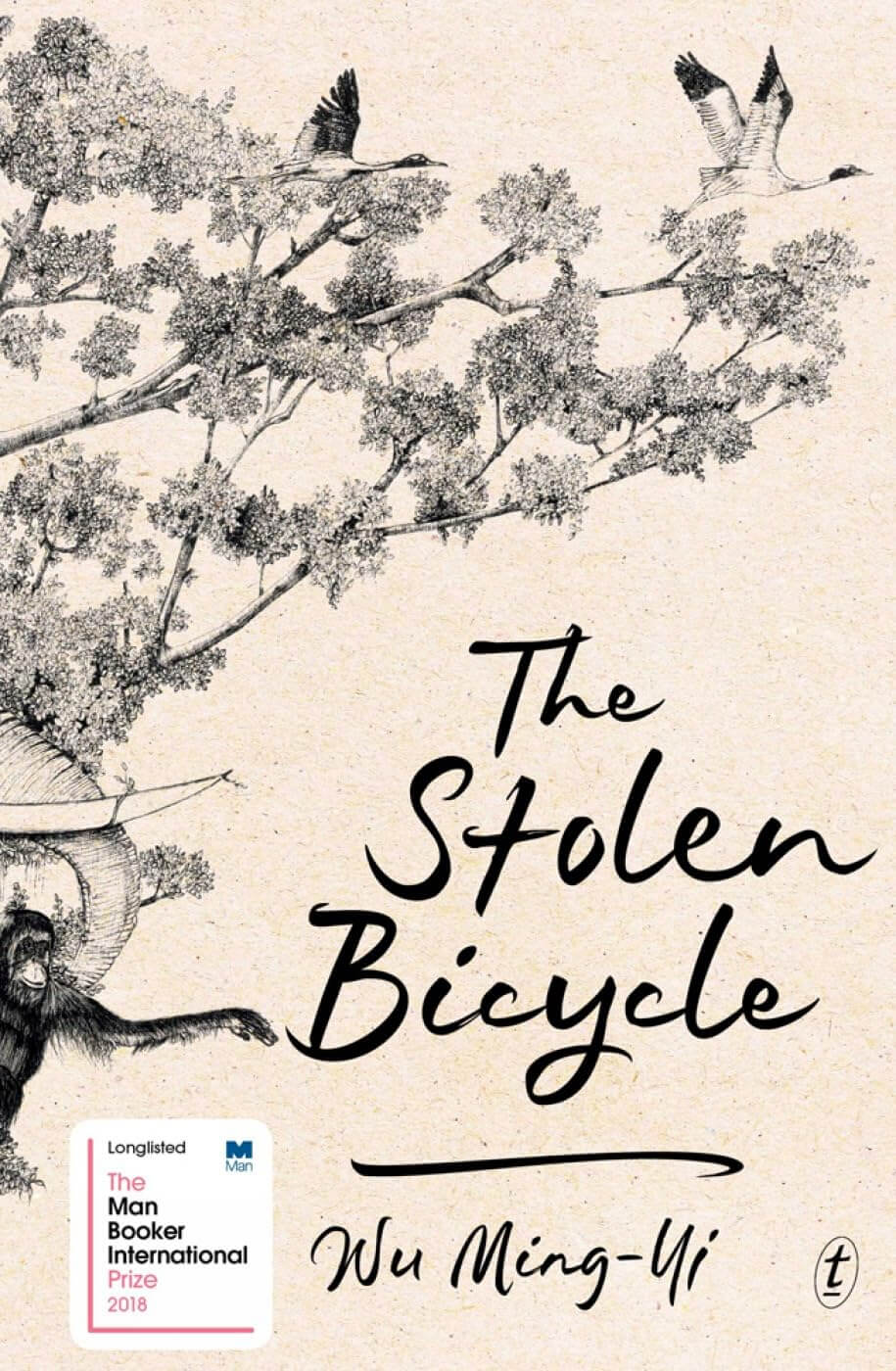
The Stolen Bicycle

The Stolen Bicycle

by Wu Ming-Yi

This multi-layered novel weaves together family history, war memory, and environmental concern in Taiwan. The bicycle becomes a symbol linking generations. Wu Ming-Yi blends realism with myth and archival research. The narrative moves fluidly across time. History feels personal and alive. A richly textured, compassionate novel.

3.88
Literary Fiction
Historical Fiction
Reflective
Layered
Humane
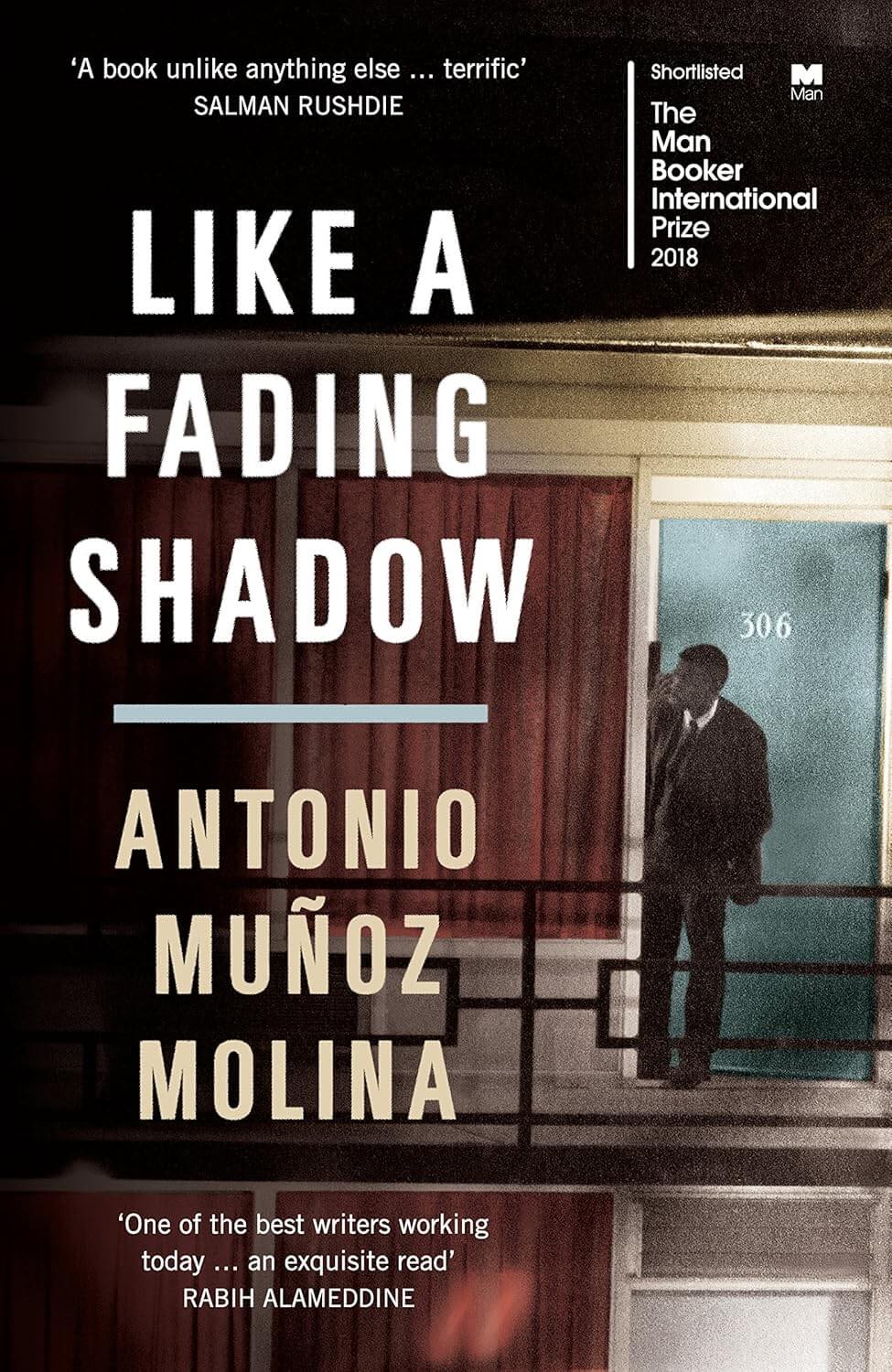
Like a Fading Shadow
Shortlisted

Like a Fading Shadow

by Antonio Muñoz Molina

This novel follows an Andalusian exile wandering New York after committing a crime in Spain. Muñoz Molina blends personal guilt with historical reflection on Spanish fascism. The prose is measured and introspective. The city becomes a space of anonymity and moral reckoning. Past and present overlap constantly. A quiet, reflective meditation on responsibility and memory.

3.57
Literary Fiction
Introspective
Somber
Reflective
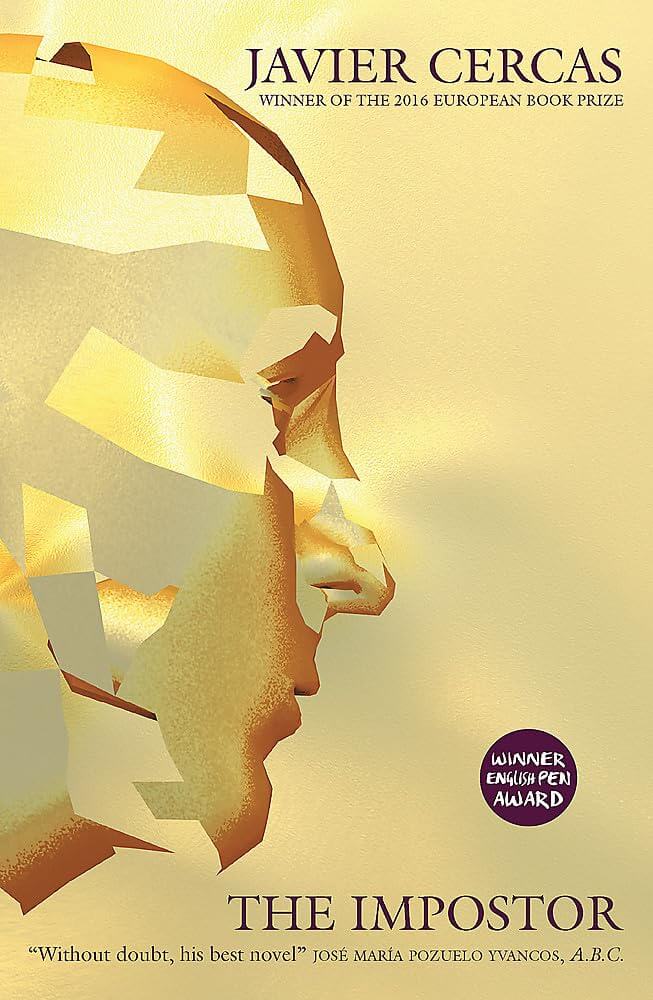
The Impostor

The Impostor

by Javier Cercas

Cercas investigates the life of a man who fabricated a heroic past as a Holocaust survivor. The novel blurs journalism, biography, and fiction. It interrogates memory, shame, and storytelling. Cercas turns the lens on himself as narrator. Truth becomes unstable. A sharp examination of deception and moral responsibility.

3.65
Literary Fiction
Hybrid Fiction
Investigative
Reflective
Unsettling
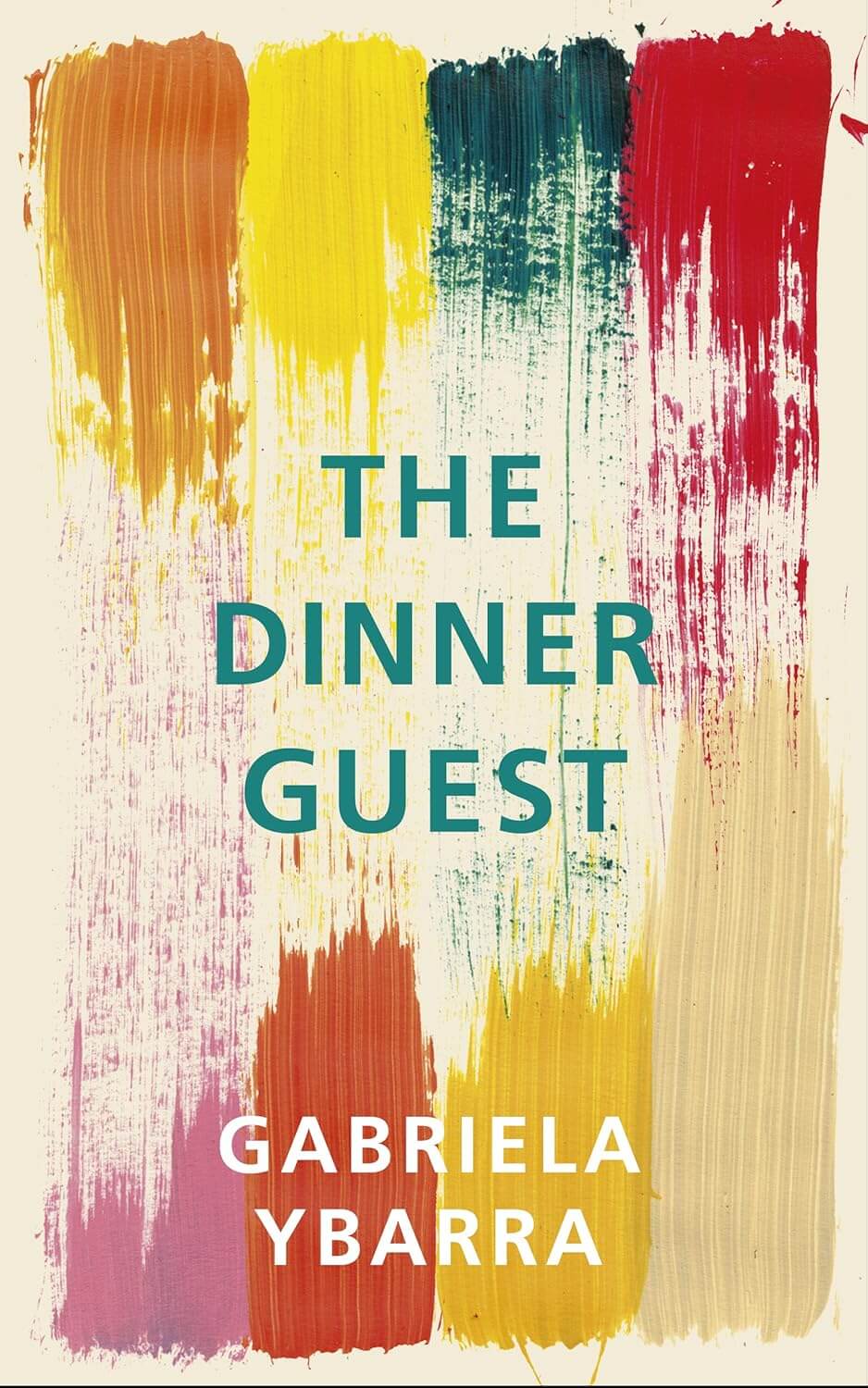
The Dinner Guest

The Dinner Guest

by Gabriela Ybarra

Blending memoir and fiction, this novel explores family trauma and political violence in Spain. Ybarra examines how private grief intersects with national history. The prose is restrained and intimate. Silence and illness shape the narrative. The book resists dramatic revelation. A quiet, moving meditation on inheritance.

3.41
Literary Fiction
Autofiction
Intimate
Somber
Reflective
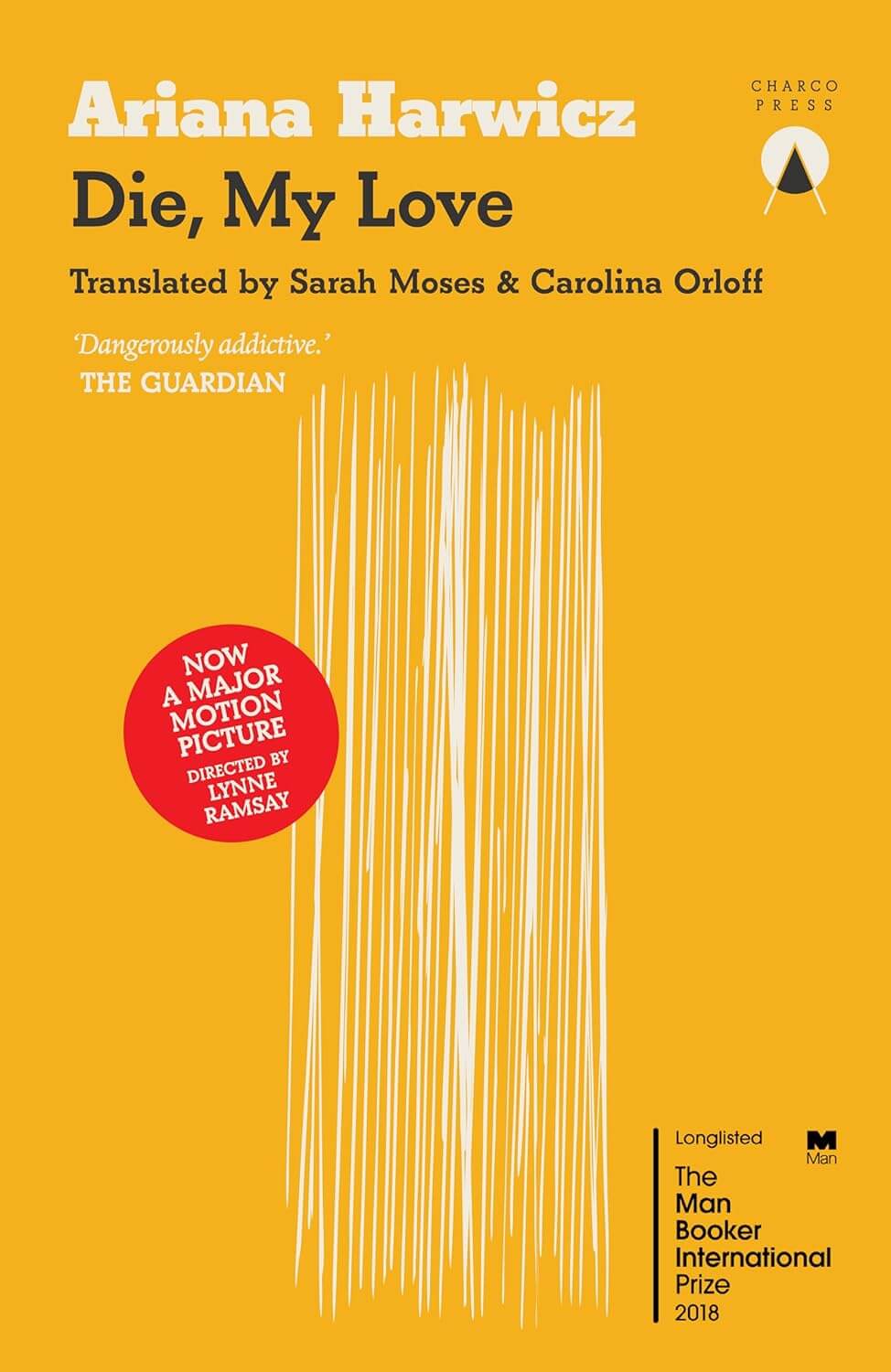
Die, My Love

Die, My Love

by Ariana Harwicz

This intense novel captures a woman unraveling under motherhood, isolation, and desire. Harwicz’s prose is ferocious and fragmented. The narrator’s thoughts swing between love and violence. Domestic space becomes claustrophobic. The book refuses sympathy or comfort. Short, brutal, and unforgettable.

3.45
Literary Fiction
Frenzied
Disturbing
Intense