The International Booker Prize 2017

Thirteen translated novels probing memory, identity, and the pressures of history

The International Booker Prize 2017 longlist gathers works in translation that are formally inventive and emotionally resonant, united by a concern with how private lives are shaped by history, belief, and place. These novels range across continents and centuries, offering intimate portraits alongside sweeping reflections on culture and power.

Many of the books on this list examine memory—how it is preserved, distorted, or performed. Whether through confession, myth, or fractured narration, they explore the stories people tell to survive grief, exile, and political upheaval. Several authors blur the boundaries between fiction and testimony, comedy and tragedy, realism and the uncanny.

Together, the 2017 selection highlights the richness of contemporary world literature and the essential role of translation. These books challenge readers to sit with ambiguity, to listen across cultures, and to consider how storytelling can both reveal and conceal difficult truths.
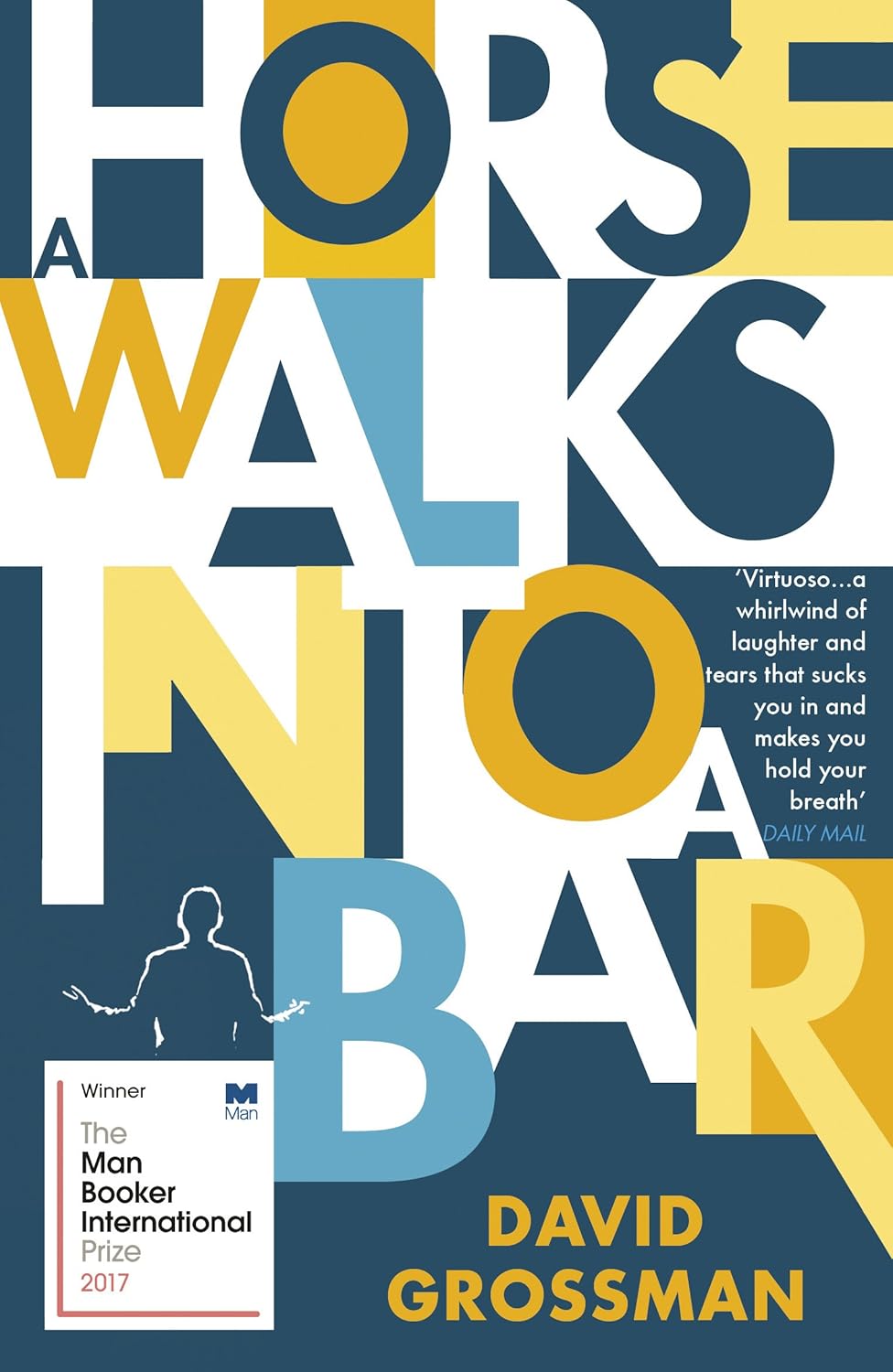
A Horse Walks into a Bar
Winner

A Horse Walks into a Bar

by David Grossman

Set during a single stand-up comedy routine, Grossman’s novel slowly reveals the trauma beneath the jokes. As humour gives way to confession, the audience becomes complicit in the narrator’s pain. The prose is sharp, uncomfortable, and emotionally intense. Comedy becomes a mask for grief and shame. The novel explores performance as survival. Harrowing and unforgettable.

3.51
Literary Fiction
Uncomfortable
Intense
Dark
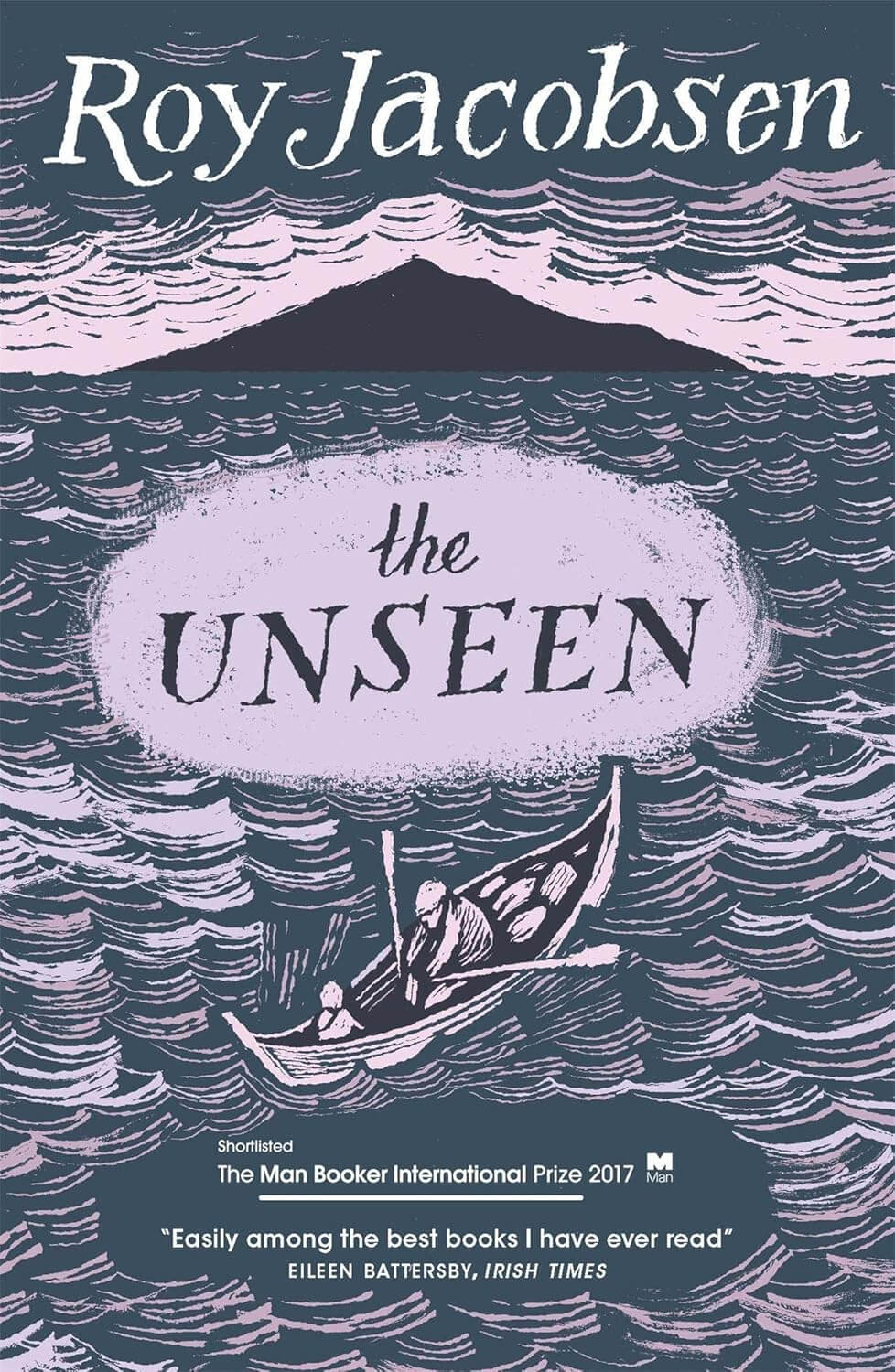
The Unseen
Shortlisted

The Unseen

by Roy Jacobsen

Set on a remote Norwegian island, this novel portrays generations of a family bound to land and sea. Jacobsen’s prose is spare and elemental. Nature dictates rhythm and survival. Change arrives slowly but inexorably. The book honours endurance without romanticising hardship. A stark, beautifully observed portrait of rural life.

3.98
Literary Fiction
Historical Fiction
Austere
Quiet
Resilient
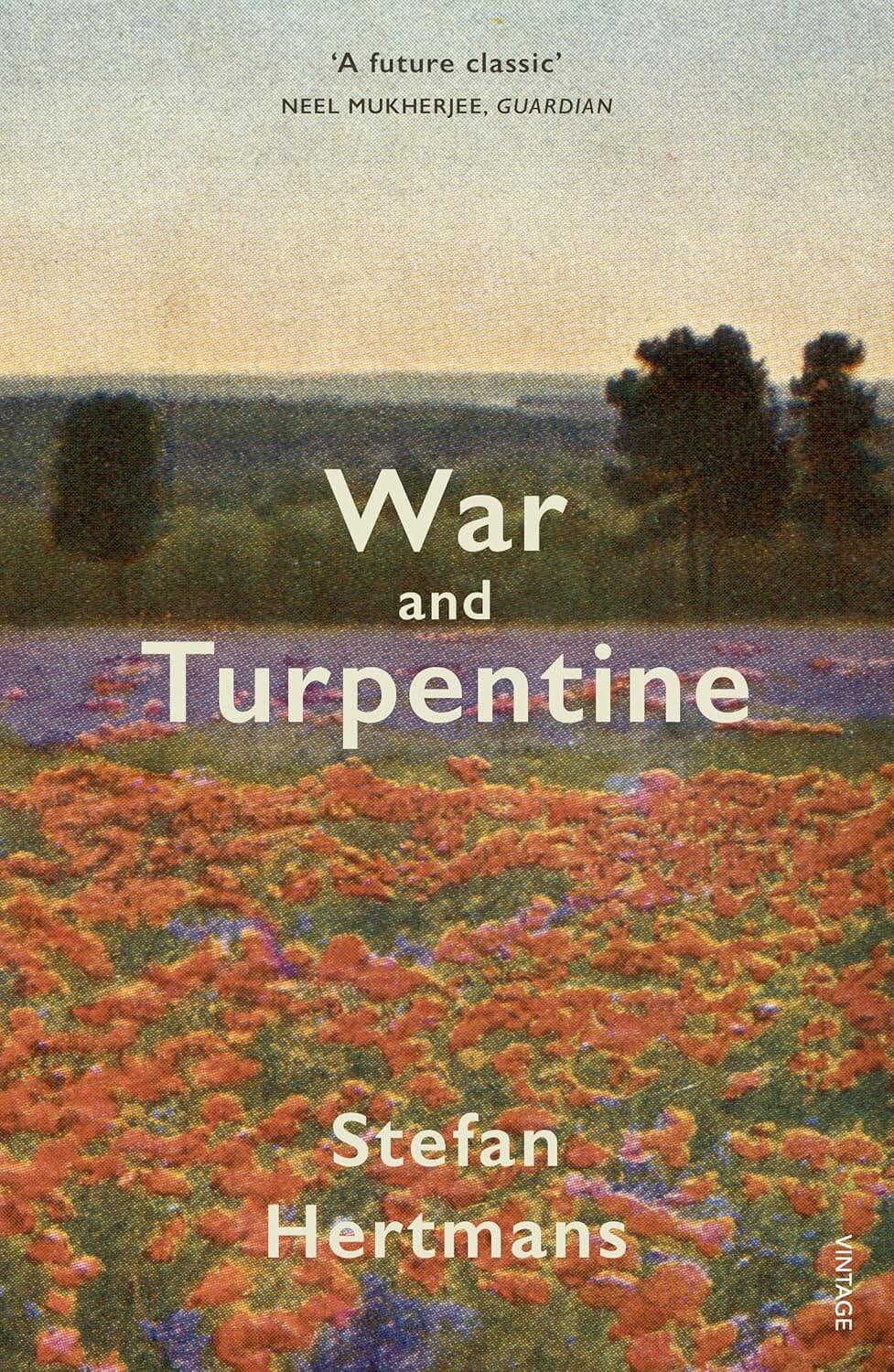
War and Turpentine

War and Turpentine

by Stefan Hertmans

Blending memoir and fiction, Hertmans reconstructs his grandfather’s life as a soldier and artist. The novel moves between battlefield brutality and aesthetic devotion. Memory is both fragile and insistent. The prose is lyrical yet unsentimental. Art offers solace amid destruction. A moving meditation on inheritance and survival.

3.92
Literary Fiction
Historical Fiction
Reflective
Grave
Lyrical
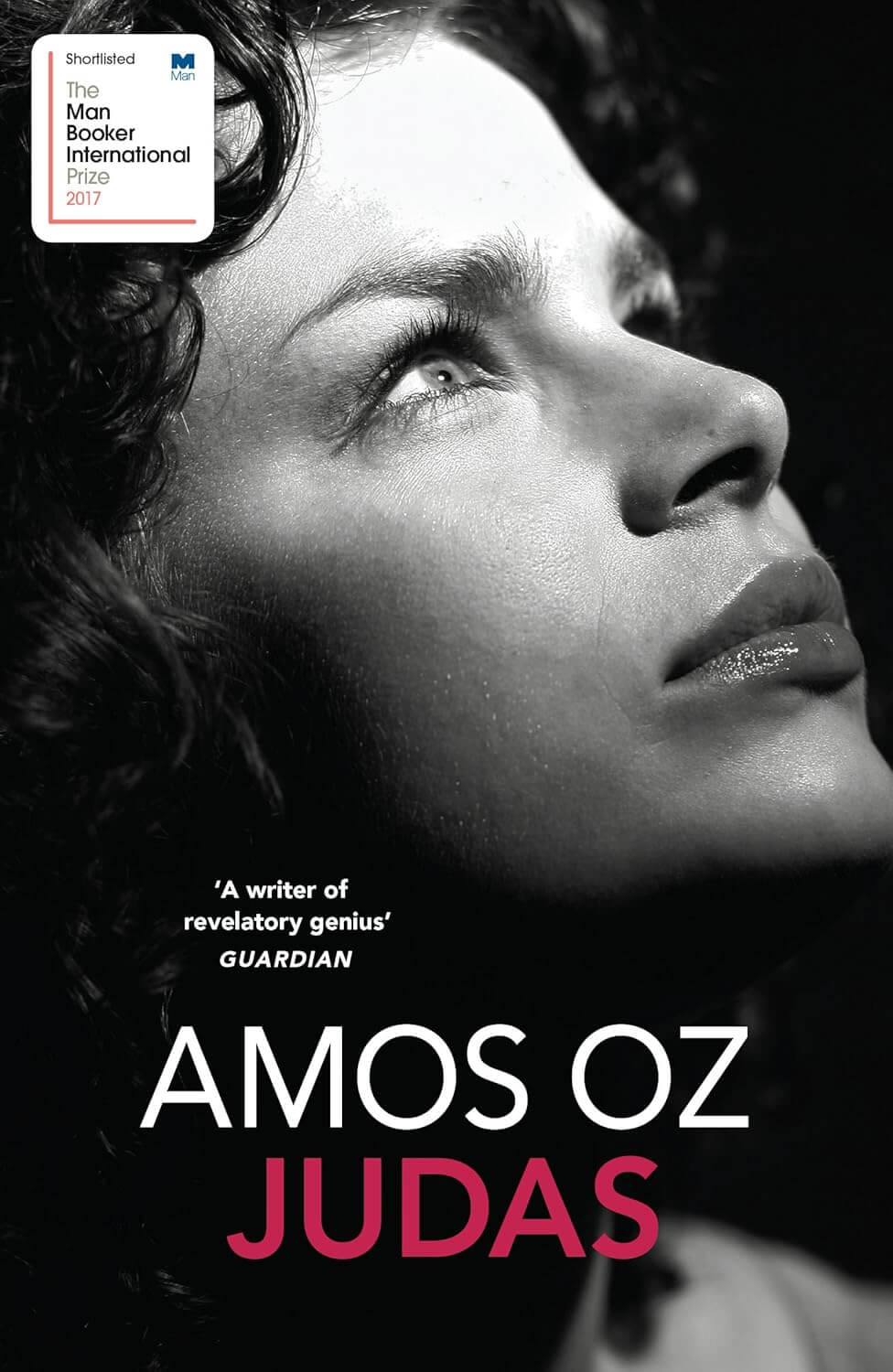
Judas
Shortlisted

Judas

by Amos Oz

Set in 1950s Jerusalem, Judas explores betrayal, faith, and political division through intense intellectual debate. Oz reframes the biblical figure of Judas as a symbol of misunderstood loyalty. Personal relationships mirror ideological conflict. The prose is thoughtful and measured. Questions matter more than answers. A rich, contemplative novel.

3.86
Literary Fiction
Contemplative
Intellectual
Measured
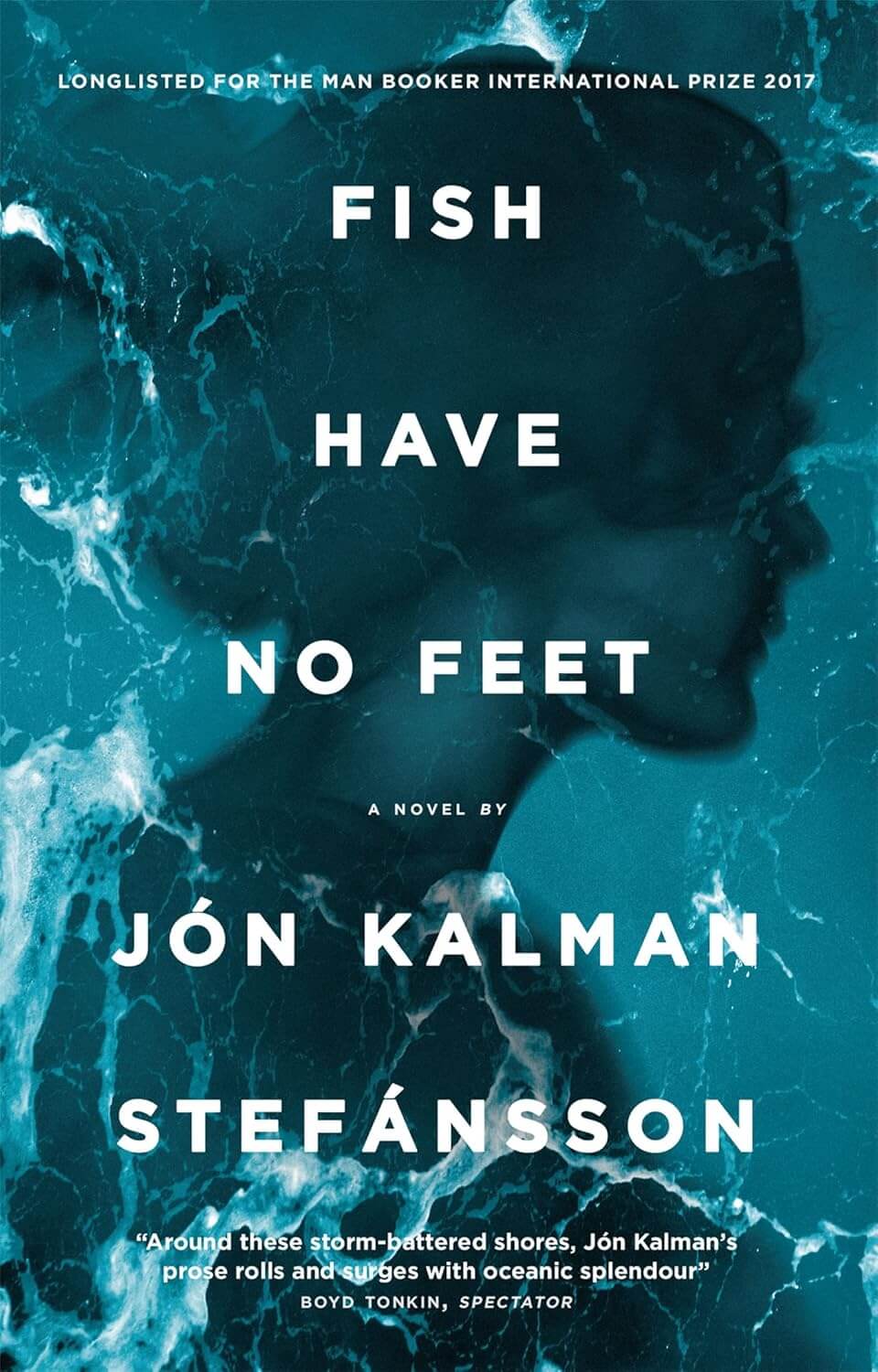
Fish Have No Feet

Fish Have No Feet

by Jón Kalman Stefánsson

Spanning generations in a small Icelandic town, this novel blends memory, myth, and lyrical reflection. Stefánsson’s prose is rich and musical. The past lingers vividly in the present. Love and loss echo across time. The narrative drifts rather than drives. A tender, expansive meditation on place and belonging.

3.90
Literary Fiction
Lyrical
Reflective
Melancholic
Compass
Shortlisted

Compass

by Mathias Énard

Énard’s novel unfolds over a sleepless night as a musicologist reflects on love, illness, and Europe’s relationship with the Middle East. The book blends essay, travelogue, and memory. Erudite references flow effortlessly into personal longing. East and West intertwine throughout. The prose is dense but lyrical. A vast, intellectually generous meditation.

3.79
Literary Fiction
Reflective
Intellectual
Lyrical
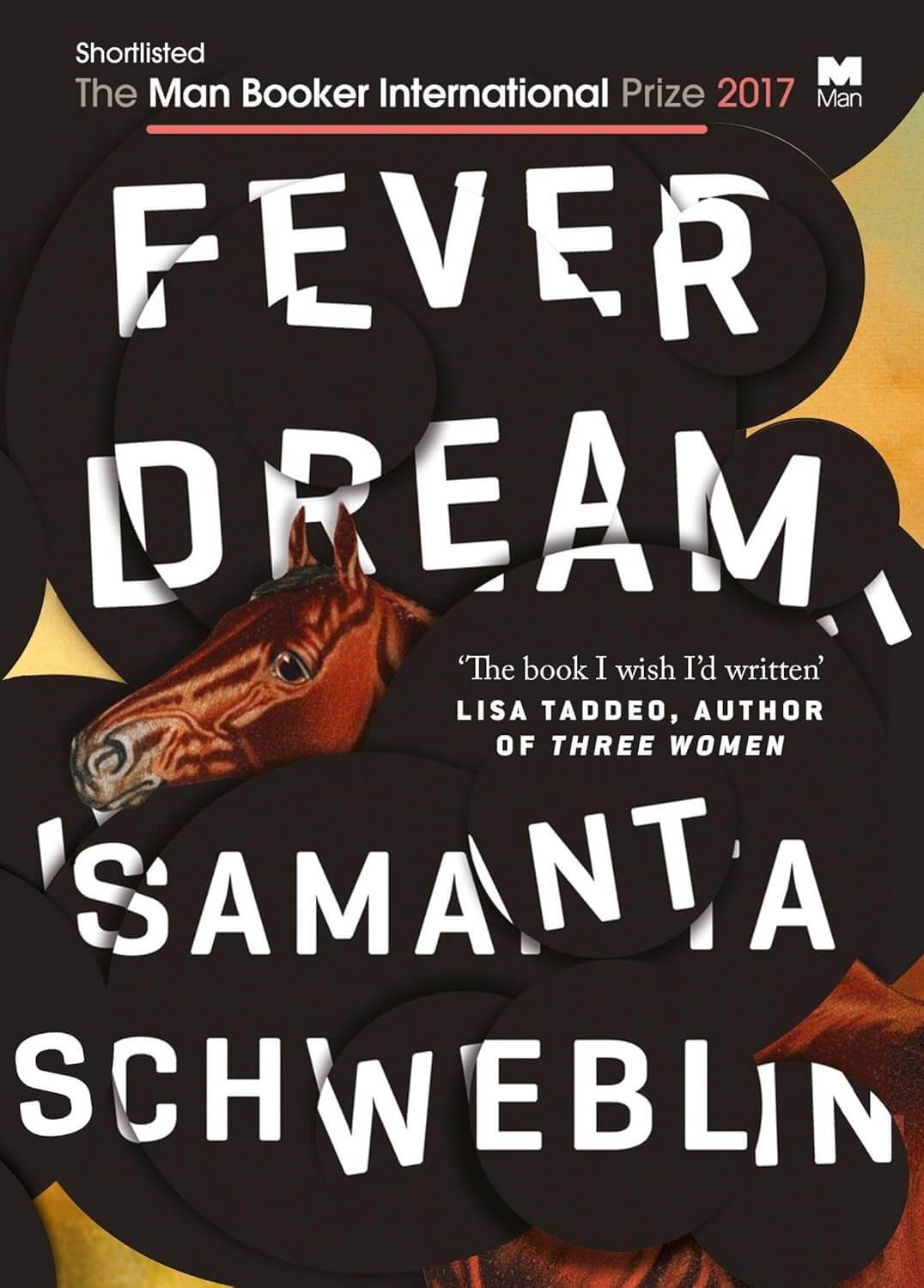
Fever Dream
Shortlisted

Fever Dream

by Samanta Schweblin

This unsettling novel unfolds as a fragmented dialogue between a dying woman and a mysterious child. Schweblin creates a mounting sense of dread through what is withheld. Environmental poisoning and maternal fear underpin the narrative. Time feels unstable and urgent. The prose is spare and hypnotic. A chilling exploration of anxiety and loss.

3.72
Literary Fiction
Psychological Fiction
Unsettling
Tense
Eerie
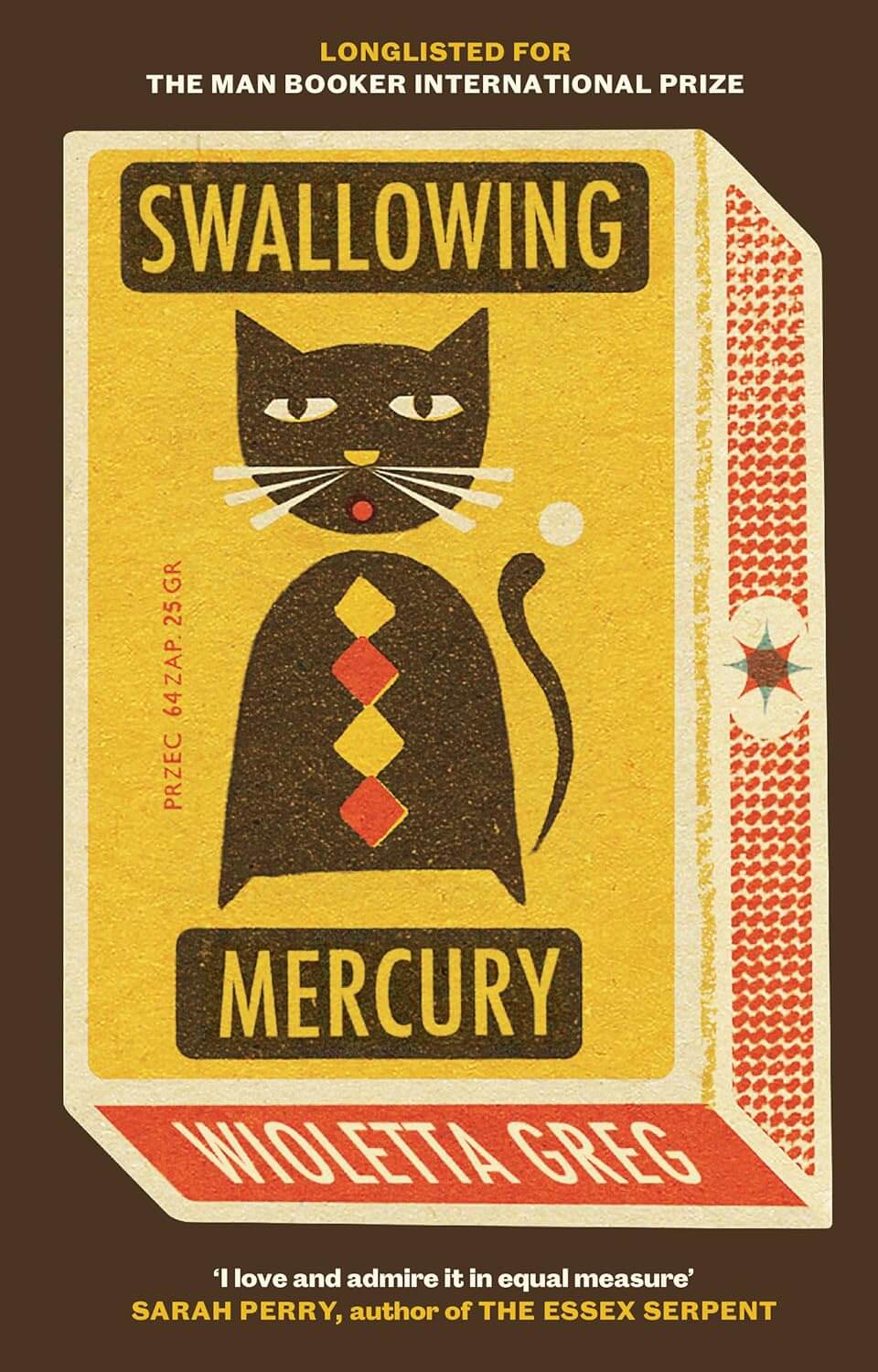
Swallowing Mercury

Swallowing Mercury

by Wioletta Greg

This novel captures childhood in rural Poland through vivid, episodic scenes. Greg writes with clarity and restraint, blending innocence with latent menace. Everyday details shimmer with meaning. Political and social change loom quietly in the background. The tone is nostalgic but unsentimental. A delicate, precise portrait of growing up.

3.76
Literary Fiction
Nostalgic
Quiet
Observant
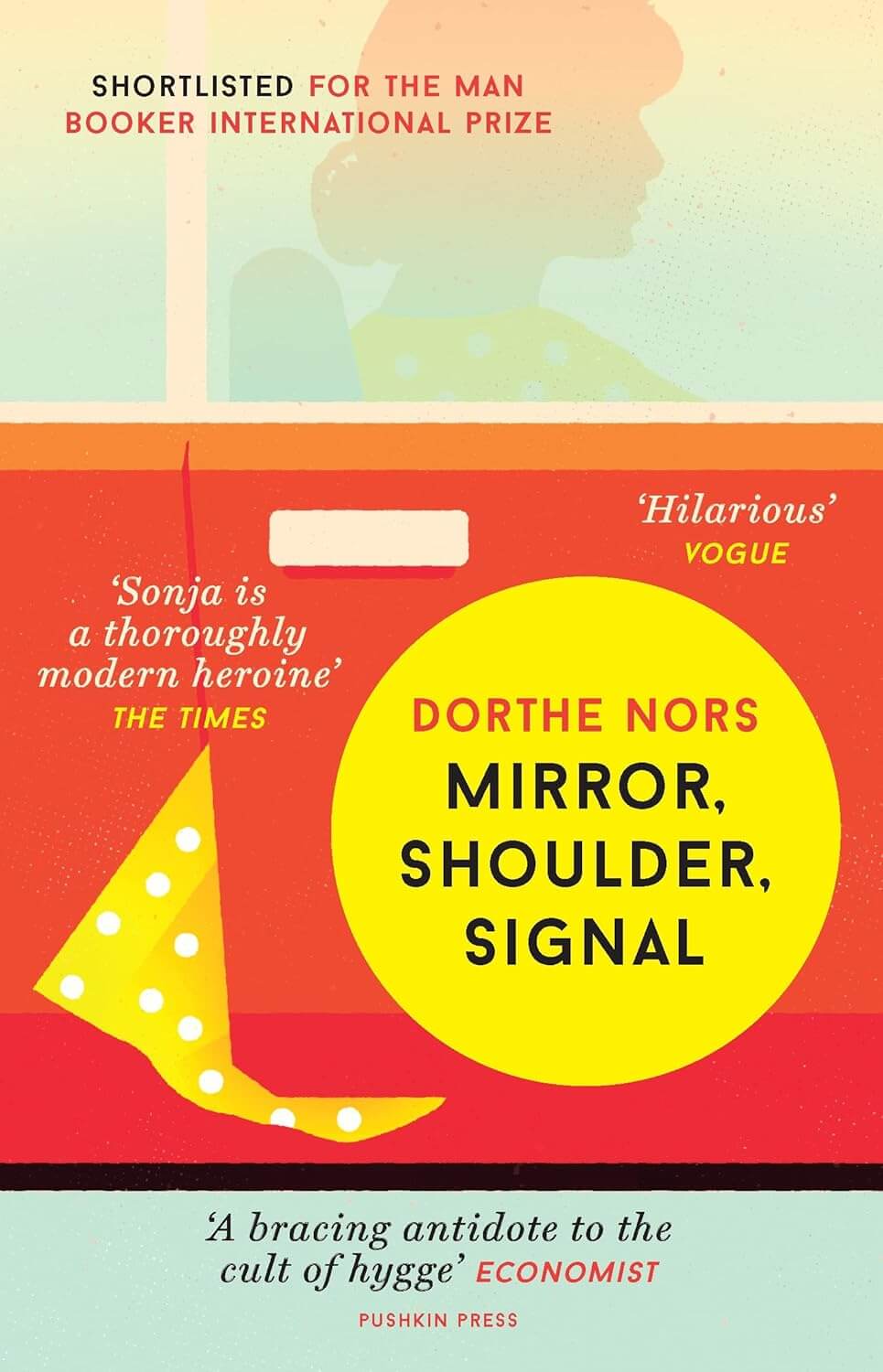
Mirror, Shoulder, Signal
Shortlisted

Mirror, Shoulder, Signal

by Dorthe Nors

This quietly comic novel follows a middle-aged woman taking driving lessons in rural Denmark. Nors captures loneliness and social awkwardness with precision. Small moments carry emotional weight. The tone is understated yet gently humorous. The driving test becomes a metaphor for control and change. Subtle, warm, and perceptive.

3.21
Literary Fiction
Quiet
Wry
Tender
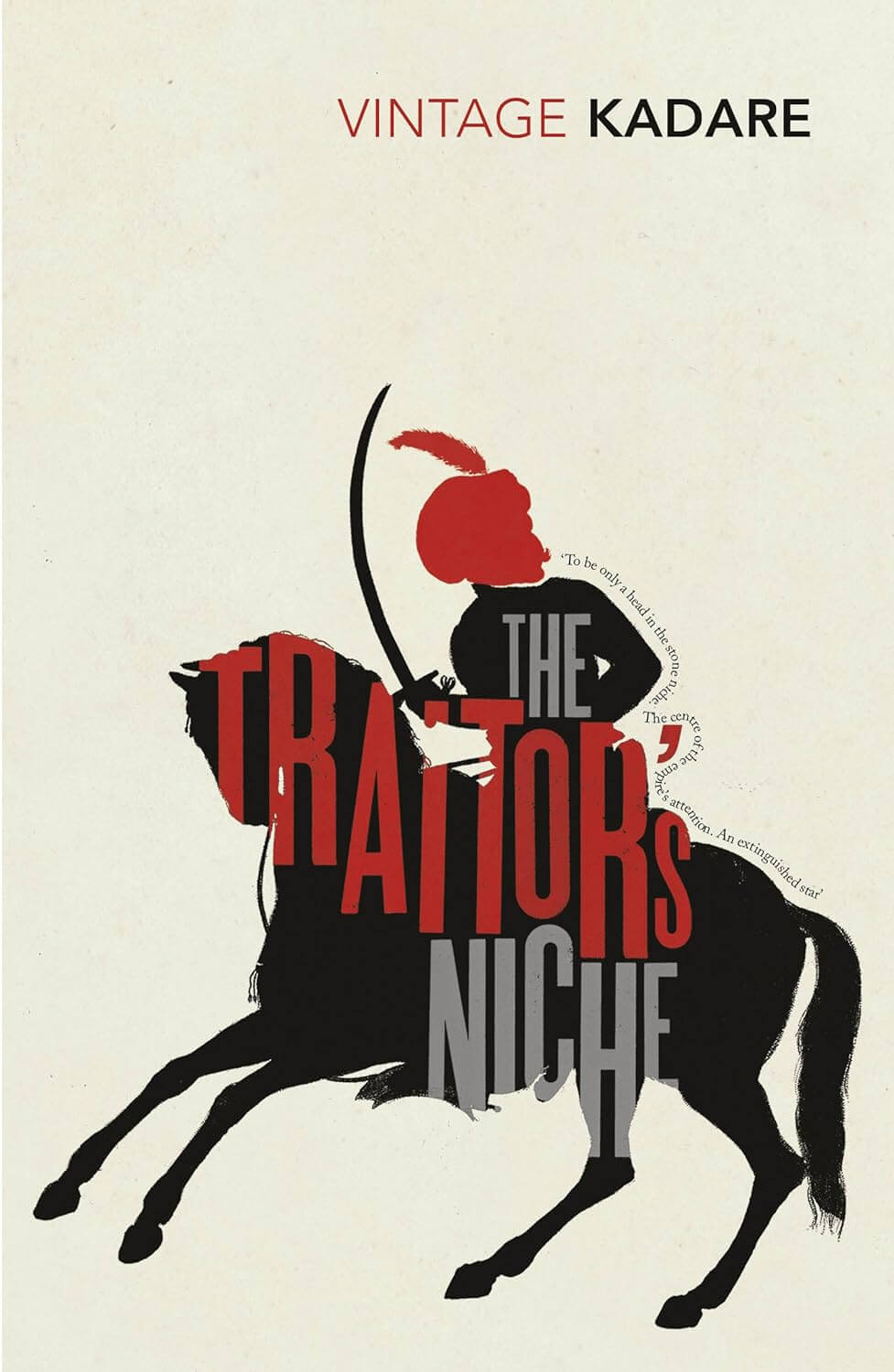
The Traitor's Niche

The Traitor's Niche

by Ismail Kadare

Kadare revisits Ottoman history to explore power, betrayal, and spectacle. Public punishment becomes a tool of control and myth-making. The prose is cool and allegorical. Individual lives are crushed by ritual and authority. History feels eerily contemporary. A concise, chilling political parable.

3.74
Literary Fiction
Historical Fiction
Austere
Grave
Allegorical
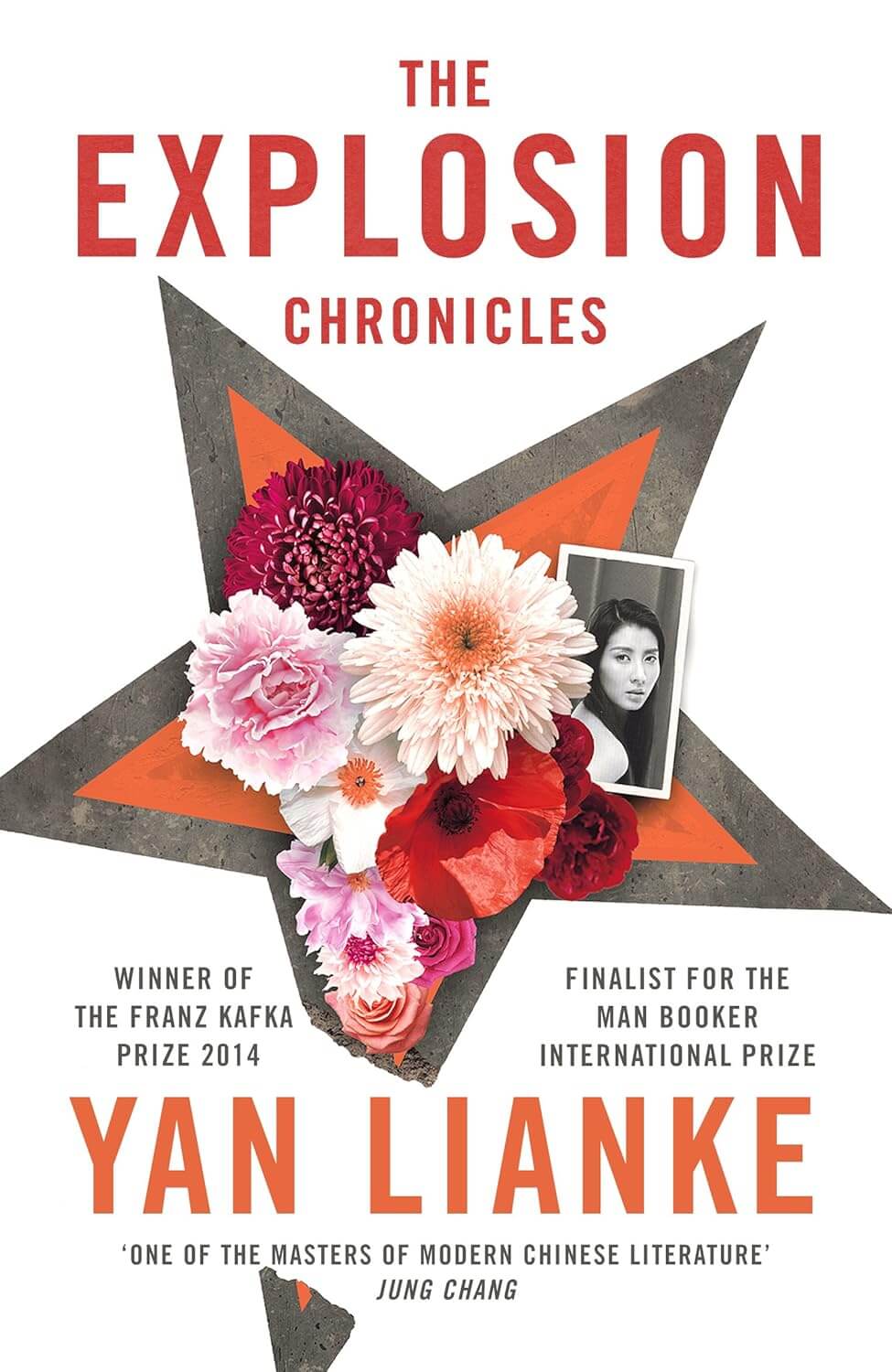
The Explosion Chronicles

The Explosion Chronicles

by Yan Lianke

Yan Lianke’s satirical novel traces the meteoric rise of a Chinese village fuelled by corruption and ambition. The book blends absurdity with sharp political critique. Growth becomes grotesque and uncontrollable. The tone is playful yet biting. Myth and realism collide. A bold, irreverent allegory of modernisation.

3.64
Literary Fiction
Satire
Satirical
Chaotic
Provocative
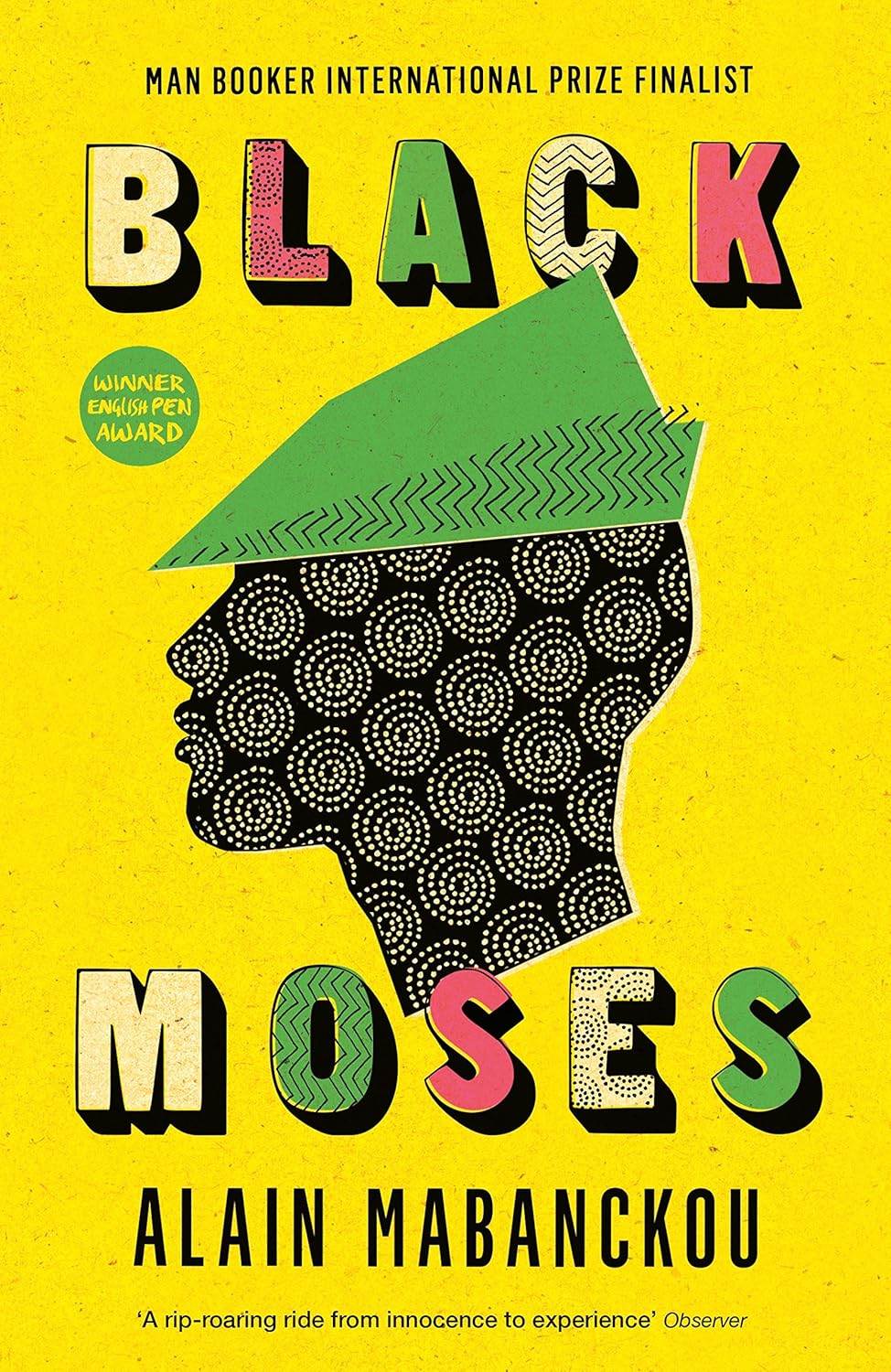
Black Moses

Black Moses

by Alain Mabanckou

Set in a Congolese shantytown, this novel follows a charismatic gang leader and his community. Mabanckou blends satire, myth, and political critique. The narrative voice is vibrant and ironic. Power and performance intertwine. Violence is rendered with dark humour. A lively, subversive portrait of authority.

3.43
Literary Fiction
Satire
Energetic
Ironic
Sharp
Bricks and Mortar

Bricks and Mortar

by Clemens Meyer

This novel portrays life in post-reunification Leipzig through fragmented episodes. Meyer captures disillusionment, violence, and survival on society’s margins. The prose is raw and unpolished. Voices overlap without resolution. The city itself becomes a fractured character. Bleak, immersive, and unflinching.

3.33
Literary Fiction
Bleak
Restless
Raw