The International Booker Prize 2016

Thirteen translated novels exploring identity, power, endurance, and the limits of the self

The International Booker Prize 2016 longlist highlights fiction in translation that is bold in vision and diverse in form. These novels range from intimate psychological portraits to sweeping social panoramas, offering readers insight into lives shaped by political pressure, cultural change, and personal obsession. Together, they demonstrate how contemporary world literature stretches the boundaries of narrative and voice.

Across the list, many authors explore what it means to resist — whether resisting social expectation, historical violence, or the quiet erasure of individuality. Several novels focus on marginal or overlooked lives, using spare prose or experimental structure to illuminate endurance, dignity, and desire. Others employ satire, myth, or polyphonic storytelling to confront power and corruption.

What unites the 2016 selection is its emotional intensity and moral seriousness. These books ask difficult questions about freedom, conformity, and survival, while remaining deeply rooted in specific cultures and histories. They reward careful reading and reaffirm the global reach and urgency of translated fiction.
The Vegetarian
Winner

The Vegetarian

by Han Kang

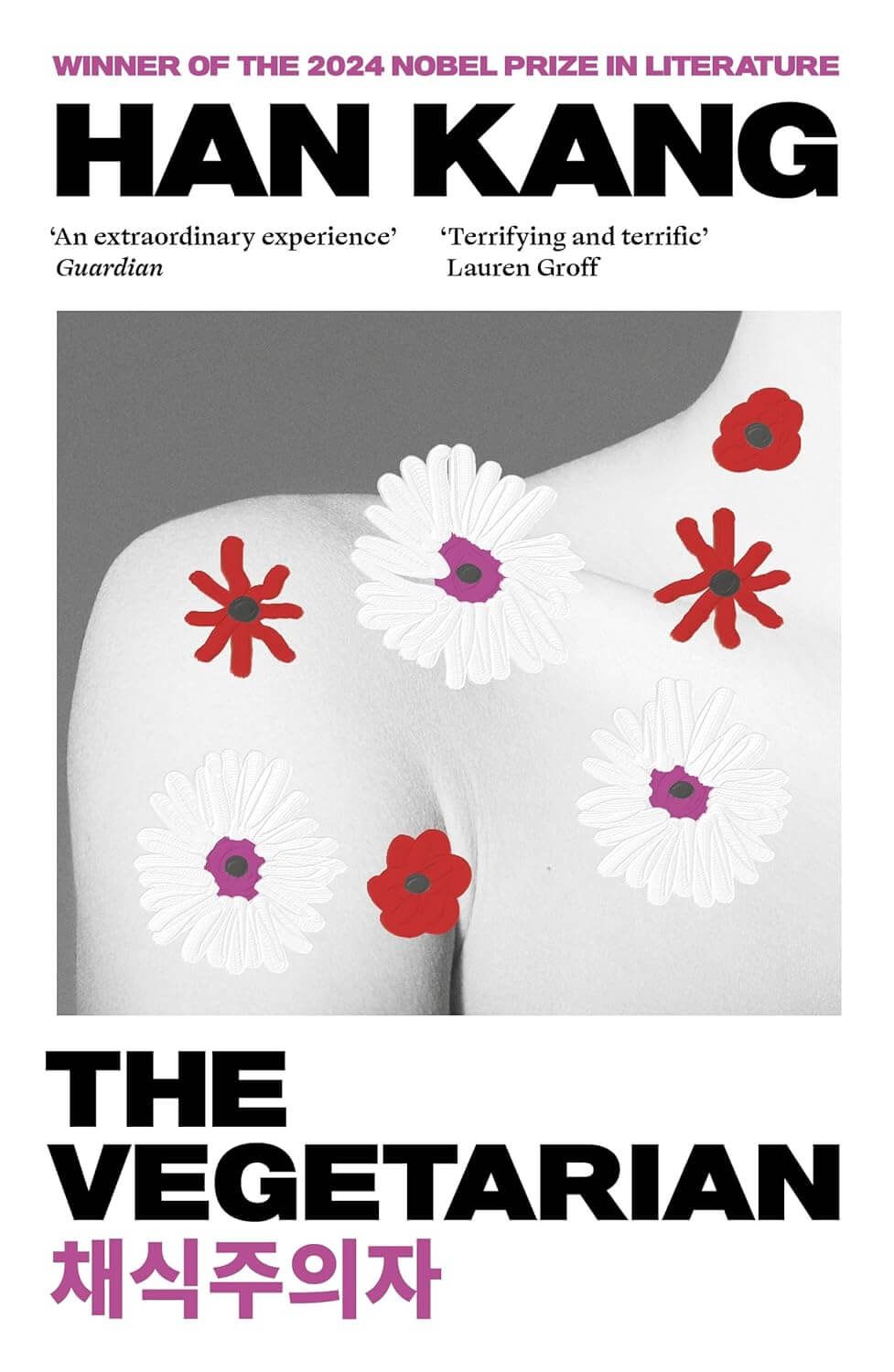
Han Kang’s novel traces a woman’s radical withdrawal from social norms after she decides to stop eating meat. Told through the perspectives of those around her, the book explores control, desire, and violence. The prose is spare yet haunting. Ordinary domestic life turns quietly horrific. The body becomes a site of resistance. A disturbing, unforgettable novel.

3.65
Literary Fiction
Psychological Fiction
Unsettling
Intense
Austere
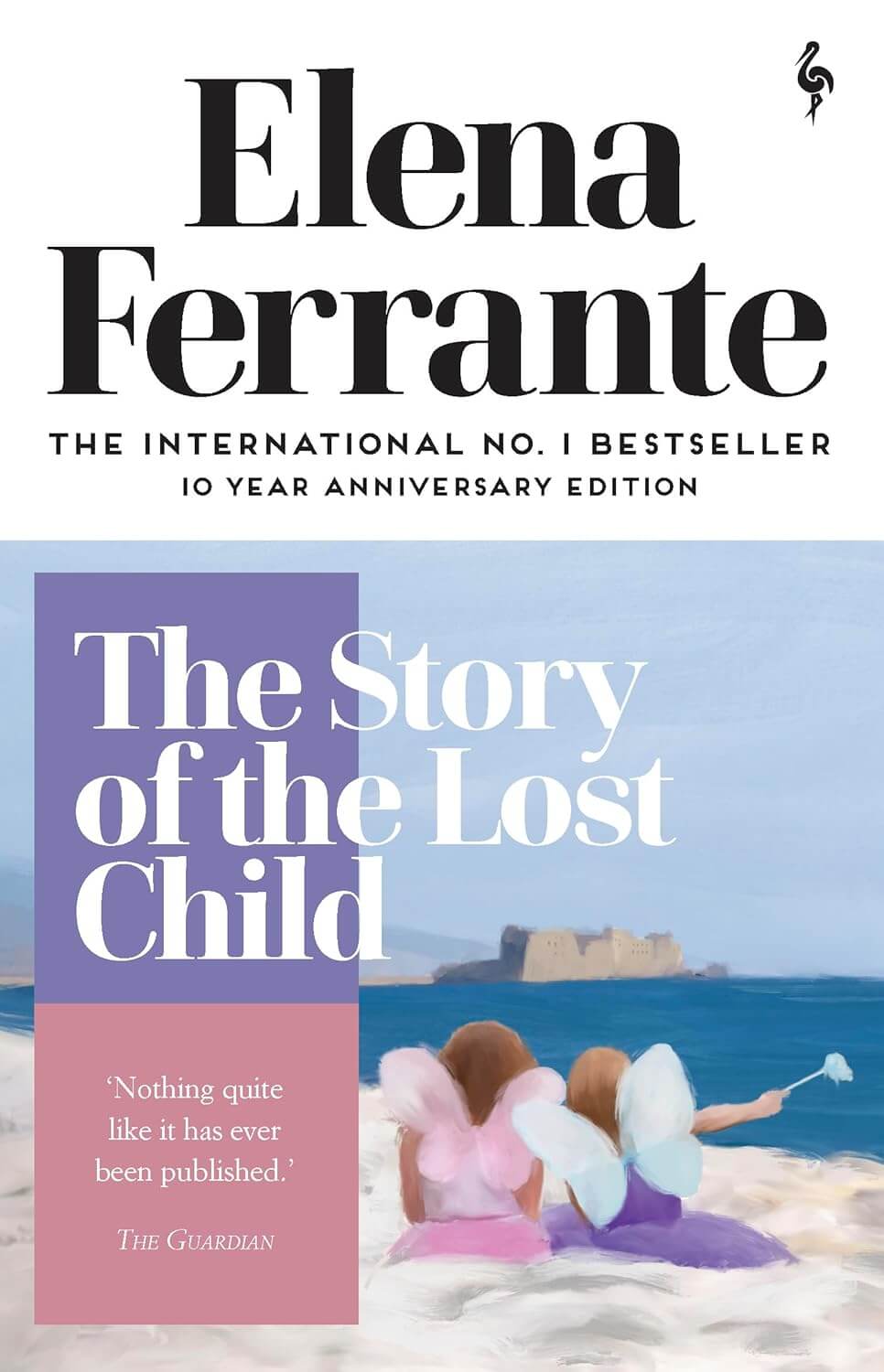
The Story of the Lost Child
Shortlisted

The Story of the Lost Child

by Elena Ferrante

The final book in Ferrante’s Neapolitan Quartet brings Elena and Lila’s lifelong friendship to its emotional climax. The novel explores motherhood, ambition, and loss. Naples remains a volatile backdrop. Ferrante’s prose is intimate and unsparing. Love and rivalry intertwine. A powerful, heartbreaking conclusion.

4.46
Literary Fiction
Emotional
Intimate
Intense
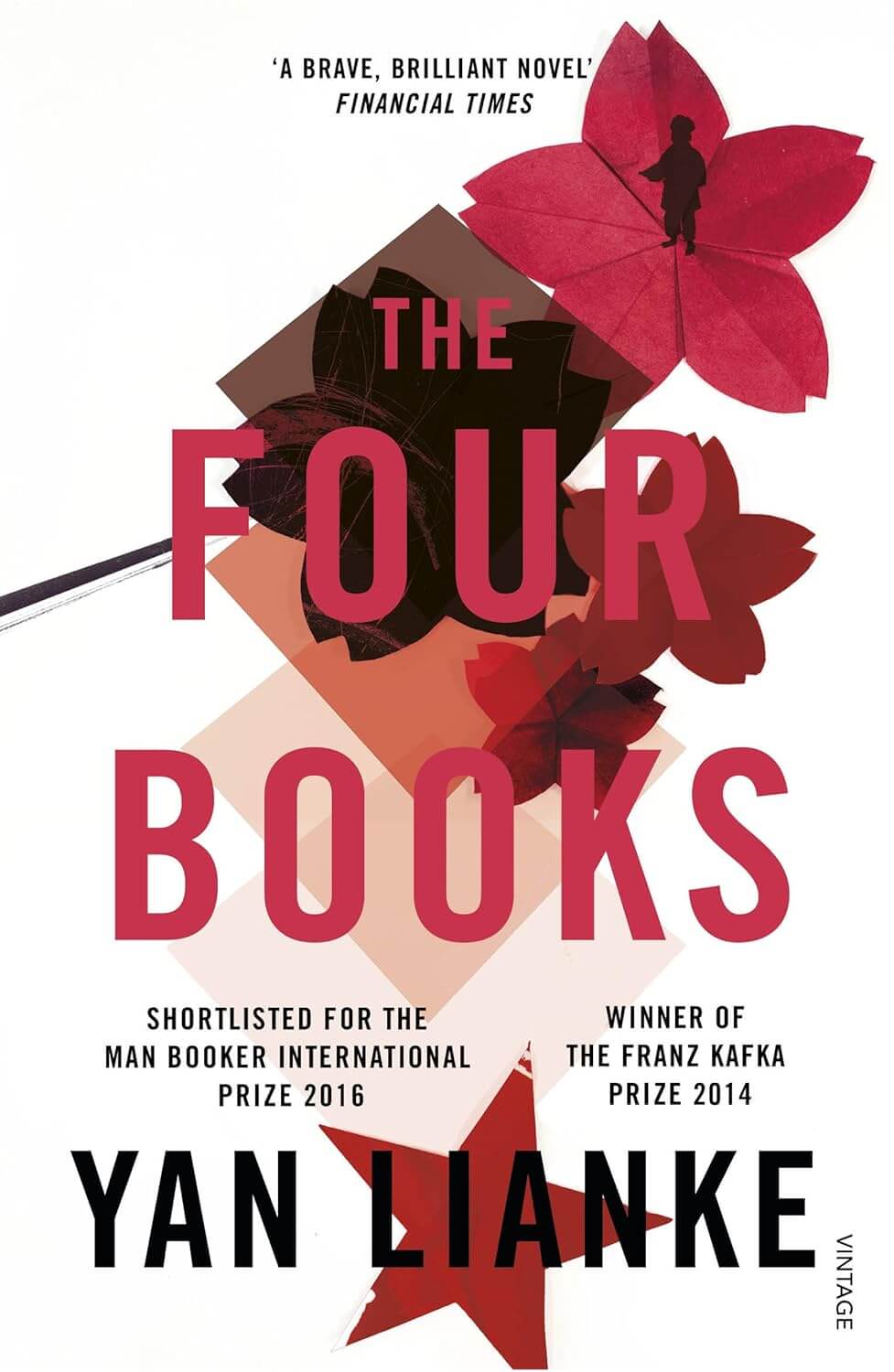
The Four Books
Shortlisted

The Four Books

by Yan Lianke

Set during Mao’s Great Leap Forward, this novel portrays intellectuals imprisoned in a labour camp. Yan Lianke blends allegory with brutal realism. Hunger, ideology, and betrayal dominate daily life. The narrative structure mirrors fragmentation and moral collapse. The satire is dark and biting. A devastating critique of totalitarian power.

3.98
Literary Fiction
Political Fiction
Bleak
Satirical
Grave
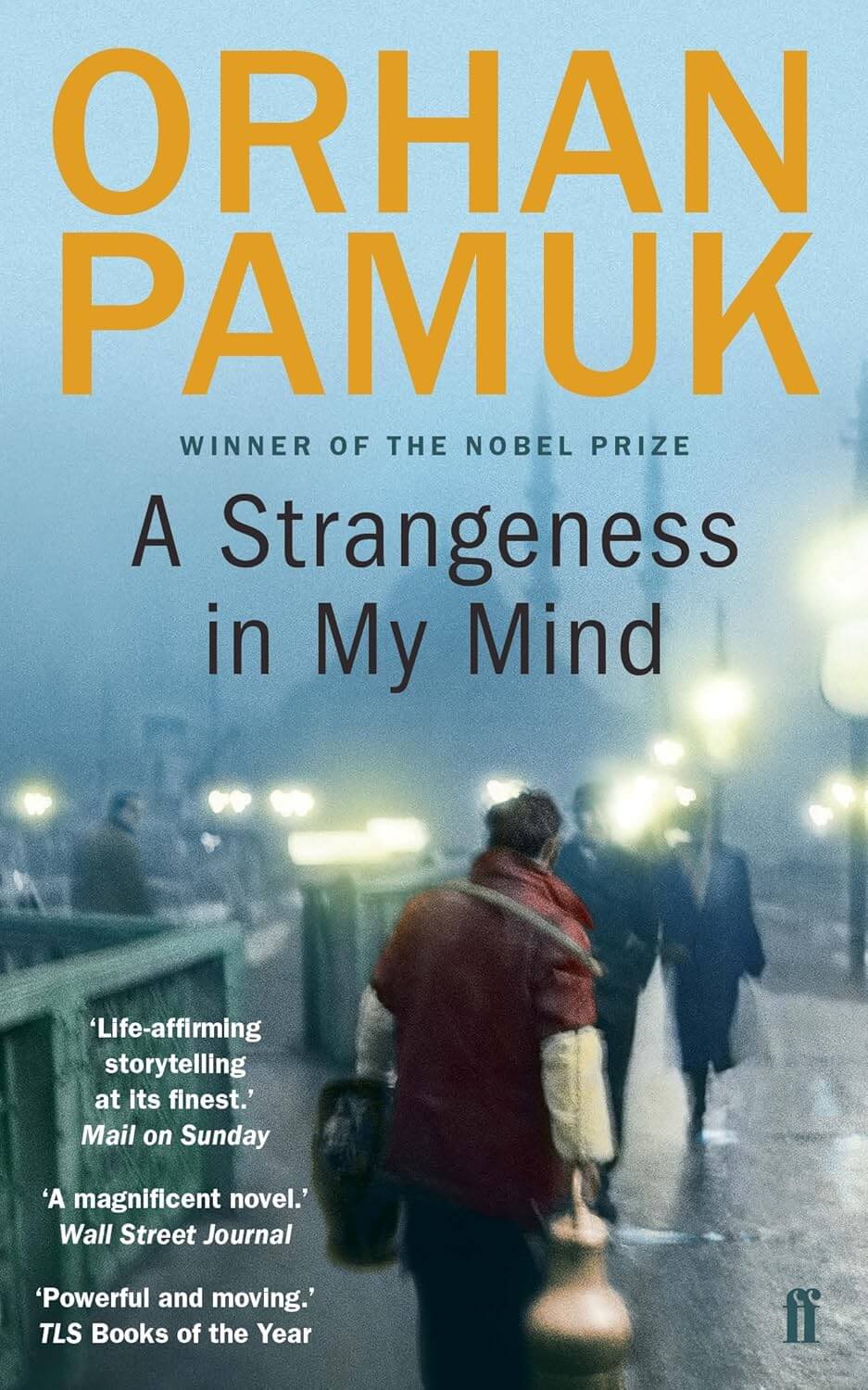
A Strangeness in My Mind
Shortlisted

A Strangeness in My Mind

by Orhan Pamuk

Pamuk’s novel follows a street vendor in Istanbul over several decades of social change. Through multiple voices, the city’s transformation unfolds alongside one man’s inner life. The narrative blends realism with gentle melancholy. Love, ambition, and displacement shape the story. Istanbul itself becomes a living presence. Rich, expansive, and humane.

4.15
Literary Fiction
Nostalgic
Reflective
Expansive
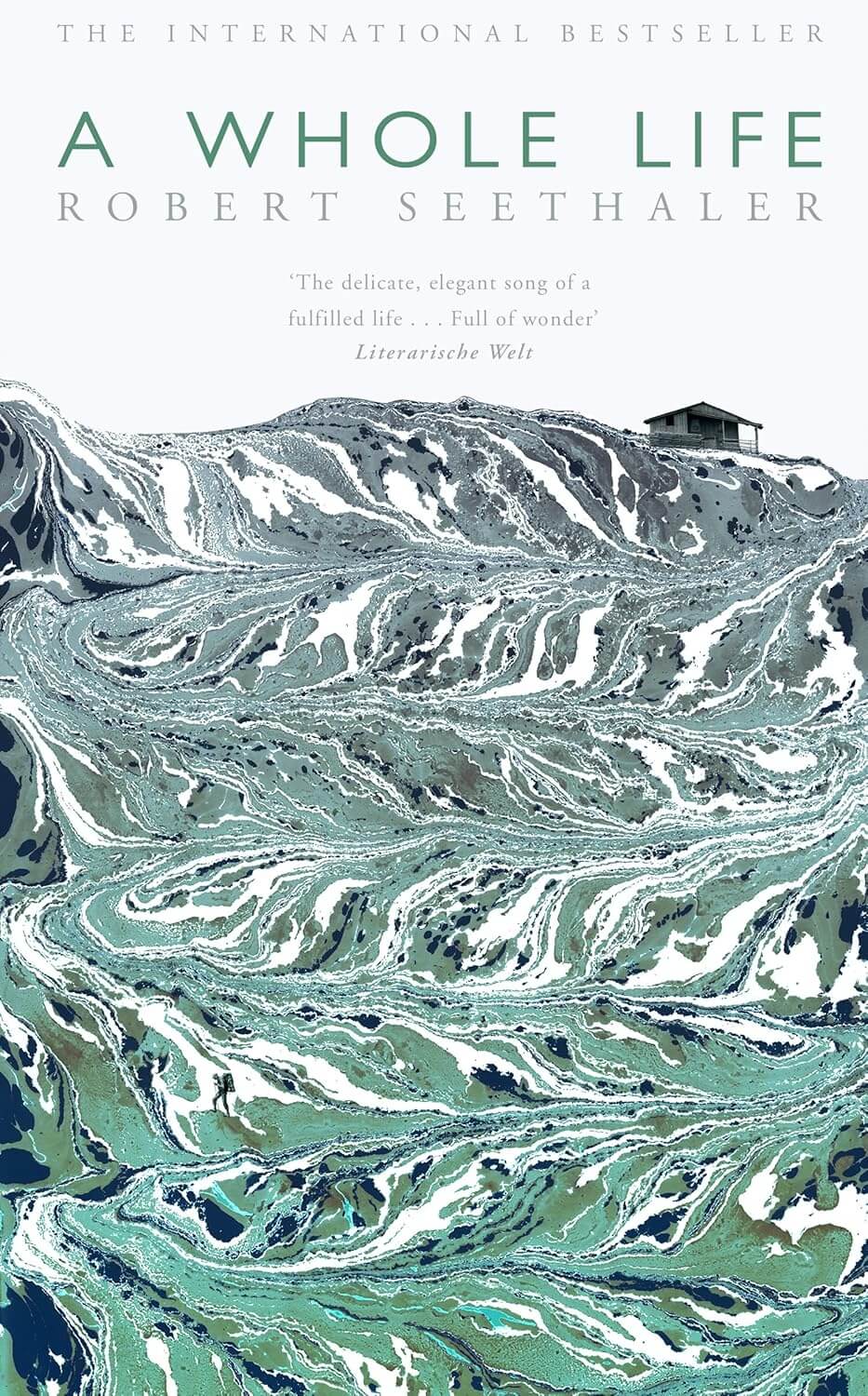
A Whole Life
Shortlisted

A Whole Life

by Robert Seethaler

This slim novel chronicles the quiet life of a man in the Austrian Alps. Seethaler’s prose is simple and precise. Dramatic historical shifts occur at the margins of the narrative. Endurance and dignity define the protagonist’s existence. The novel finds meaning in restraint. A deeply moving meditation on ordinary life.

3.95
Literary Fiction
Quiet
Reflective
Tender
Man Tiger

Man Tiger

by Eka Kurniawan

Blending folklore with crime, this novel follows a man possessed by a white tiger spirit. Set in rural Indonesia, it explores violence, masculinity, and myth. The narrative moves backward in time, revealing buried trauma. Magical realism meets social critique. The tone is darkly playful. Inventive and gripping.

4.04
Literary Fiction
Magical Realism
Dark
Playful
Mythic
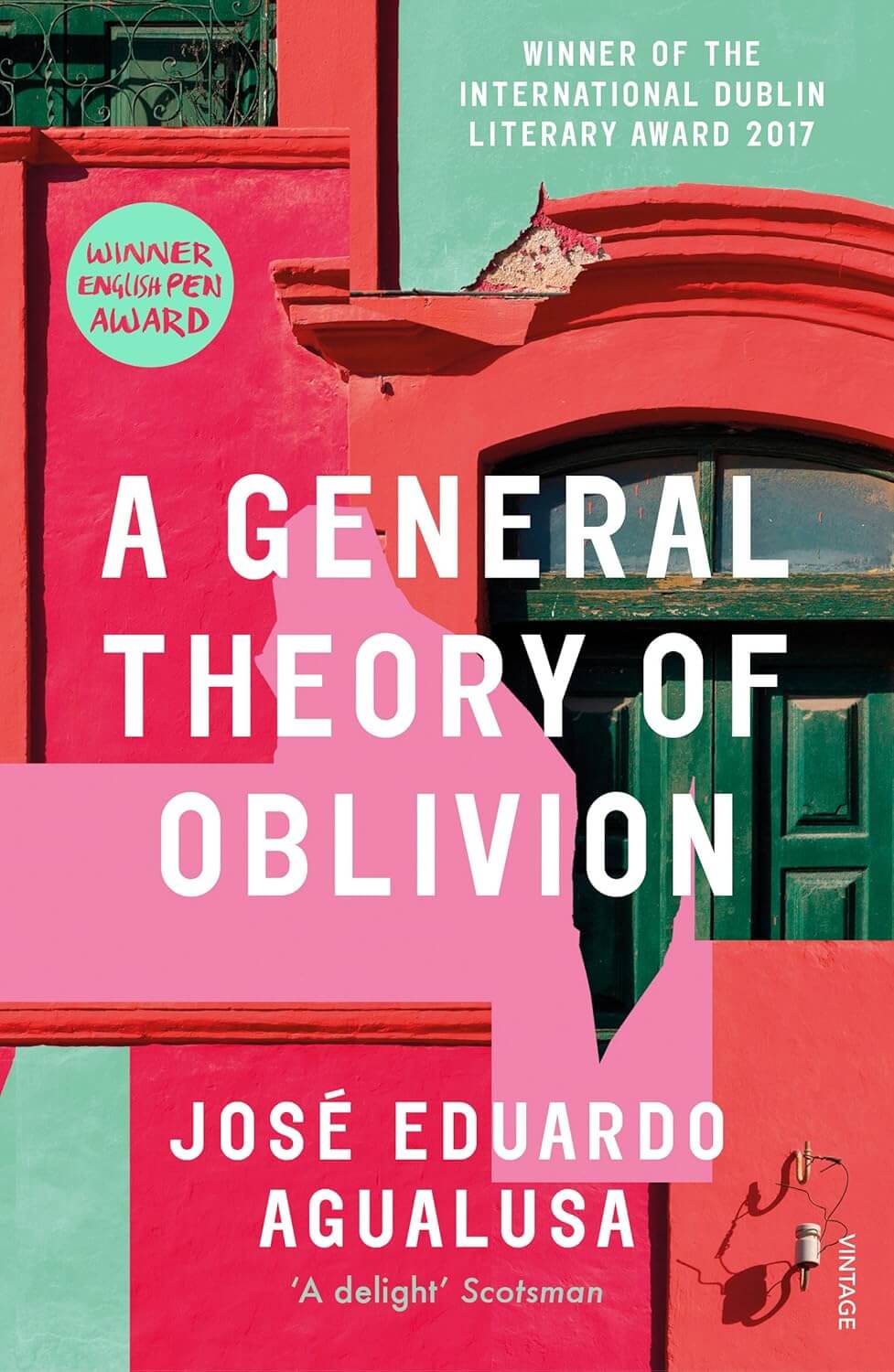
A General Theory of Oblivion
Shortlisted

A General Theory of Oblivion

by José Eduardo Agualusa

This inventive novel follows a woman who walls herself into her apartment during Angola’s civil war. Agualusa blends fable, history, and poetry. Isolation becomes both protection and prison. Stories intersect across the city beyond her walls. The tone is whimsical yet profound. A luminous meditation on fear, memory, and survival.

3.90
Literary Fiction
Whimsical
Reflective
Hopeful
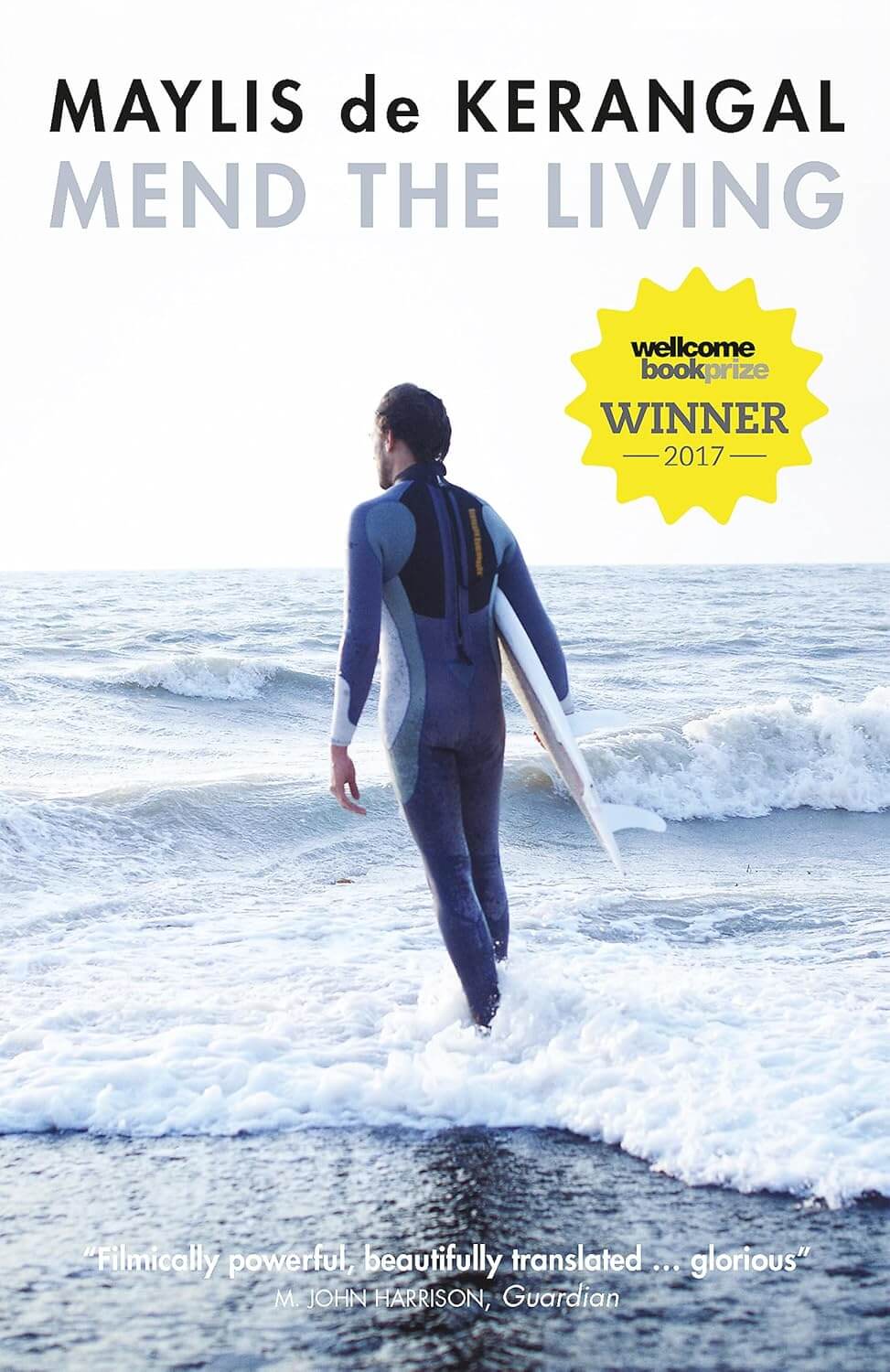
Mend the Living

Mend the Living

by Maylis de Kerangal

This novel traces a heart transplant over a single intense day. De Kerangal’s long, flowing sentences create urgency and momentum. Medical detail is rendered with lyrical precision. Grief and hope coexist throughout. Multiple perspectives form a collective portrait. A powerful meditation on life and connection.

3.84
Literary Fiction
Urgent
Compassionate
Emotional
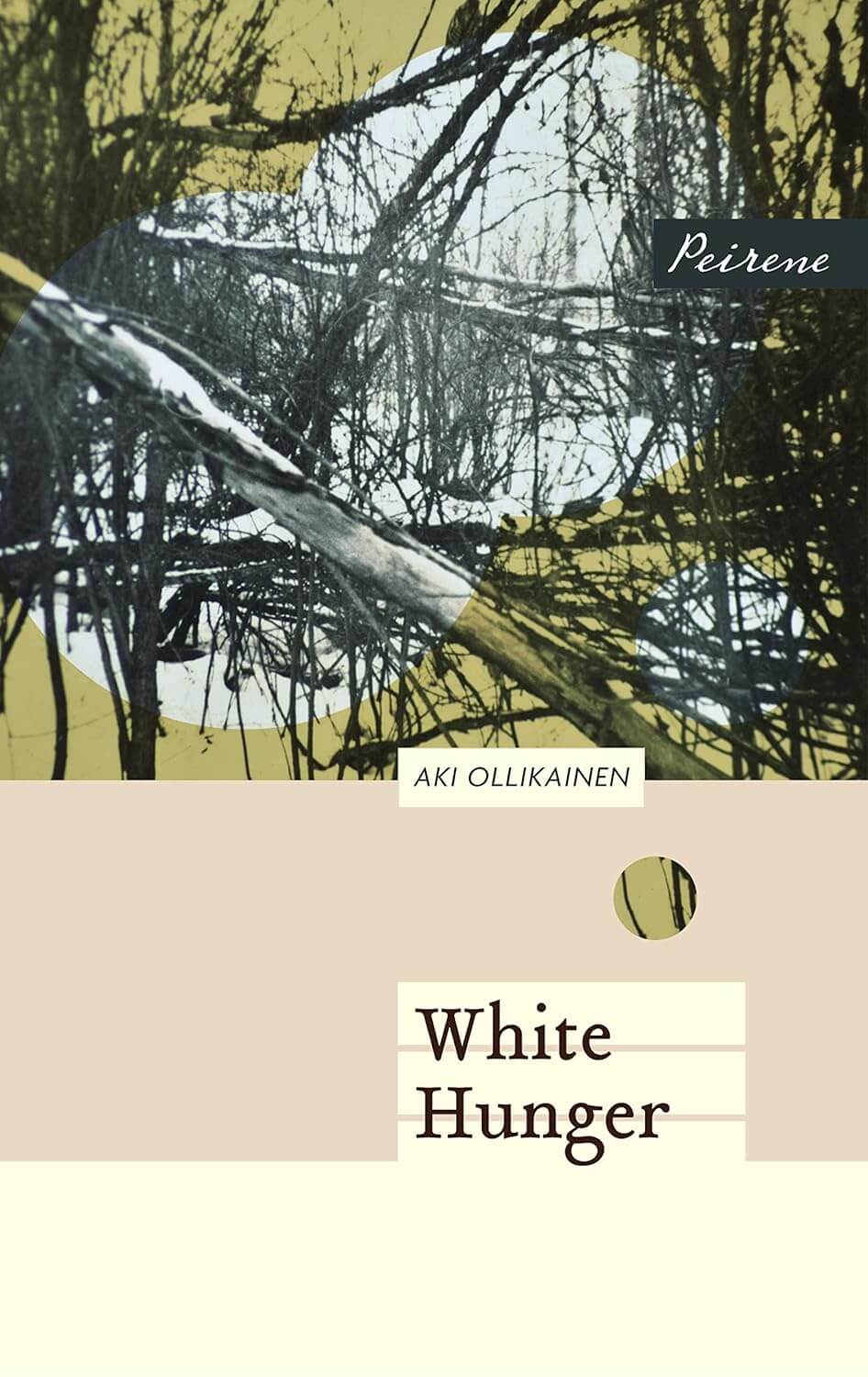
White Hunger

White Hunger

by Aki Ollikainen

Set during a famine in nineteenth-century Finland, this stark novel follows a family struggling to survive. Ollikainen’s prose is spare and unforgiving. Nature is indifferent and cruel. Hunger dominates every decision. The novel refuses sentimentality. Bleak, restrained, and powerful.

3.56
Historical Fiction
Bleak
Austere
Harsh
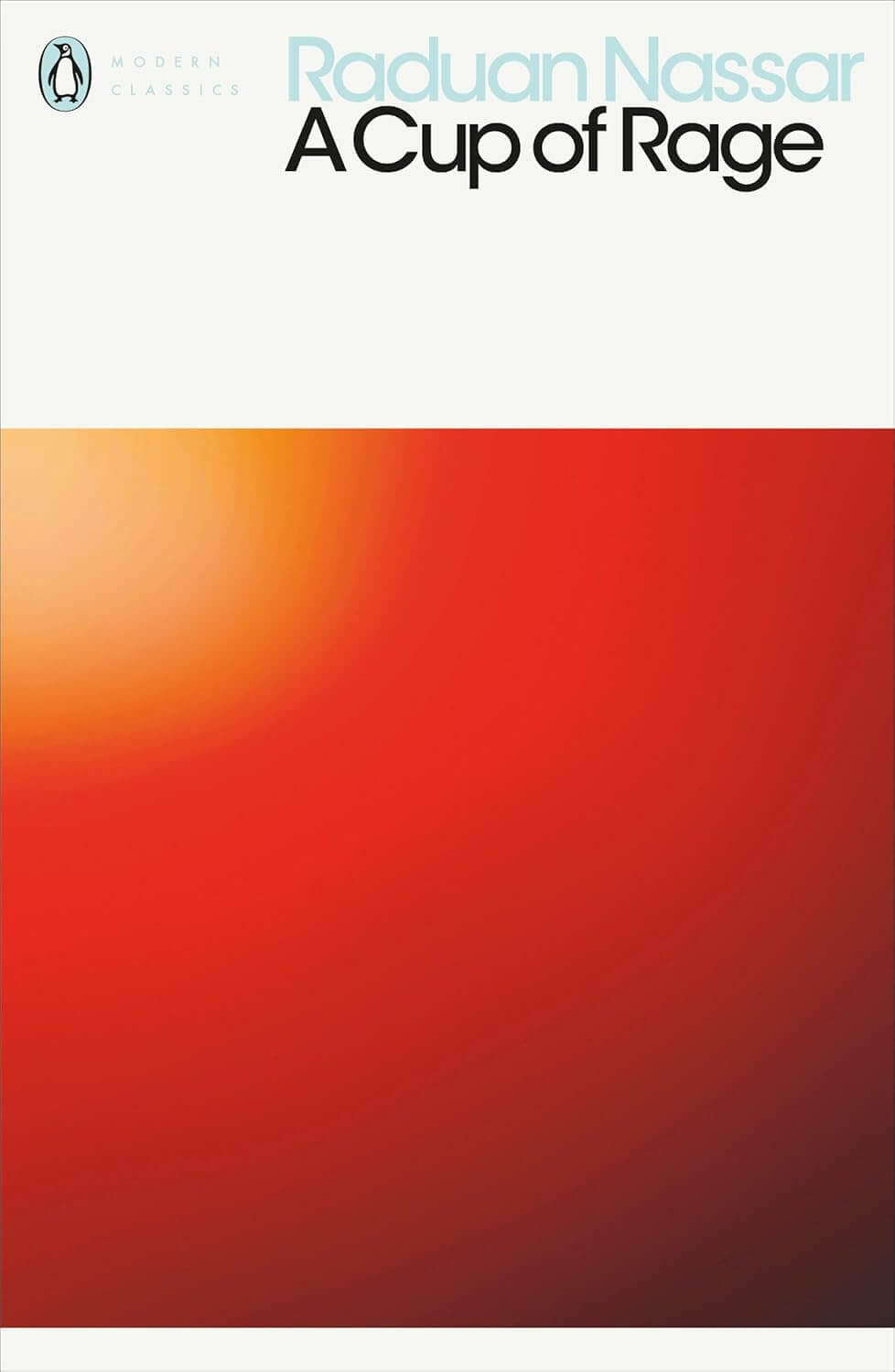
A Cup of Rage

A Cup of Rage

by Raduan Nassar

This intense, confrontational novel centres on a furious argument between lovers. Language itself becomes a weapon. Nassar’s prose is raw and rhythmic. Power, desire, and control collide in close quarters. The emotional violence is relentless. Short, explosive, and unforgettable.

3.42
Literary Fiction
Explosive
Angry
Intense
Ladivine

Ladivine

by Marie NDiaye

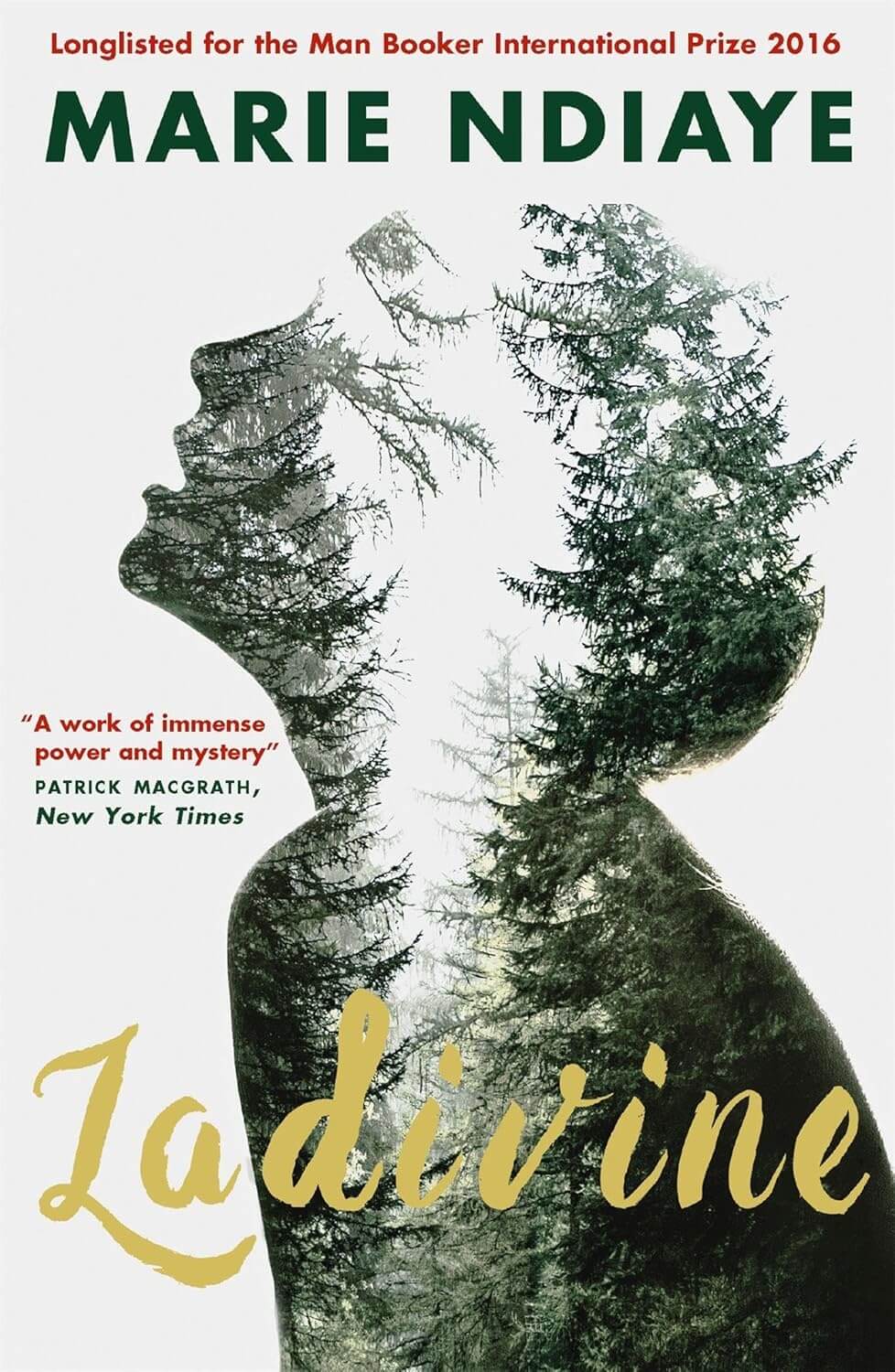
This novel traces generations of women bound by secrecy and shame. NDiaye explores identity, race, and inheritance with psychological depth. The narrative is unsettling and elliptical. Mothers and daughters remain unknowable to one another. Violence simmers beneath restraint. A haunting, complex work.

3.34
Literary Fiction
Unsettling
Introspective
Dark
Death By Water

Death By Water

by Kenzaburō Ōe

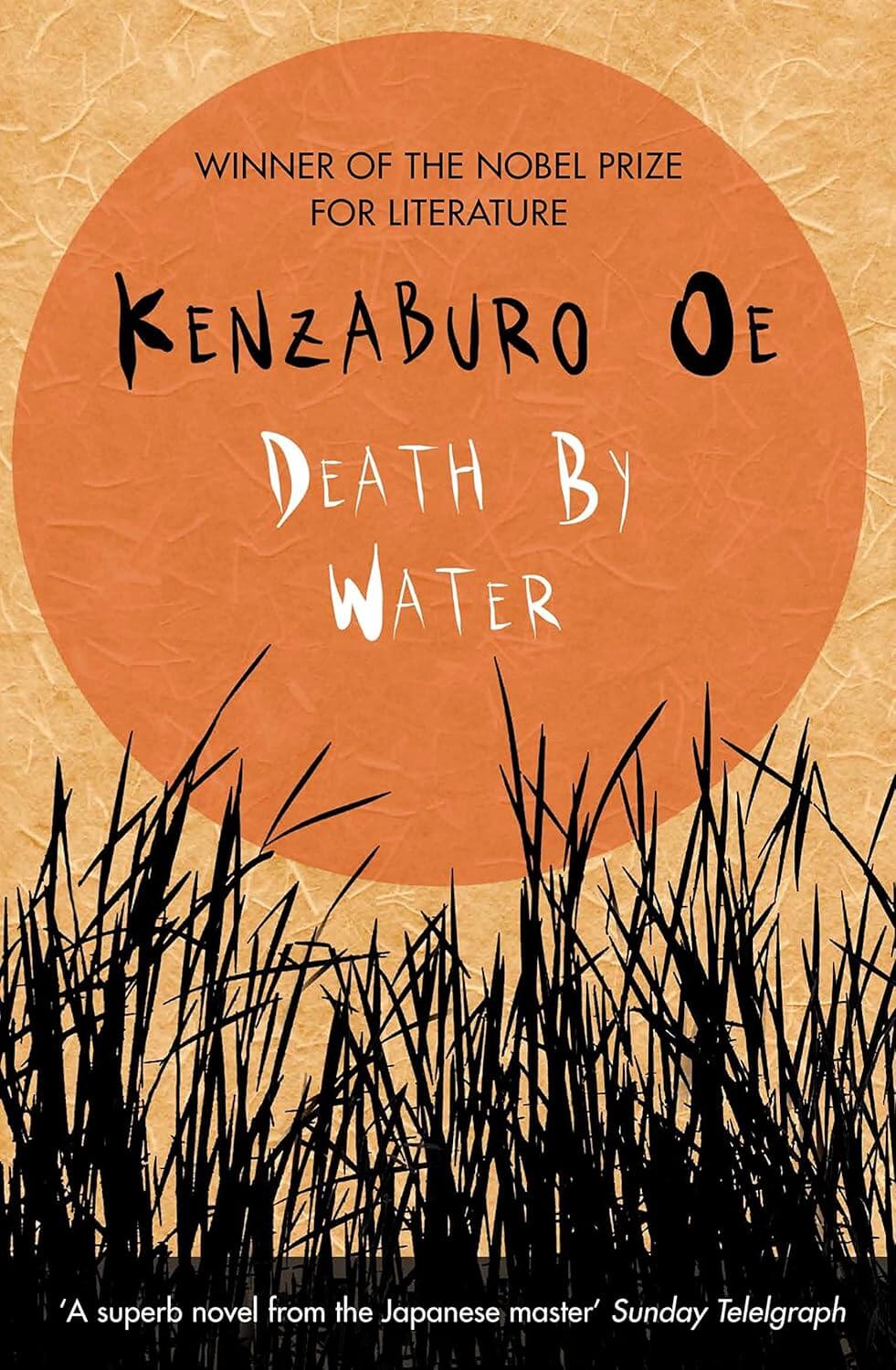
Ōe’s novel blends personal memory with historical investigation as a writer confronts his father’s past. Myth and reality intertwine. The narrative is reflective and layered. Questions of legacy and guilt dominate. The prose is dense but resonant. A late-career meditation on history and self.

3.20
Literary Fiction
Reflective
Somber
Philosophical
Tram 83

Tram 83

by Fiston Mwanza Mujila

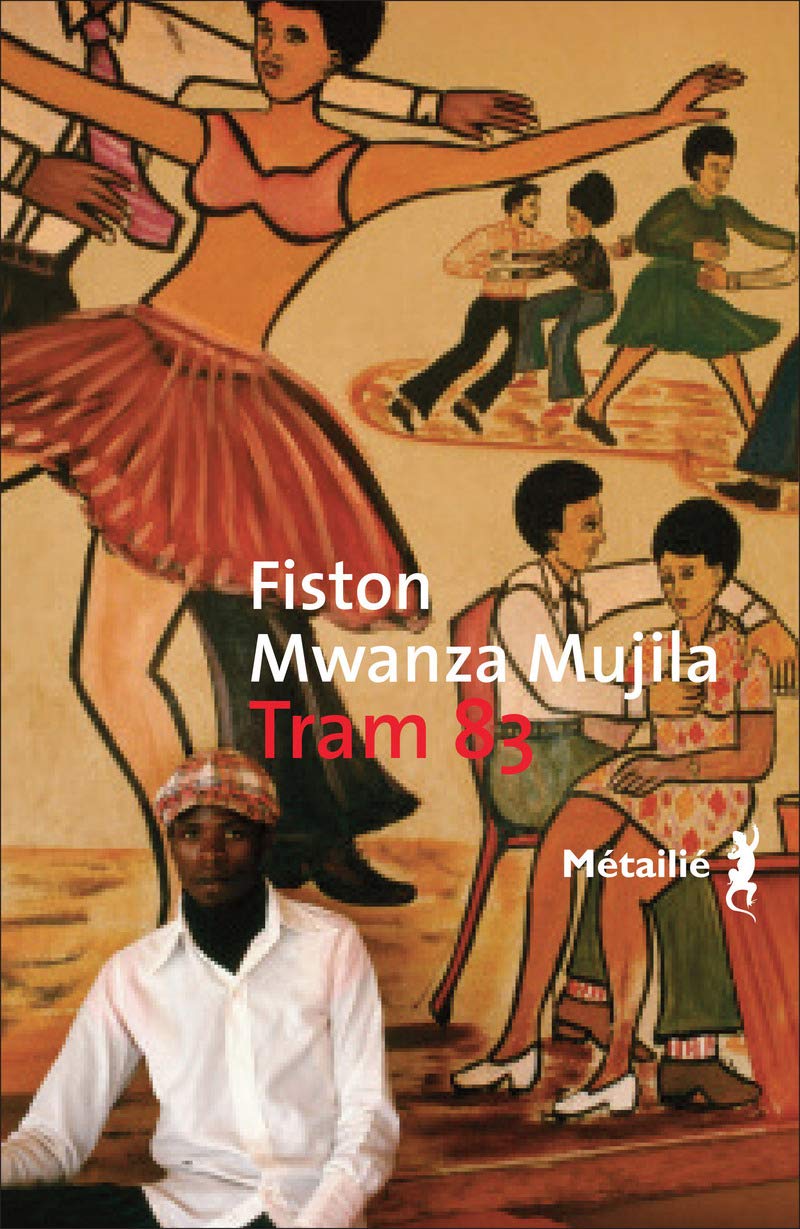
Set in a chaotic African mining city, Tram 83 pulses with music, sex, and excess. Mujila’s prose is rhythmic and explosive. The city’s bar becomes a crossroads of exploitation and survival. Language mimics noise and movement. Capitalism’s brutality is laid bare. Dazzling and exhausting.

3.33
Literary Fiction
Frenetic
Chaotic
Intense